Currency markets are skeptical
Just yesterday markets reacted enthusiastically to the upcoming agreement. Today we again see a correction of that sentiment. This is especially visible in currencies, where overnight we fell below 1.16 on EUR/USD. The more investors fear, the more they prefer to hold funds in the dollar. The U.S. currency – aside from geopolitical conditions – also benefits from expectations of higher interest rates.
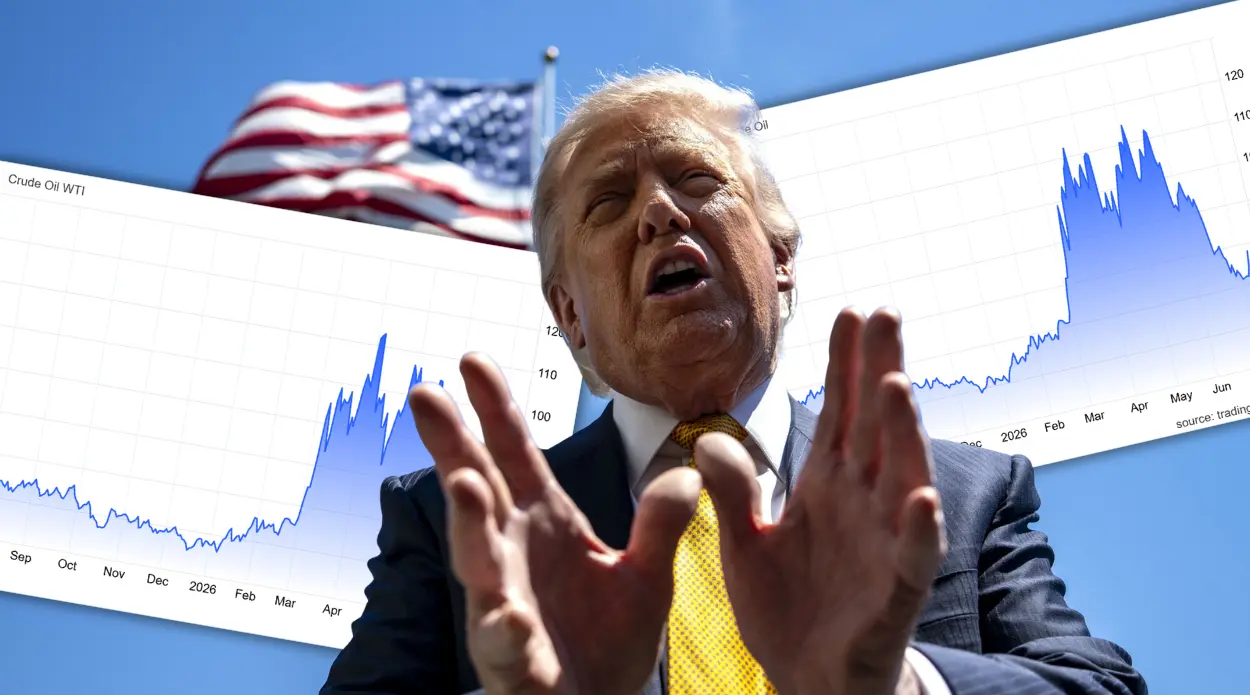
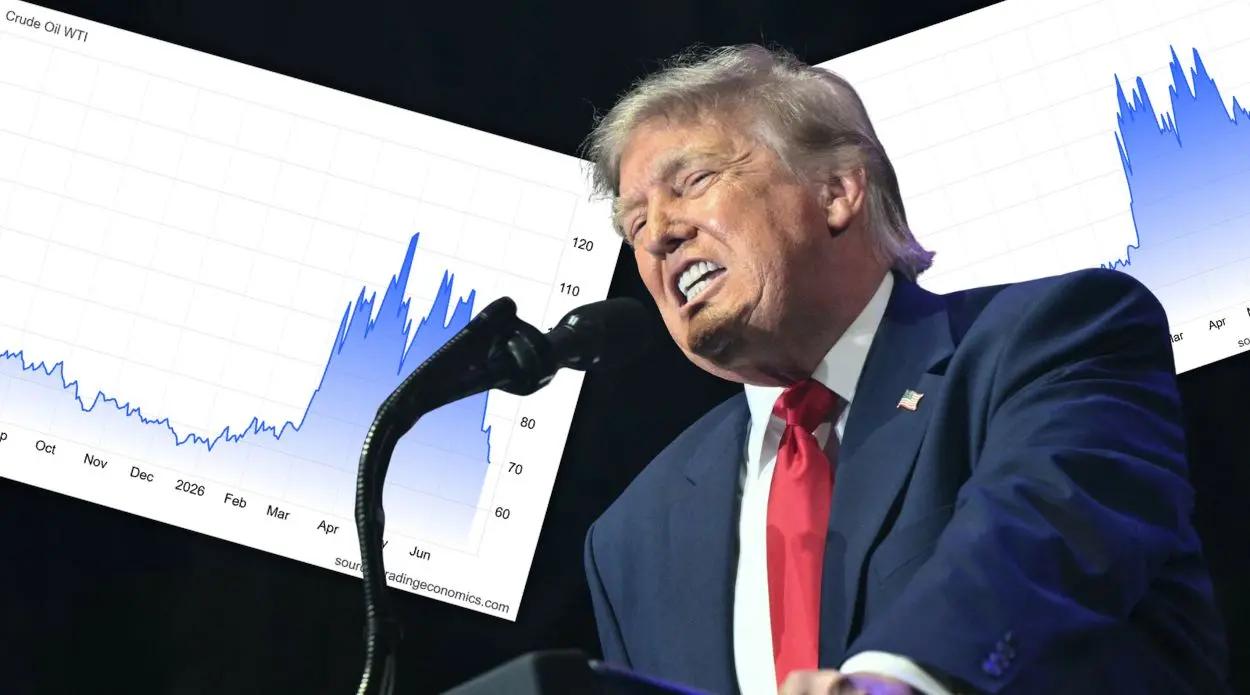
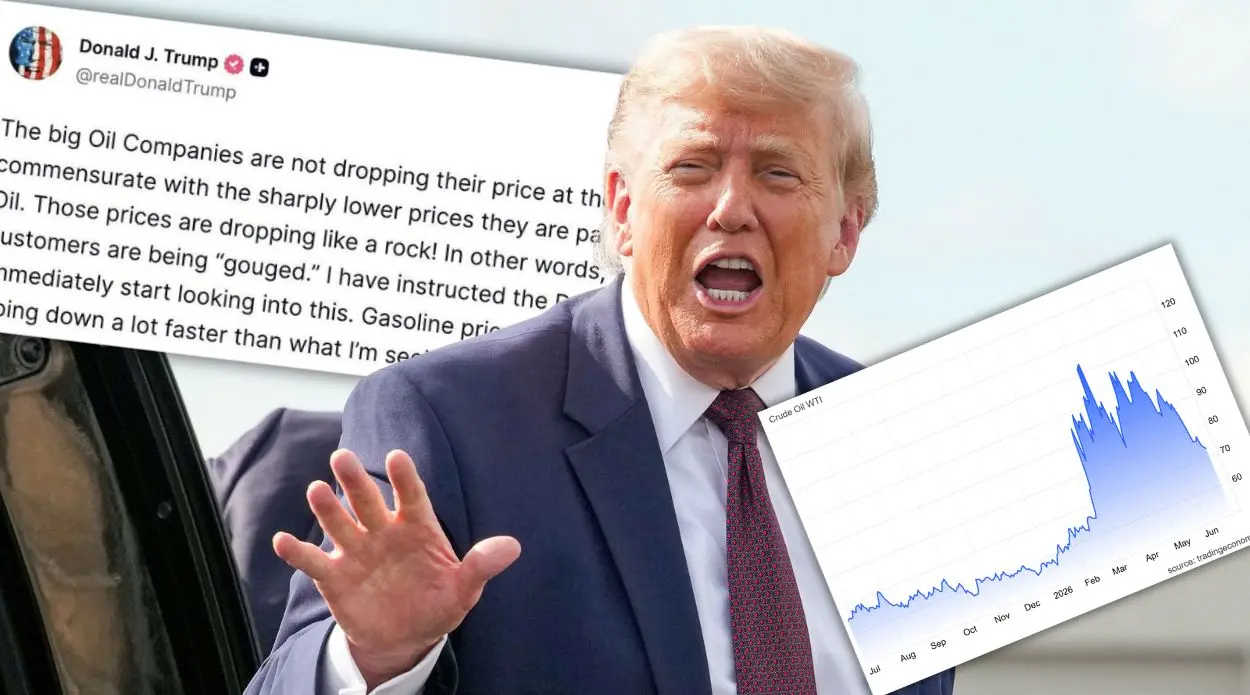
These topics are quite strongly linked. The war in the Persian Gulf, triggered by Americans, raises oil prices. Higher commodity prices translate into higher inflation. Higher inflation, in turn, requires rate hikes to curb it.
Reaction of other markets
While oil has been moving roughly in line with the dollar – when risk rises, oil and the dollar gain – the situation in other assets is more interesting. In recent weeks, both gold and cryptocurrencies have been down. The reason is the emergence of alternatives in the market.
Just a few months ago investors were looking for places to allocate capital because stable returns were set to expire. Today, expectations for target interest rates are rapidly rising. As a result, they are less willing to consider other options.
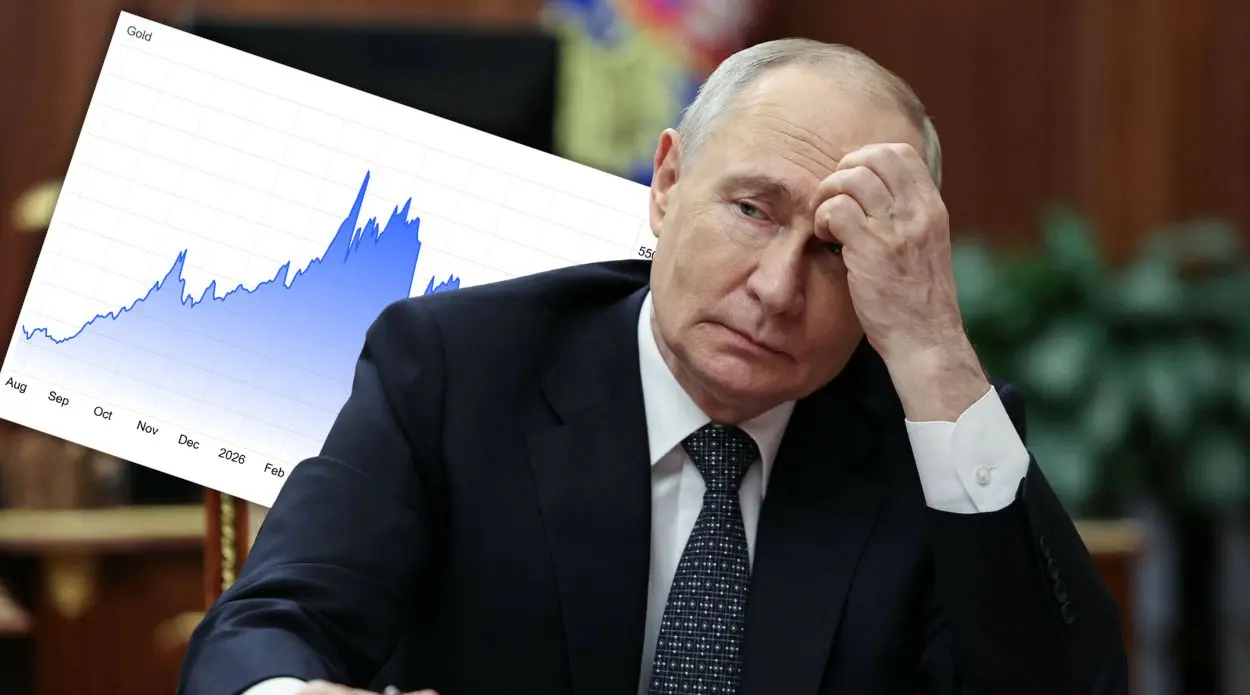
The effect is that gold, which not so long ago hit new records above 5,000 USD per ounce, is now hovering around 4,400 USD. Cryptocurrencies also face problems, as despite a rebound in April, we return to a downward trend. Investors increasingly prefer safer bonds, which, due to geopolitical tensions and expected rate hikes, pay better.
New Zealand keeps rates steady
Central bank decisions are currently fraught with significant risk. On one hand, inflation in many countries is rising above target levels, suggesting the need to raise rates to prevent runaway inflation. On the other hand, a large part of price increases comes from energy costs, mainly oil and gas, whose export was sharply reduced by the Strait of Hormuz blockade.
If the current rumors about a 60‑day memorandum prove true, there is a good chance that market prices will also move toward stability. New Zealand is in the same situation. The current rate level, if not for high oil prices, would require immediate action. However, it is also a risk. Ending this conflict will, however, cause expectations for rates to fall again.
Today’s macroeconomic calendar worth noting:
14:30 – USA – American income and expenses,
14:30 – USA – GDP,
14:30 – USA – unemployment benefit claims.
Maciej Przygórzewski – chief analyst at InternetowyKantor.pl