The White House, and specifically Donald Trump, does not intend to play diplomacy when voter sentiment before the November congressional elections comes into play.
Trump and Truth Social vs. Fuel Giants
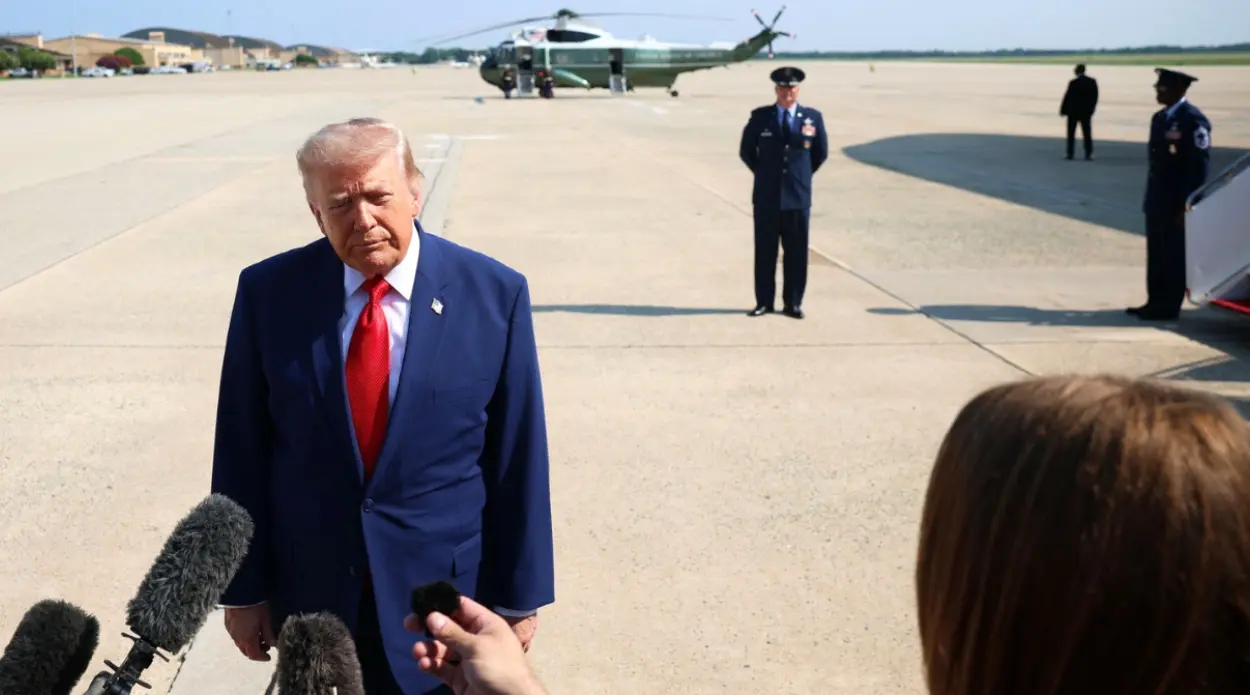
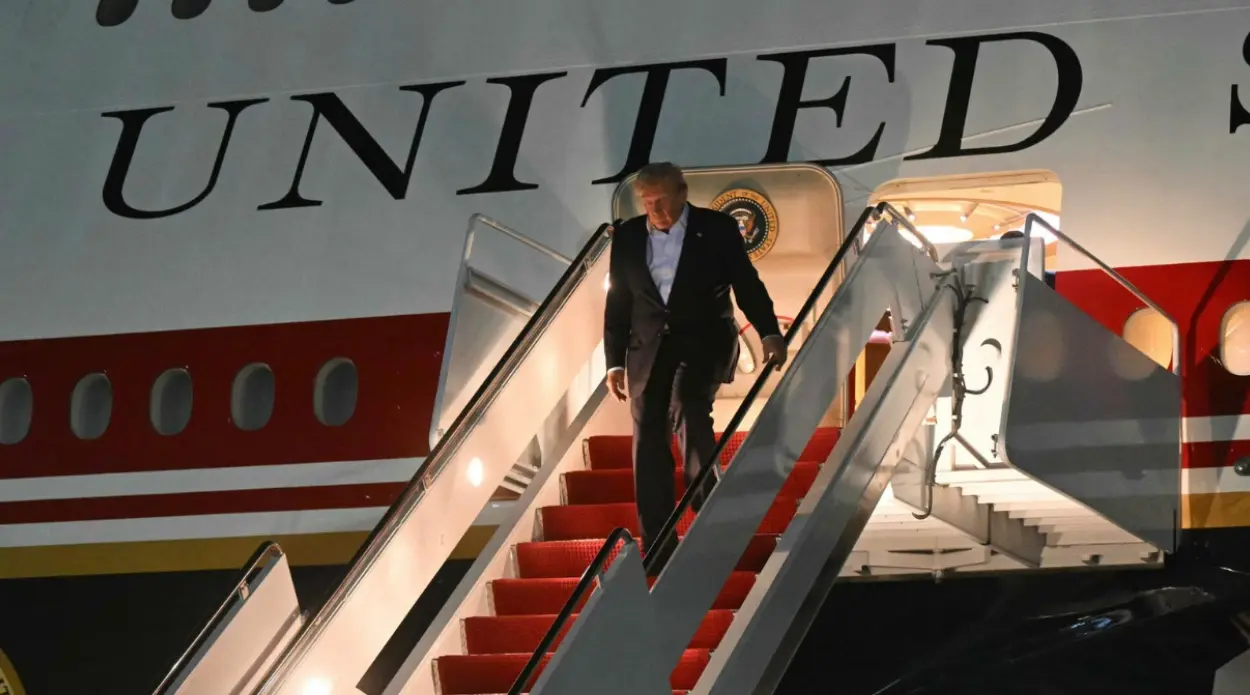
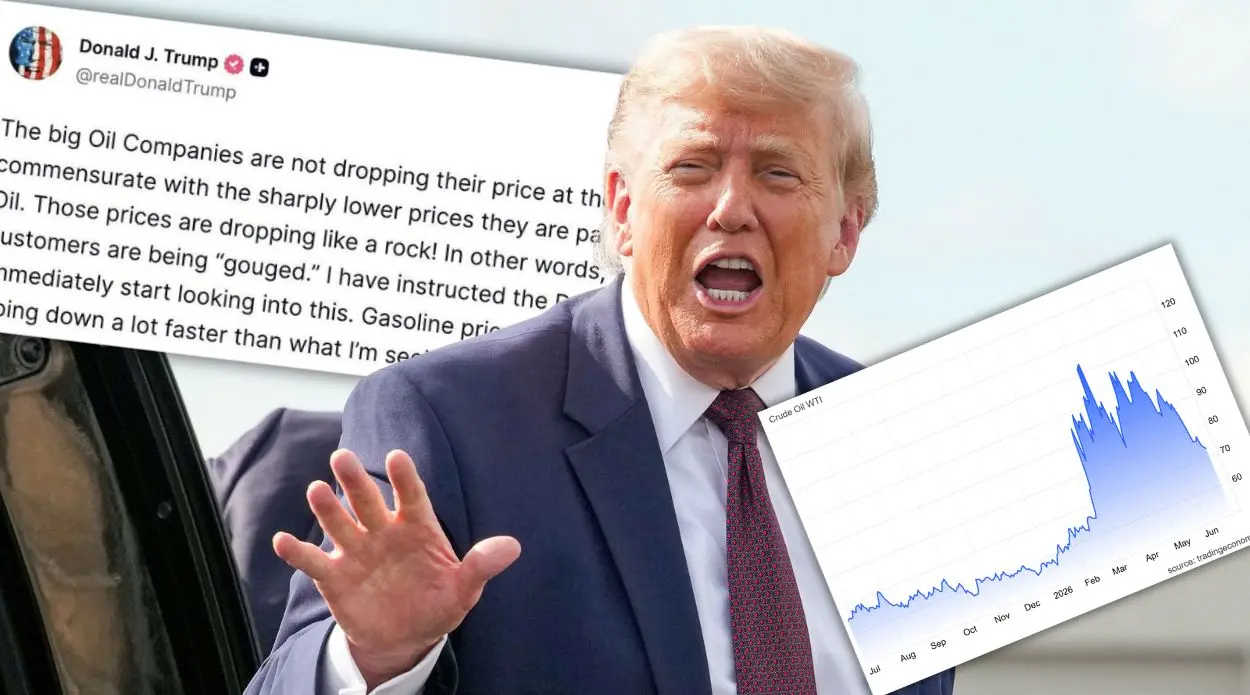
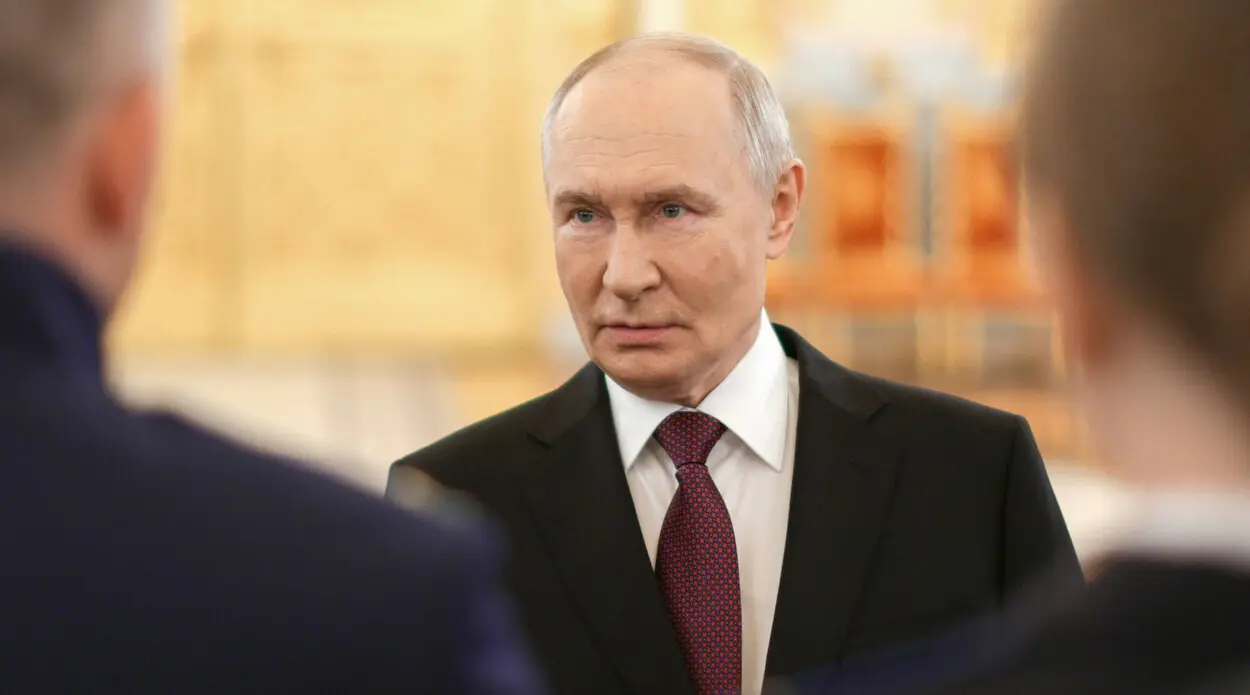
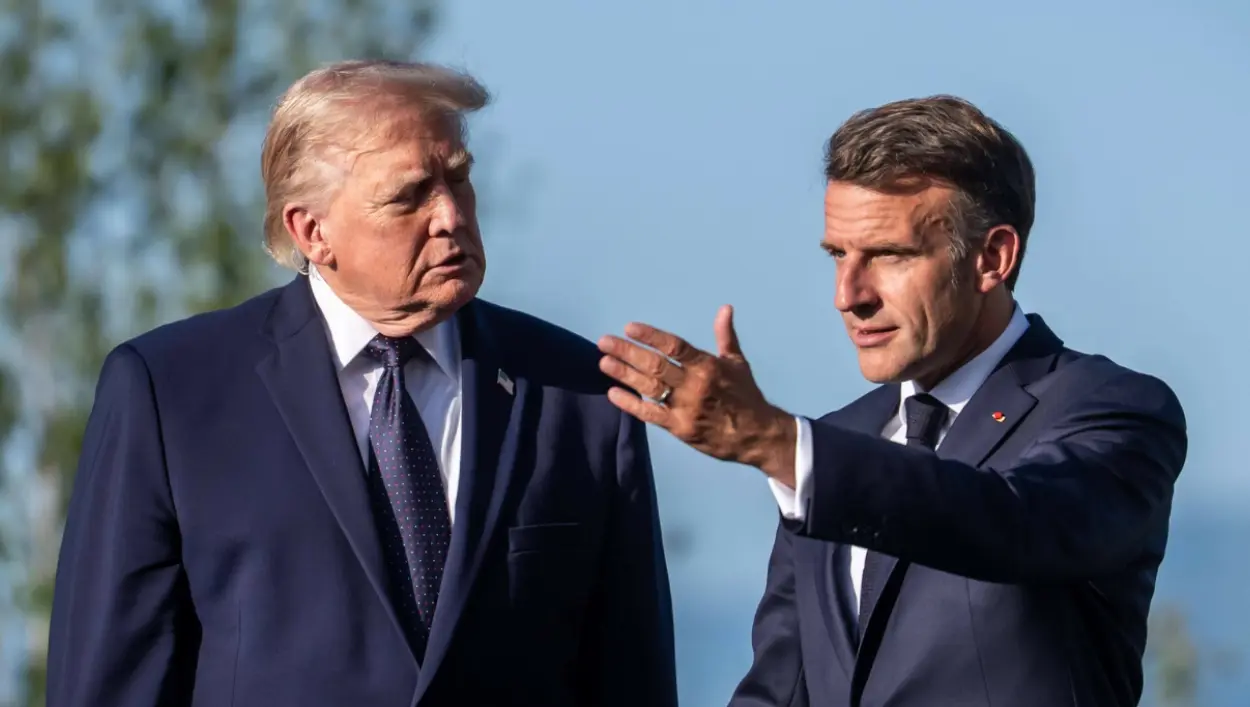
The President of the United States, via the Truth Social platform and a video clip on X, announced that he has ordered the Department of Justice to immediately launch an investigation against the oil conglomerates.
And it is not about anonymous conglomerates or generic big names, because the names of such powers like ExxonMobil and Chevron were mentioned. Trump accuses the corporations of ruthless pocket‑gouging citizens, i.e. the so‑called "gouging".
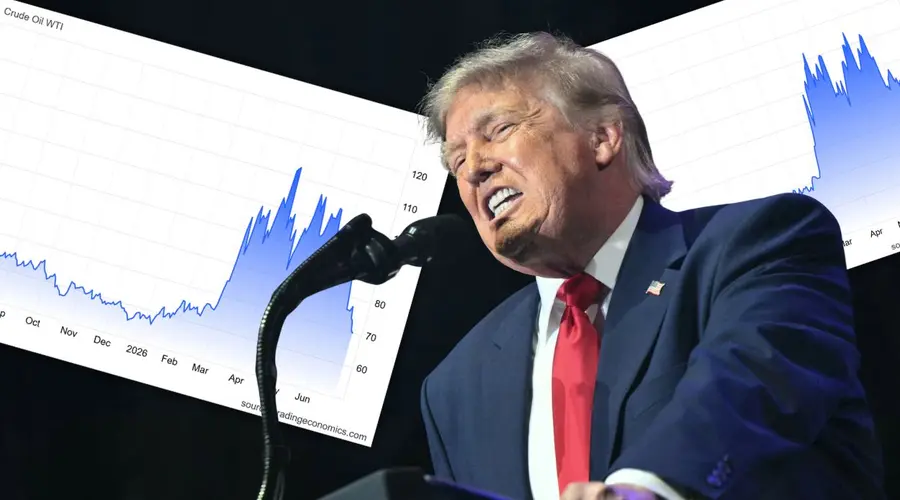
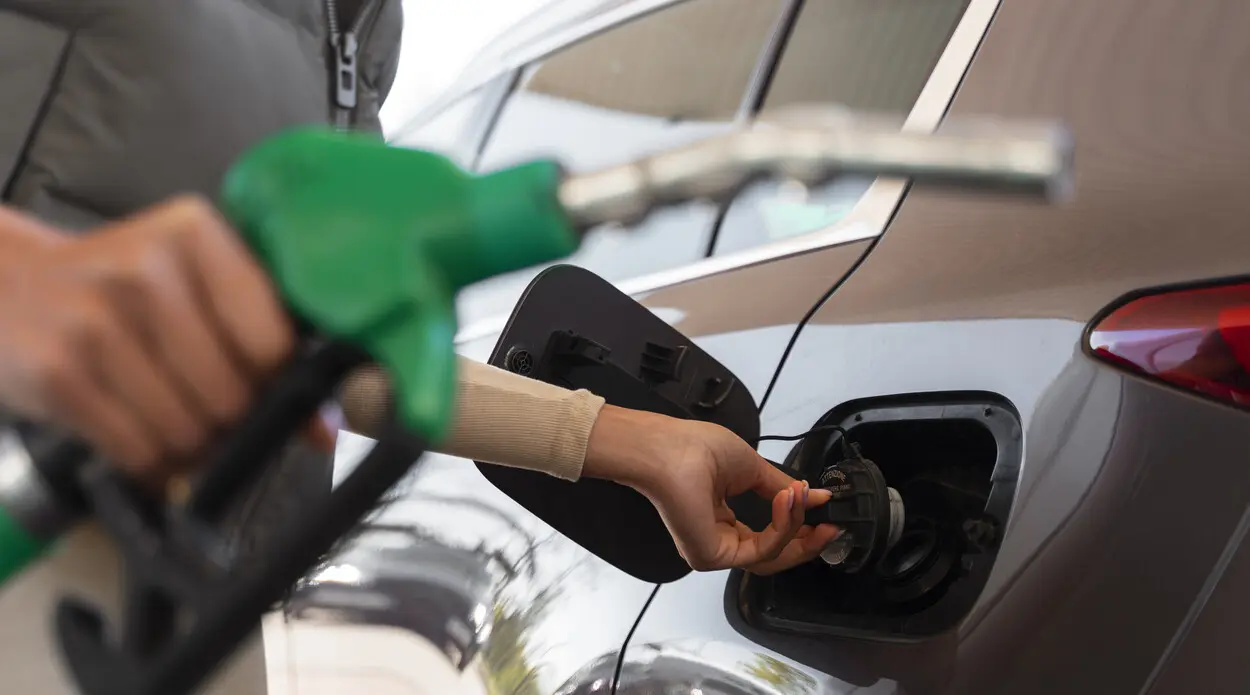
"Oil prices fell so much, and nothing is seen at the stations!", Trump thundered, emphasizing that wholesale commodity costs are falling like a stone, while retailers are slow to lower prices. The accused companies reacted immediately, albeit behind the scenes, both Exxon and Chevron refused an official comment on the matter.
Investors read these events as a clear sign that the energy sector is awaiting a hot political spectacle.
See also: Trump in Beijing. Nvidia shares will not escape the rally? The CEO of the giant counts on a US‑China agreement
Geopolitical Chaos and Hard Data from Distributors
To understand the friction on the Washington‑Wall Street line, we must go back to February. Then the US and Israel strikes on Iran triggered a gigantic geopolitical crisis, driving fuel prices to record highs.
Closing the strategic Strait of Hormuz, through which 20% of global oil supply flows, shocked financial markets. Only a recent diplomatic success, a temporary peace agreement between Washington and Tehran and the reopening of the corridor, brought tangible relief.
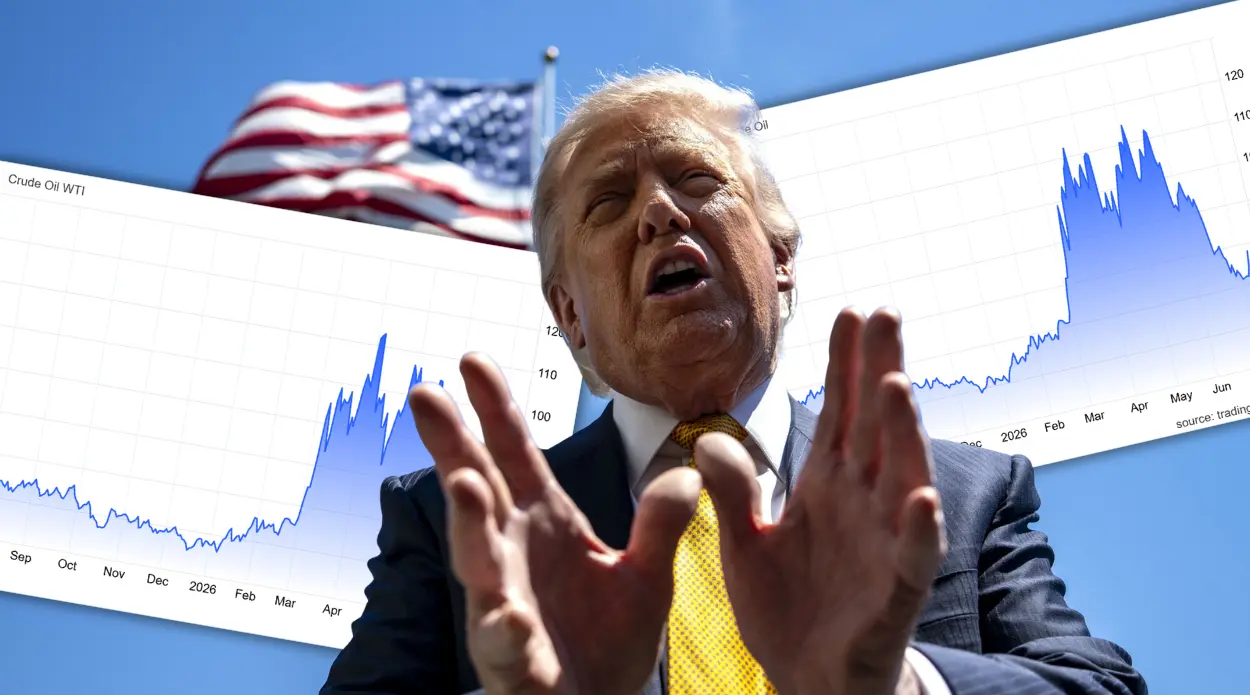
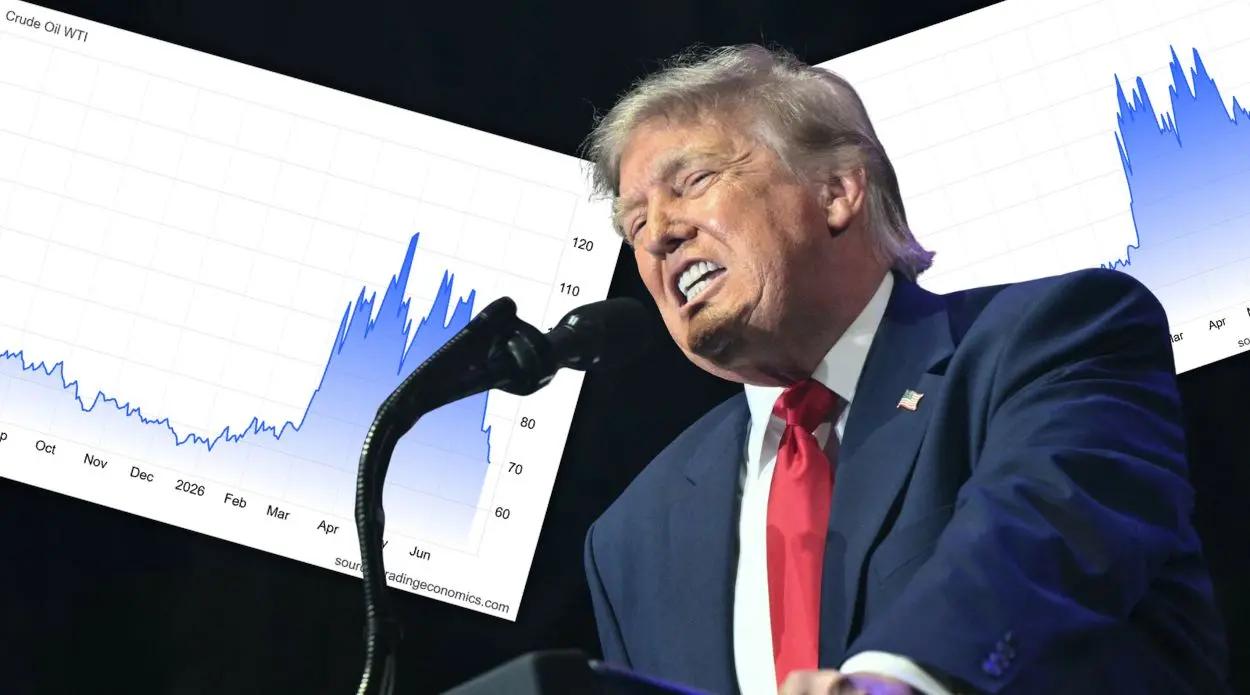
As a result, US oil prices fell by as much as 36% from the May peak. The problem is that drivers at American gas stations do not feel this improvement on a 1:1 scale.
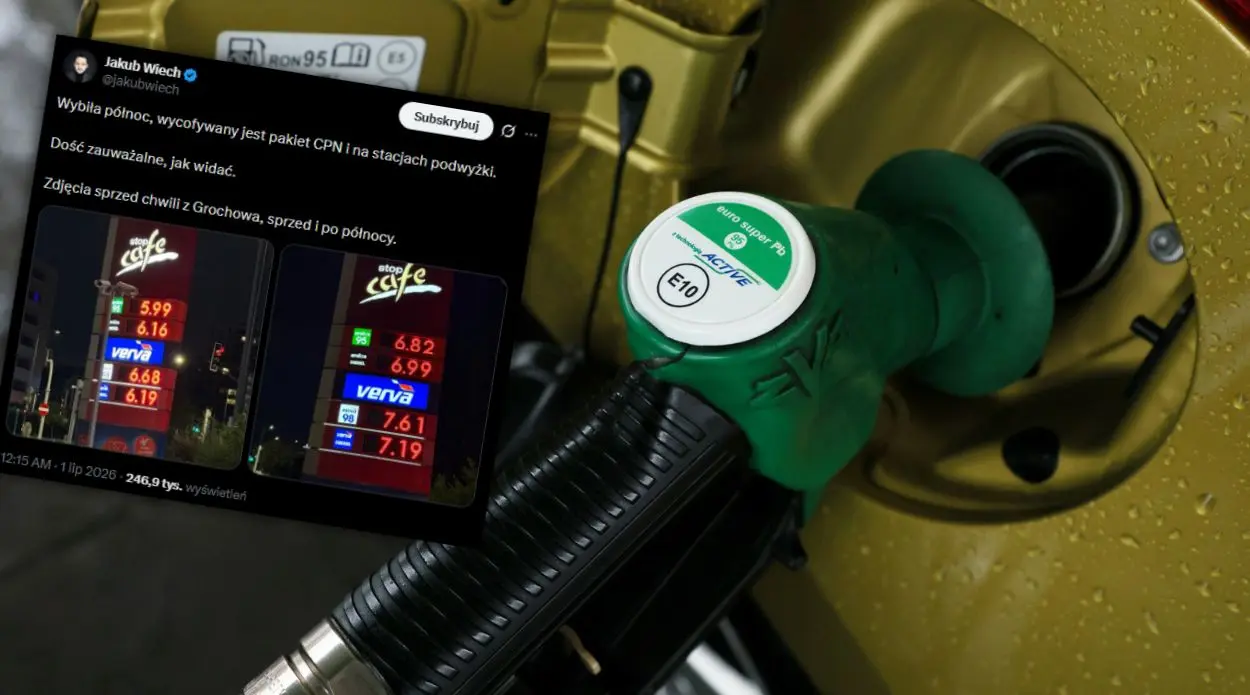
Indeed, the average price of a gallon of gasoline in the US has fallen for the sixth week in a row and is now 3,93 USD (a drop of nearly 14% from the May apex), but for Trump that is definitely too slow.
The US President reminds that before the conflict erupted in January Americans paid only 2,76 USD per gallon.
See also: Oil after $150 per barrel. Experts paint bleak forecasts. Fuel prices enter a "radical scenario"
The Stock Market in the Shadow of Politics
For stock investors, Trump’s move is a classic, though risky, populist maneuver aimed at protecting the fragile Republican majority in parliament.
High gas station prices are the main factor driving consumer dissatisfaction. Blaming "greedy corporations" is excellent electoral fuel, even if market realities are far more complicated.
The voice in defense of the oil sector has already been taken up by Bethany Williams, spokesperson for the American Petroleum Institute (API), an organization representing, among others, Exxon and Chevron.
API explains that gasoline prices never move identically with oil prices, especially during global turbulence that still destabilizes supply chains, refining processes and inventory levels.
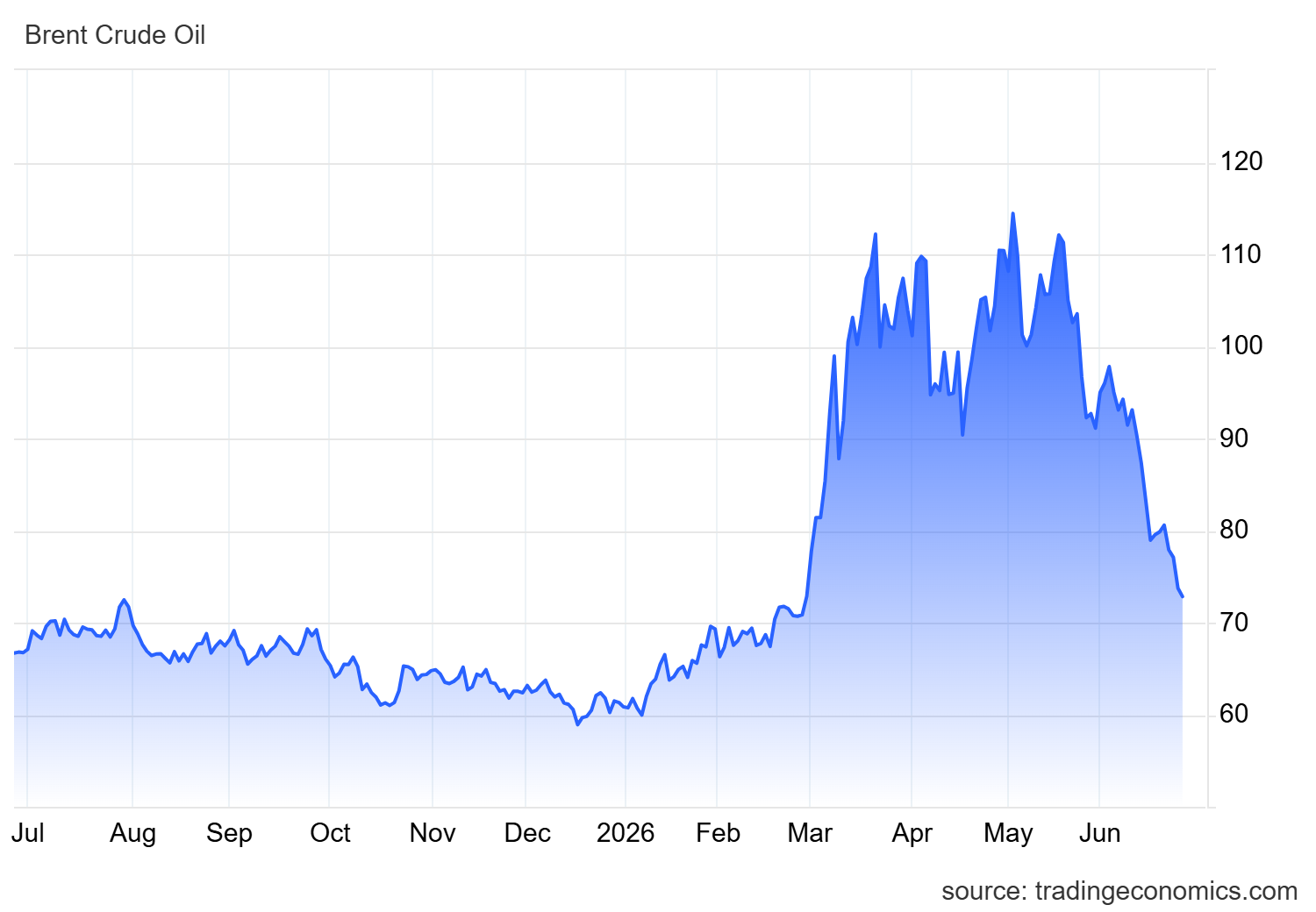
It is worth noting that oil prices and in this way the Brent barrel is on a discount of about 1,19% landing at 72,87 USD per barrel.
Chart. Brent crude futures contract price
Source: Trading Economics.
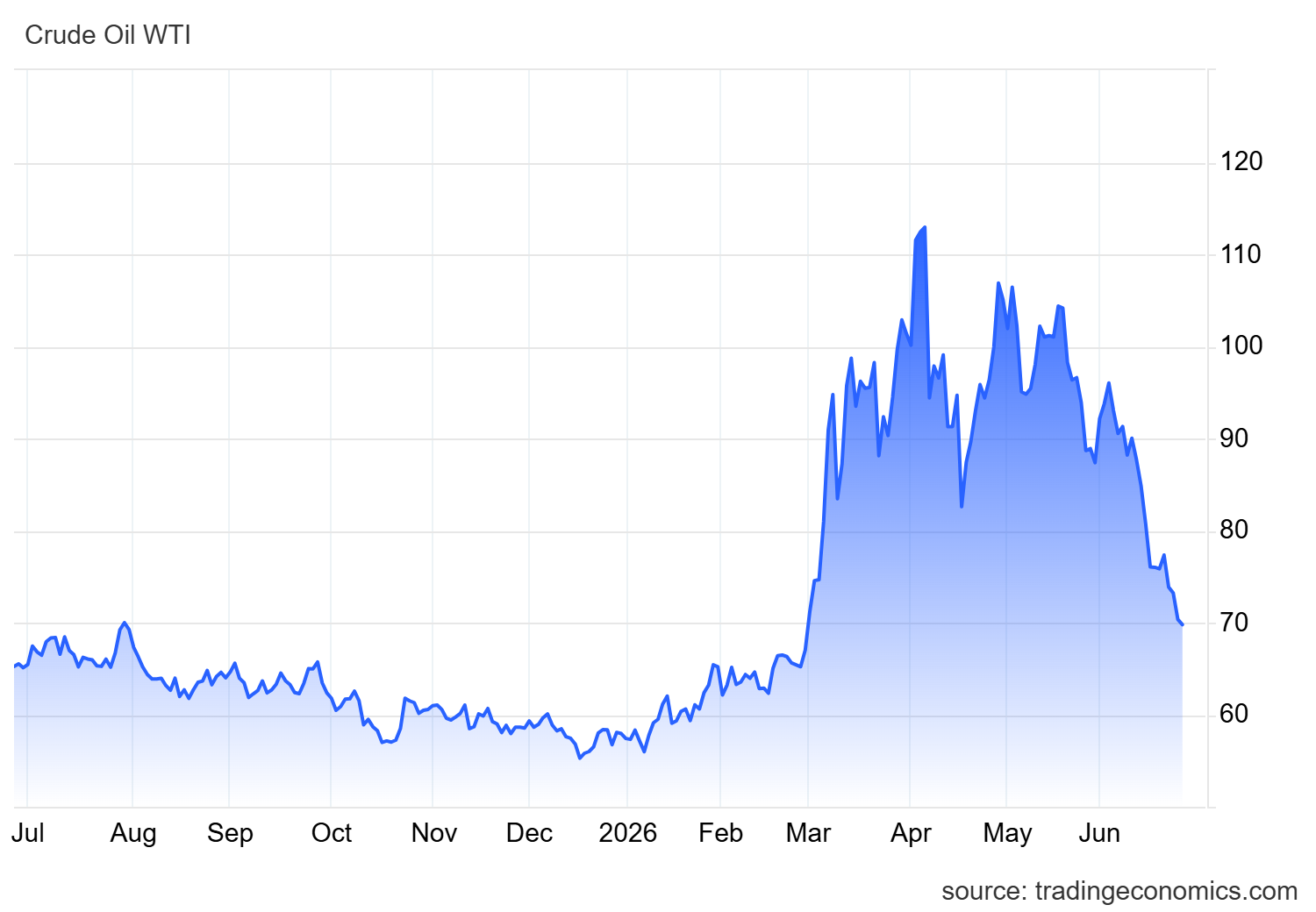
WTI crude price falls by 0,82% dropping to 69,66 USD per barrel.
Chart. WTI (West Texas Intermediate) futures contract price
Source: Trading Economics.
Chevron stock price fell by 2,57% to 171.45 USD at Wednesday’s close.
ExxonMobil was discounted by 2,03% to 136.90 USD.
See also: Oil market shock. UAE leave OPEC and OPEC+. Reuters warns of "chaos"
Source: Reuters.