The bank raises the alarm before the state sees the smoke
The most important change concerns who first detects the problem. Most reports go to the GIIF from banks and payment companies, while the administration and services send half as many. The roles have reversed: the private sector identifies suspicious activity, and the state receives a signal to act.
Analytical systems flag large transfers, series of cash deposits, and transfers to high‑risk countries. Therefore, questioning the source of money after selling a car or receiving a donation does not necessarily mean an accusation. It more often indicates that the algorithm detected a deviation from a typical client profile.
Account blockages were 11% higher, and the value of frozen funds rose by 15%. If reports were mainly driven by false alarms, these indicators would not have risen. Yet they do, so the system is working more often and more precisely.
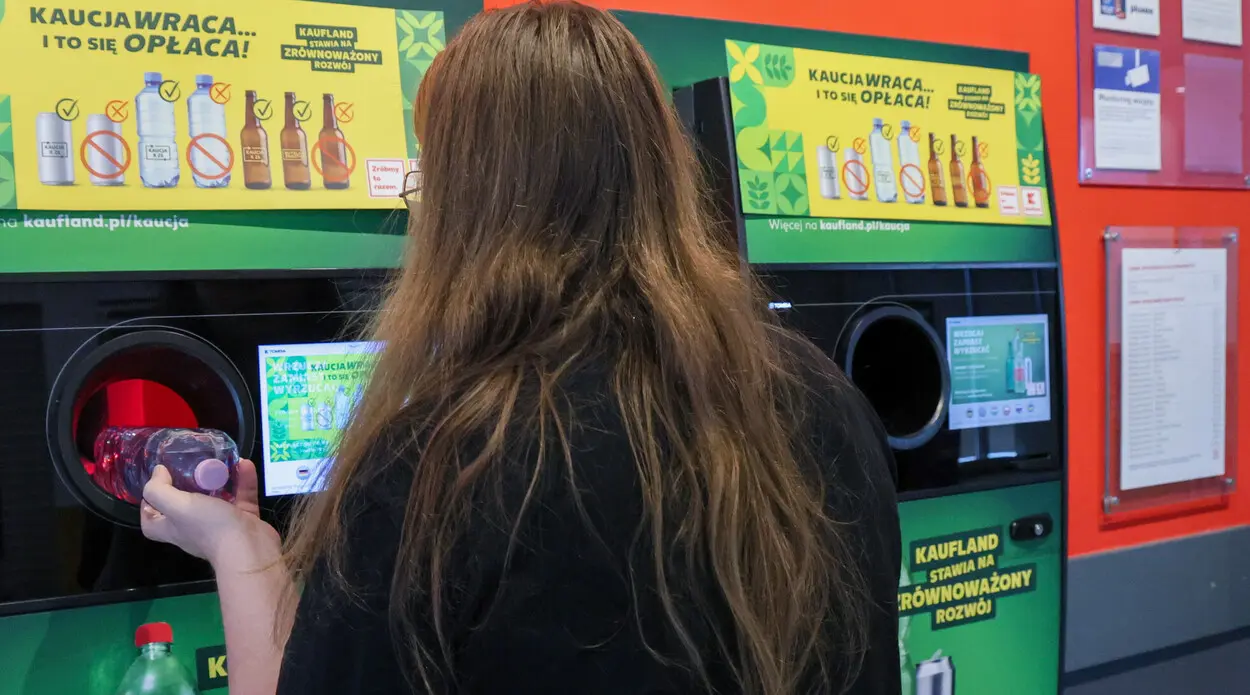
Cash disappears in a bitomat, but the scheme leaves a trail
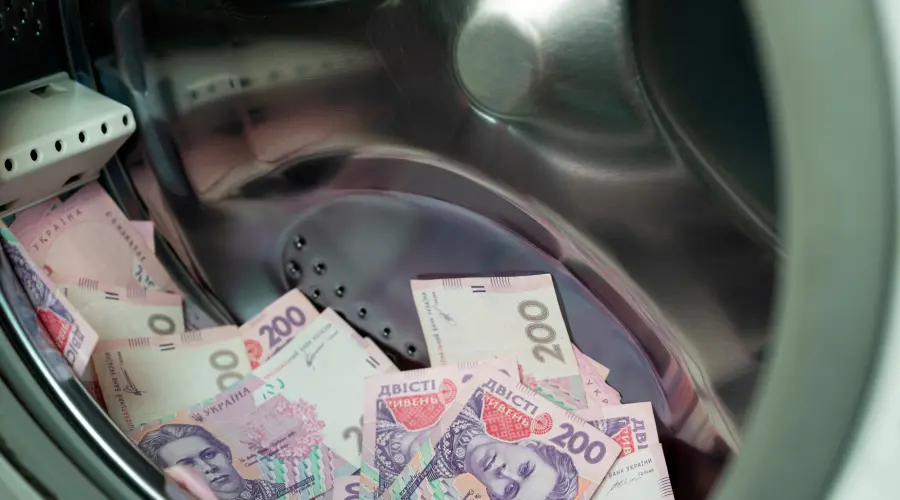
Money laundering is increasingly less like a suitcase of banknotes crossing a border. Today it may start with illegal drugs sold on social media, profits from tampering with tachographs, or fictitious invoices used to circumvent sanctions on Russia. Then the funds move into cryptocurrencies, intermediary companies, and foreign jurisdictions.
Bitomats are particularly significant. Their number rose from 291 to 328, and in Poland there are already 1,239 entities involved with virtual currencies. Cash turns into a digital asset without a traditional transfer and without equally strict origin control. That is why cryptocurrencies and online gambling have become a new battleground.
In 2025, the GIIF received 47,257 reports from foreign financial analytics units, 7% more than the previous year. A fictitious invoice can be created in Poland, pass through a company in another country, and end up as a transfer in a digital asset. Without data exchange, the services would only see a fragment of the puzzle.
Greater vigilance also hits the honest
Better tools, increased bank involvement, and growing awareness of threats increase the detectability of frauds that previously went unnoticed. Previously more flows remained invisible. Now a block appears faster, a request for documentation or a signal to the GIIF. A bank can halt a transfer based on a justified suspicion, without a judgment and without charges. The treasury has a similar tool. A document confirming a donation, car sale, or the source of a larger deposit therefore ceases to be a formality and becomes financial security.