Pause that does not calm
During Friday's session echoes of yesterday's decision in Frankfurt still resonate. The European Central Bank, as expected, did not change interest rates on Thursday, leaving the deposit rate at 2.25%, the main refinancing rate at 2.40%, and the credit rate at 2.65%. At first glance it seemed like a decision without history, but Christine Lagarde's conference did not give the market full comfort. The ECB emphasized that it closely monitors the scale and duration of the current energy shock and its indirect impact on inflation.
This is important because energy prices remain clearly above pre‑Middle East escalation levels, and Europe knows well that its inflation often starts not in Frankfurt but in the commodity market. Lagarde did not announce a September hike, but also did not do much to reassure the market about that scenario.
As a result, the pause looks more like buying time than ending the discussion. The ECB held its hand, but it has not yet put the inflation problem on the shelf.
Oil and tariffs scare inflation again
Markets have not yet fully digested yesterday's ECB pause, and have already received two more reasons not to close the inflation topic. The first remains the Middle East, where the escalation of the U.S. and Israel's war with Iran again pushed oil near the psychological barrier of $100 per barrel. The commodity itself is not the only problem.
Higher energy quickly translates into transport, production, and inflation expectations, exactly where central banks would like to see calm. The second impulse is new U.S. tariffs.
The Donald Trump administration introduced 10% and 12.5% rates on goods from 60 trading partners, including the EU and China, replacing the expiring temporary global tariff. Officially it is about fighting forced labor, but for the market the price effect and retaliation risk matter most. In practice we get a mix that central bankers especially dislike: higher energy, higher trade costs, and less certainty that inflation will calmly return to target.
PMI helps, yields hinder
Today's PMI readings try to slightly improve the picture after yesterday's ECB pause and further inflation fears. The industrial sector looks especially good: the German PMI rose to 52.2 points, clearly beating expectations, and the index for the entire euro zone rose to 52.0 points. This suggests that the European economy not only does not break under the weight of higher financing costs, but in some places even starts to breathe. The problem is that good data for the bond market are not always good news.
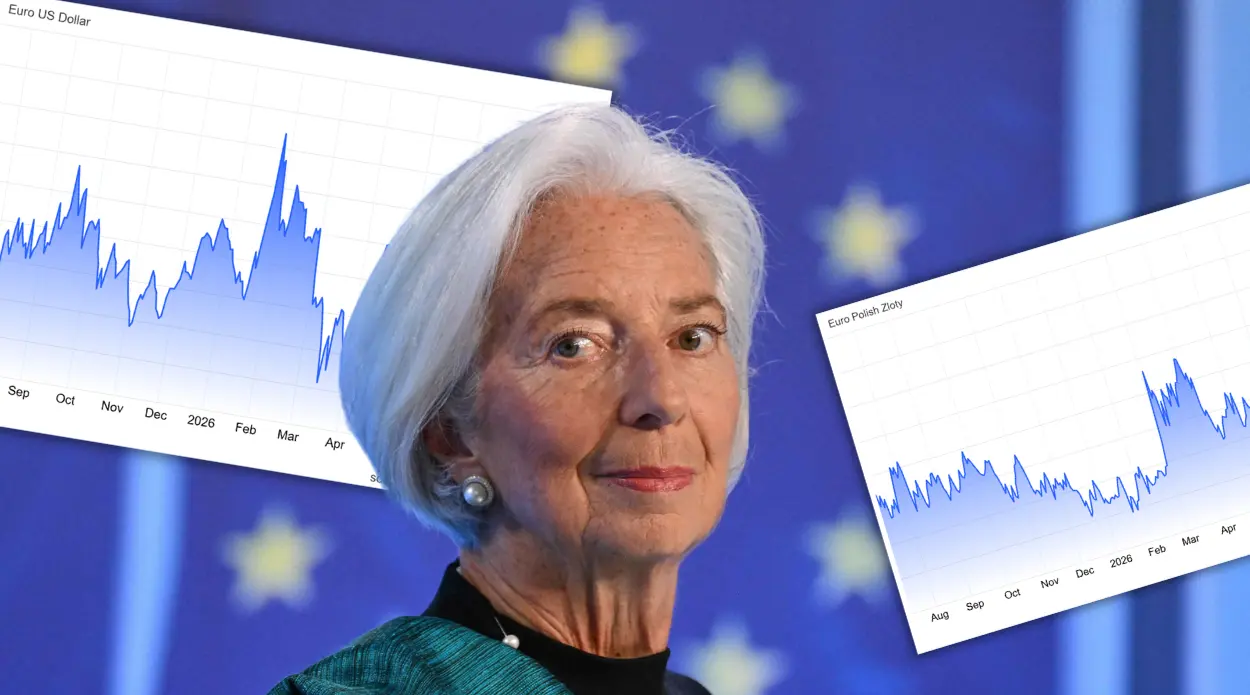
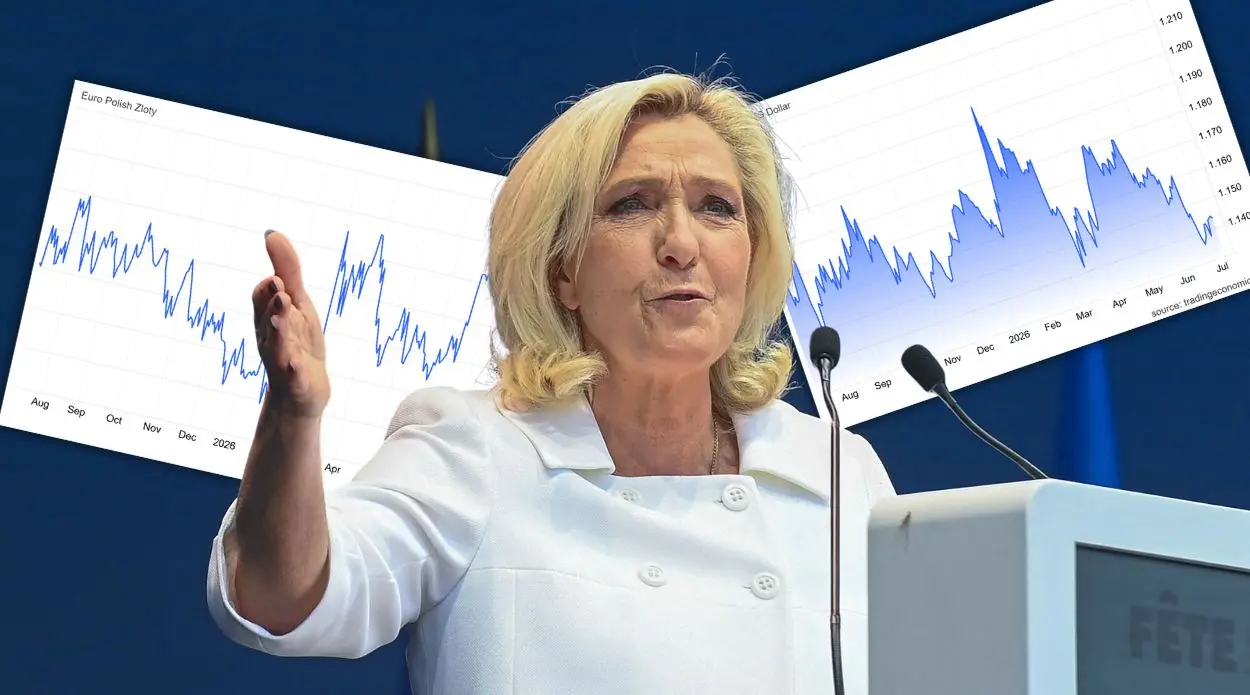
Stronger activity, higher oil, and new tariffs make a rapid decline in inflation difficult, so debt yields rise again, especially painfully visible in Polish papers. The zloty remains under pressure. The euro costs about 4.325 PLN today, the dollar stays at 3.80 PLN, and EURUSD falls to around 1.1385. The data help sentiment, but not necessarily the currencies of countries that have to pay more for debt financing.