Dollar Strength and Metal Undervaluation
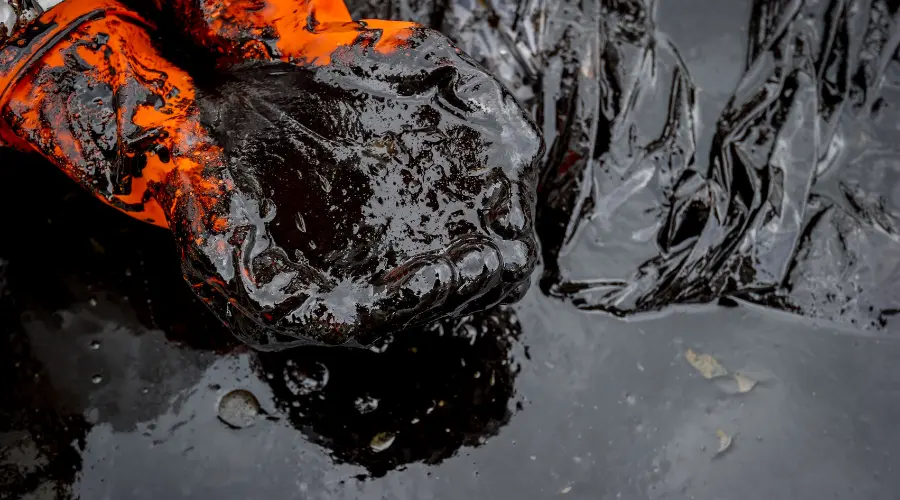
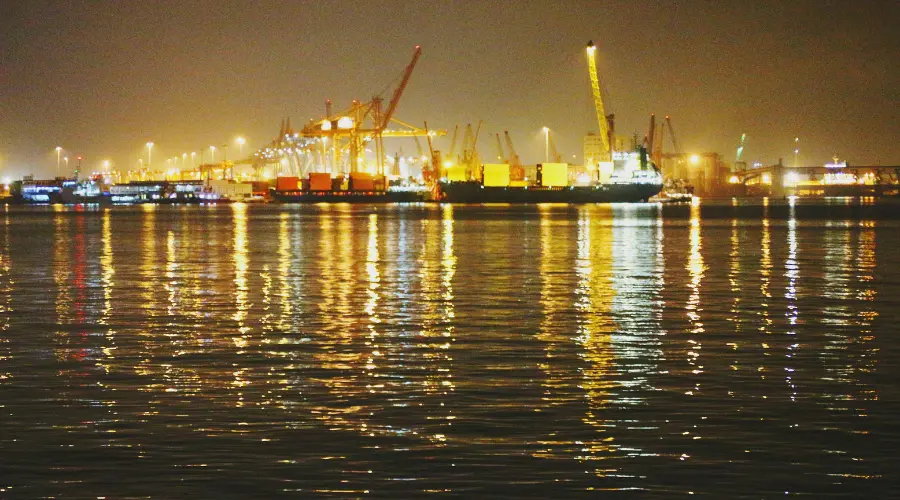
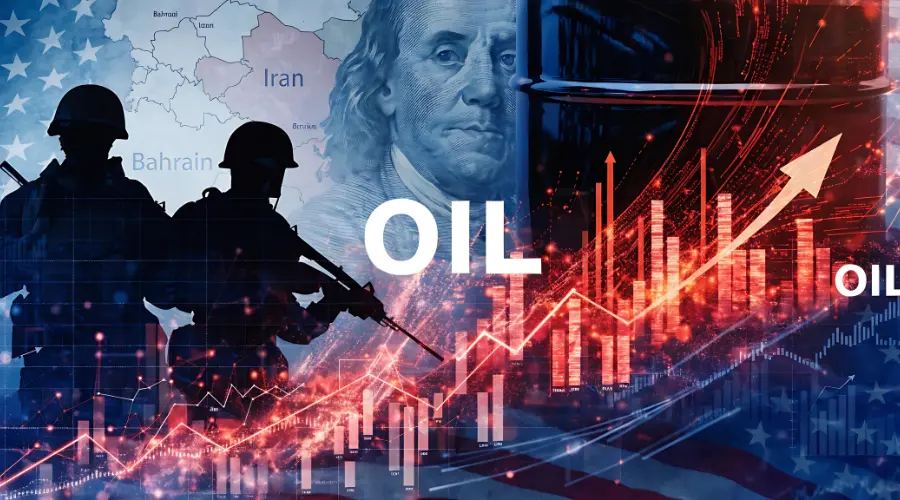
From the end of the session perspective, it is clear that from the morning the base markets were playing against bulls, operating in the context of tightening conditions in the Middle East, where the closure of the Strait of Hormuz was joined by the closure of the Bab-el-Mandeb Strait leading to the Suez Canal. In practice, two key trade routes linking the Middle East with Asia and Europe were shut down for freight transport, including oil, which resulted in a price increase of WTI and Brent contracts by over 5 percent.
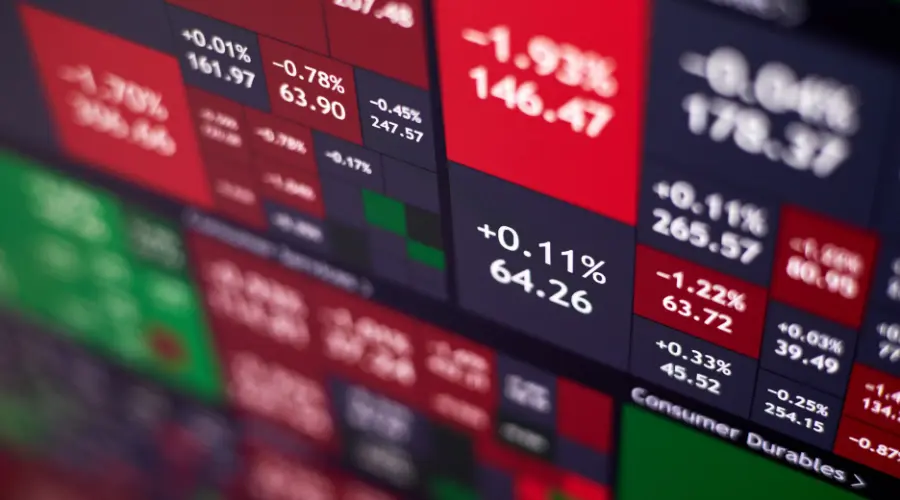
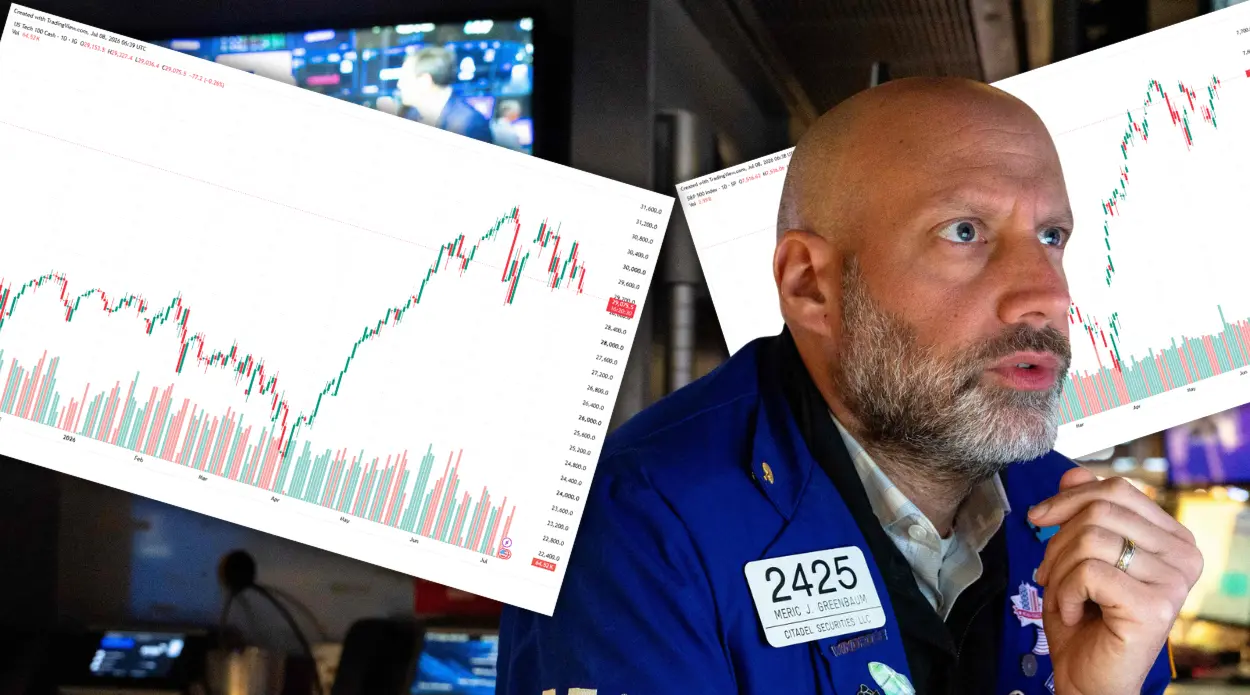
Demand was also hampered by the dollar’s strength and the associated undervaluation of metals. In the final, supply was supported by declines on Wall Street, where markets could not rally on the quarterly results of Alphabet and Tesla. The emerging balance of forces met the classic response of the Warsaw Stock Exchange.
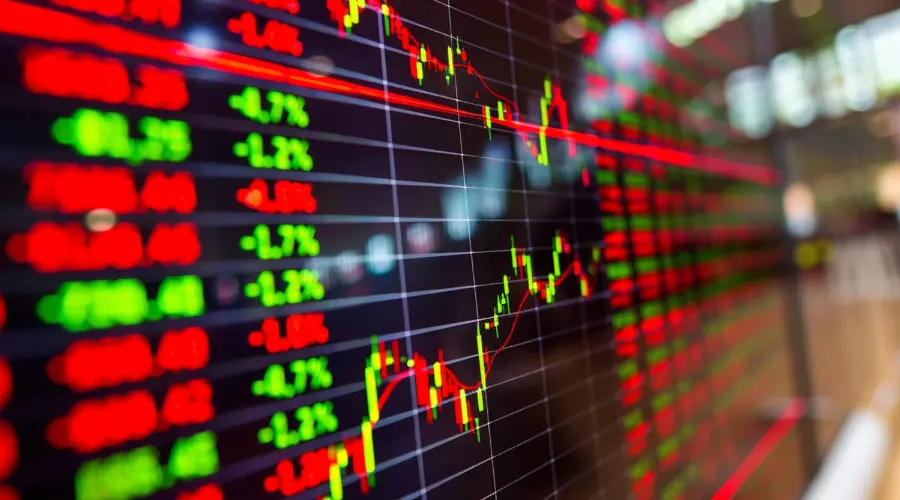
WIG‑Banks down 1.64%
The increase in risk aversion and pressure from almost every direction caused banking companies to perform poorly, with the WIG‑Banks index falling more than the market and losing 1.64 percent.
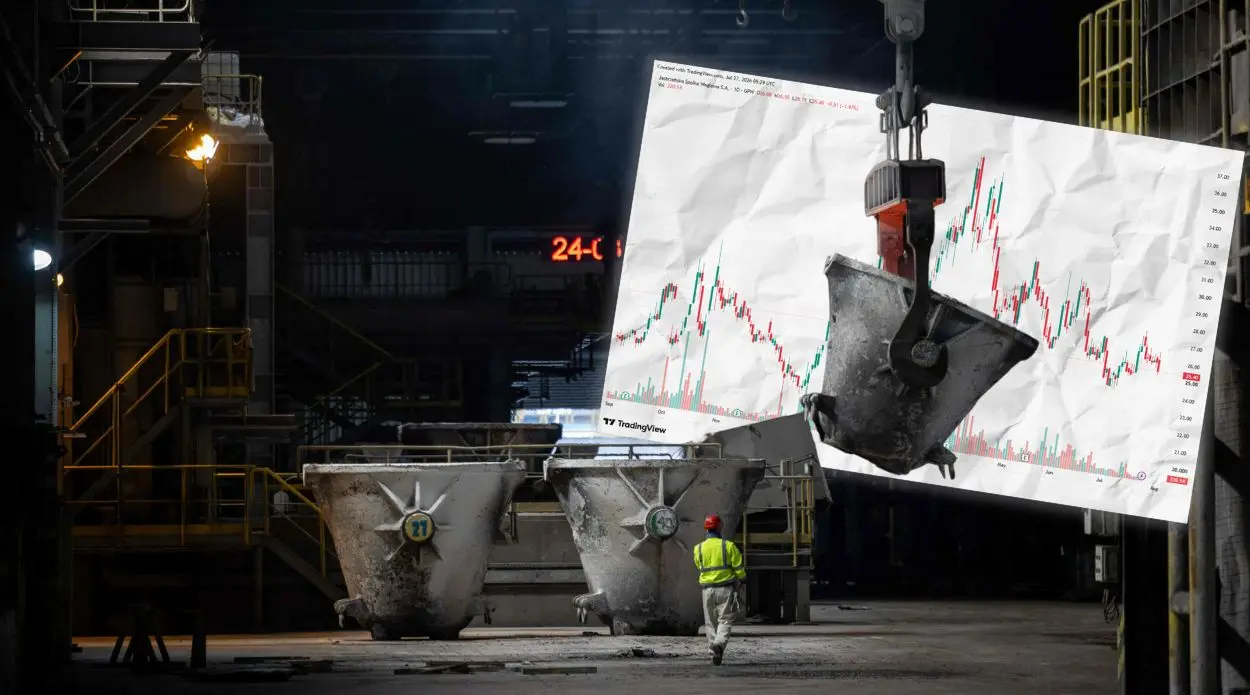
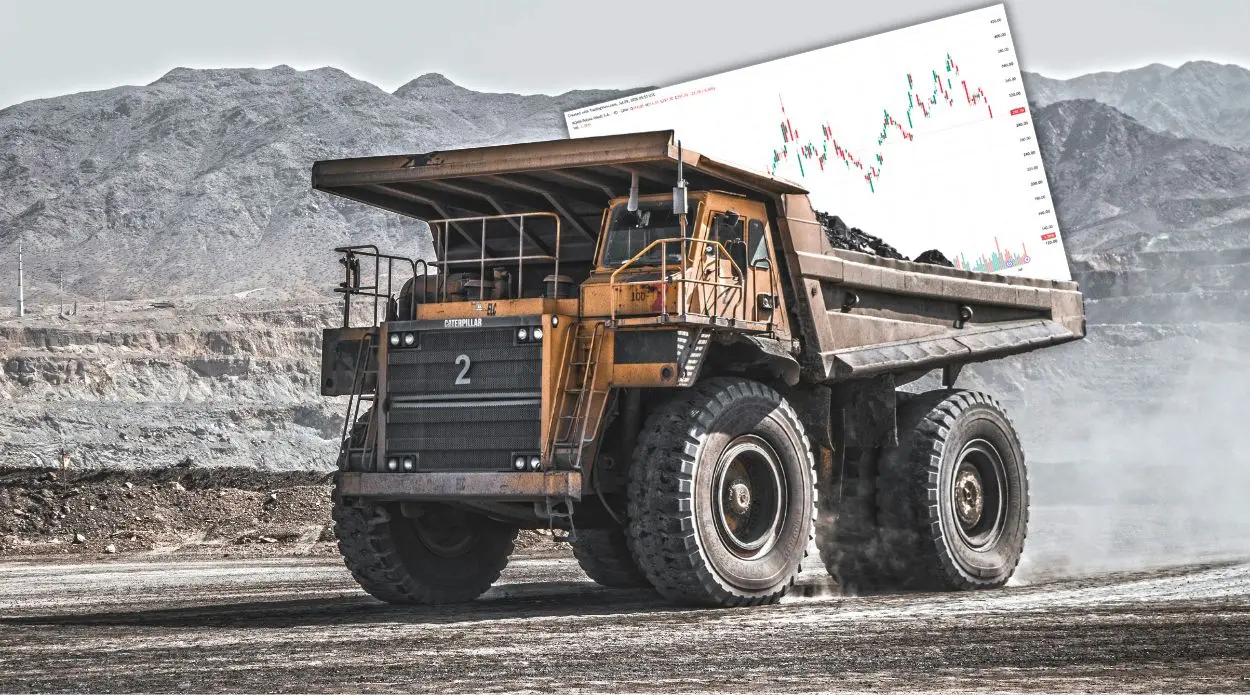
Metal undervaluation cast a shadow over the stocks KGHM, which lost 3.97 percent.
Finally, Orlen benefited from rising oil prices and gained 2.62 percent. From a technical perspective, the session can be divided into a morning consolidation under resistance around 3900 points and a pullback that strengthened resistance and highlighted yesterday’s balance between supply and demand as it approached 3900 points.
Assessing today’s weak buying near 3900 points, it is not worth losing sight of the fact that the decline occurred under pressure from the surroundings, when local variables seemed to be moving more toward the expected consolidation of WIG20 near the psychological barrier that has already turned into technical resistance.
In practice, the future of resistance—the last barrier on the path near 4000 points—seems to depend on the behavior of broadly understood base markets, from equities to commodities to currencies.