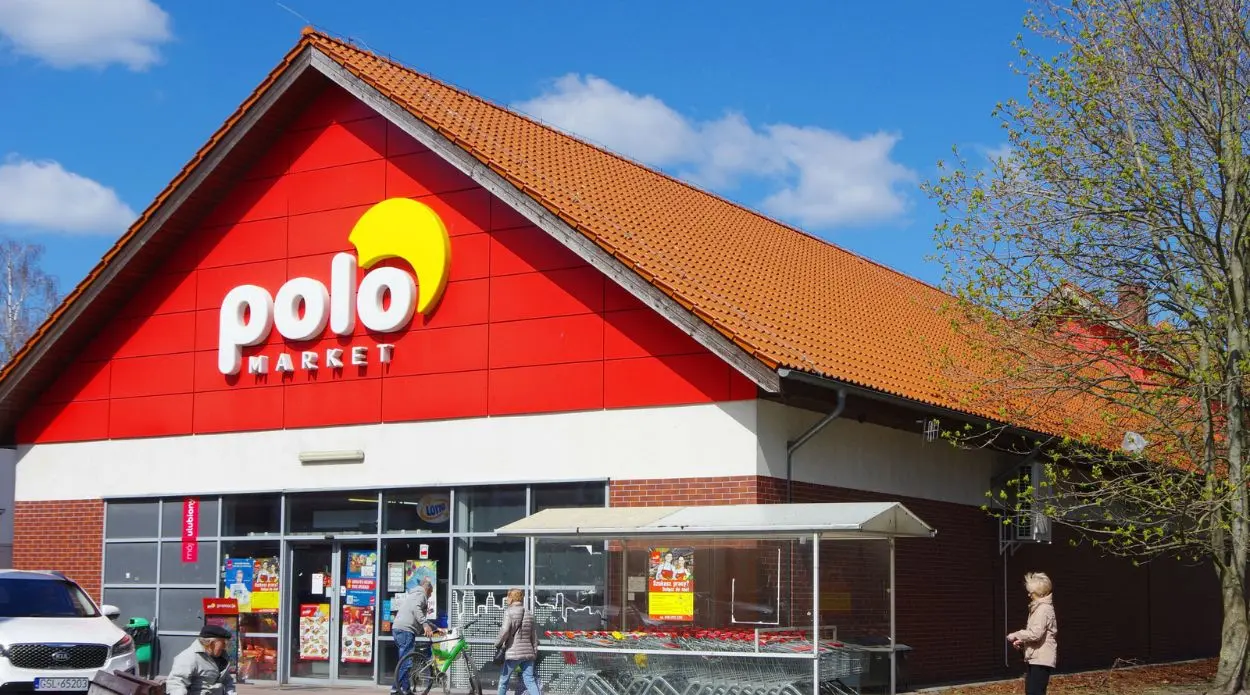
POLOmarket decided on an extremely aggressive and strategic move, starting the implementation of a comprehensive price policy management system.
Algorithmic arms race on the Polish playground
Together with the respected Czech company Yieldigo, the homegrown supermarket chain is implementing an advanced Regular Pricing module. This system is intended to optimize and standardize price positioning in over 280 retail locations across the country.
However, this is just the beginning of the Polish player's technological expansion. Dawid Marciniak, head of the Controlling and Analysis Department at Polskie Supermarkety Sp. z o.o., assures that precise setting of regular prices is only an introduction to broader possibilities that artificial intelligence will offer.
In subsequent stages, the system will cover dynamic planning of promotional actions and automatic deep discount management.
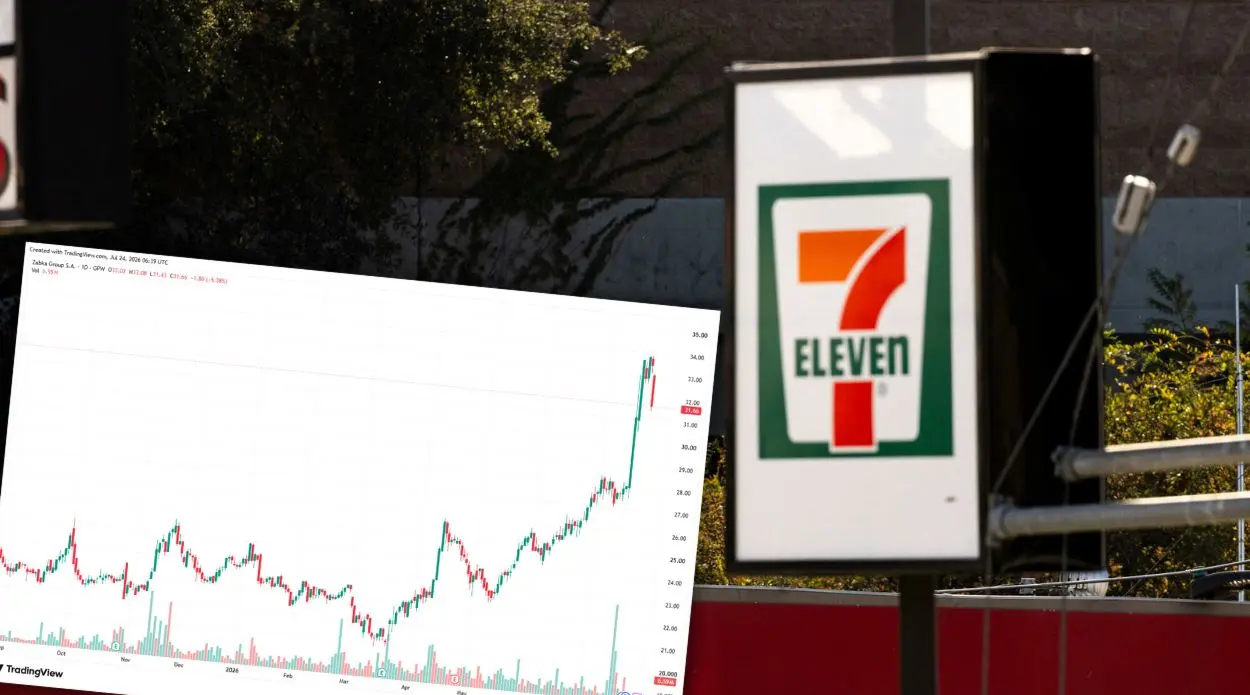
Stock market analysts and retail sector observers note that POLOmarket has the potential to become a market powerhouse similar to the impressive growth of the Dino network, but tailored for the digital age. Only a suitable technological spark was missing, which has now been delivered.
See also: Zuckerberg under fire! AI was supposed to identify sick and pregnant women for layoffs
Dynamic discounts and a digital freshness sensor
Many consumers still associate digitization in retail solely with self‑service checkouts or simple annual sales analytics. Modern AI systems, however, delve much deeper into the mechanics of store operations.
They can scan inventory levels in real time, predict local demand for specific assortments, and even meticulously monitor the shelf‑life dates of individual product batches.
For the average customer this means tangible changes right on the shelf. Products nearing their expiry date will be moved to clearance faster, more efficiently, and more precisely. The algorithm is not subject to human factors, meaning it will not get tired, miss hidden stock in the backroom, and can react instantly.
Prices can change not only in the traditional weekly flyer cycle but also dynamically during a single day. Fresh bread costs the full price in the morning, and in the afternoon the system automatically lowers the price by several dozen percent to clear shelves before closing.
See also: Amazon and Alphabet at records, Meta and Microsoft lagging. Wall Street picks AI winners
Western standard hits Polish shelves
The solutions that POLOmarket is currently implementing in Poland, Western European markets, and the USA (where annual retail‑tech spend reaches hundreds of millions of USD) represent the market standard. French giant Carrefour has been integrating electronic price tags with advanced predictive analytics for years.
In Germany, the well‑known chain REWE equipped over 1,000 stores with digital price tags. In our domestic market, Lidl and Biedronka followed a similar path, introducing electronic tags in all their locations. Without this type of infrastructure, efficient AI price manipulation would be an operational nightmare.
Automation of pricing processes triggers understandable extreme emotions. Will an algorithm focused on margin maximization become too zealous? The risk of dynamic price hikes during peak traffic hours is a vision that worries many shoppers. Customers also experience concerns about potential monitoring of their individual purchasing behaviors.
Dynamic pricing, i.e., setting prices for each consumer, is an increasing problem in the USA, where in some cases price differences for the same product or service can reach up to 30%, and the price set by the algorithm is determined by the consumer's daily choices.
It is worth noting that the PlayStation brand has also tested such solutions; players noticed that the price of a game in the PS Store differed from the price visible on another account or from other players.
The main question regarding POLOmarket's AI strategy remains whether the algorithms will actually work in consumers' favor, lowering costs where possible, or will mainly serve as an absolute tool for generating record profits.
See also: Nvidia stocks - what's next? Financial results and forecasts key for Wall Street
Source: Bezprawnik.