The ticket existed. The system saw a gap‑walker
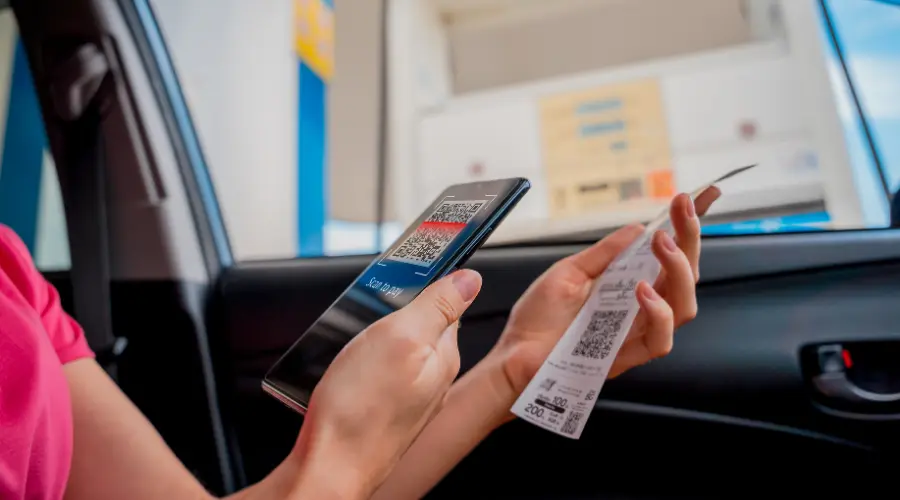
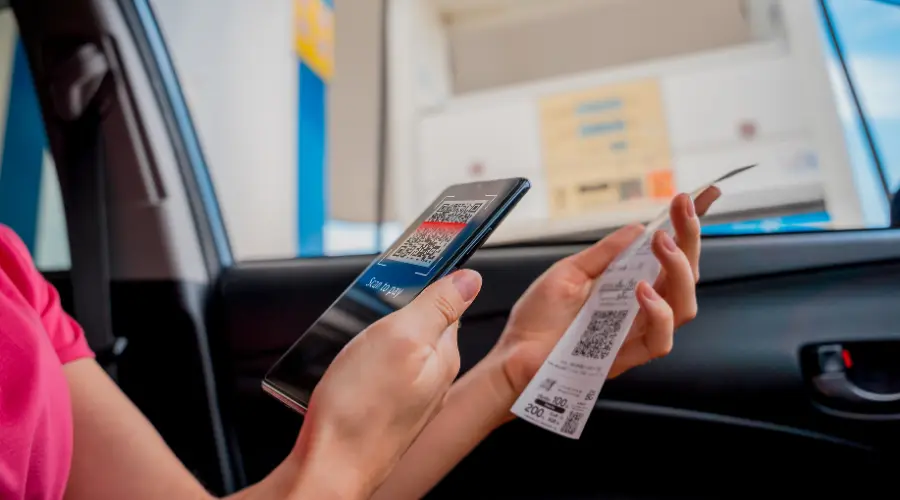
On July 23, Mai bought a discounted ticket in the app for 2.70 PLN. She had a school ID and was convinced she had chosen the correct fare. During the check she heard, however, that she should pay 3 PLN on that route.
She did not try to ride for free, did not hide from the inspectors, and made a simple human mistake.
The mistake of 30 cents was treated by the procedure as a lack of a valid ticket. The result was a 350 PLN additional fee plus 3 PLN for the ride, totaling 353 PLN.
The passenger paid, but chose the wrong variant. Instead of a surcharge or a warning, a penalty more than a thousand times the missing amount appeared.
The regulation won, reason stayed at the stop
Mai’s father stresses that the worst was not the money. The most painful was the call from his daughter; embarrassed, frightened, and convinced she had done something seriously wrong.
The ticket check turned into a situation whose weight clearly exceeded the weight of the offence.
The rules are meant to protect the carrier from people who deliberately avoid payment.
The girl did the opposite: she bought a ticket, presented a document confirming the discount, and acted believing she was doing the right thing.
A good app does not set traps
The case also shows the responsibility of the sales system. If the app allows buying a ticket that is incorrect for a given route, it should guide the user more clearly to the correct option.
A warning or automatic fare adjustment could turn a costly mistake into a simple correction before payment.
Internet users quickly sided with the family.
One of the commenters described a nearly identical case of her son, a ticket cheaper by 30 cents, a 350 PLN additional fee, and a rejected appeal.
This suggests it is not just a single incident, but a mechanism that could affect future passengers.
Mai’s father does not seek leniency for riding without a ticket. He appeals for proportion, empathy, and a distinction between deliberate avoidance and a minor mistake.