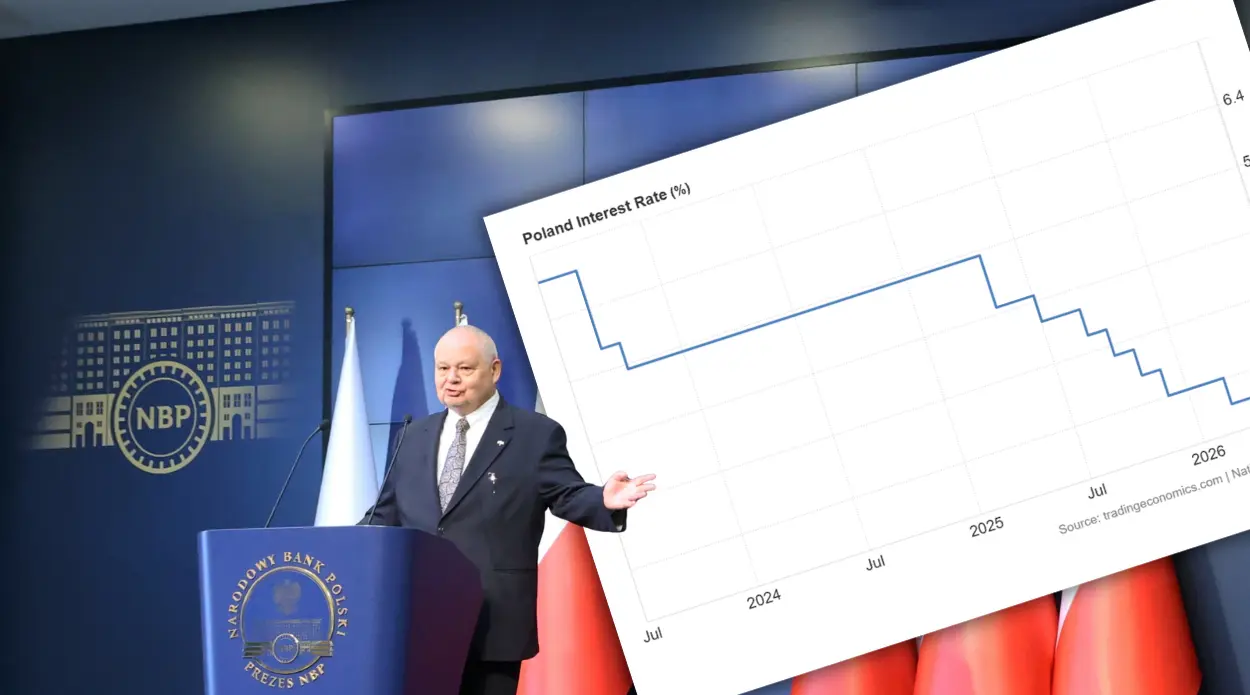
What next for the zloty and Polish debt?
On the domestic bond market, SPW yields rose again, helped by higher energy and agricultural commodity prices and signals indicating a risk of a looser fiscal policy than the market assumes. On Thursday, investors will focus on the ECB meeting and the regular Ministry of Finance auction.
The European Central Bank will most likely keep rates unchanged, but the wording of the statement in the context of future rate paths will be key.
With almost full pricing of two ECB rate hikes in 2h26, the hawkish message from President Ch. Lagarde should not be a surprise, but any dovish accents could cool market expectations and slightly widen the expected NBP–ECB rate differential in favor of the zloty.
Potential support for the PLN could however be neutralised by further escalation of the conflict in the Middle East, so the base scenario remains a stabilisation of the main pairs with the zloty near current levels, with asymmetric risk of testing this year’s highs.
In the case of SPW, reports of conflict escalation, rising commodity prices and bond supply at the MF auction could sustain a short‑term upward trend in yields.
In the country, GUS will publish the June statistical bulletin, which will allow a full assessment of the latest month’s data for 2q26. Key data from the bulletin include the registered unemployment rate and orders in processing (which rose 143% year‑over‑year in May).
Additionally, we will learn the consumer confidence index for the euro area in July, which, according to consensus, will continue to recover after the shock related to the outbreak of the conflict in the Middle East and the rise in fuel prices.
Trump threatens Iran with retaliation on power plants
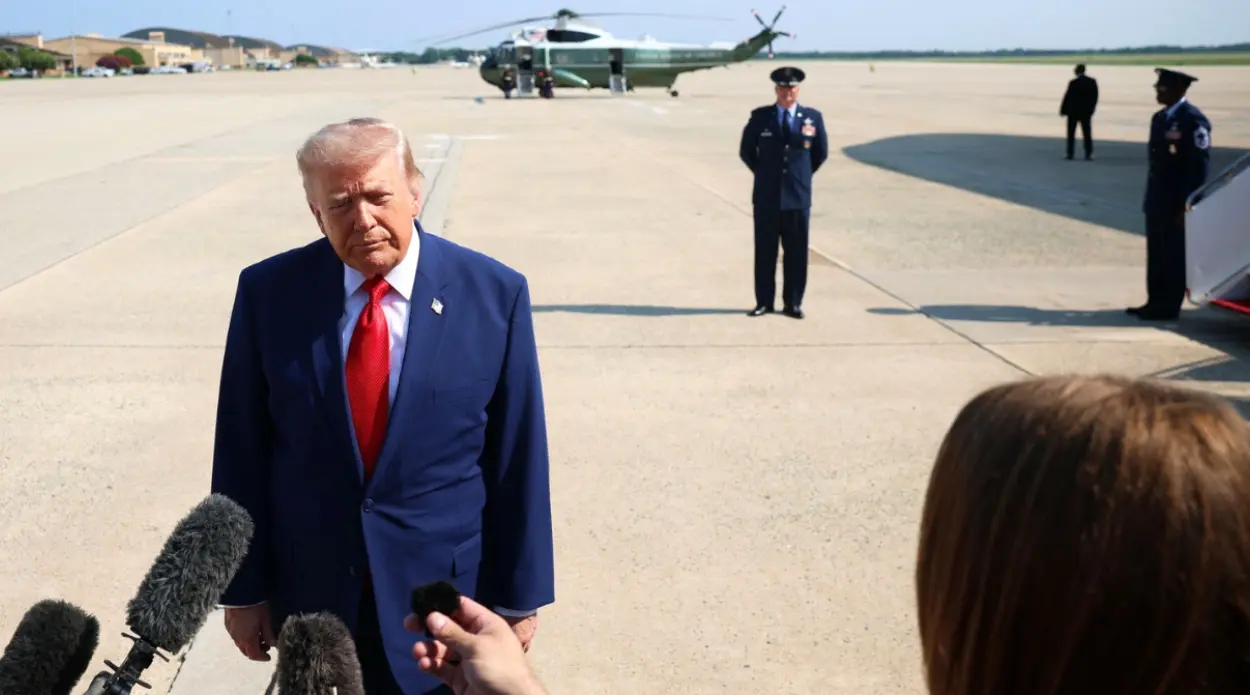
D. Trump announced that in response to any Iranian attack on a ship passing through the Strait of Hormuz, the USA will destroy one bridge or power plant in Iran, including near Tehran.
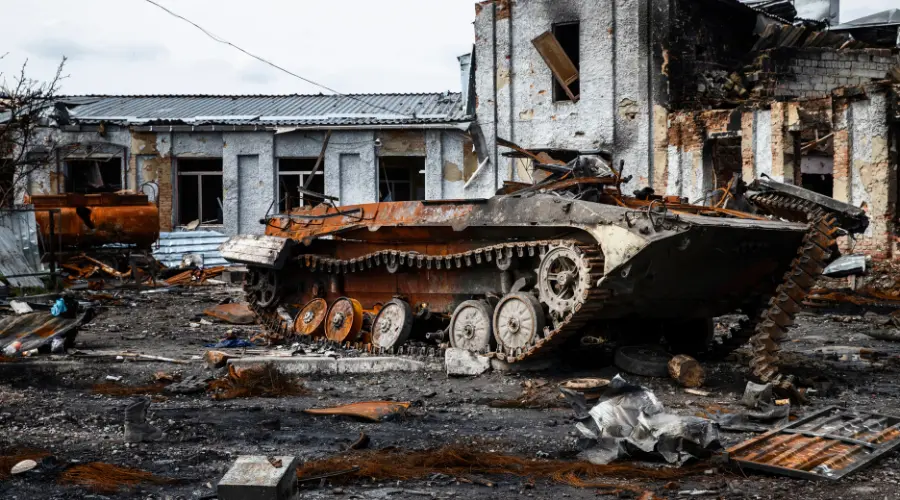
This means further escalation of US threats against Iran. US forces completed another series of strikes on Iranian military targets, marking the 12th consecutive night of attacks on the country.
The targets were Iranian naval facilities, missile and drone depots, reconnaissance centers on the coast, and air defence elements.
The strikes also aimed to reduce Iran’s ability to attack civilian commercial vessels.
The Iran‑backed Houthi movement reported that it attacked two Saudi tankers in the Red Sea.
This was likely the first attack since the group announced a maritime blockade at the beginning of the week.
US Secretary of Defense P. Hegseth informed the Senate that the war with Iran has so far cost the USA 37.5 billion USD.