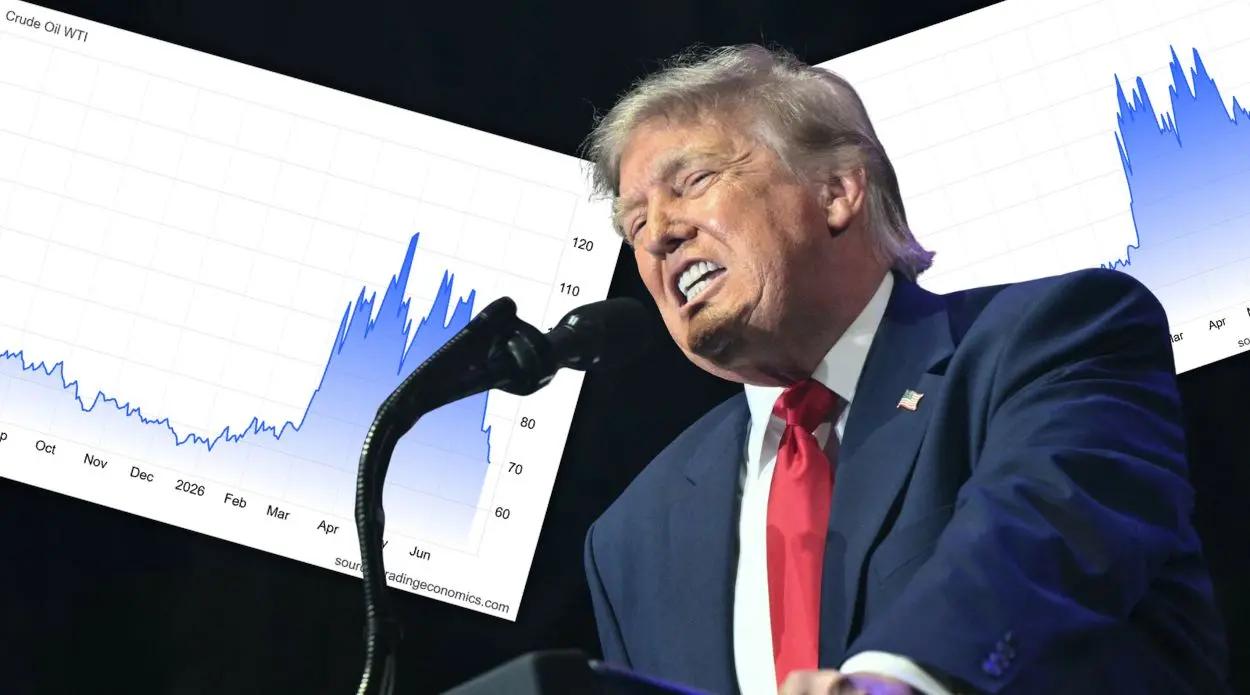
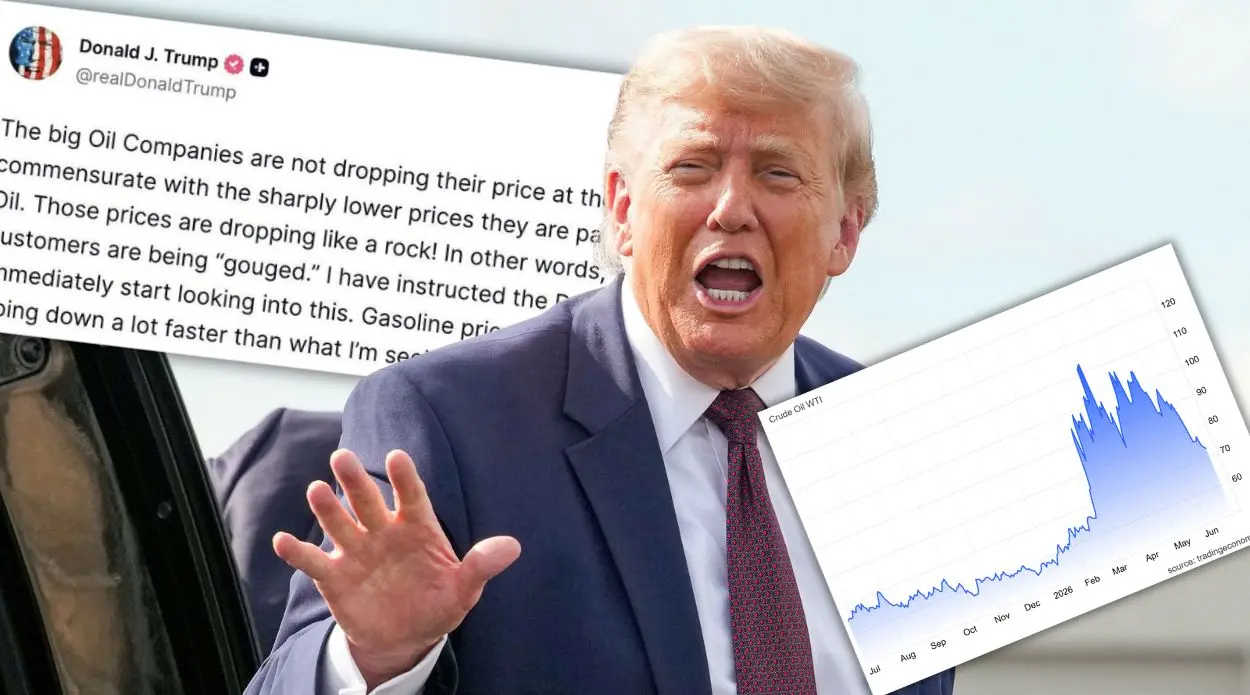
Oil falls despite the flare-up in the Middle East
Oil prices eased on Friday after an exceptionally volatile week, during which the market reacted to the escalation of geopolitical tensions in the Middle East.
Read also: Gas prices fall, but Europe has a problem. Warehouses may soon be empty.
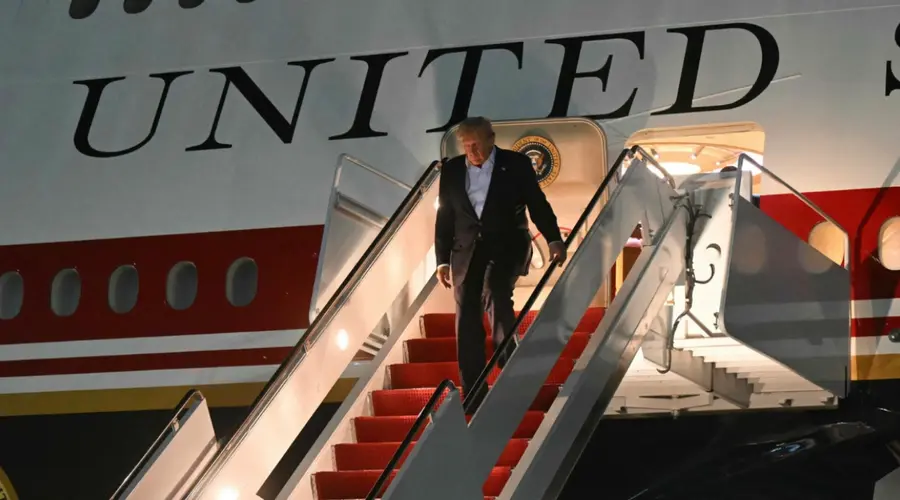
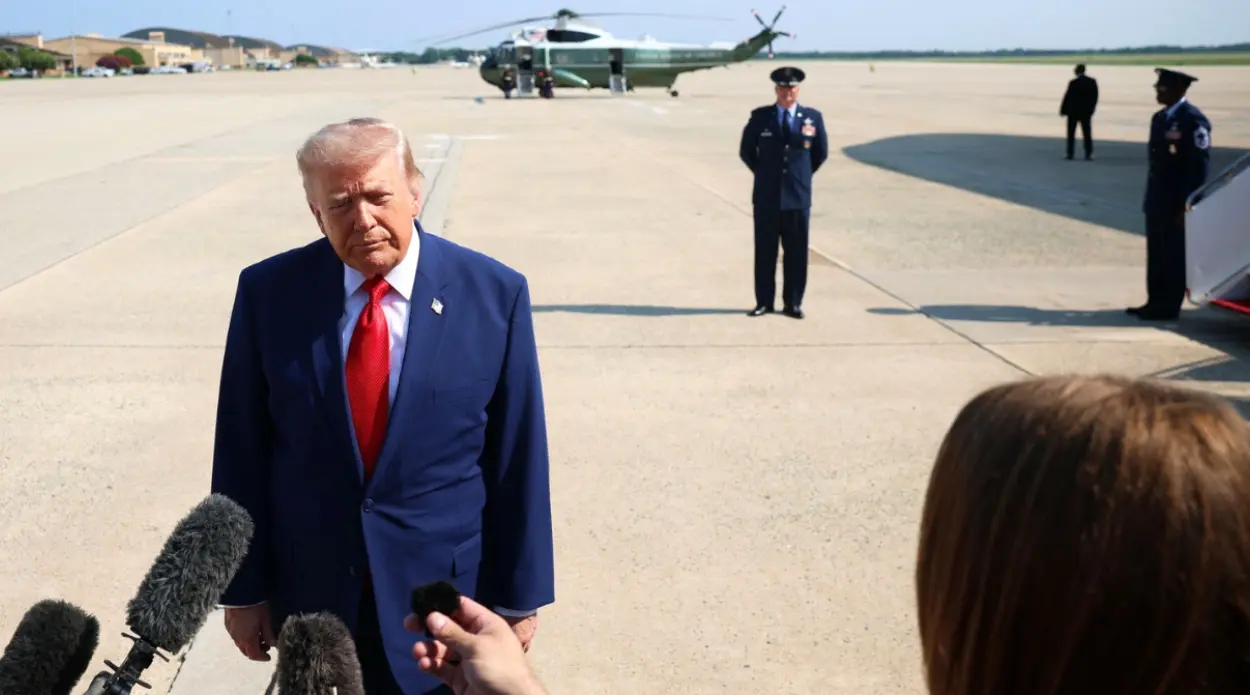
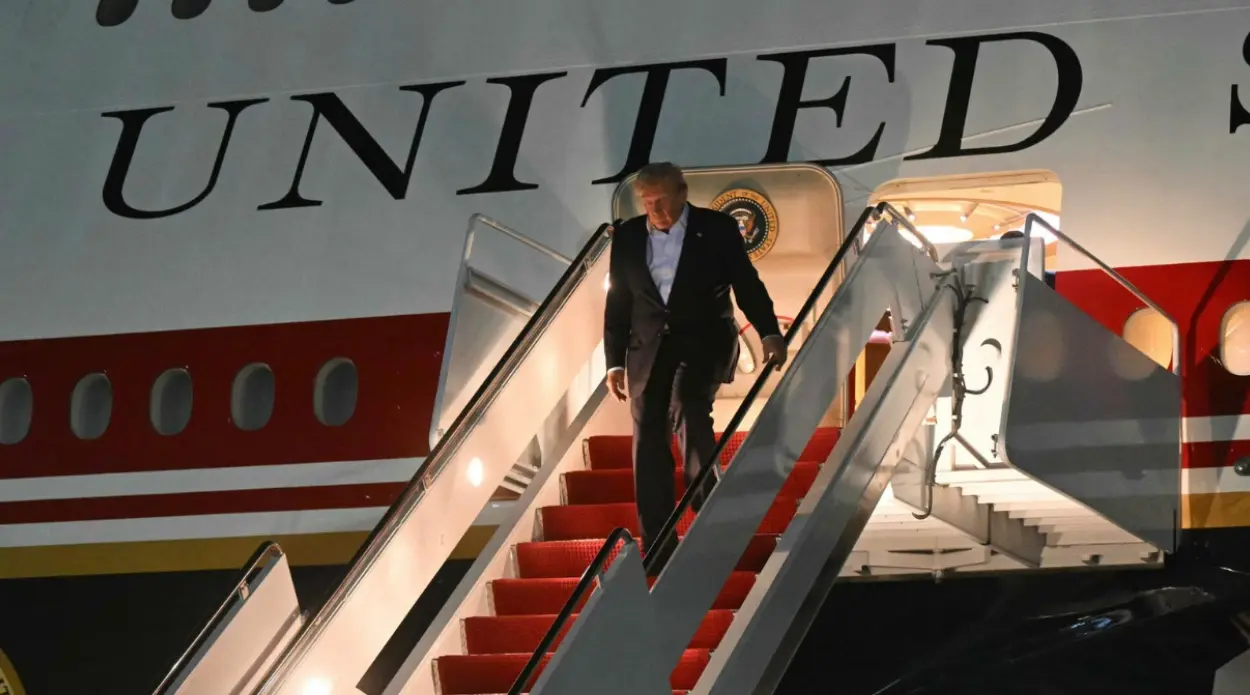
According to Bloomberg, a U.S. official confirmed that talks between Washington and Tehran are still ongoing, even though Donald Trump during the last NATO summit in Ankara declared that the agreement had been broken.
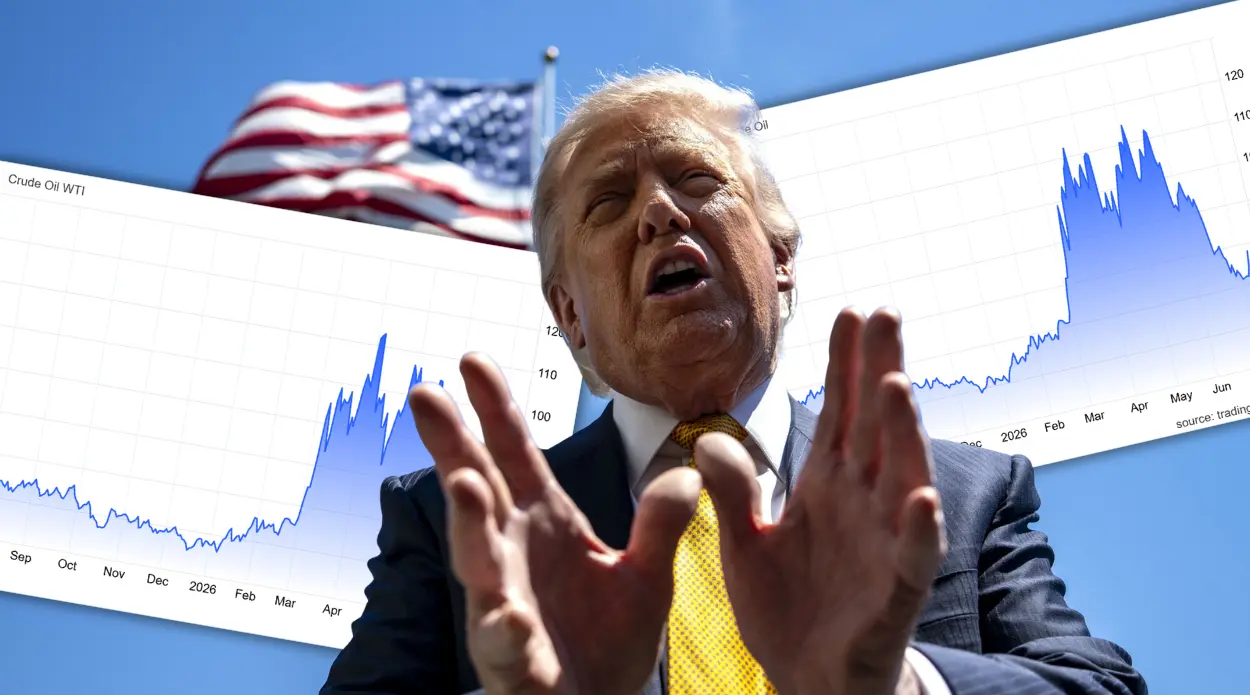
The President of the United States, clearly irritated by the situation, was asked about the suspension of hostilities with Iran and said that "he no longer wants to deal with them."
"They are sick people", he said.
Although the temporary agreement is formally not voided, mutual attacks in the region continue to fuel uncertainty about the further course of the conflict, which has been ongoing for more than four months.
In addition, analysts at ING Think emphasize that Gulf of Persia supply flows have not yet fully returned to normal.
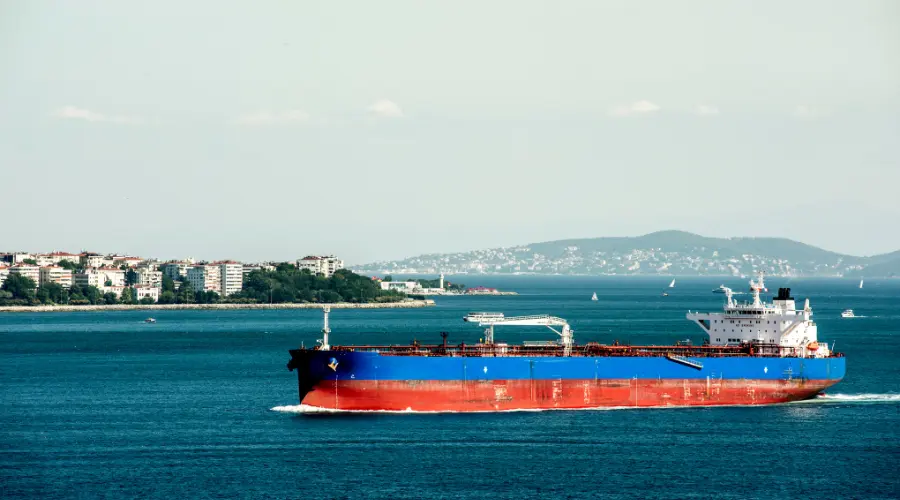
"The number of ships passing through the Strait of Hormuz remains significantly below pre‑war levels. Recent events show that a safe flow of ships still poses a problem for the market," we read in the statement.
"Considering the volumes bypassing the strait, oil flows remain at about 14 million barrels per day – still far below the pre‑war level of 20 million barrels per day, but well above the levels recorded at the peak of the conflict," added the report.
Economists expected that the normalization of Gulf of Persia oil supplies would last for most of the third quarter.
They now assume that the process could end as early as the end of July.
"This situation is however very fluid and certainly could change depending on the development of recent events," they said.
"A faster restoration of supplies prompted us to lower the forecast for ICE Brent oil prices for the rest of the year," they added.
Read also: Fuel prices crashed because of Trump. Attack on Iran cancelled! "I was asked"
See also: Fuel prices plunged after Trump’s words. Attacks on Iran were halted. "I instructed the Department of War"
Brent and WTI oil prices on Friday, July 10
The futures contract price for Brent oil on Friday, July 10 is at 76,3 USD per barrel.
"We currently expect the average Brent oil price to be 80 USD per barrel in Q3 2026 and 74 USD per barrel in Q4 2026," the ING Think statement said.
"However, for 2027 we forecast an average Brent oil price of 70 USD per barrel", added the report.
The key assumption of these forecasts is the absence of further significant disruptions to oil flow through the Strait of Hormuz.
"Given the recent renewed escalation of tensions, this may be too optimistic an assumption. In reality the market may oscillate between our base scenario and a more aggressive scenario, in which Brent oil price in Q3 approaches 100 USD per barrel", the summary concluded.
The team emphasizes that oil purchases by China remain one of the key uncertainty factors affecting market conditions.
"A prolonged pause in purchases could keep pressure on prices," we read.
Chart. Futures contract price for Brent oil
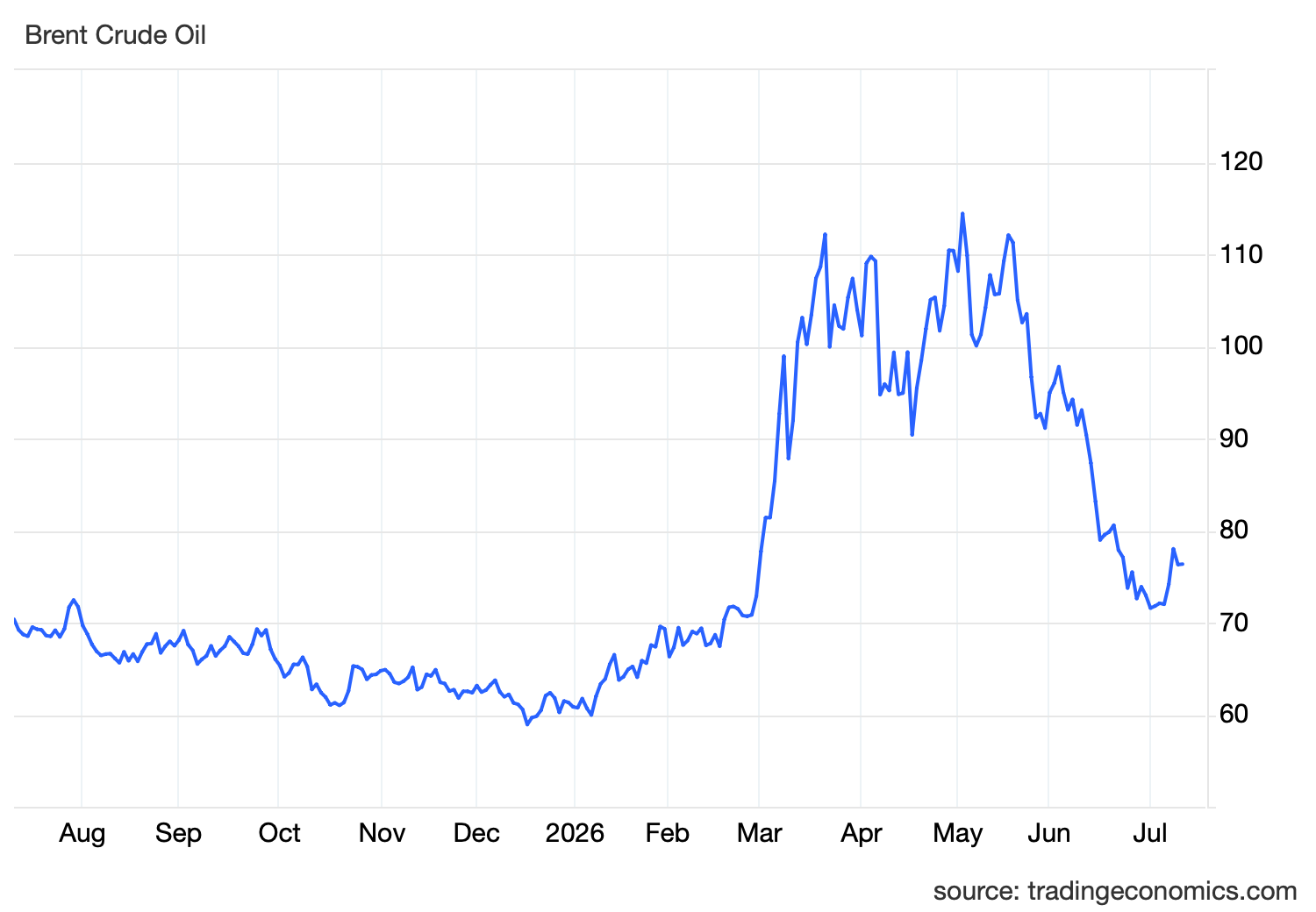
Source: Trading Economics.
The futures contract price for WTI oil reaches 72 USD per barrel.
Chart. Futures contract price for WTI oil (West Texas Intermediate)
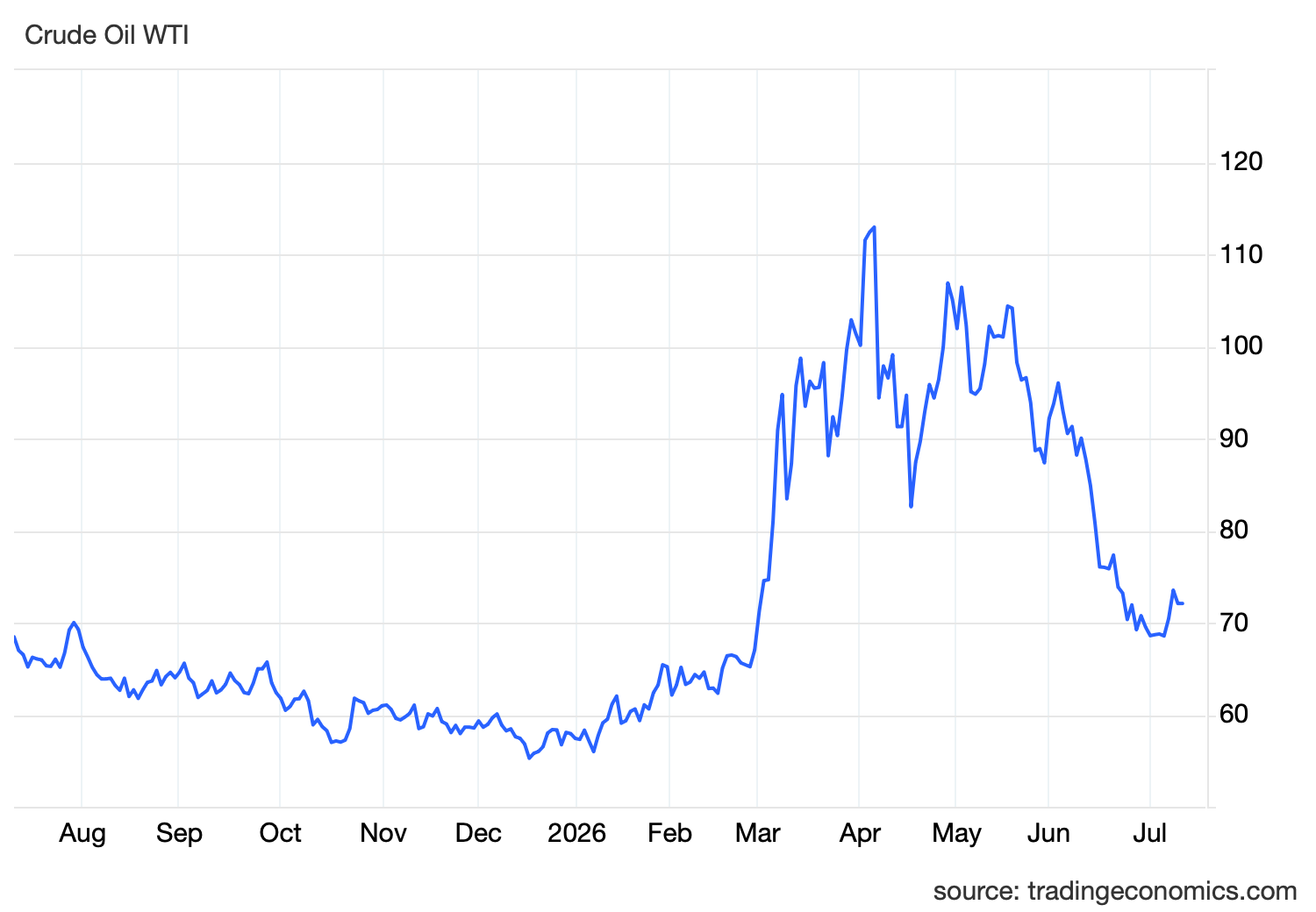
Source: Trading Economics.
Read also: Impasse in the Middle East hits fuel prices. Will there soon be a drop to 40 USD per barrel?
See also: Fuel prices in Poland will rise, shortages may appear at stations? Expert: "This will not be a one‑off sudden move that affects drivers"
Sources: Bloomberg, The Guardian, ING Think.