The only question that remains is whether this is the beginning of a more lasting shift in sentiment, or just another chapter in history where markets first panic and then quickly declare the end of problems.
Agreement on euphoria
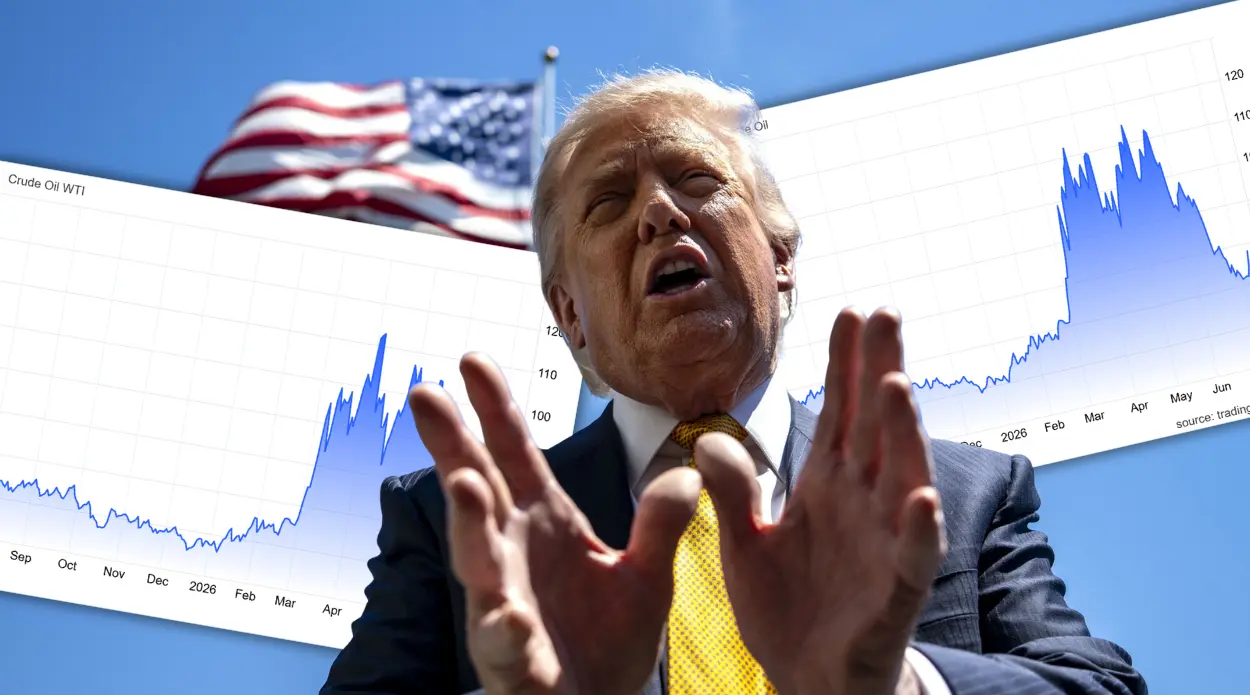
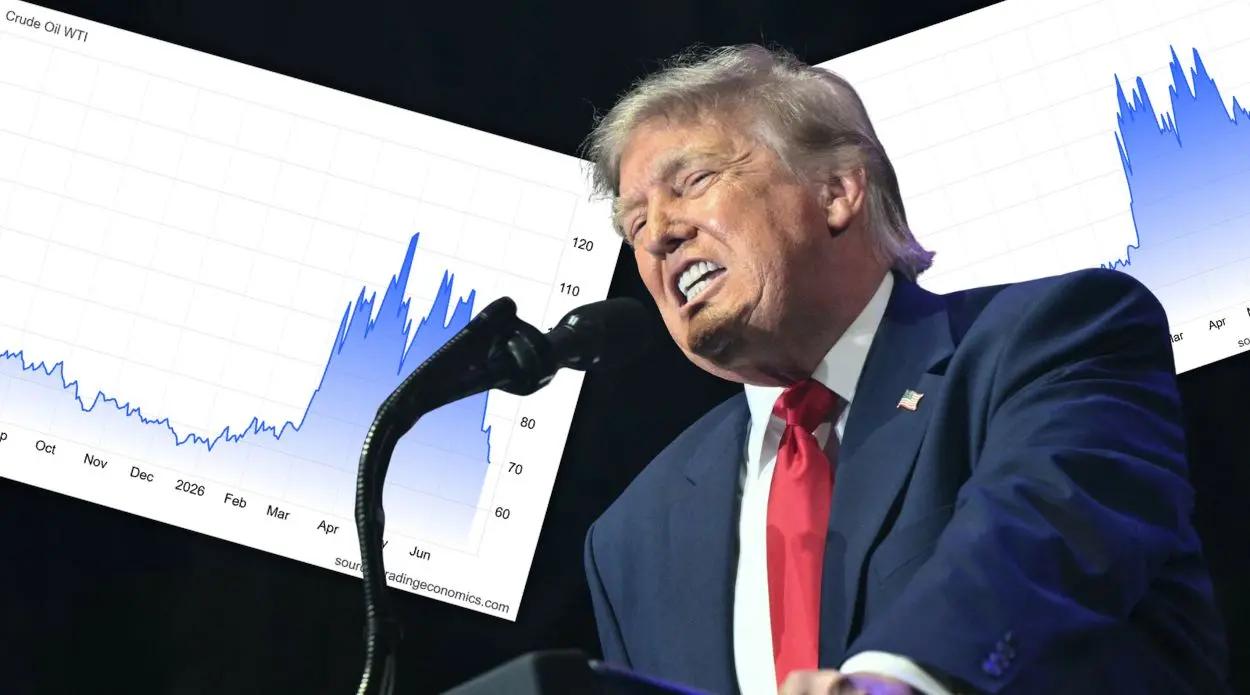
Monday's trading in financial markets was a festival of joy following weekend news about the agreement between the US and Iran. Investors primarily saw it as a realistic chance to at least freeze the conflict, which quickly reflected in the oil market.
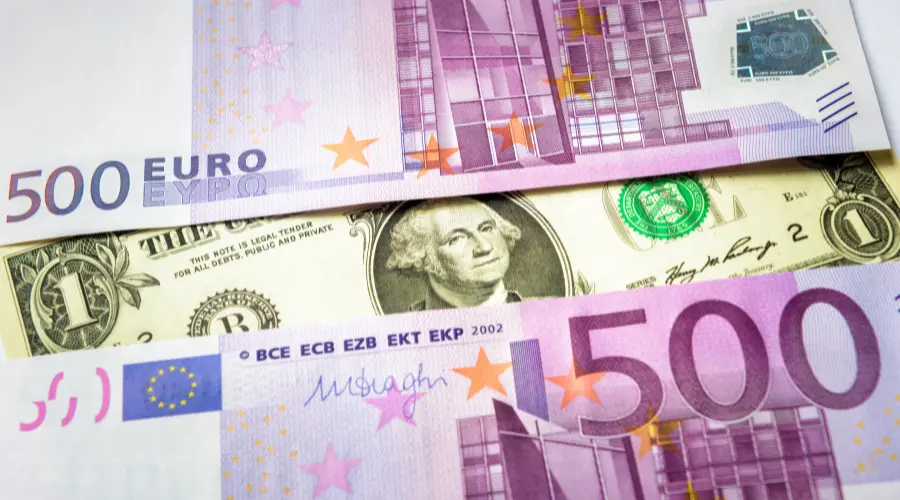
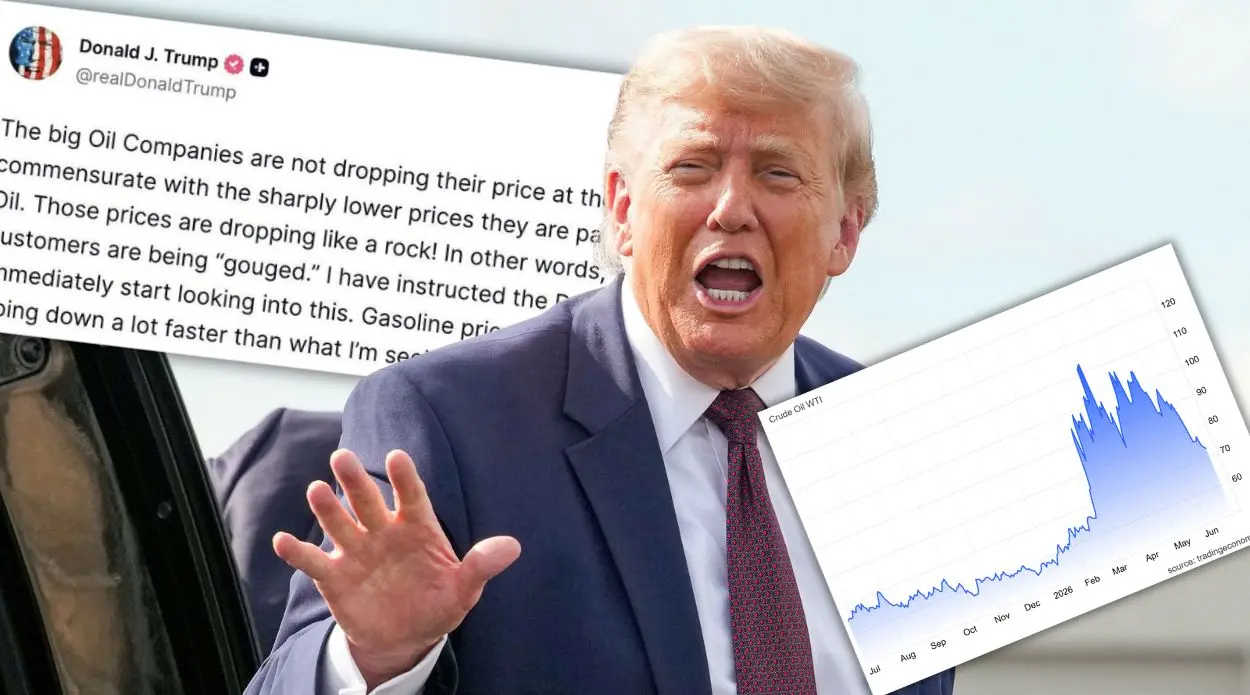
Oil prices fell because many indicators point to a resumption of supply through the Strait of Hormuz, through which a significant portion of global oil export is transported. This has significant implications for the currency market.
Just a few days ago investors were buying the dollar and other safe assets in response to rising geopolitical uncertainty, but today part of that movement is being corrected. At the same time the market remains cautious because the agreement is currently a political turning point, and its durability will depend on further negotiations and adherence to the agreed terms by both sides, as well as events in Lebanon that will probably become a pretext for breaking the agreement more than once.
In practice this means that the Middle East topic will probably remain one of the main factors influencing investor sentiment in the coming weeks.
Warsh has a pretext
The reduction of geopolitical tension coincided with rising expectations for further easing of monetary policy by the Federal Reserve. Investors are paying increasing attention to the prospects of US interest rates, especially after last week's inflation data, which did not bring a negative surprise. Additionally, the drop in oil prices reduces the risk of a resurgence of inflationary pressure, which from the Fed's point of view is favorable information.
The market does not currently assume rapid and aggressive rate cuts, but expectations of monetary easing in the second half of the year are becoming clearer. It was this factor that recently pressured the dollar, which gave up some of its earlier gains related to Middle East tensions.
As a result, investors return to a scenario in which the direction of the US currency will depend primarily on subsequent macroeconomic data, not on geopolitical events. At least we would like to believe that.
Doves again sharpen their claws
Monday's session passes under the sign of second‑plan data, but investors still have something to ponder. Among the releases, special attention should be paid to Chinese industrial production and retail sales data, as well as the American Empire State index, which traditionally provides one of the first looks at industrial health in a new month.
Much more important, however, seems to be how market narrative has changed in recent days. Before the outbreak of conflict in the Middle East, investors focused on the prospect of gradual monetary easing by the major central banks. Later rises in oil prices and worries about a renewed acceleration of inflation caused the market to even consider a scenario of maintaining higher rates for longer, and speculation about further hikes appeared in some places.
Now, with the decline in geopolitical tension and the overvaluation of energy commodities, investors are again returning to a scenario that assumes rate cuts in the coming quarters. In this context, the Fed, Bank of England, Swiss National Bank, and Norges Bank decisions scheduled for this week become particularly significant, as they may show whether central bankers are also beginning to see room for a more accommodative approach to monetary policy.