Iran agreed to unblock the Strait of Hormuz
The ceremonial signing of the agreement is scheduled for June 19 in Switzerland. Financial markets show strong optimism: stock indices rise, Treasury bond yields fall, and oil prices are falling sharply. The preliminary agreement (Memorandum of Understanding) will last 60 days, during which the parties will discuss details such as Iran's nuclear program.
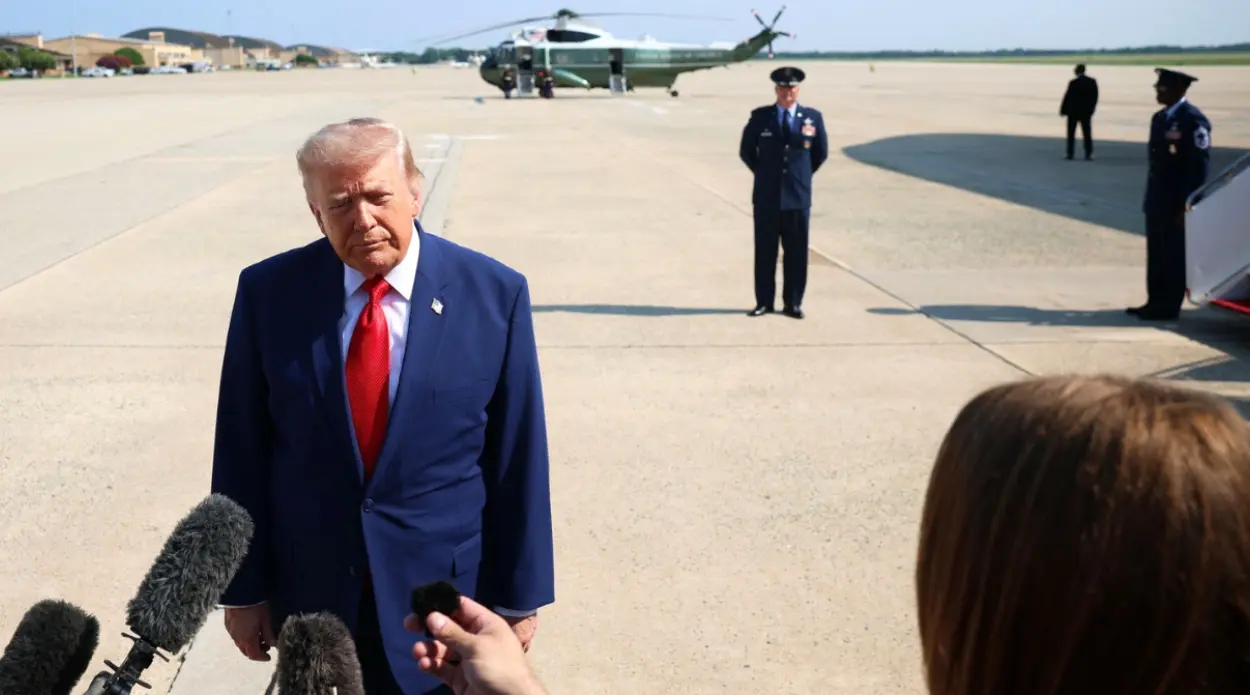
The agreement results in an immediate ceasefire, also covering Lebanon. US President Donald Trump confirmed that Iran has agreed to unblock the Strait of Hormuz.
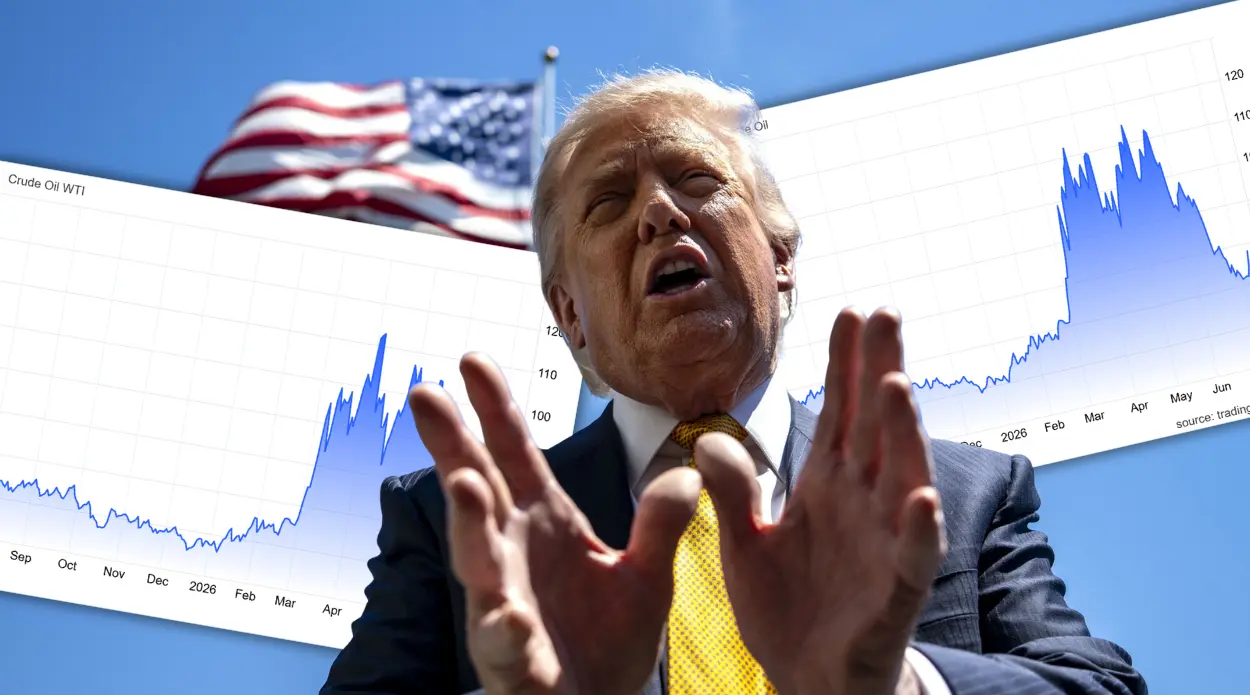
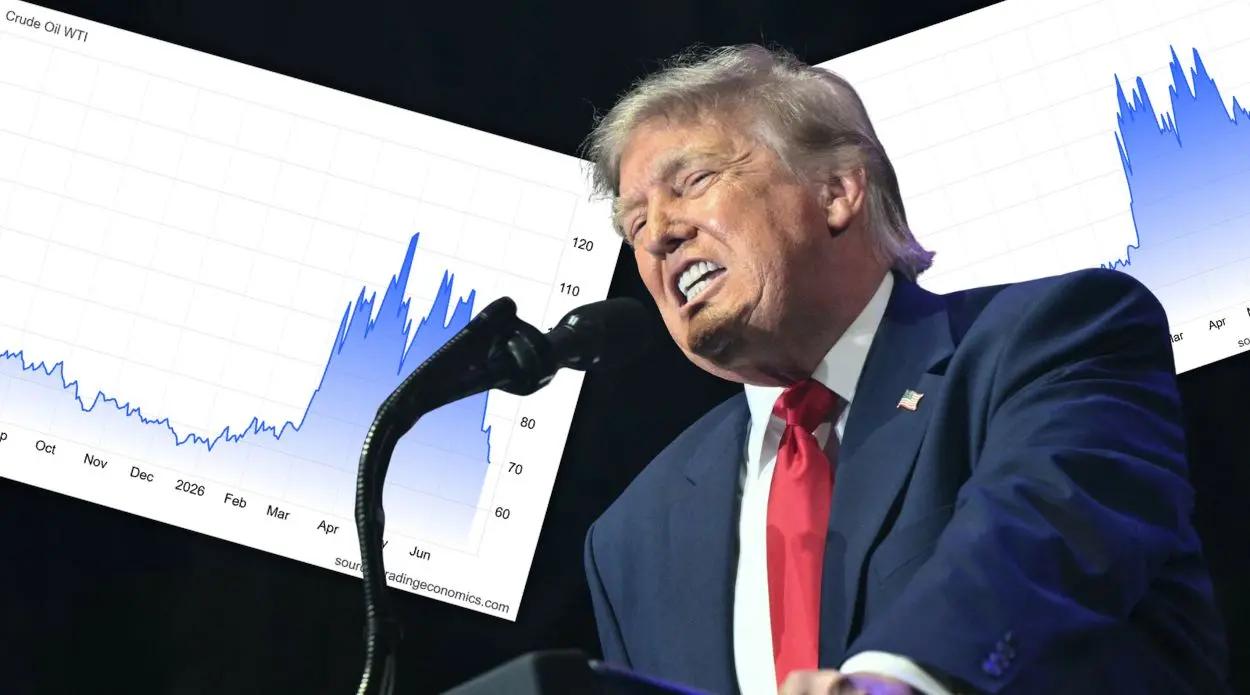
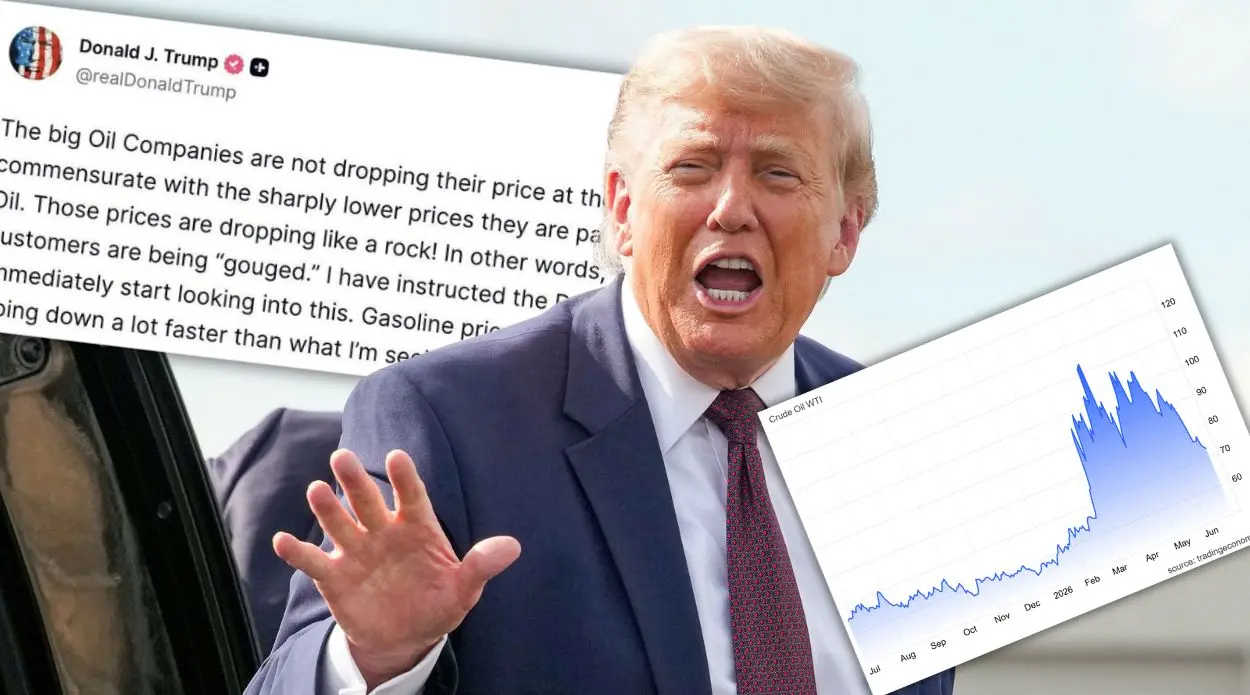
As a result, oil prices are clearly falling. Brent crude is priced at about $83, the lowest level since the beginning of March. However, we note that full throughput of the strait and the resumption of tanker shipping routes will not happen immediately.
Oil price – forecast for the coming days
Additionally, strategic oil reserves that were released to stabilize prices will need to be rebuilt. This will generate higher demand, which at least in the short term will keep oil prices from returning to pre-conflict levels.
We expect Brent barrels to be priced in the $80–85 range in the coming weeks.
The de-escalation of geopolitical tensions translates into positive sentiment in the equity market. Already in the Asian session, indices in Japan and South Korea rose by about 5%.
DAX and CAC40 rise by over 1%
Major European indices also rise strongly: DAX and CAC40 by over 1%. WIG20 set a new high at the start of today's session. However, companies in the oil and gas sector are under pressure.
In our view, in the short term, the peace agreement could translate into a rebound in equity markets. Especially after the first half of June when US market indices fell due to supply issues related to the SpaceX debut.
We emphasize, however, that at this moment our stance remains neutral, both for the global and the Polish equity market. The decline in oil prices reduces the risk of sustained inflation growth, and consequently affects expectations regarding the path of interest rates by central banks, which is why we observe a decline in Treasury yields. The 10‑year US Treasury yield fell to 4.42%, and Polish yields are below 5.5%.
In the currency market, there is a reversal from the US dollar, which, thanks to its safe‑haven status since the outbreak of the conflict, has appreciated significantly.
Today the EUR/USD pair rises to 1.162, and USD/PLN falls to about 3.65.
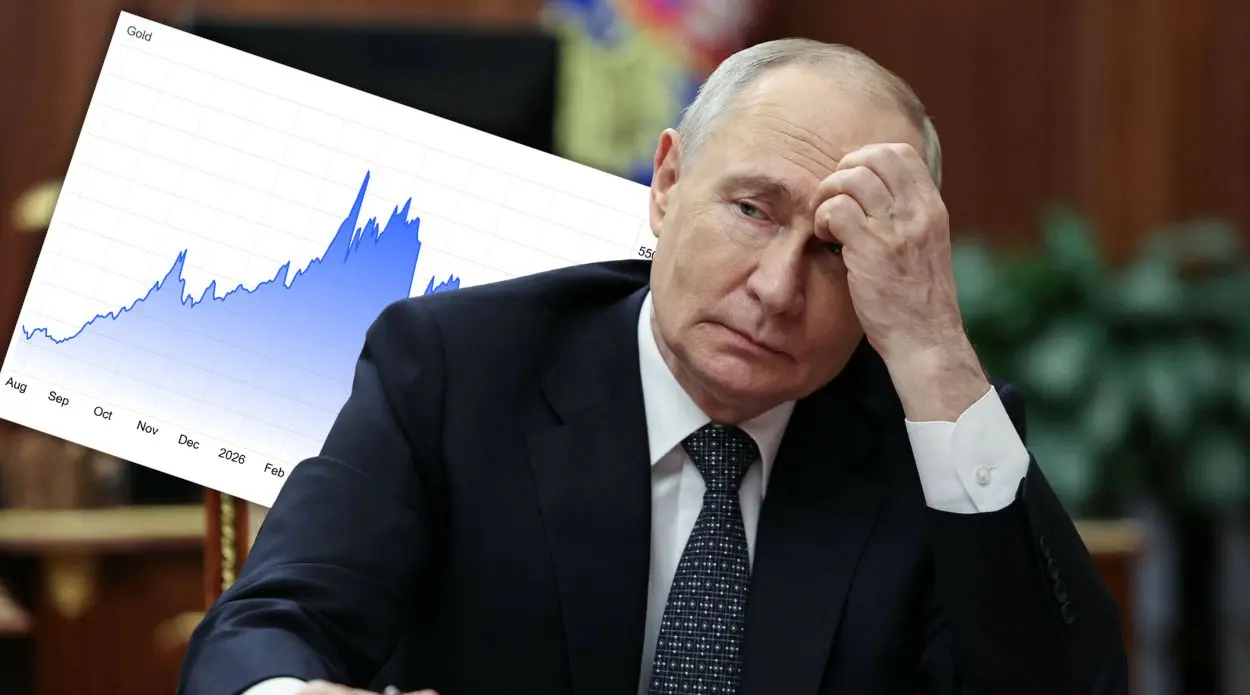
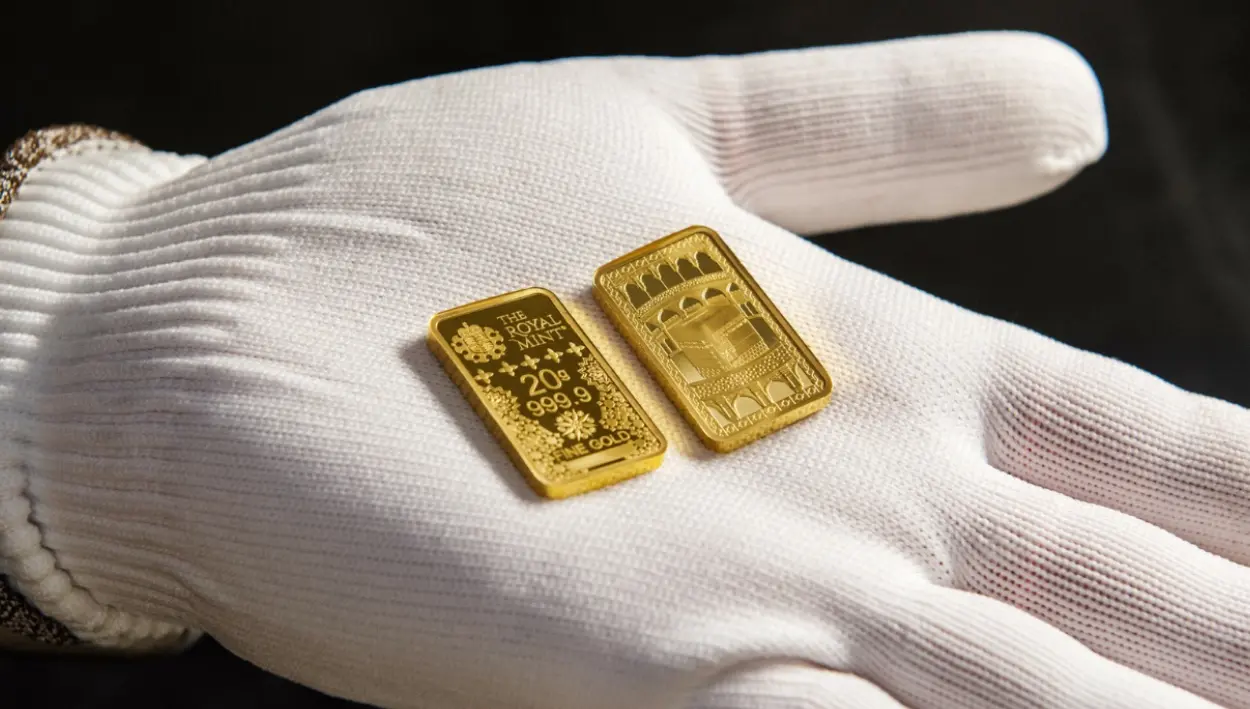
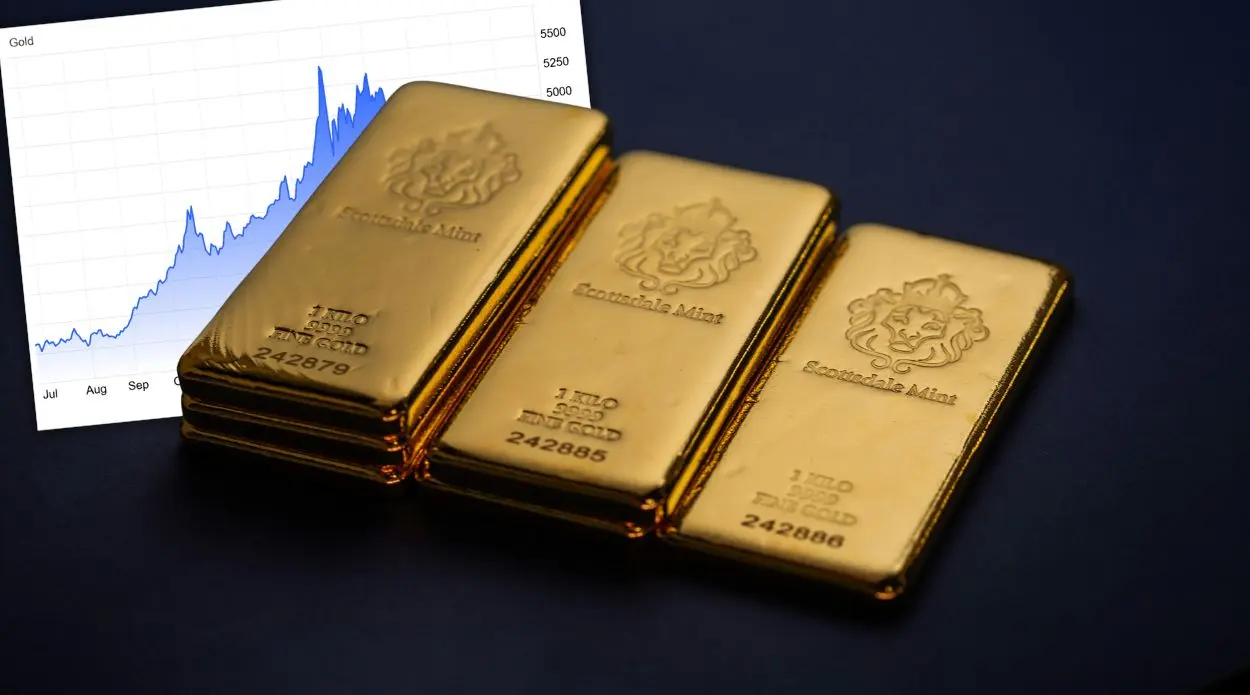
The depreciation of the dollar helps precious metals, causing gold to rise to over $4,340 per ounce.