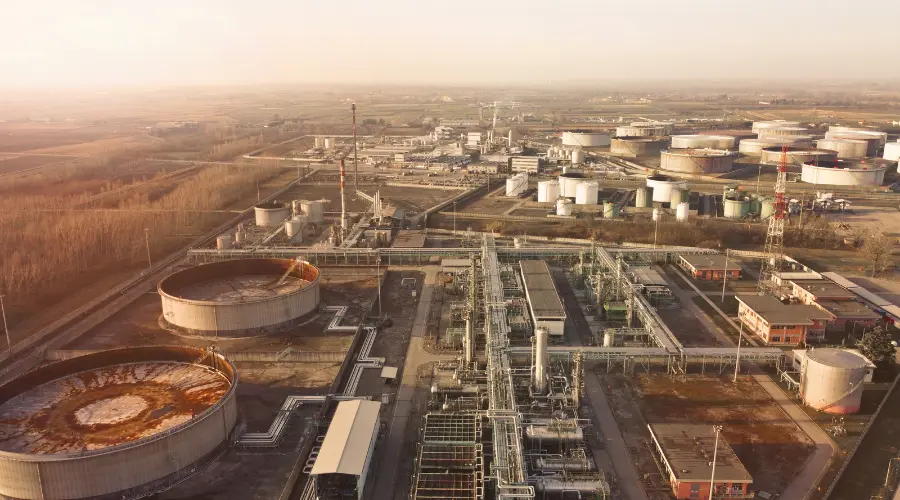
Brent price has already shot up to $100
Negative sentiment was driven by rising oil prices – Brent crude prices surpassed $100 per barrel. Investors are concerned about both the risk of escalation of the conflict in the Middle East, which the U.S. administration still suggests, and the ECB’s highlighted possibility of a rate hike in September.
For domestic 10‑year bonds, the nearest significant psychological barrier for yield increases is around 6.0‑6.1%.
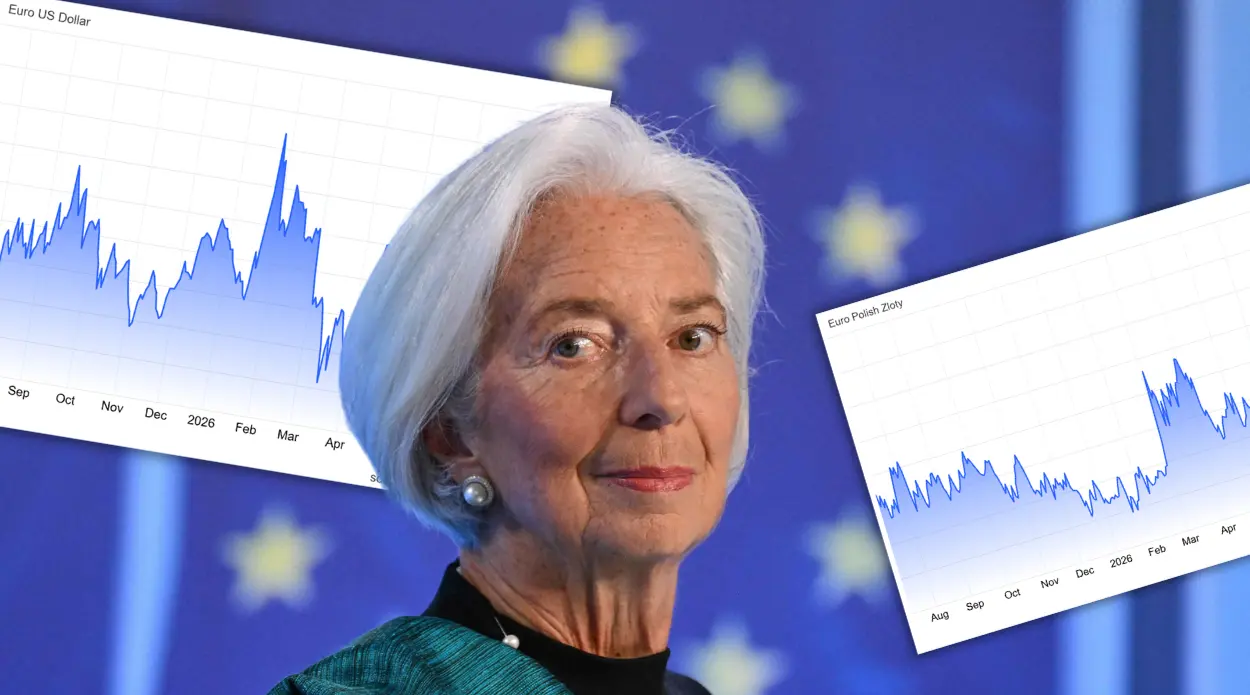
Euro rate – forecast
In the absence of de‑escalation signals, the EUR/PLN rate could rise to 4.34‑4.35, and USD/PLN could exceed 3.81.
Friday PMI readings for the euro zone and the U.S. will likely remain in the shadow of geopolitical events.
At the end of the week we will learn preliminary July PMI figures from major economies, which will allow us to assess how businesses react to a renewed rise in energy commodity prices.
The consensus assumes that this effect was small – in the euro zone and Germany results are expected to be similar to the previous month, and in the U.S. there may even be a slight improvement in manufacturing conditions.
USA will hold Iran accountable for future Houthi attacks
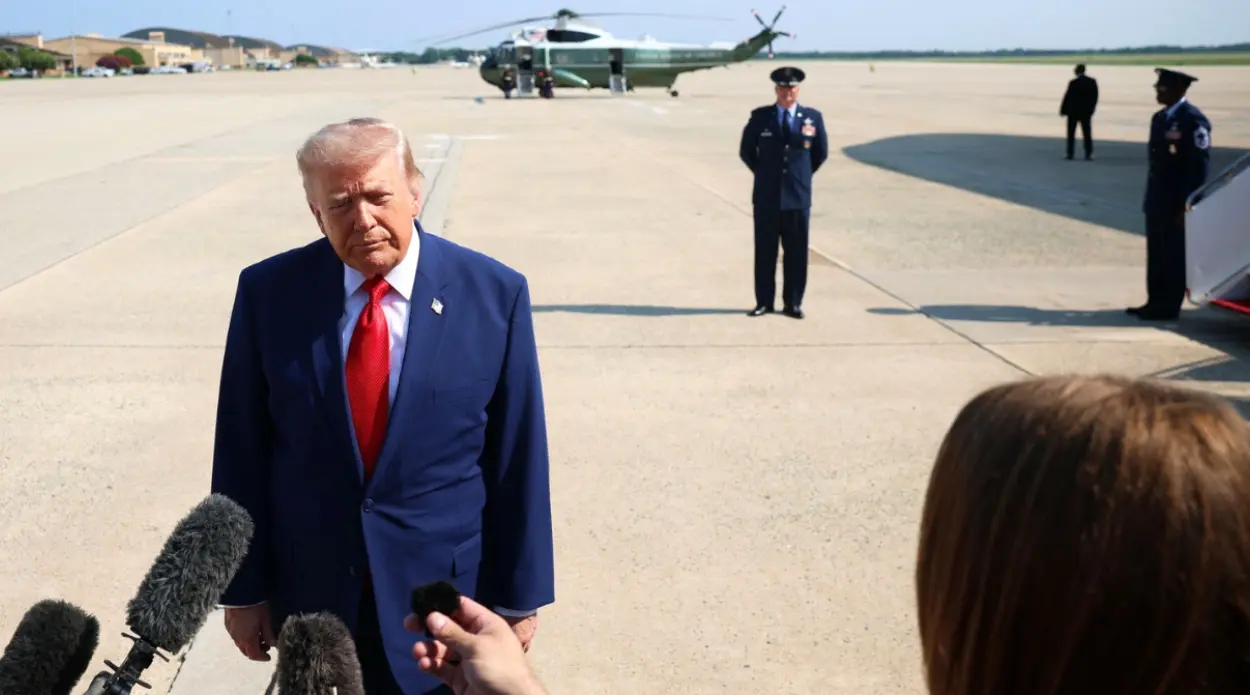
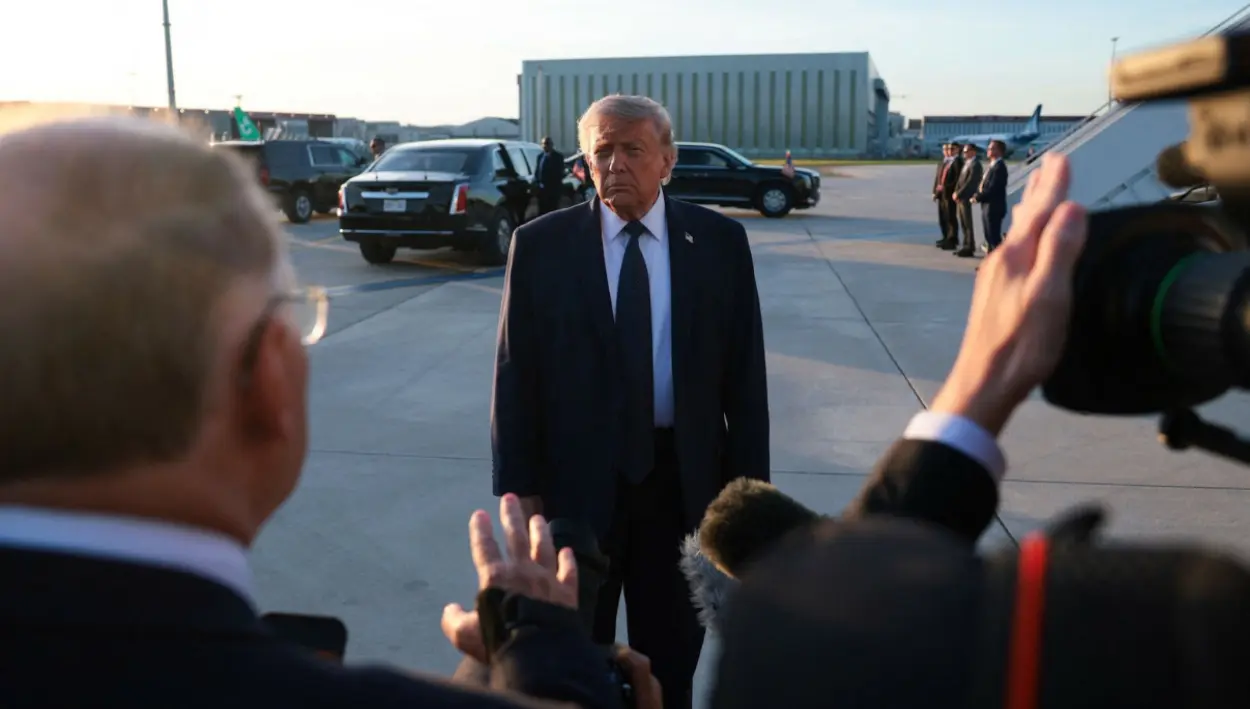
D. Trump announced that the U.S. will hold Iran responsible for future Houthi attacks, deeming them as Iran’s proxy. The statement came after a Houthi attack on two Saudi tankers in the Red Sea using rockets and drones.
The incident increases the risk of escalation between the U.S. and Iran and further disruptions to oil transport through the region. D. Trump also announced that U.S.‑sanctioned Iranian assets will be used to cover losses related to ship damage and goods transported by them caused by Iranian attacks.
ECB keeps rates unchanged
The ECB, as expected, left interest rates unchanged (deposit rate 2.25%, refinancing rate 2.40%), emphasizing that uncertainty related to the Middle East conflict and higher energy prices keeps inflation risk elevated. Ch. Lagarde informed that the decision was made unanimously, although some Council members had considered a rate hike. The ECB intends to wait until September for further data on inflation, GDP, wages, and economic conditions, not ruling out further tightening of monetary policy. In our view, the July message leaves room for a rate hike in September.
J. Nagel (Bundesbank) said that yesterday’s ECB decision to keep rates unchanged and postpone any potential hike to September was correct. Sources close to the ECB, quoted by Bloomberg, indicate that a September rate hike is very likely, unless inflation prospects, especially commodity prices, improve significantly before the next meeting.
Consumer sentiment in the euro zone improved to –15.9 points from –17.7 points in July; the data are preliminary. Despite a renewed rise in global oil prices, consumers did not feel a significant deterioration in their financial situation. The improvement in sentiment – although still lower than before the oil shock – allows for an increase in domestic demand and an improvement in economic conditions in 2h26. Rising oil prices remain the main risk to this favorable scenario.