Changes at the FED?
Almost everyone, as analysts, was waiting for a change of the FED president. We were waiting because the style was supposed to change. The style has changed and now we are surprised. The new Federal Reserve president is very concise in his communication.
Besides conciseness he has another important feature. It seems he cares much more about beating inflation than being a friend of the current government administration. Just yesterday we talked about one raise and a possible second in June. Now we are talking about a second already at the end of this year or at the beginning of next. The fact that this change in approach was such a surprise for markets is best demonstrated by the reaction on the world’s main currency pair.
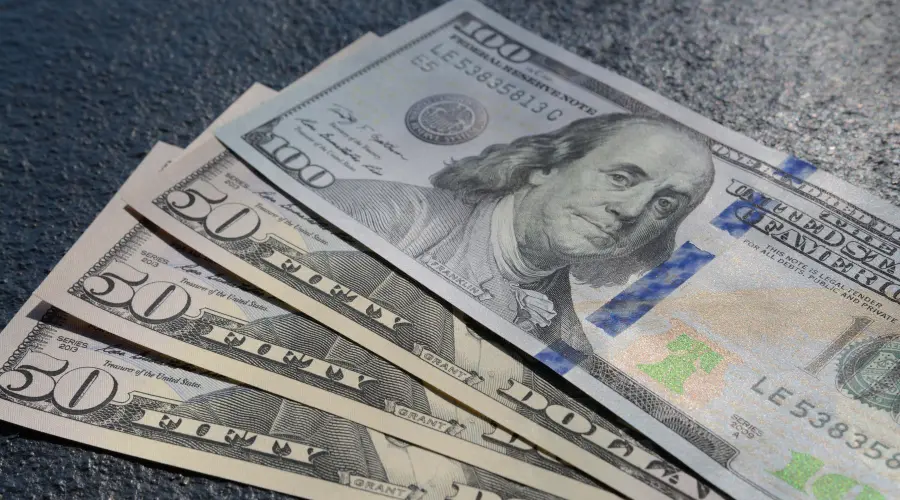
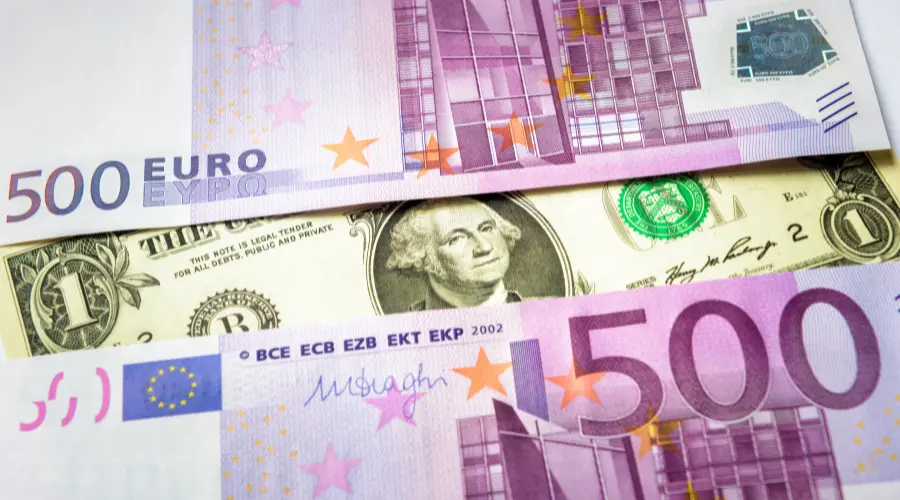
The euro against the dollar fell from 1.16 to 1.15, i.e. a full cent in a few minutes. A stronger US dollar results from the fact that investors see better returns from interest‑rate‑dependent instruments.
Peace Memorandum
Yesterday representatives of the US administration and Iran signed a peace agreement memorandum. Its purpose is to end fighting and bring about a true pact. In practice we therefore have a ceasefire, another one in this war.
It will last 60 days, unless one of the parties terminates it or a peace is signed. The strangest part of this deal is the 300 billion USD program for rebuilding Iran. It is supposed to come not from the US budget but from regional states and investors. Yes, it is more than the Polish budget on the spending side in 2026.
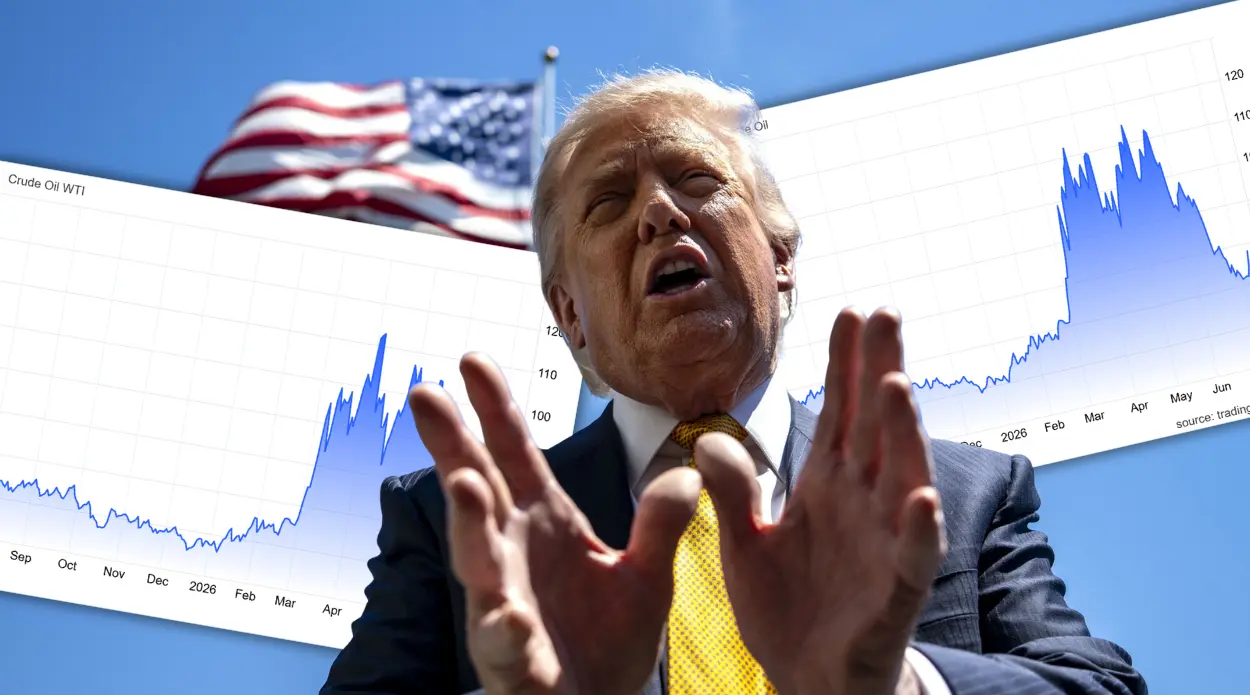
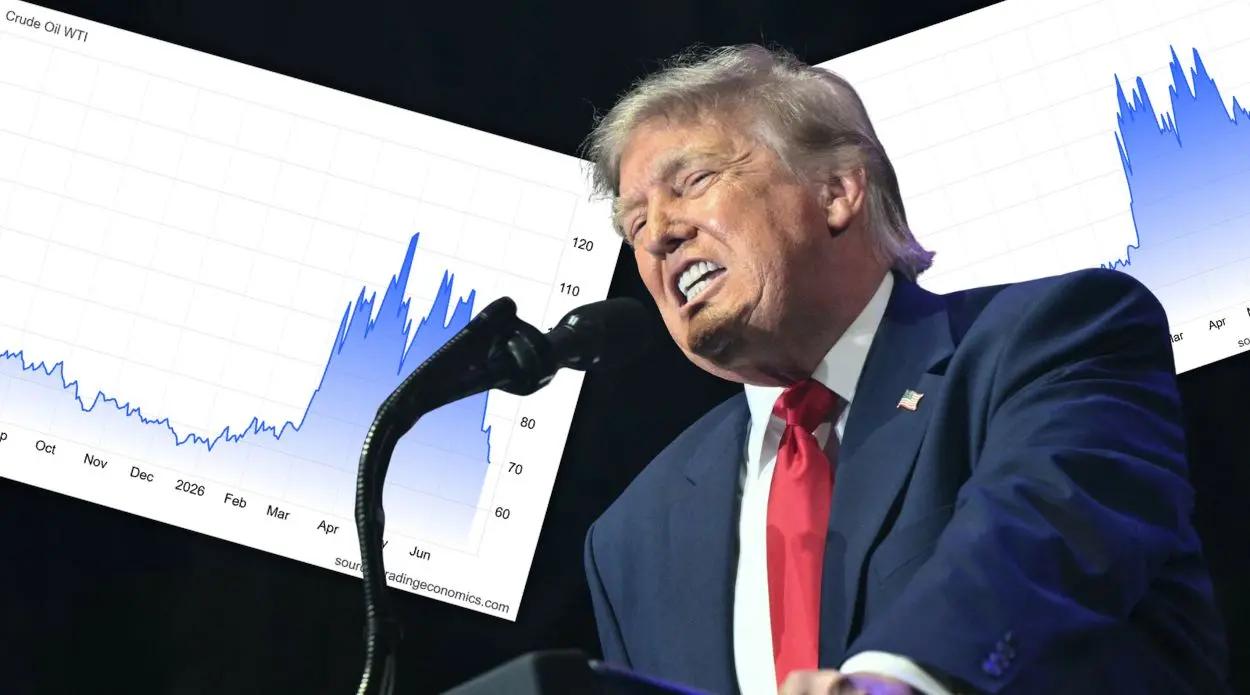
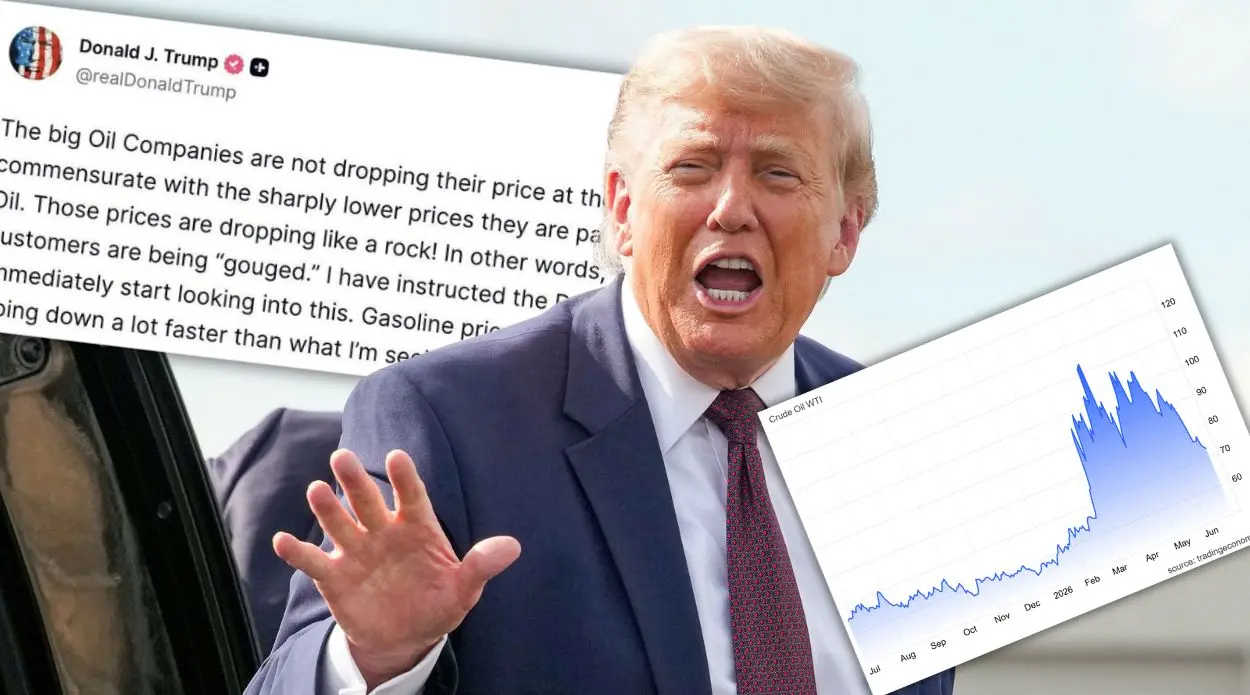
Additionally Iran will give up collecting fees for exceeding the Strait of Hormuz, which is contrary to maritime law. It will instead charge a navigation fee. Oil prices are falling on the markets. Currently Brent is about 78 USD and has recently been that cheap at the very beginning of the US‑Israeli attack.
What about interest rates in the Czech Republic?
Until recently analysts expected that our southern neighbour would see interest rate hikes. Currently, taking into account the drop in inflation in May to 2.1% and the peace memorandum in the Gulf War, this scenario seems increasingly unlikely.
It cannot of course be ruled out, but the current level of interest rates at 3.5% is almost 1.5% above inflation. This is a healthy parameter. In recent days the Czech currency is in an increasingly better position, also against the zloty.
If hikes occur, we may witness further strengthening of this crown. Thus we are close to the weakest levels of PLN against CZK since the beginnings of 2024.
Today in the macroeconomic calendar it is worth noting:
13:00 – United Kingdom – decision on interest rates,
14:30 – Czech Republic – decision on interest rates.