New Fed Chair dampens gold rally
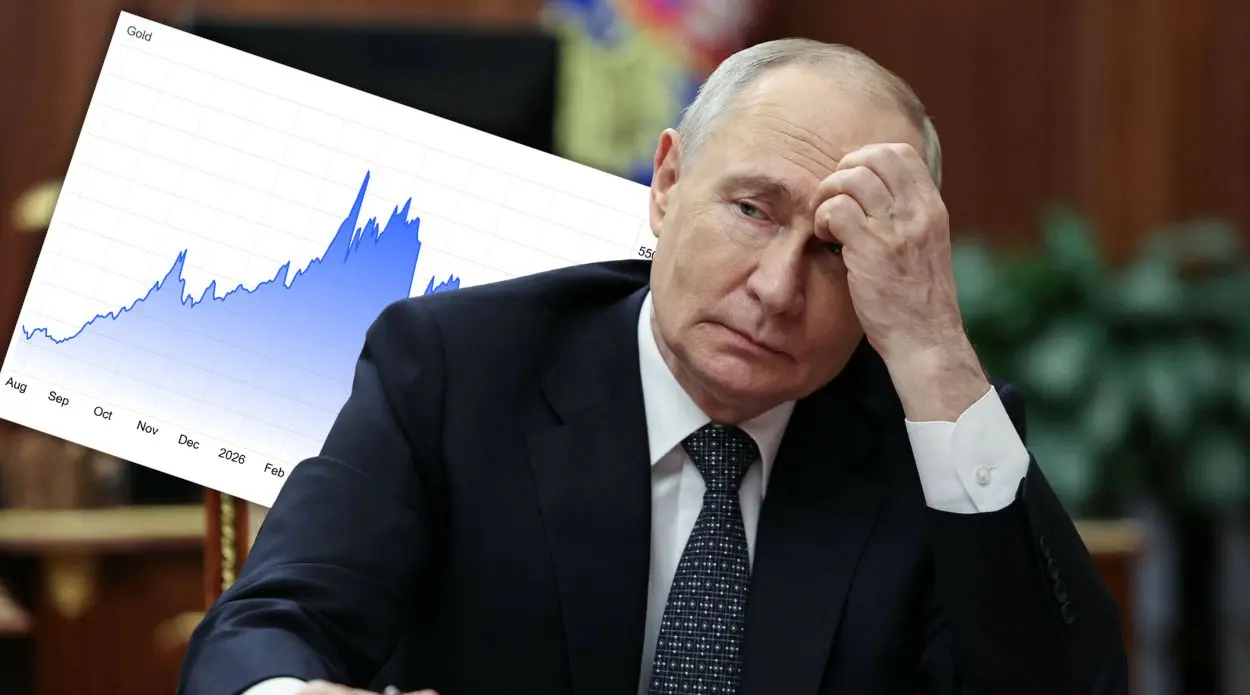
The first meeting of the U.S. Federal Reserve under new Chair Kevin Warsh triggered an immediate reaction from the world’s largest financial institutions. Leading investment banks massively revised their short‑term gold price forecasts, adjusting them to the outlook of delayed U.S. interest‑rate cuts. While this caused a brief correction in the paper market, experts emphasize that the long‑term assessment of the metal’s prospects has not changed.
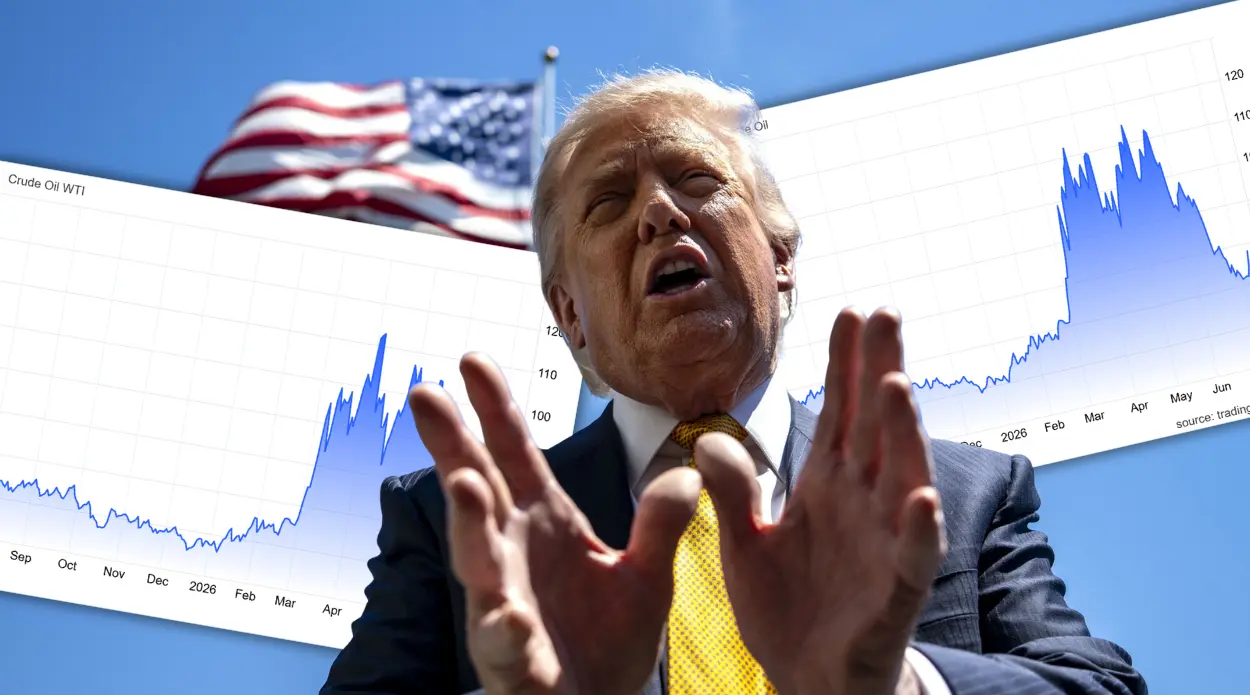
– New Fed Chair has introduced new rules not only in how the institution is run, but also in the narrative around monetary policy. He said clearly: our goal is 2% inflation. Consequently the market began pricing in possible rate hikes in the near term. Rate hikes for the gold market mean that the world’s largest investment banks have started to change their forecasts, their stance on metal prices for the end of the year. In general they began to lower forecasts that recently in a decisive majority were even at $6,000 per ounce. – comments Michał Tekliński, Goldsaver and Goldenmark gold market expert.
Market giants adjusted their models to the hawkish stance in Washington. Goldman Sachs lowered its year‑end forecast from 5,400 to 4,900 USD, Deutsche Bank pointed to 4,300 USD in Q3, and Bank of America withdrew from its earlier 6,000 USD target, deeming it unlikely in the near future. Meanwhile Swiss UBS set a short‑term target in the 3,850–4,000 USD range.
Despite these revisions, experts stress that the average end‑of‑year valuation remains very solid, and the correction is purely transitional.
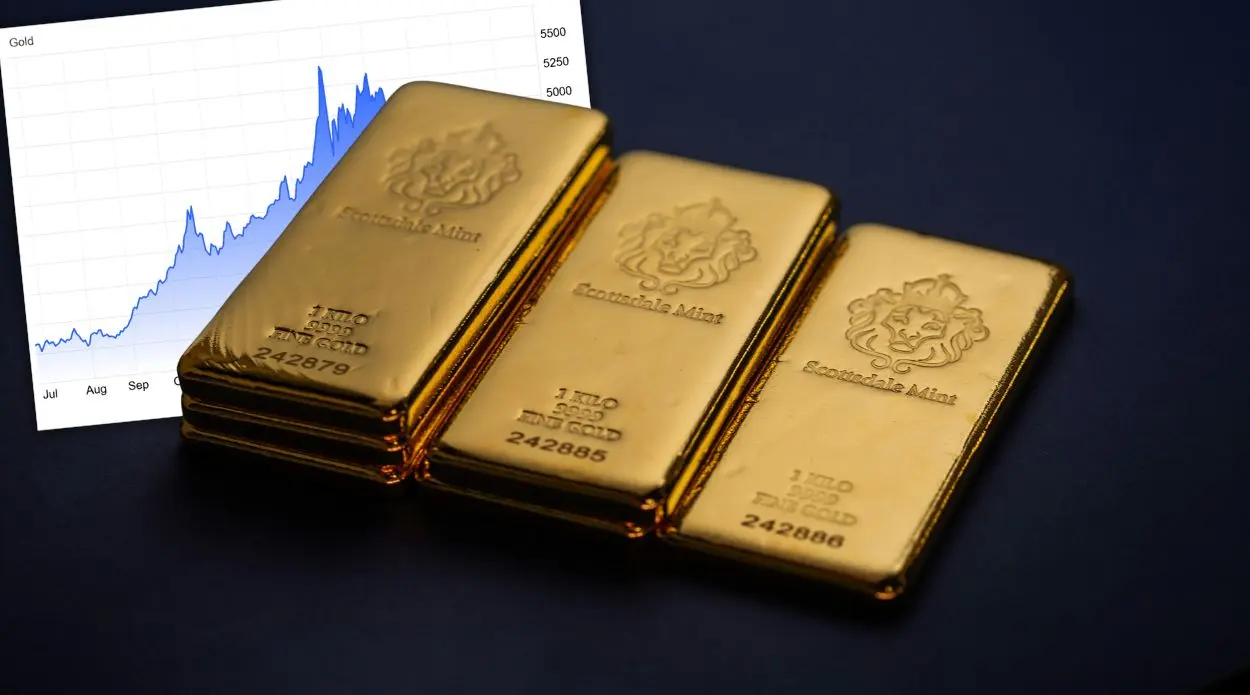
– At this moment, if you take the average of the new forecasts, it is around $5,000, which is still almost $1,000 above the current market price. However banks do not say this is the end of the bullish stance on metal prices; they say that in the short term, due to the change in U.S. monetary policy, metal prices may be slightly lower this year than previously thought, but in the long term prices will rise. Investment banks worldwide continue to present bullish views on gold. – explains the expert.
U.S. drowning in debt, China buying gold for power
Long‑term analyses by institutions such as JP Morgan and Wells Fargo consistently point to entrenched structural problems: declining purchasing power of money, a permanent budget deficit in the U.S. (which after 8 months of the 2026 fiscal year already reached $1.25 bn) and record debt‑service costs. In May alone Washington spent a record $132.62 bn on interest.
– Gold is currently in a state of technical “suspension” and is waiting for a specific macroeconomic catalyst. As Morgan Stanley analysts correctly note, forecasting $5,200 in the second half of the year, it will not be a single event but a series of processes – a specific mix of inflation, high rates, debt and economic conditions. Most importantly, institutions with a purely structural focus, such as Wells Fargo, have not changed their strongly bullish stance, maintaining a target of $5,300–5,500 at year‑end and even $6,000 by next year’s end. In short, short‑term rate hikes put pressure on gold, but long‑term they will hit the U.S.’s astronomical debt. When the market realizes that the permanent budget deficit and declining purchasing power are unstoppable, capital will return to metals with double force. – emphasizes Michał Tekliński.
The expert notes that the behavior of Western futures markets diverges from the strong demand for physical metal in the East, which builds a lasting base for current valuations.
– While New York and London exchanges adjust to hawkish monetary policy, China sends a clear signal to the world that current price levels are a great buying opportunity. Official customs data show that in May China’s gold imports rose an astonishing 76% year‑on‑year, reaching 163 tonnes. That is the highest monthly import to China in 26 months. Since the beginning of the year, Chinese have already imported 692 tonnes of metal. The Chinese retail market and local investors cleverly exploit the fact that gold on exchanges is currently about 25% cheaper than during the historic highs at the start of 2026. This organic, gigantic demand from Asia will effectively dampen any negative sentiment in paper markets. The long‑term gold rally remains secure, and the current calm should be viewed as a market window of opportunity. – summarizes Michał Tekliński.