New U.S. tariffs. European Union protests
The White House imposed new tariffs of 10% and 12,5% on goods imported from 60 U.S. trade partners, including the European Union.
The decision, taken as part of investigations under Section 301 of the 1974 Trade Act, was justified by allegations concerning insufficient enforcement of laws prohibiting forced labour.
The announcement also coincided with the expiration of a temporary global tariff of 10%.
Read also: U.S. tariffs return to play. A 25‑percent rate is coming – U.S. government warns
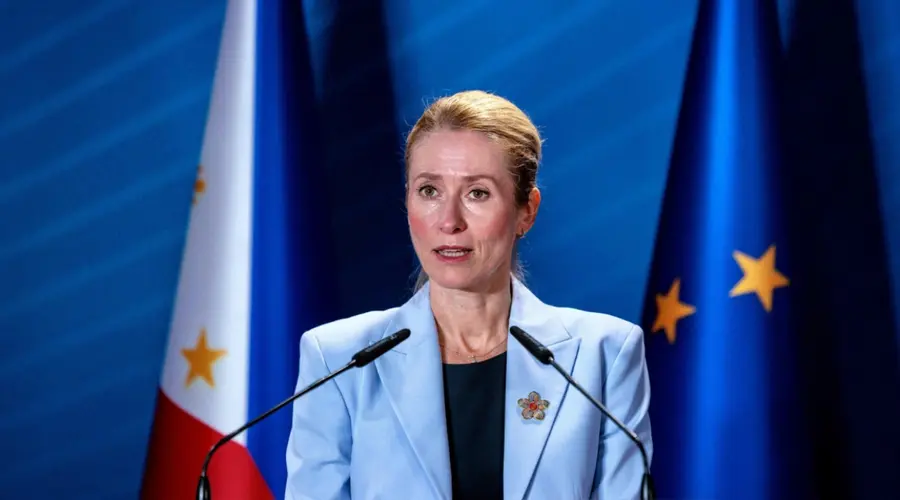
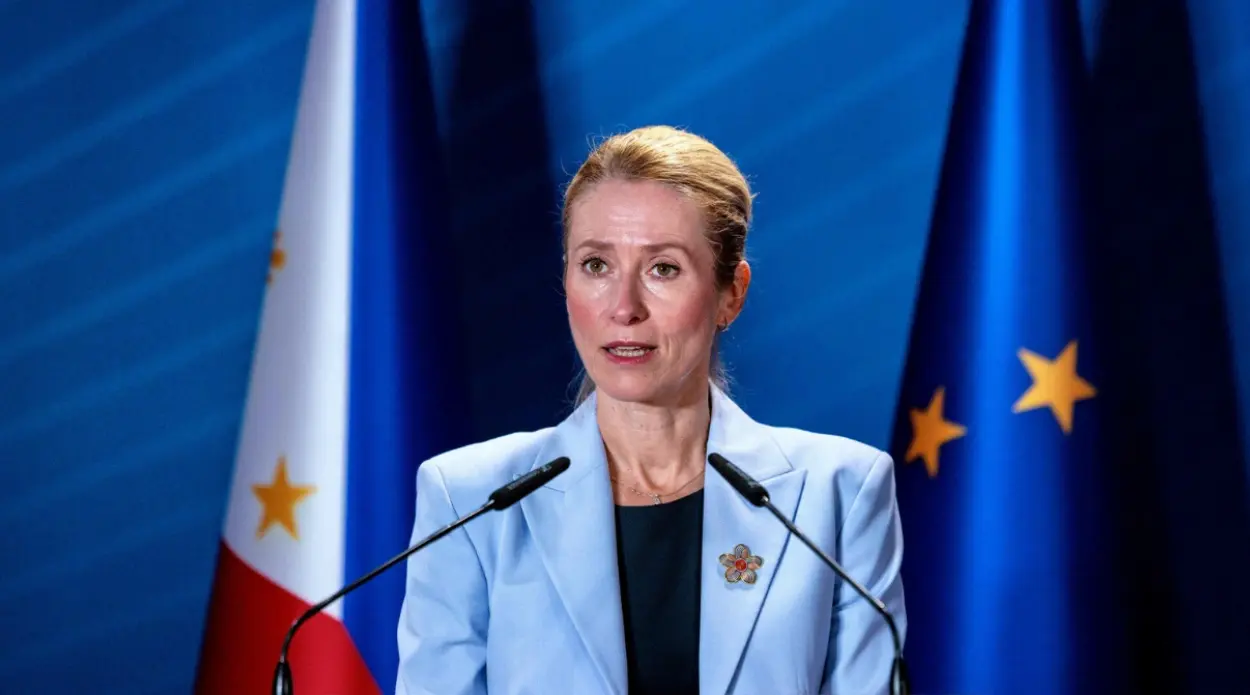
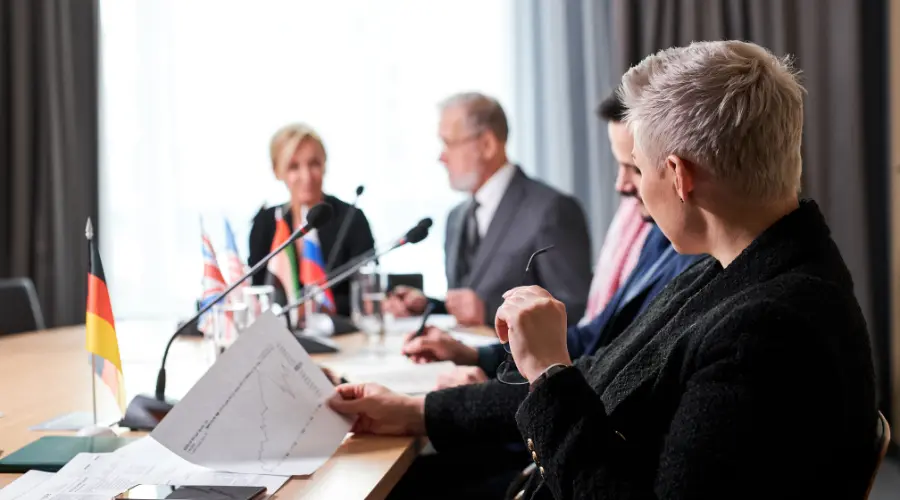
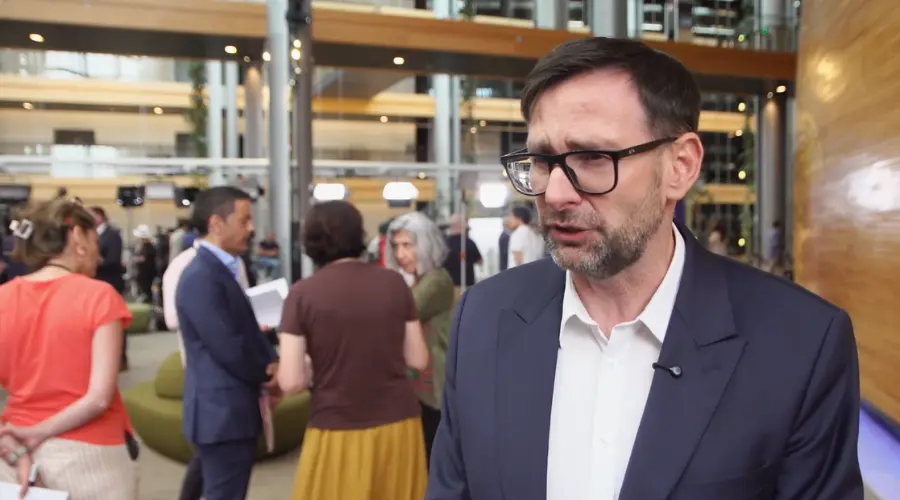
Kaja Kallas, Vice President of the European Commission, challenged Washington’s justification for imposing new tariffs on European goods, calling the allegations groundless.
“You cannot say that about the European Union,” she said in an interview with Reuters.
“If we compare our labour laws with those in the United States, we do have paid leave and very good working conditions for our employees, so there is really no justification,” she added.
Kallas admitted that the European Union did not expect the United States to introduce new tariffs, especially since European officials fulfilled the commitments arising from the trade agreement.
“We had an agreement with the United States and we kept it, at least from our side. Therefore the fact that this agreement was not upheld is a negative surprise for us,” she added.
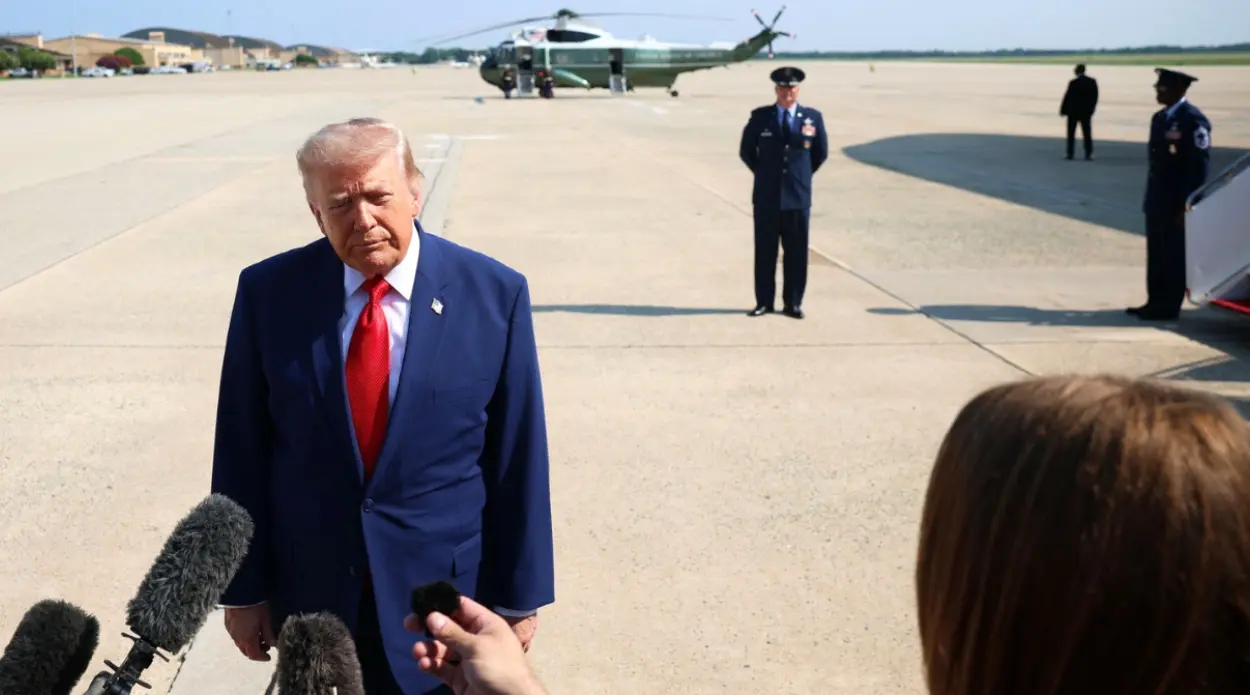
The decision by Donald Trump came after the U.S. Supreme Court voided in May the so‑called “reciprocal tariffs” that the White House imposed on a number of countries last year.
The investigation also covered Argentina, Norway, Russia and the United Kingdom, among others.
Read also: Dollar’s long journey to 4 PLN? Expert issued forecasts for USD/PLN and EUR/USD. “The dollar may gain”
See also: Will the dollar surprise again? Expert issued a forecast for USD/PLN and EUR/USD. “It’s hard for me to believe there will be no more fires”
Swiss reject Trump’s decision
Economiesuisse, the Swiss business association, as well as the European Union, challenged the latest White House decision to introduce new tariffs that also covered Switzerland.
“There is no evidence that Swiss supply chains are used to smuggle goods produced with forced labour into the U.S. market,” it said.
“Forced labour is already prohibited in Switzerland under constitutional, civil and criminal law,” it emphasized.
Association members said the new trade restrictions could expose Swiss companies to a reputational crisis, especially in the face of competition from firms in regions with lower tariffs, such as the European Union and the United Kingdom.
“The new tariff rate increases the cost of Swiss exports, without eliminating the existing uncertainty,” it stated.
Read also: Dollar before a chance to break out? Expert: “Capital will flow back to the USD”
See also: Dollar before a “nervous and dynamic” move, euro waiting to fall? Expert issued a forecast for USD/PLN and EUR/USD
Sources: White House, Reuters/Reuters.