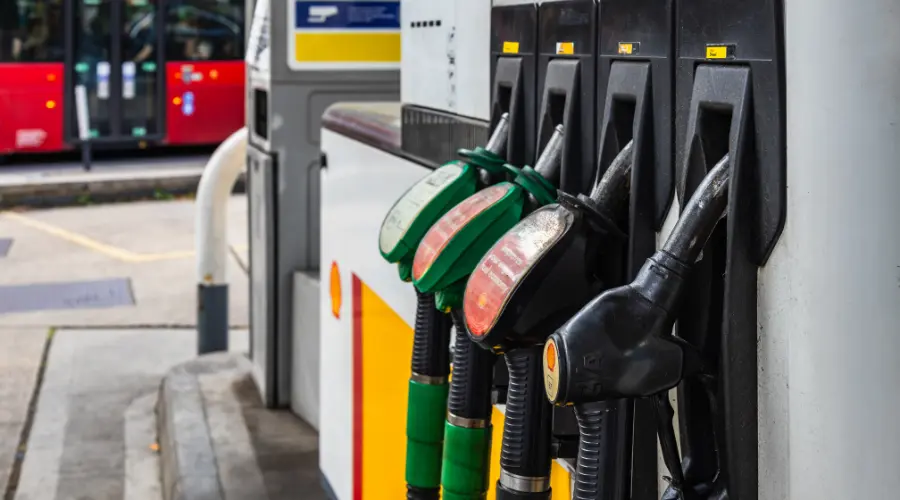
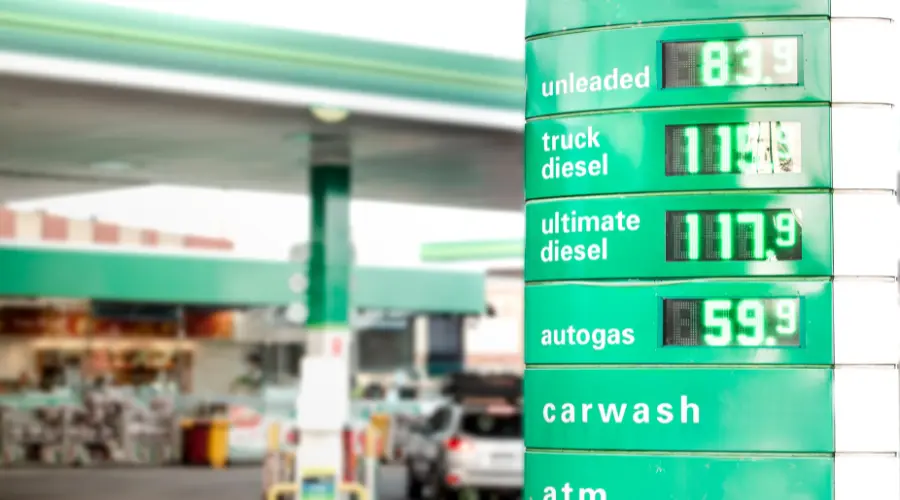
Fuel could raise the monthly inflation reading to 0.8%.
A model based on data available up to July 23 indicates that CPI could rise by about 0.8% month‑over‑month and be near 3.0% year‑over‑year.
The uncertainty range remains wide because average fuel prices cover only part of the month.
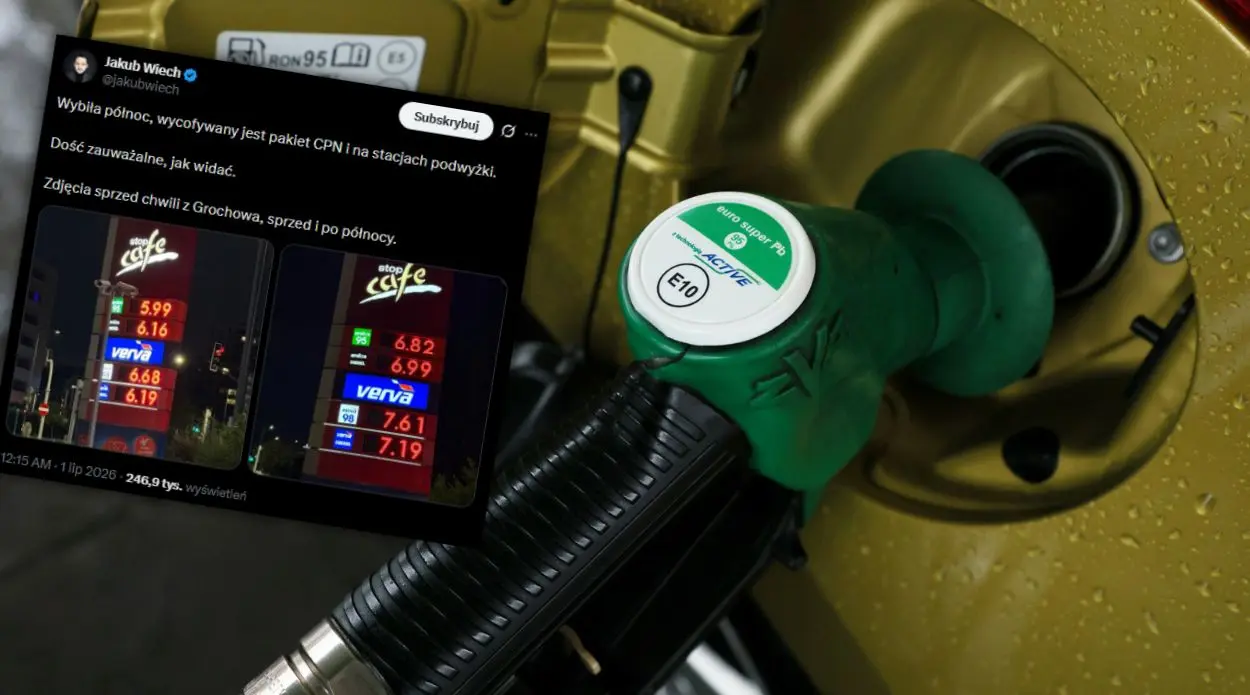
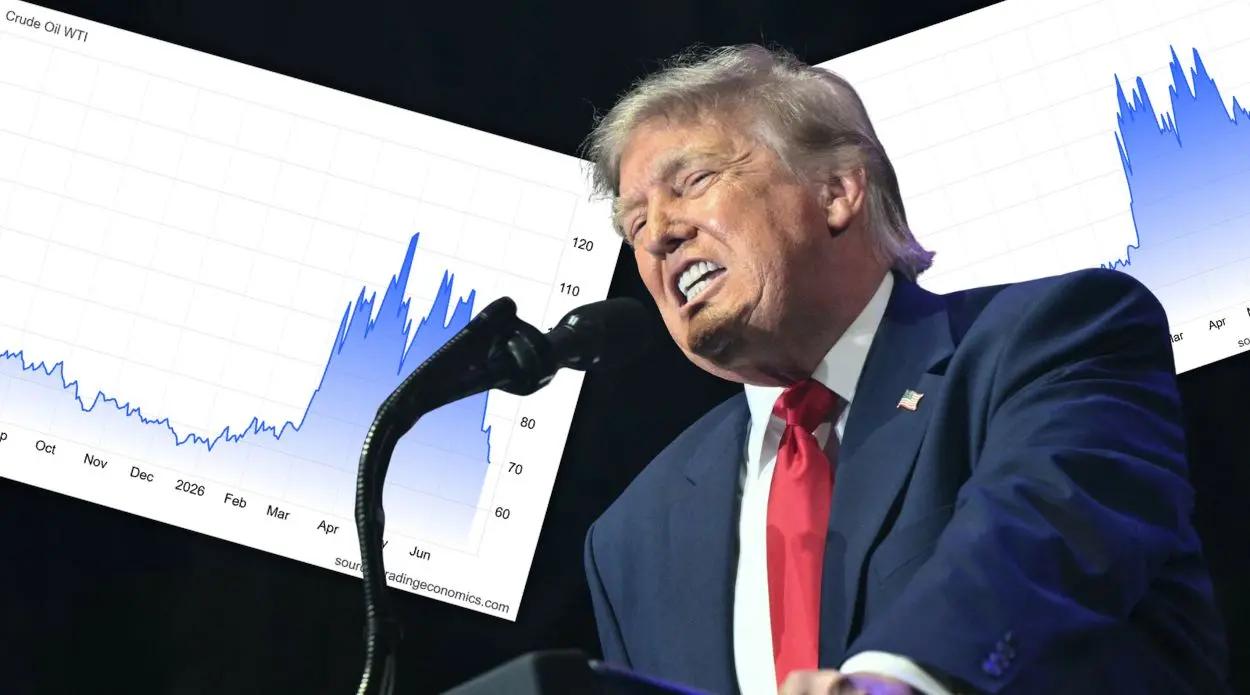
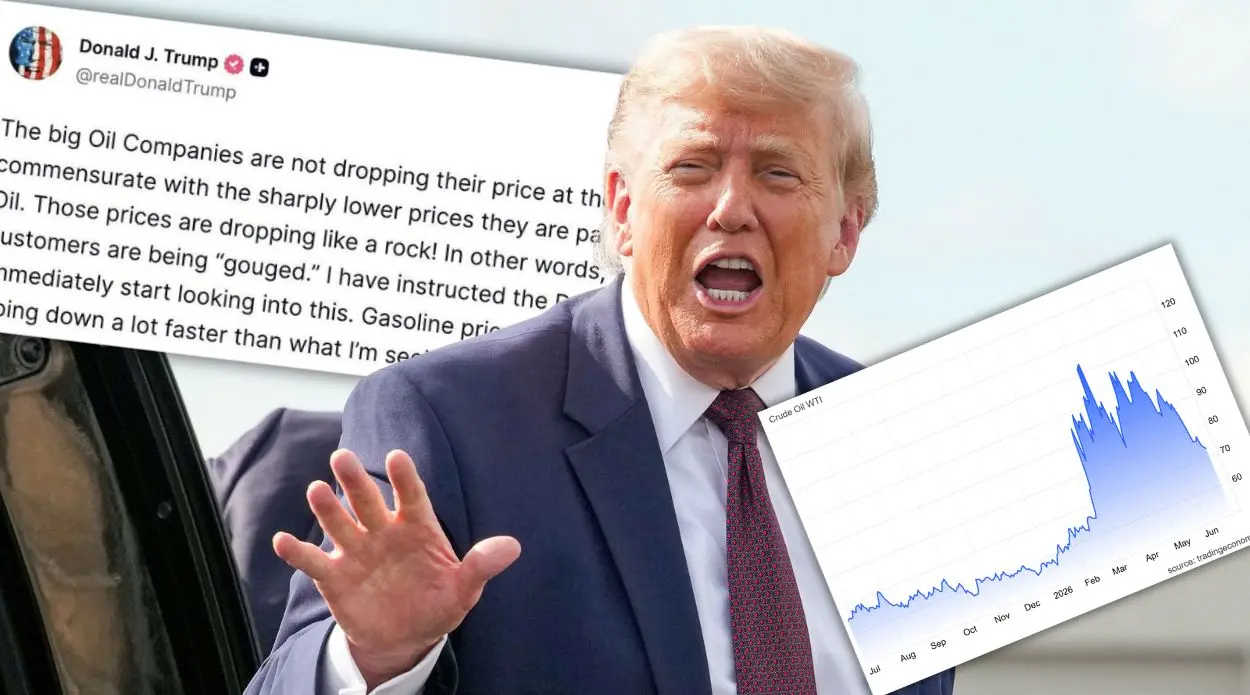
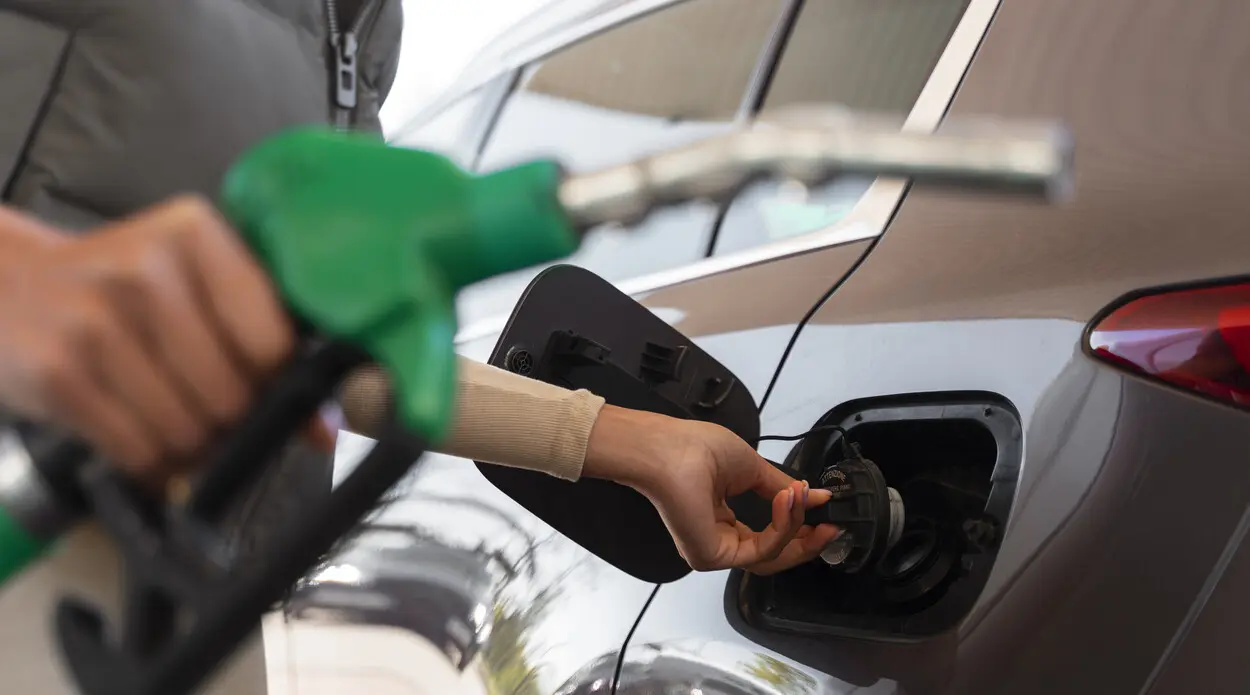
However, up to July 23 the average price of PB95 gasoline was almost 17% higher than in June, and diesel was close to 16% higher.
The model attributes about 0.8 percentage points of direct contribution to monthly inflation from fuel.
Inflation near the upper target limit of 3.5%.
The NBP inflation target is 2.5% with a band from 1.5% to 3.5%.
The July reading could therefore shift inflation back toward 3% and further toward the upper part of that band.
In subsequent months CPI could stay in the 3.3–3.6% year‑over‑year range if high fuel prices do not ease quickly.
The NBP July projection assumes an annual inflation of 2.9% in 2026 and about 2.7% in 2027.
The central bank has already factored in higher energy commodity prices.
At the same time such a profile would still assume that cost pressure weakens over time.
Interest rates may depend on the shock’s durability
A one‑off rise in CPI could limit space for rapid rate cuts, but by itself would not justify hikes.
RPP decisions may hinge on whether higher fuel remains a short‑term impulse or passes into transport, food and service prices.
Rate cuts are hard to view as a near‑term scenario today.
Conversely, hikes might appear in the debate only if the conflict extends, fuel prices stay high, and price pressure starts covering a broader basket.
In the base scenario risk remains tied to fuel, not to a lasting return of domestic core inflation.

The moderate scenario lifts CPI above target
The moderate scenario would assume the conflict lasts about a year, without a full collapse of oil supplies.
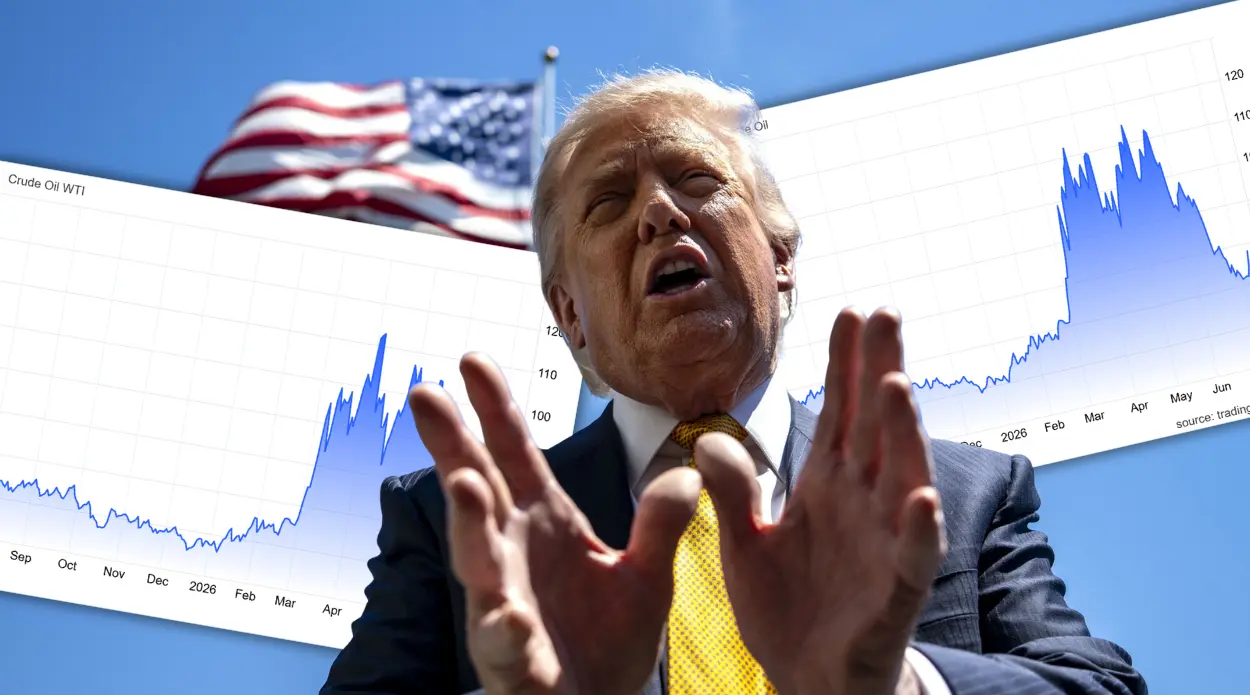
Brent oil would likely stay near $110 per barrel, the diesel crack spread would reach $50, and diesel would cost about 9 PLN per liter.
The model also accounts for an 8% depreciation of the zloty and a transfer of 60% of the cost shock to other prices.

This variant could raise the median peak CPI to 6.28% year‑over‑year over a 24‑month horizon. The 80% interval ranges from 5.65% to 7.06% year‑over‑year.
The rise would not be limited to fuel. After several months pressure would move through energy and food to goods and services prices.
Inflation at this level would remain clearly above the NBP target band.
RPP would likely not treat the shock as temporary, especially if higher fuel starts affecting core inflation.
This variant requires longer market tension and not just a single oil price spike.
The extreme scenario would require a prolonged Middle East crisis
A sustained rise in inflation would require a much stronger shock than the current station price hike.
The conditional extreme scenario would assume a conflict lasting, for example, 24 months, supply or transport restrictions, and no quick normalization in the fuel market.
In such a setup Brent would stay near $145 per barrel, and a high diesel processing margin would raise fuel costs more than the oil price itself.

The model also assumes a retail diesel price near 10 PLN per liter, an 18% zloty depreciation, and a transfer of about 90% of the cost shock to other prices. This last assumption describes a situation where firms raise transport, food, goods and services prices for many quarters, and cost increases are no longer confined to fuel stations.
Under these conditions the median simulation would raise CPI to about 10.7% year‑over‑year in mid‑2027. The 80% interval for the peak would be from about 9.0% to 12.7% year‑over‑year.
The result is not a forecast of likely events. It shows the scale of a global disruption that would have to persist long enough for inflation in Poland, and worldwide, to become broad and lasting.
Such a development could change RPP’s reaction. Rate hikes would then be considered not because of a single CPI reading but because the fuel shock would permeate core and expected inflation. For the economy this would mean a weaker zloty, higher financing costs and greater risk of economic slowdown. But that is not what will happen.