Russia's problems did not start today. They actually go back to 2014, when the Kremlin decided to attack Ukraine by taking Crimea. The apex, however, occurred in 2022, when the Russians decided to launch a full-scale war against Ukraine. The sanctions imposed on Vladimir Putin's country gradually plunged the Russian economy into crisis. To save the situation, Central Bank head Elvira Nabiullina began rotating gold reserves, in order to lower inflation. The peak occurred in October 2024, when interest rates reached a peak of 21%. From that moment on, they were gradually lowered. In April 2026 they fell to 14.5%.
Russian gold for sale
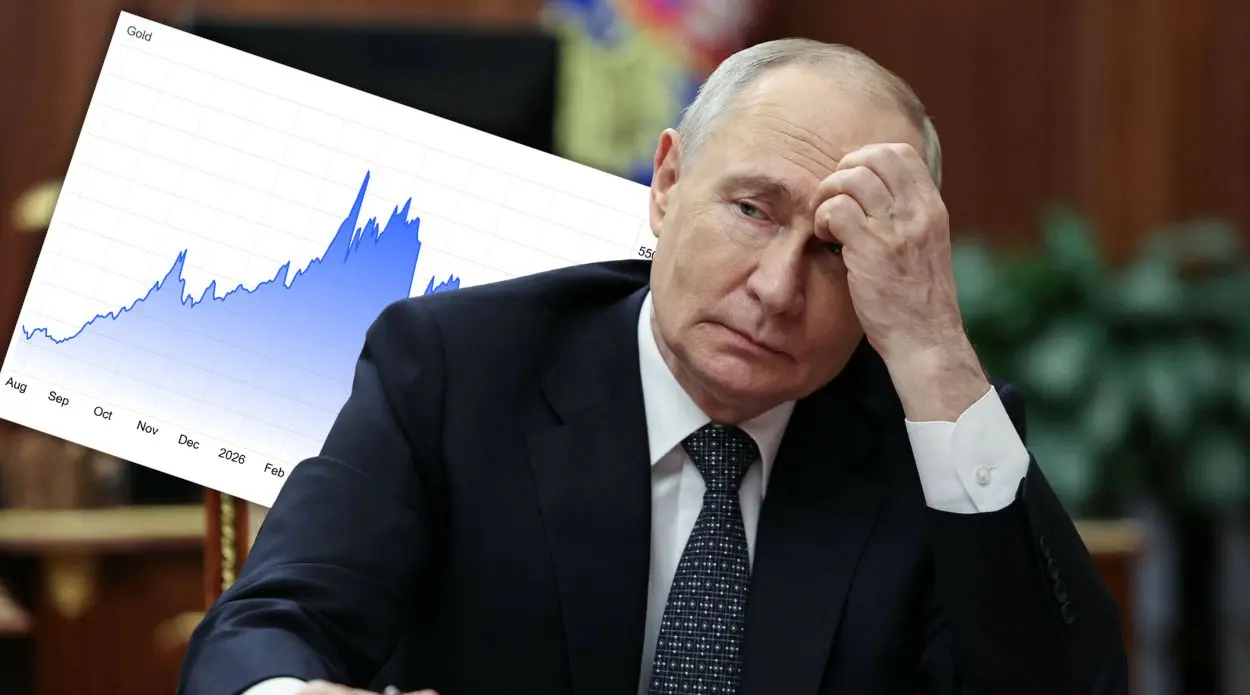
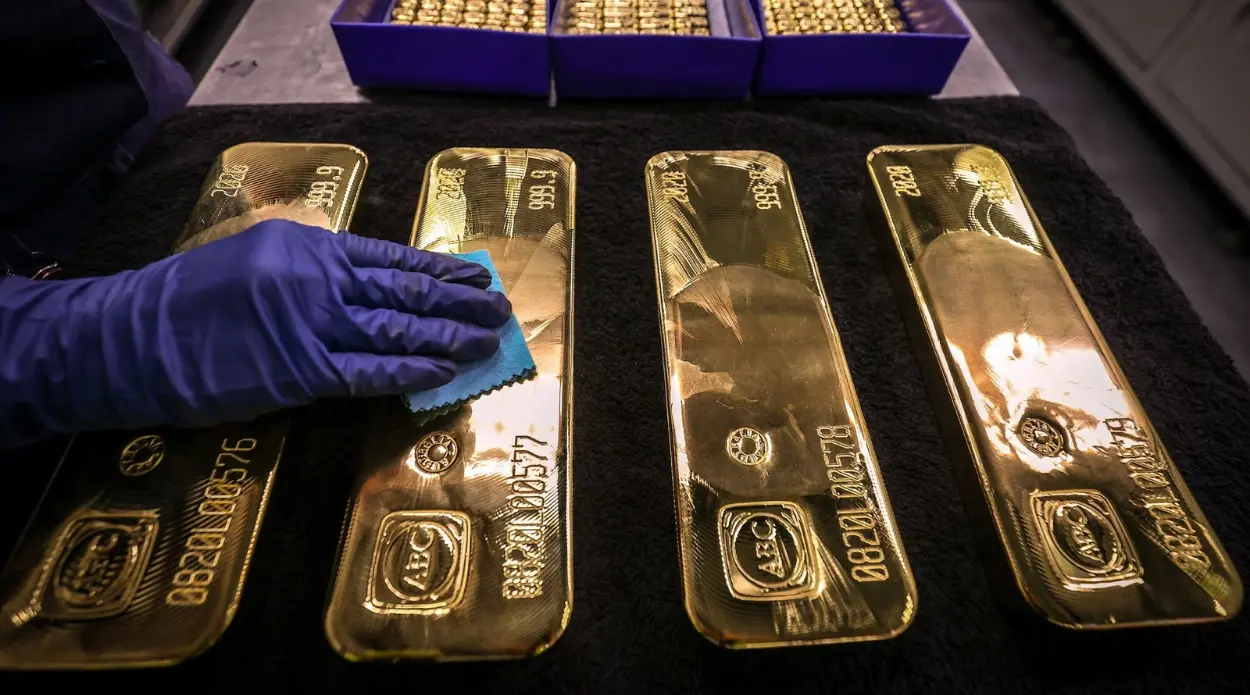
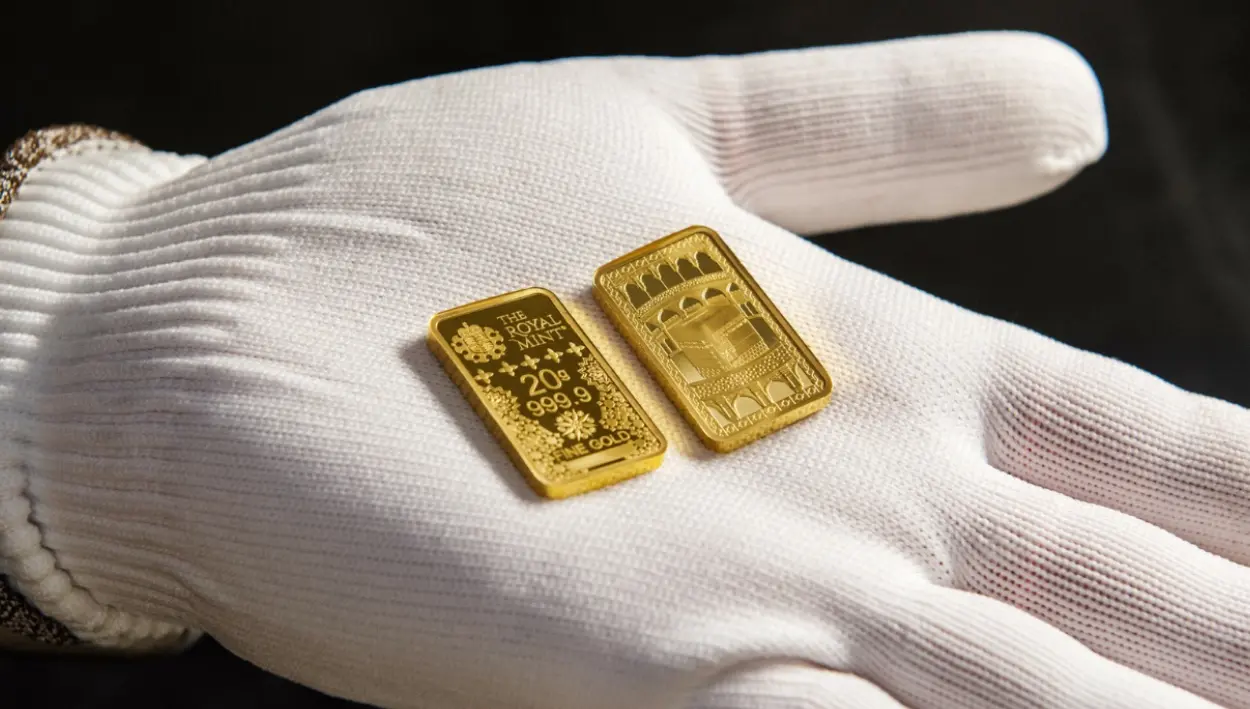
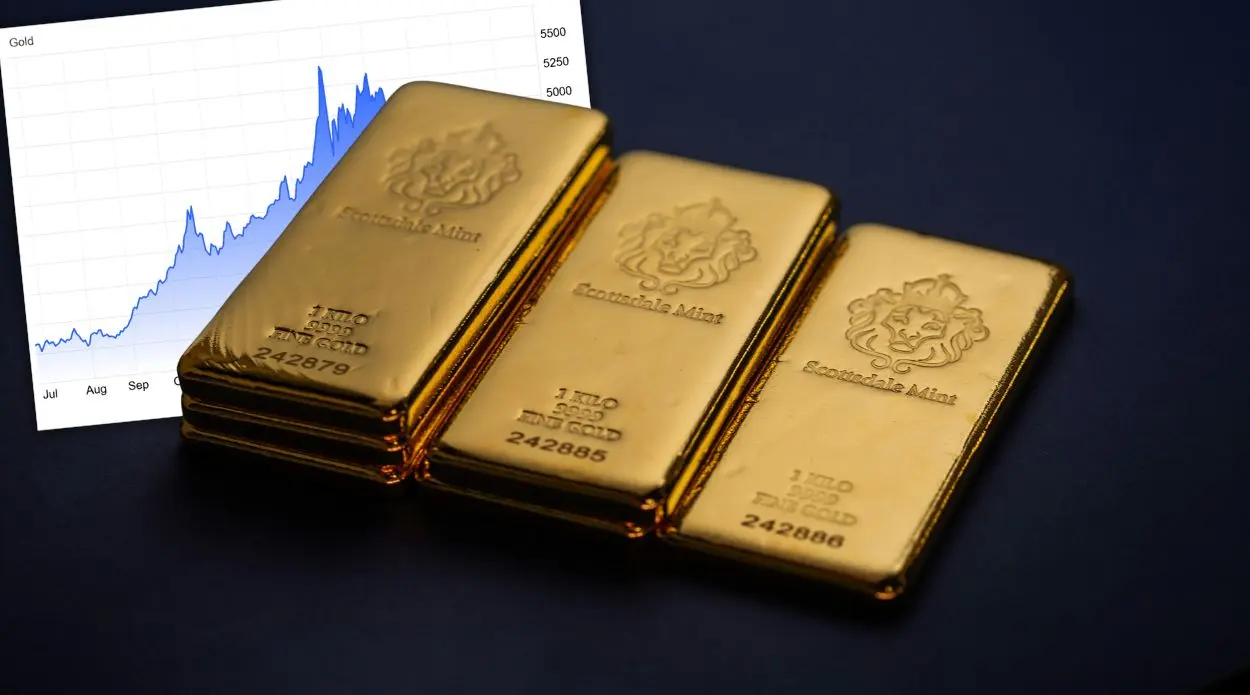
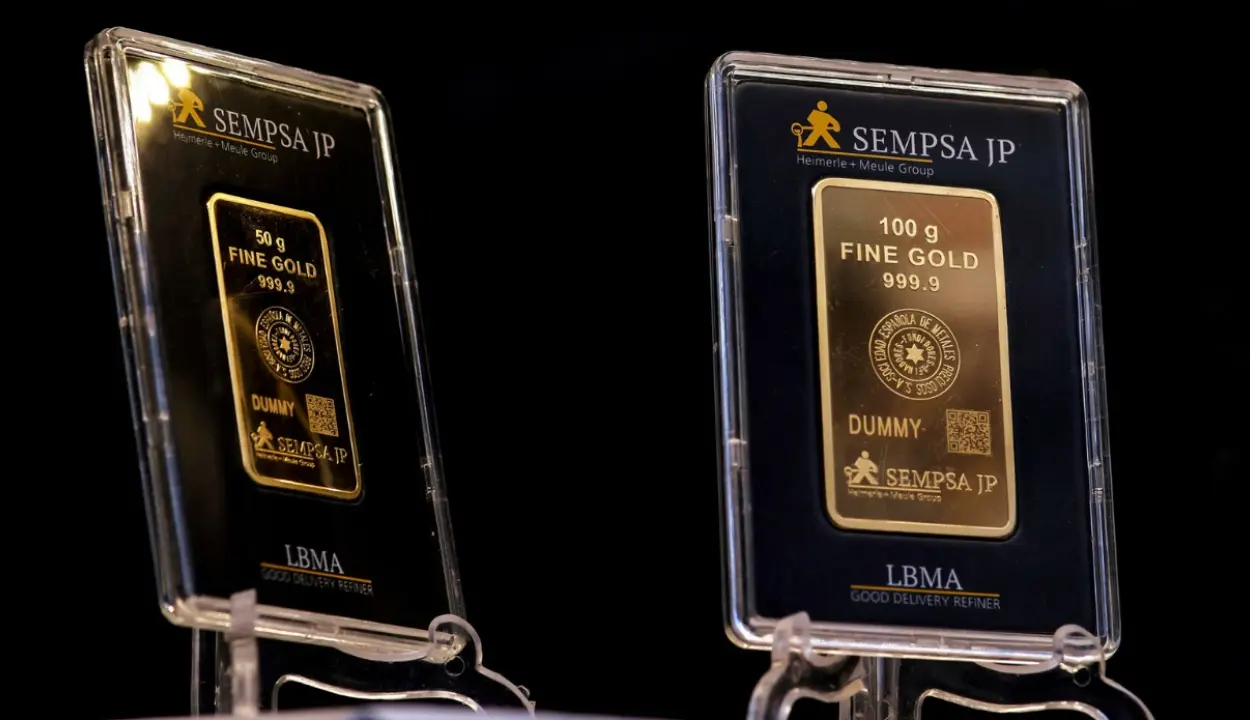
One way to improve the Russian economy is to sell gold. It should be noted that a large part of this precious metal from the National Welfare Fund (NWF) was actually transferred to the Central Bank, which helped keep the ruble's value in check. This meant that a large portion of the metal did not hit the market, but simply changed hands from one state institution to another. However, this does not change the fact that Russia's gold reserves have shrunk in recent years. By the end of May, their level was 2292.3 tonnes. This means that since the beginning of the year, their decline has been over 34 tonnes.
So far, Russia's sixth position in terms of the largest gold reserves is not threatened. The first place remains unchanged for the United States (8133 tonnes), followed by Germany (3350), Italy (2452), France (2437) and China (2313).
Rumors about the head of the Central Bank?
The difficult economic situation in Russia is increasingly becoming a reason for speculation about the need to change the head of the Central Bank. The position is held by Elvira Nabiullina. The reason for such considerations is her unwavering stance on monetary policy. The May reading on consumer inflation indicated her level at 5.3%. This is much lower than in 2022, when it was 18%, but significantly higher than the bank's inflation target of 4%. Despite high expectations, Nabiullina does not decide to further lower interest rates, for which she is criticized by both business representatives and politicians. Maintaining inflation at its current level helps keep a strong ruble. This is not welcomed by business and authorities, including Vladimir Putin himself. All this because a strong ruble means that profits from exports are low. As we know, this is one of the main sectors of the Russian economy. It involves, among other things, the export of Russian gas. At the same time, a strong ruble floods the market with imports, causing domestic producers to lose out.
Elvira Nabiullina's term ends in June 2027. According to the Financial Times, voices in Russia are saying that a faster change is needed. Among those who could replace her, the economic advisor to Putin - Maksym Orieszkin - and the head of one of Russia's largest banks, Promsvyazbank - Piotr Fradkow - are mentioned.
See also: Poland is borrowing massively! Public debt increased by almost 47 billion zlotys in one month