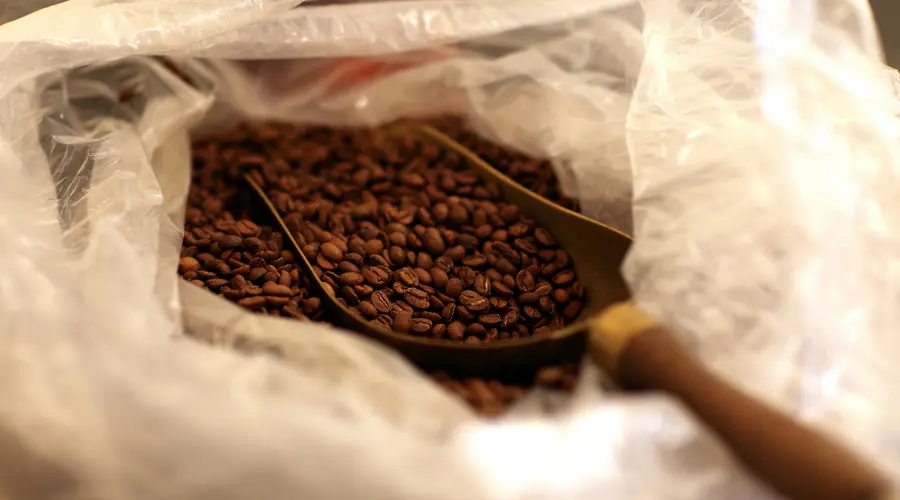
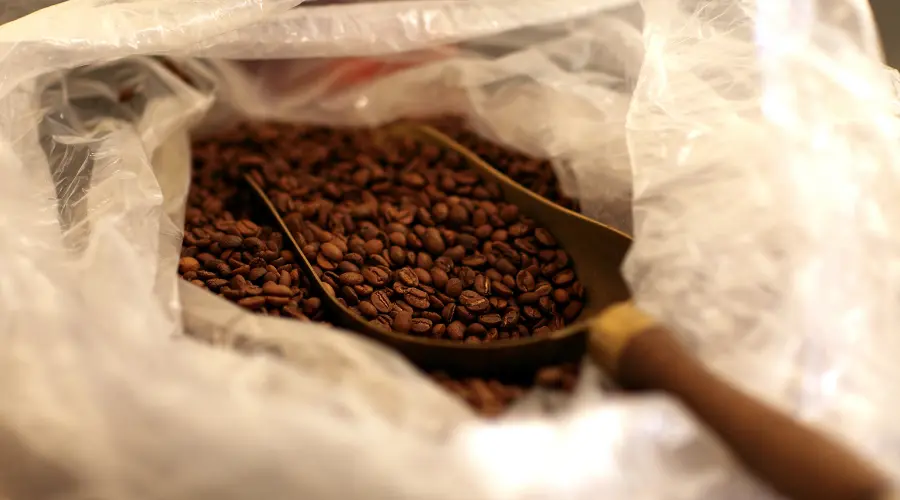
In October of last year we observed another peak close to 440 cents per pound, but since then the price has plunged to 250 cents per pound at the turn of May and June in anticipation of record harvests in Brazil. Now however the weather again imposes the market narrative and drives coffee prices up to as much as 350 cents per pound, recording almost the highest levels this year.
The coffee price on July 6 recorded the largest daily rise since 2000, at over 15%. Will we see another wave of inflation in the coffee market and other agricultural goods?
Weather rollercoaster and the “Super El Niño” specter
The main director of all the confusion is, as usual, the weather, which can hand out cards in an absolute way on agricultural markets. In the key Brazilian region of Minas Gerais, responsible for the lion’s share of Arabica production worldwide, powerful June rains first appeared.
In the week ending June 28, rainfall was almost 2000% higher than the historical norm, completely preventing machines from entering the fields and severely degrading bean quality, delaying harvests by 52% (vs. 60% a year earlier and 55% versus the 5‑year average). As if that weren’t enough, a drastic reversal followed almost immediately, with an absolute lack of rainfall (round 0 mm) at the beginning of July.
Coffee crops dislike variable weather, so such a 180‑degree reversal can cause the prospects for harvests in this and the next season to change dramatically.
The price effect on exchanges was immediate and textbook:
- During the July 6 session, September Arabica contracts recorded a spectacular one‑day jump of almost 18%, ending the session with a 15% rise, breaking the 350‑cent barrier for the first time since January. It was the largest single‑day price move since 2000.
- The cheaper and stronger variety, Robusta, was not left behind, rising 8% and surpassing $4,100 per ton.
It is worth emphasizing that the El Niño weather phenomenon affects Brazil’s weather in a mixed way, but has a clear impact on coffee production in Southeast Asia. Strong droughts cause Robusta production to start falling noticeably.
In response to changing weather outlooks, investment funds began to cover short positions in panic, reacting to the official formation of an El Niño weather anomaly in the Pacific. Synoptists now give a 67% chance of the destructive “Super El Niño” version arriving, threatening the proper blooming of coffee trees.
Fertilizers, labor costs and empty warehouses
If you expect distributors and café owners to take these hikes onto their own shoulders, look the truth in the eye, because market fundamentals are ruthless for consumers:
- Certified Arabica inventories monitored by the ICE exchange shrank to the lowest level in over 2 years. Physical goods on the market simply begin to run out. Despite USDA data showing a surplus for several years, global inventories continue to decline.
- In Vietnam (a key Robusta producer) farmers fight early drought and drastic annual cost pressure. Fertilizer and fuel prices jumped 30% year‑on‑year, and labor costs rose another 33%.
- Historical analyses of recent years show that August can be one of the best months for coffee prices in a year, and the growth potential based on the 5‑year average could last until the end of the year.
Inflation across the menu, not just coffee
To complete the bleak picture of the market, it is worth looking at other soft commodities, because coffee is not an isolated island of inflation. Sweet lovers also have to prepare their wallets. Cocoa, which after a spectacular price rise in 2024 recorded a deep crash to $3,000 per ton in early April 2026 (caused by powerful demand destruction and recipe modifications by producers), suddenly shot up at the turn of June and July, recording the highest levels since January.
Exactly during the same hot session on July 6, the September New York cocoa contract rose about 13–14%, reaching a 6‑month peak at $5,700 per ton. Why? Almost twin: excessive rains in West Africa, which flooded transport routes and caused tree disease epidemics, and additionally had a negative impact on previously unsold cocoa that may now be unsuitable for any deliveries.
It seems that after a brief spring break, consumers must prepare for a return of inflation. The combination of unpredictable El Niño weather anomalies, relentless pressure on production costs (expensive fertilizers, fuels, labor) and dramatically shrinking inventories makes our daily pleasure of a cup of favorite drink in the near future potentially a luxury good. It’s time to get used to the thought that we will have to pay much more in the coming months for our morning wake‑up.