Recent data released by the Russian central bank and cited by the newspaper Rzeczpospolita paint a picture of increasing pressure on the domestic financial system.
Vault at the bottom? Largest gold sale since 2002
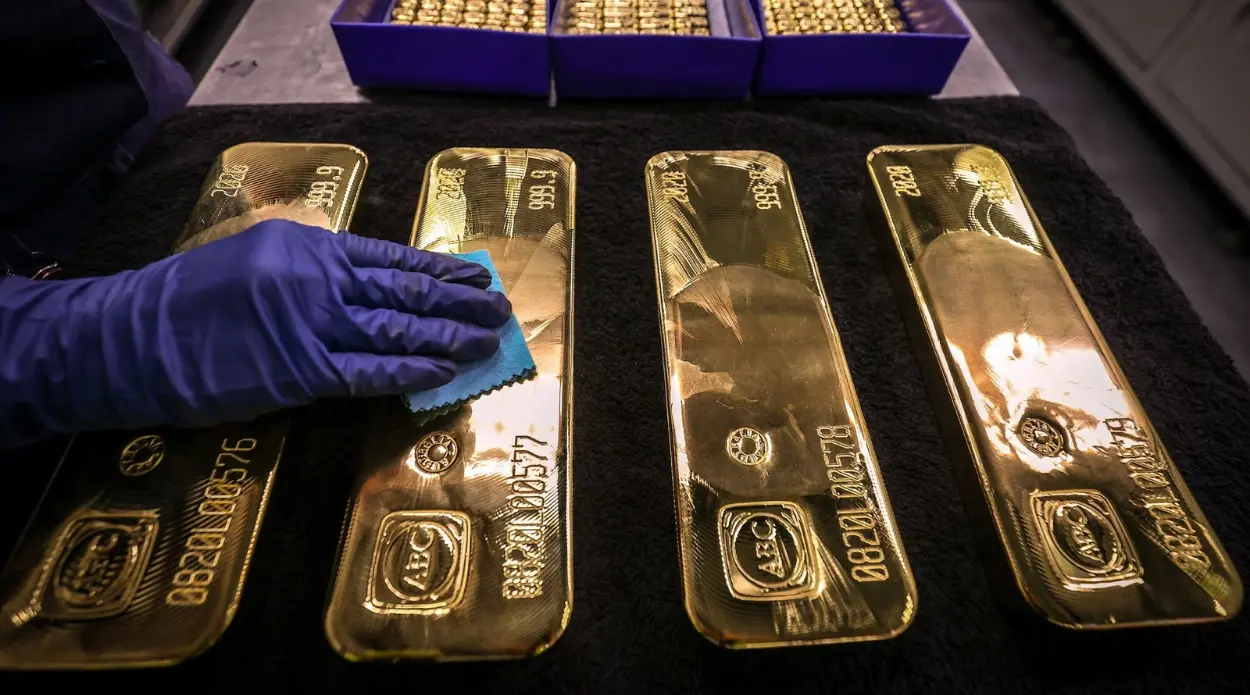
The Bank of Russia has been selling its precious metal reserves for the sixth consecutive month. Since the beginning of 2026, 1.4 million troy ounces have been removed from the vaults, amounting to nearly 43.5 tonnes of gold.
The scale of this operation impresses even market sharks. June alone saw reserves drop by another 9.3 tonnes, and at the beginning of July the total gold stock was 2,283 tonnes, the lowest level since February 2020.
As Rzeczpospolita notes, citing analyses from the World Gold Council, a similar pace of reserve disposal was last observed in 2002.
At that time, 36.1 tonnes were sold in six months. By comparison, during the COVID‑19 pandemic crisis Moscow sold only 7.6 tonnes. This year’s sale could inject the Bank of Russia with roughly 5.6 billion USD in cash.
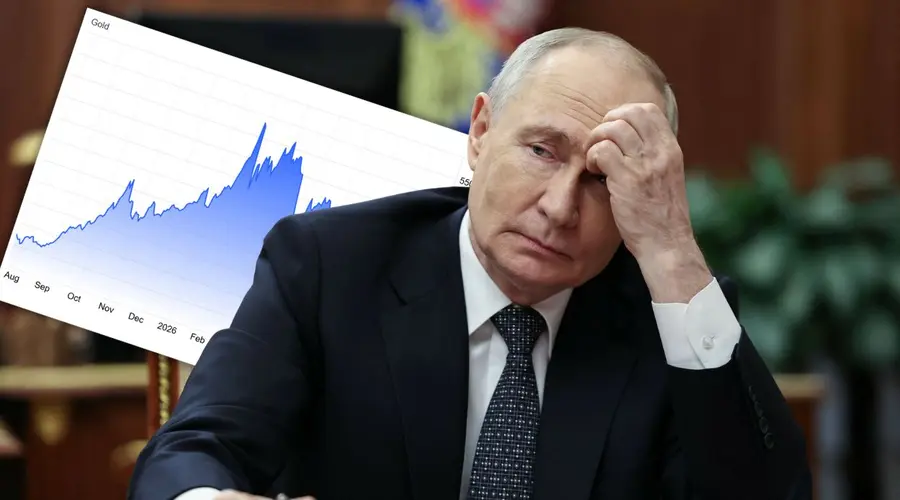
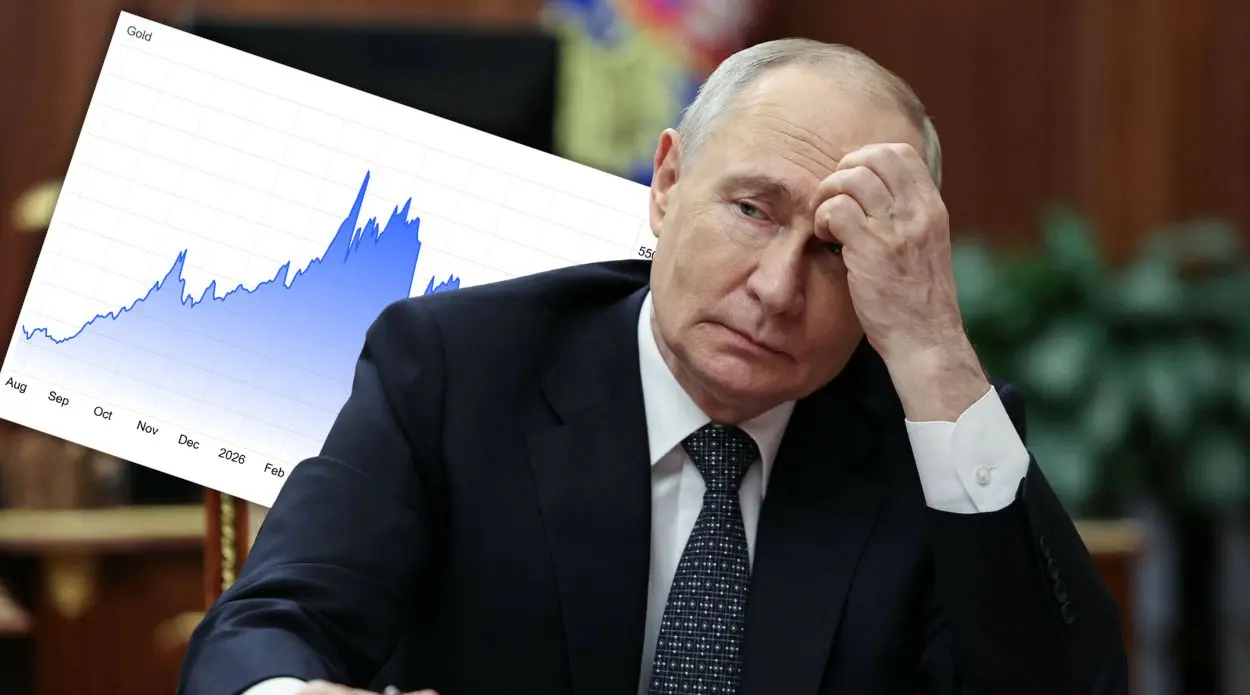
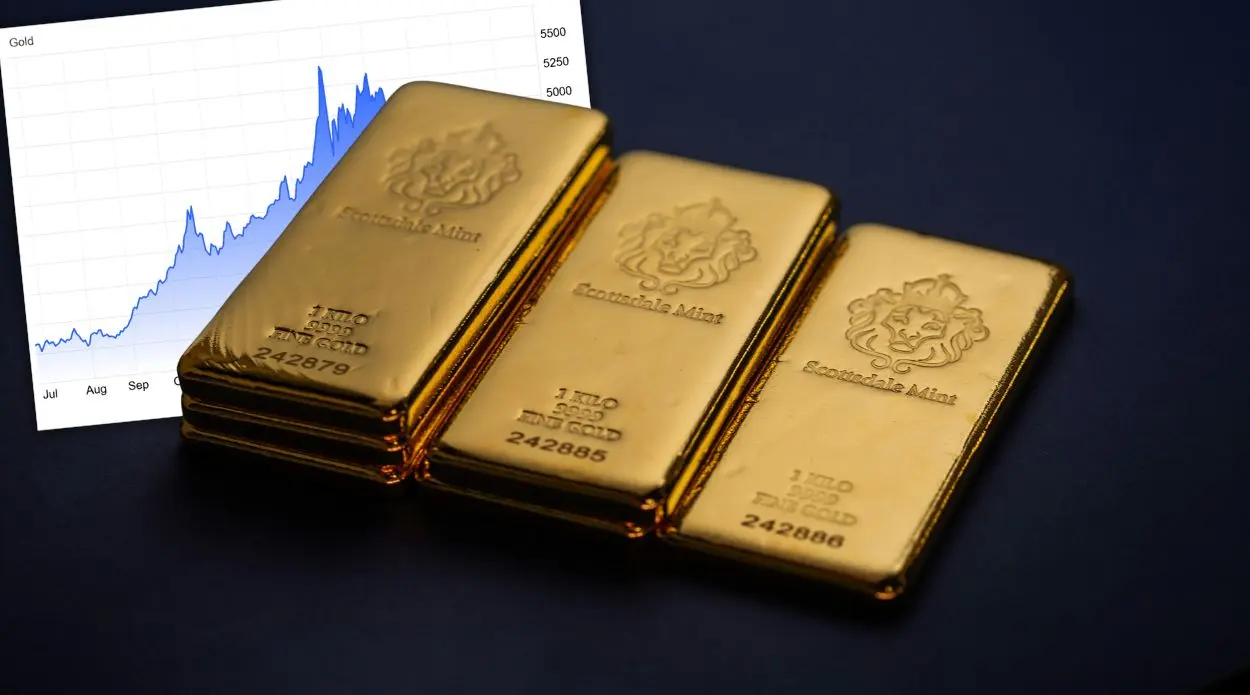
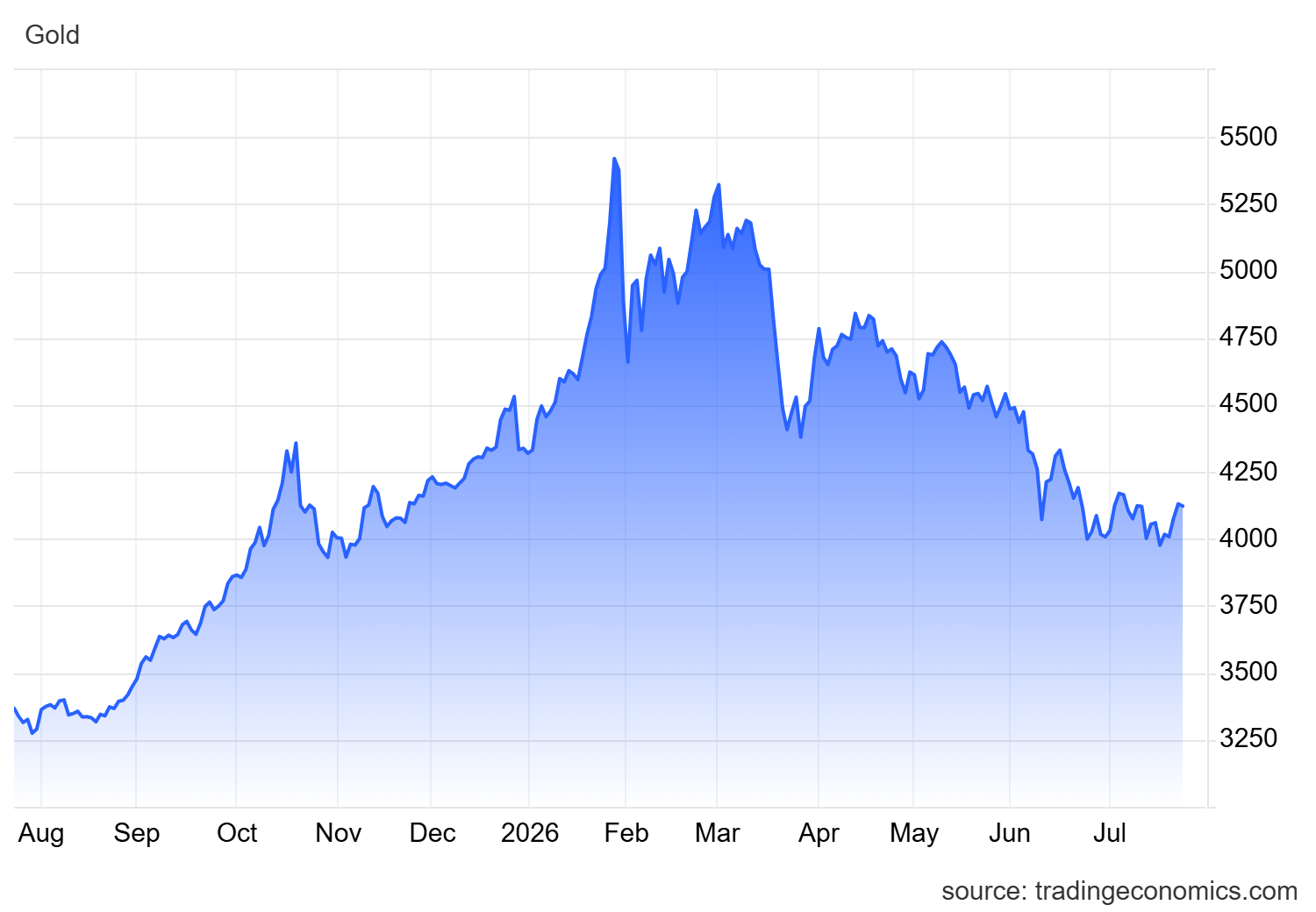
It is worth noting that gold remains well below historical peak levels, and on July 23 it was at a trough of 4,122 USD per ounce.
Chart. Spot gold price (XAU/USD)
Source: Trading Economics.
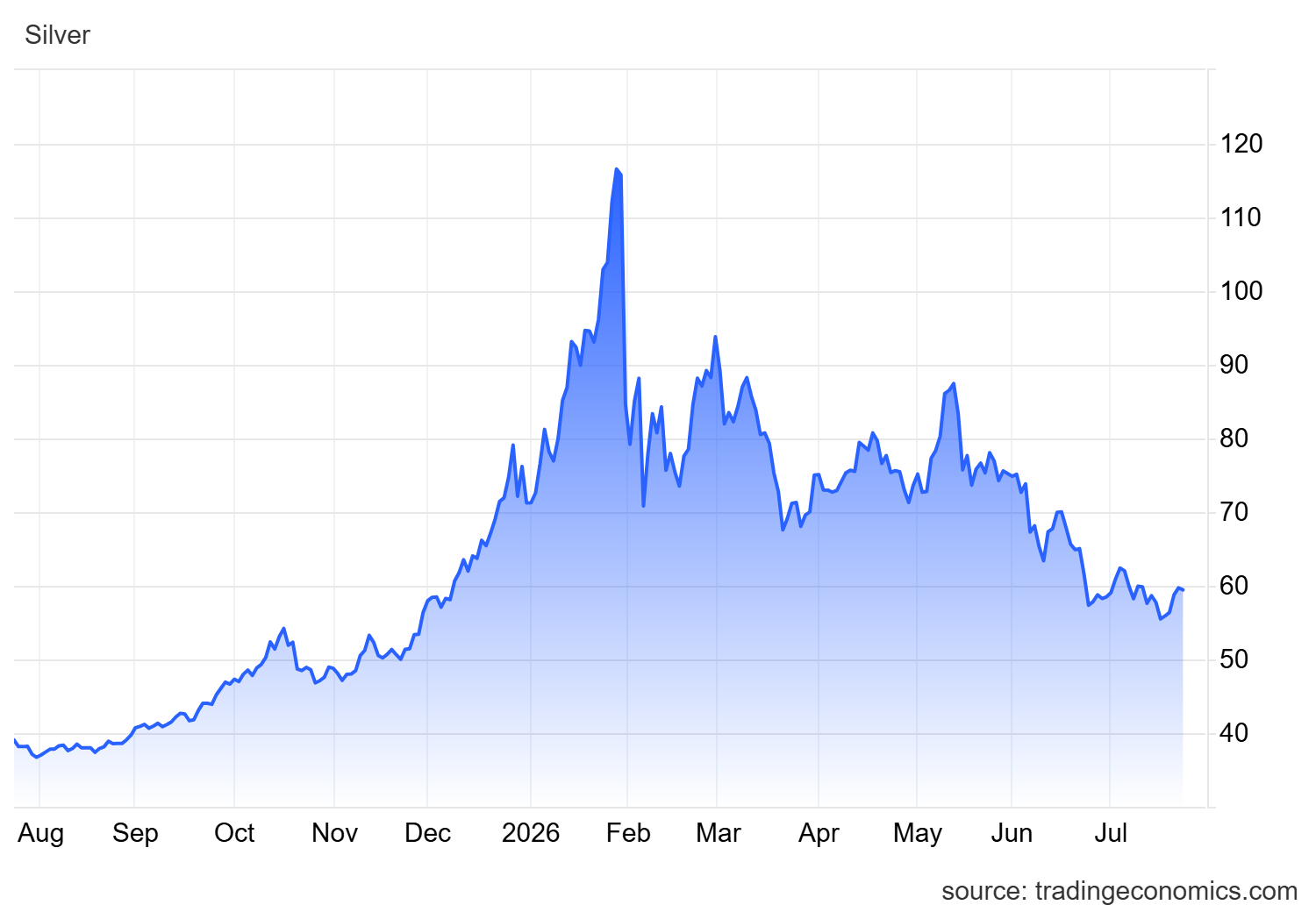
Silver also falls and currently sits at 59 USD per ounce.
Chart. Spot silver price (XAG/USD)
Source: Trading Economics.
See also: They’re now moving funds into the dollar! USD and oil rise, gold and Bitcoin fall
Patch the budget hole and play the ruble rate game
What actually drives Russian financiers? As Władimir Czernow, a Freedom Global analyst notes, the key is financing a rapidly growing budget deficit.
When oil and gas revenues fall below the budget rule assumptions, the central bank is forced to tap reserves.
Gold proves to be an ideal buffer because it is located directly in the country, has surged in value on global exchanges, and, above all, unlike foreign currency assets, it has not been frozen by Western sanctions, so it can be liquidated quickly and smoothly.
However, there is another tactical move: the Bank of Russia wants to protect its Chinese yuan reserves at all costs. This is currently the only liquid and safe currency that Moscow can use to intervene in the foreign exchange market and rescue the falling ruble rate.
Instead of using yuan, Moscow throws physical gold into the reserve, patching the widening budget hole.
See also: Central banks rush to gold. XAU/USD still delivers disappointment
Stock market boom in Moscow and transaction back‑stage
Who is buying dozens of tonnes of Russian precious metal during full‑scale sanctions and a SWIFT connection blockade? The answer lies in the local secondary market. According to experts quoted in Rzeczpospolita, the main buyers were domestic commercial banks.
Transactions were carried out via the Moscow Exchange and the over‑the‑counter (OTC) market. Data from the trading floor clearly shows that metal turnover has surged this year. For example, in March alone, transaction volume reached 42.6 tonnes, of which 14 tonnes were physical gold.
The regime simply pushes state gold into the balance sheets of commercial institutions, seeking liquidity at all costs.
Such a move also highlights a clear weak point in the Russian machine. Selling gold at a pace not seen for almost a quarter of a century is a clear signal that existing reserves are drying up, and Moscow’s financial cushion is slowly deflating.
If metal prices fall or local banks exhaust their purchasing power, the Kremlin’s finances will face an unprecedented challenge.
See also: How to buy gold safely? A beginner’s guide for investors
Source: Rzeczpospolita.