Loneliness that the municipality does not see
Poland is aging faster than local support systems learn to respond. In 2024, older people made up more than 26% of society, and by 2060 their share could exceed 38%. Yet none of the audited units created a system to identify lonely seniors or a separate database of their situation.
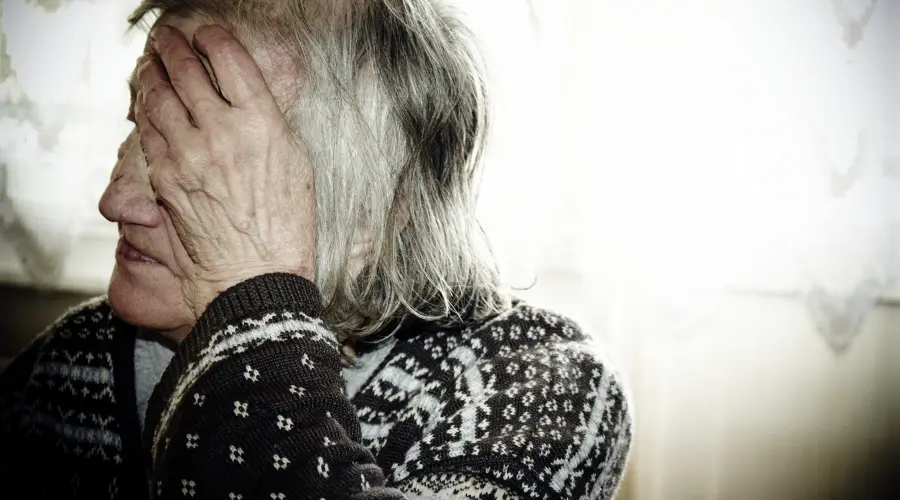
A senior living alone, on a high floor without an elevator, with limited mobility and no close family can remain out of reach of help for months. The center learns about them only after a signal from a neighbor, police, clinic or ambulance.
The surveyed centers provided home support to just over 5% of seniors on average. Assistance was most often given to those over 80, but even in this group only about 10% received help.
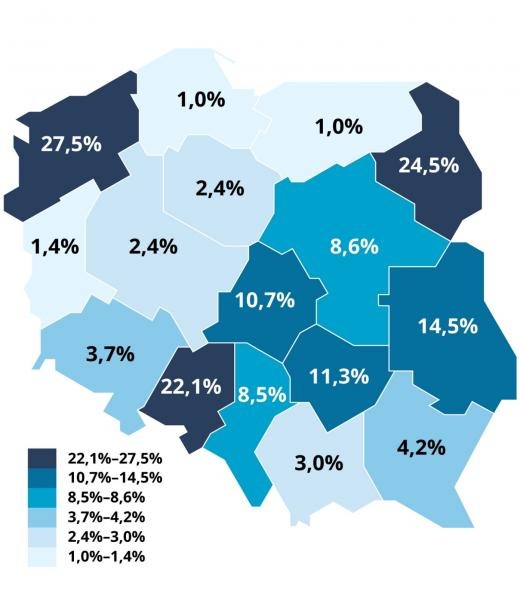
As part of the audit, information was obtained from all voivodes about the aforementioned forms of assistance for older people provided in 2022-2025 (first half) by rural and urban-rural municipalities. The data show that in 275 of them, i.e., in over 12%, no care services were provided to older people at home. In 185 municipalities across all voivodeships, older people had no access to care services or specialized care services, nor to home care services in the form of neighborhood services, i.e., services specified in the Social Assistance Act. - we read in the NIK entry.
Help works when it truly reaches the home
Senior citizens want to stay in their homes for as long as possible. Home care allows them to maintain independence, daily rhythm and contact with their surroundings, while also reducing the prospect of 24‑hour institutional care.
Nearly 70% of surveyed seniors said that the services received significantly helped them stay in their own homes, and about 75% rated their impact on independent living positively. Municipalities develop several forms of support, including care services, specialized assistance, neighborhood services, personal assistance, and Day Homes and Senior+ Clubs.
Where standards, individual plans and qualified staff were in place, help addressed specific needs from nursing and rehabilitation to transport, counseling or handling official matters.
The problem began with organization. Vague decisions, lack of activity descriptions and undocumented supervision made it difficult to assess service quality. Delayed funding caused breaks in care or blocked the hiring of specialists.
The most expensive help is the one given too late
In over 12% of rural and urban‑rural municipalities, seniors had no access even to basic home care services. In 185 municipalities no statutory form was offered – neither care, specialized nor neighborhood services. In areas where public transport disappears, young people leave and older ones stay alone, such a gap quickly becomes a threat. Municipalities should continuously assess seniors’ situations, taking into account health, income, housing conditions, family relationships and local barriers. Clear standards, documented monitoring and funding that reaches local governments before a care gap appears are also needed.