At the same time core inflation remains relatively stable and still hovers at an elevated level of 3.0% YoY. As a result, the short‑term inflation picture improves, but its structure still justifies a cautious approach by the RPP and maintaining unchanged interest rates.
The CPI inflation index in Poland has for the second month in a row surprised with a lower-than-expected reading. According to preliminary estimates, inflation slowed in June to 2.5% YoY from 3.1% in May (our forecast: 2.7%, consensus: 2.8%). As before, the surprise was mainly due to non‑core categories.

Oil price decline offsets the return of higher taxes at stations
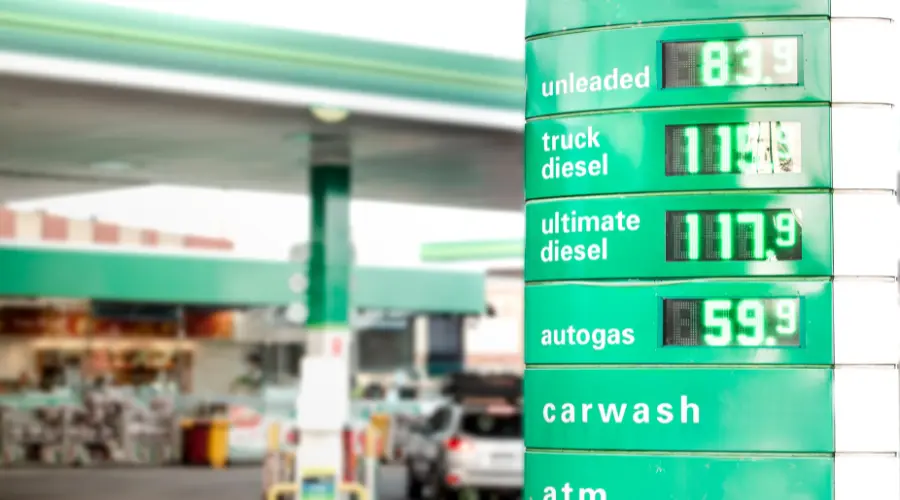
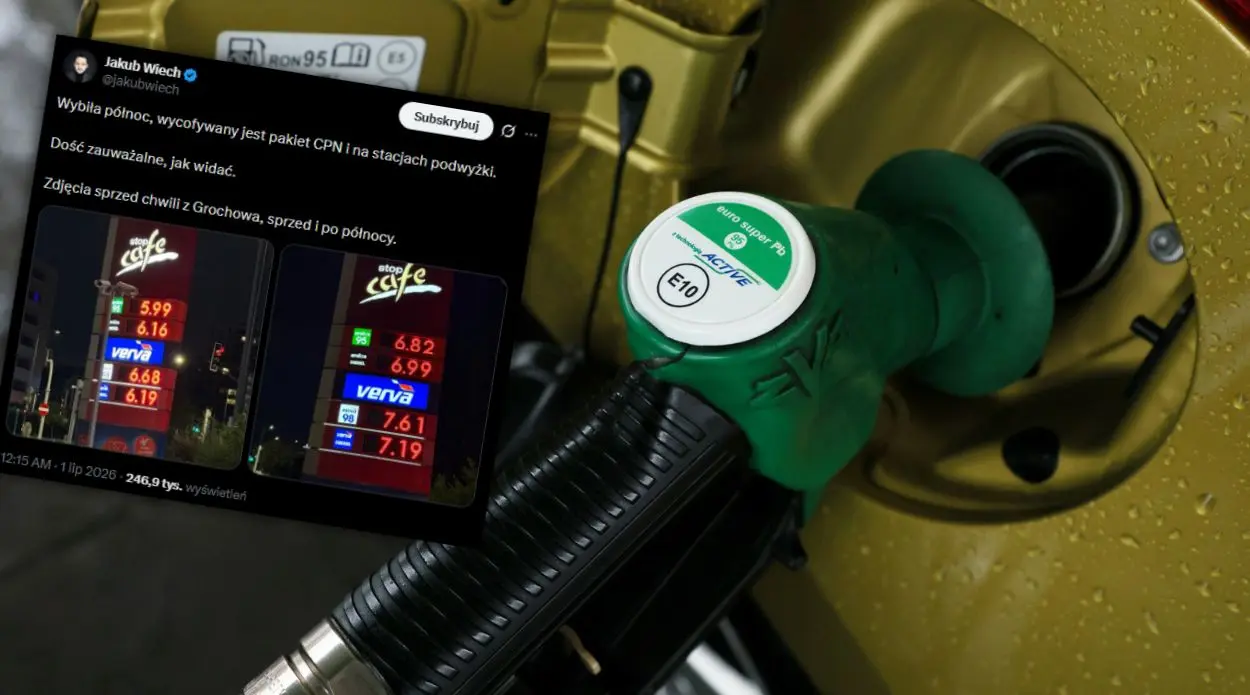
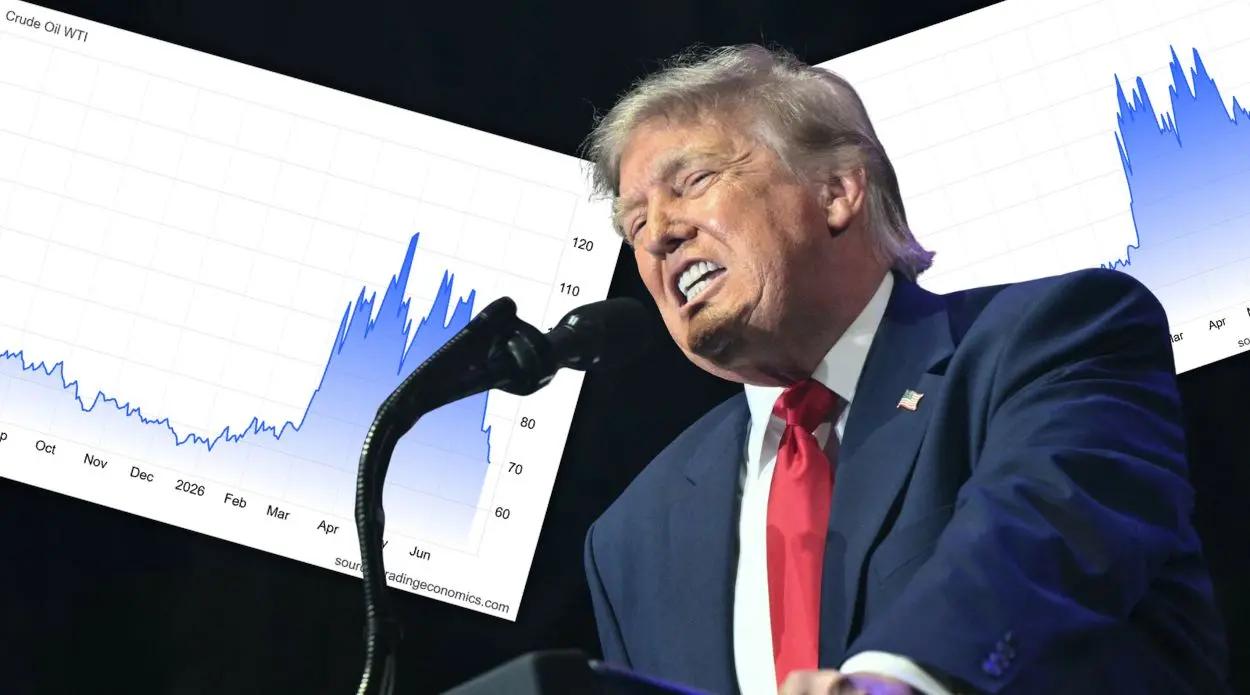
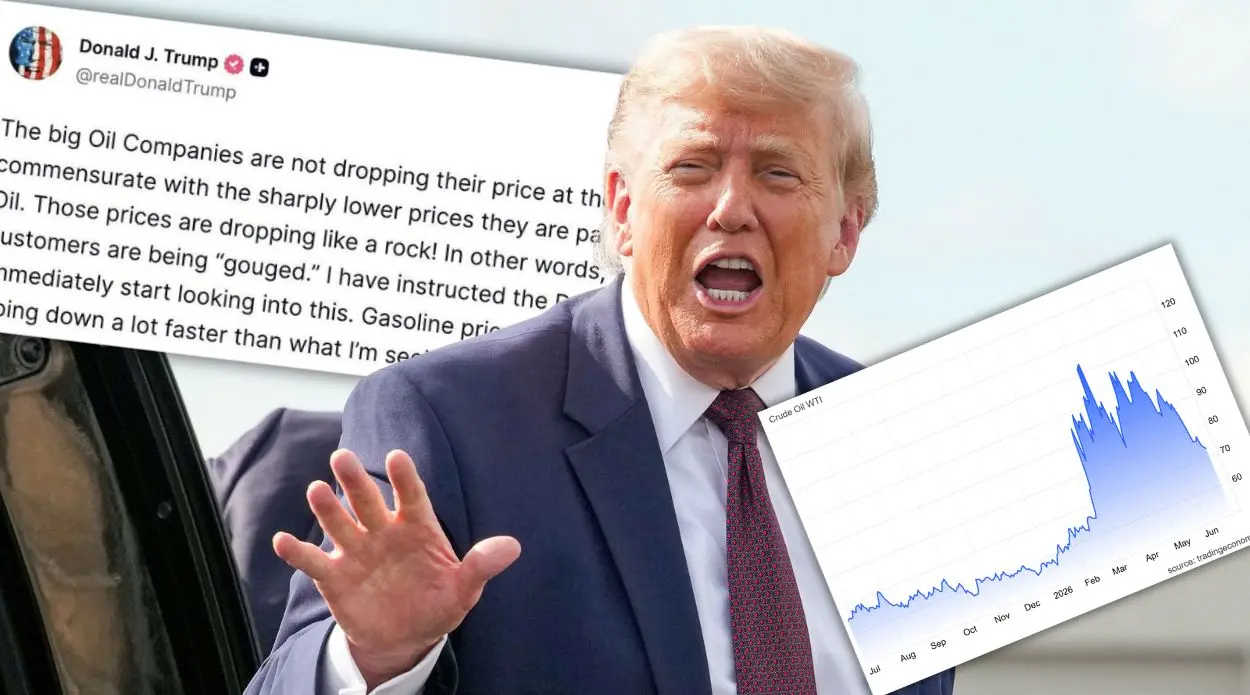
The slowdown in inflation was mainly due to lower fuel prices, which fell by more than 7% compared to May. In June the CPN program was phased out – from mid‑month the standard excise rate on fuels was reinstated (0.29 PLN per litre of gasoline and 0.28 PLN per litre of diesel).
From July, a higher basic VAT rate of 23% will apply, and administratively set maximum prices will cease to exist.
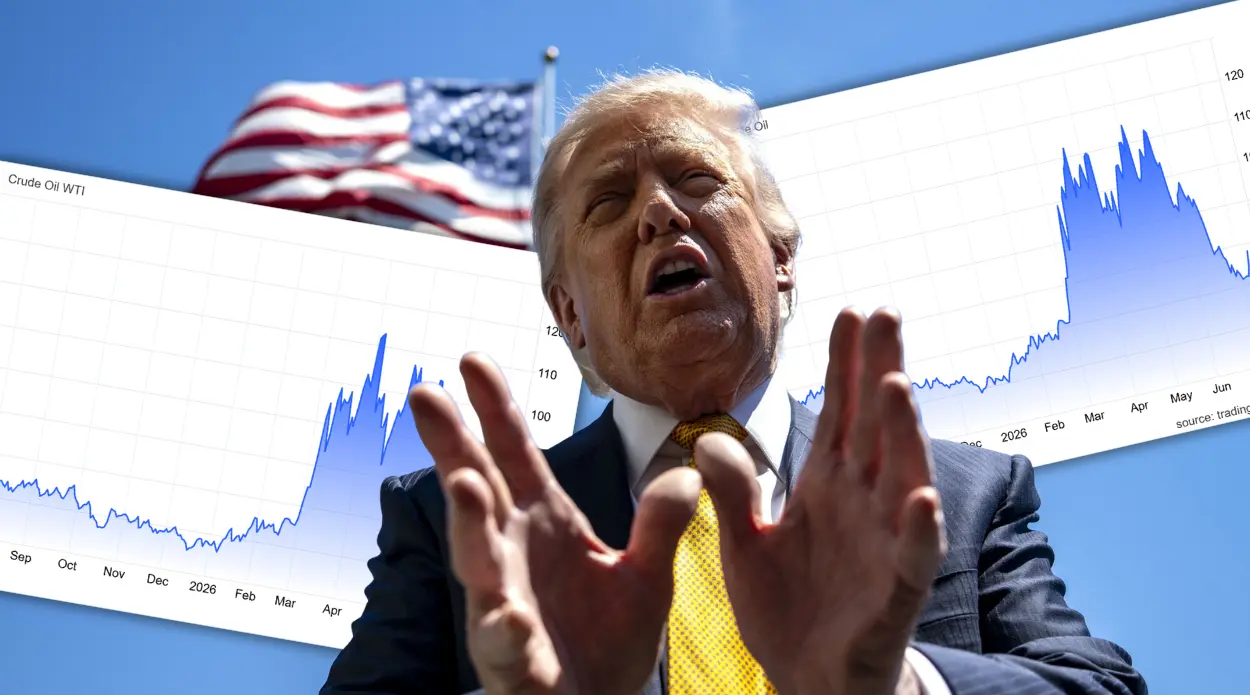
However, the end of the CPN program will not cause fuel prices to return to the levels seen at the epicenter of the fuel crisis – they will be mitigated by a simultaneous strong decline in global oil prices.
The de‑escalation of tensions in the Middle East and improved expectations regarding supply security have caused commodity prices to fall so sharply that the July tax‑change impact on inflation will be noticeably smaller than expected a few weeks ago.
Food prices still do not generate inflationary pressure – they were 0.7% lower than a year ago. We remember how in May they surprised with an exceptionally strong, unprecedented seasonal drop, and June data confirm that price pressure in the food market remains limited. This is helped by relatively low agricultural commodity prices and favourable supply conditions.

The only sticking point in the current inflation picture is core inflation, which remains at an elevated level of about 3.0% YoY and remains the main (perhaps only?) argument against starting a discussion on rate cuts this year.
What will the RPP do with all this? In July the NBP will publish a new inflation projection. Although it should take into account the recent improvement in the oil market, the inflation path presented by the central bank will likely remain higher than current market expectations. The RPP will probably continue to emphasize geopolitical risks and the possibility of a renewed rise in energy commodity prices, maintaining a wait‑and‑see strategy.
At the same time, the last two months of inflation surprises and the lower expected effect of the fuel crisis on national inflation, which we described in the last report, forced us to lower the forecasted inflation path. We now expect inflation in the second half of the year to move in the range 2.5‑3.0% YoY.