Pensions in Poland up again. Economy resilient to conflict
Construction and installation production rose 3.9% YoY compared to 4.5% in April, and after seasonally adjusting it increased 0.8% MoM, indicating that for the third month in a row we see an improvement in the construction sector.
Nevertheless, construction activity remained below the level at the end of 2025, meaning the sector has only partially recovered from the sharp winter decline.
Real retail sales growth rose to 3.0% YoY from 1.3% in April, and after eliminating seasonal factors it increased 0.4% MoM in May.
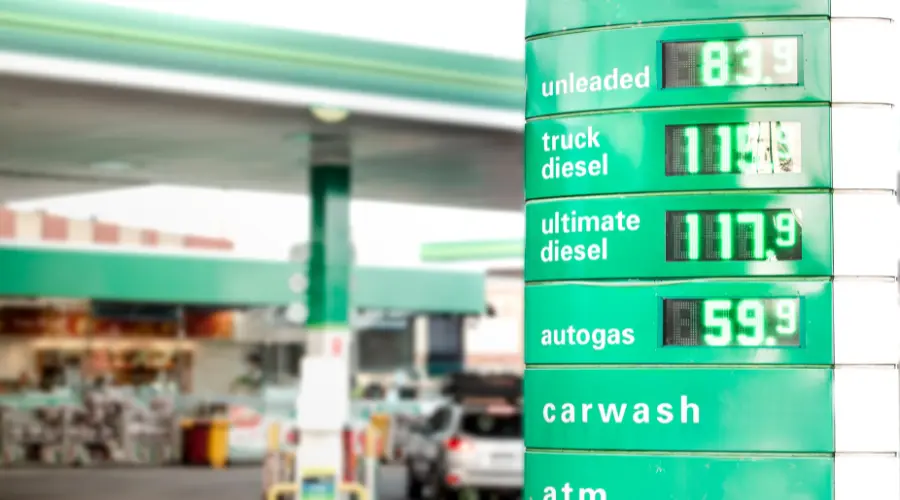
The main factor limiting retail sales growth in May was a slowdown in fuel sales, which in our view was due to a less favorable holiday schedule in the May period compared to the previous year, as well as persistently high fuel prices.
In other categories reported by GUS, annual growth in constant prices was recorded, confirming the persistence of strong consumer demand.
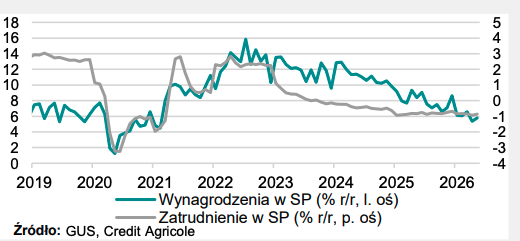
According to May labour market data, employment in the enterprise sector fell 0.9% YoY, similar to April, while wage growth clearly increased to 5.8% YoY from 5.4%, and real wage fund growth rose to 1.7% YoY from 1.1%.
The rise in wage growth was partly due to a shift of variable components of mining remuneration. Overall, May data signal that the conflict in the Middle East has so far had a limited negative impact on Poland’s economic situation, thus supporting our forecast of a 3.3% annual GDP growth in 2026.
German economy down again
Last week preliminary June PMI indices for the euro area and Germany were released. In the euro area, the composite PMI rose to 49.5 in June from 48.5 in May, remaining below the 50 threshold for the third month in a row.
The improvement was due to a rise in the services activity index (48.9 vs 47.7), while manufacturing growth slightly weakened (51.2 vs 51.3). New orders fell to the lowest pace since March.
Although new industrial orders rose, the decline in new export orders was not enough to offset the drop in services new orders. Positive signals also came from PMI price components. The input price index fell to its lowest level since the start of the Middle East conflict in both manufacturing and services. At the same time, finished goods and service price indices fell, indicating a gradual easing of inflationary pressure.
It should be noted that most responses used for the preliminary PMI reading were collected before the US-Iran agreement was signed.
This means June data do not yet reflect the full impact of de-escalation on the business cycle. In Germany, the composite PMI fell to 48.0 from 48.8 in May, staying below 50.
The drop was mainly due to a worsening in services, where the PMI fell to 46.8 from 48.1 in May, reaching the lowest level since November 2022, while manufacturing PMI only slightly declined from April (50.0 vs 50.1). Overall, June PMI data remain consistent with our scenario of a slowdown in euro area GDP growth in Q2 2026 (0.1% QoQ vs 0.2% in Q1).

Will the government phase out the fuel surcharge earlier? Economists suddenly change inflation forecasts
Last week US data arrived. PCE inflation rose to 4.1% YoY in May from 3.8% in April, while core inflation rose to 3.4% YoY in May from 3.3% in April, both in line with market expectations and our forecast. Thus core inflation reached its highest level since November 2023, which may prompt the Fed to adopt a sharper rhetoric, though we believe it is not a sufficient argument to justify a return to rate hikes.
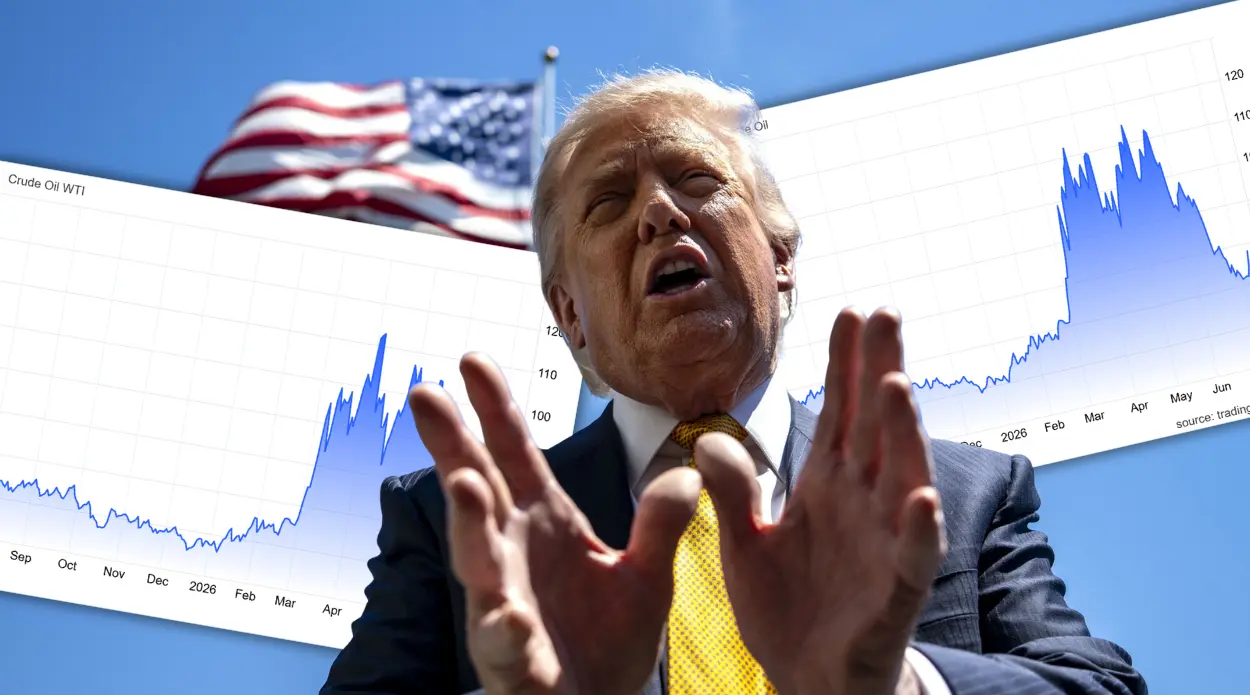
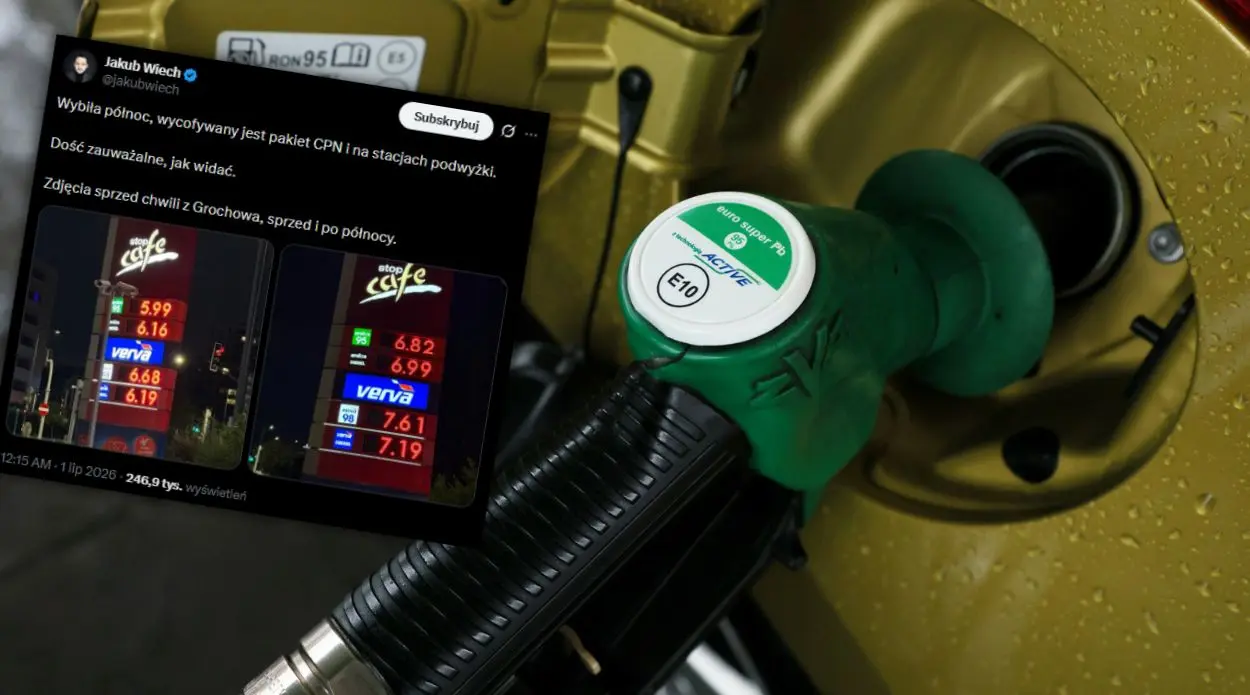
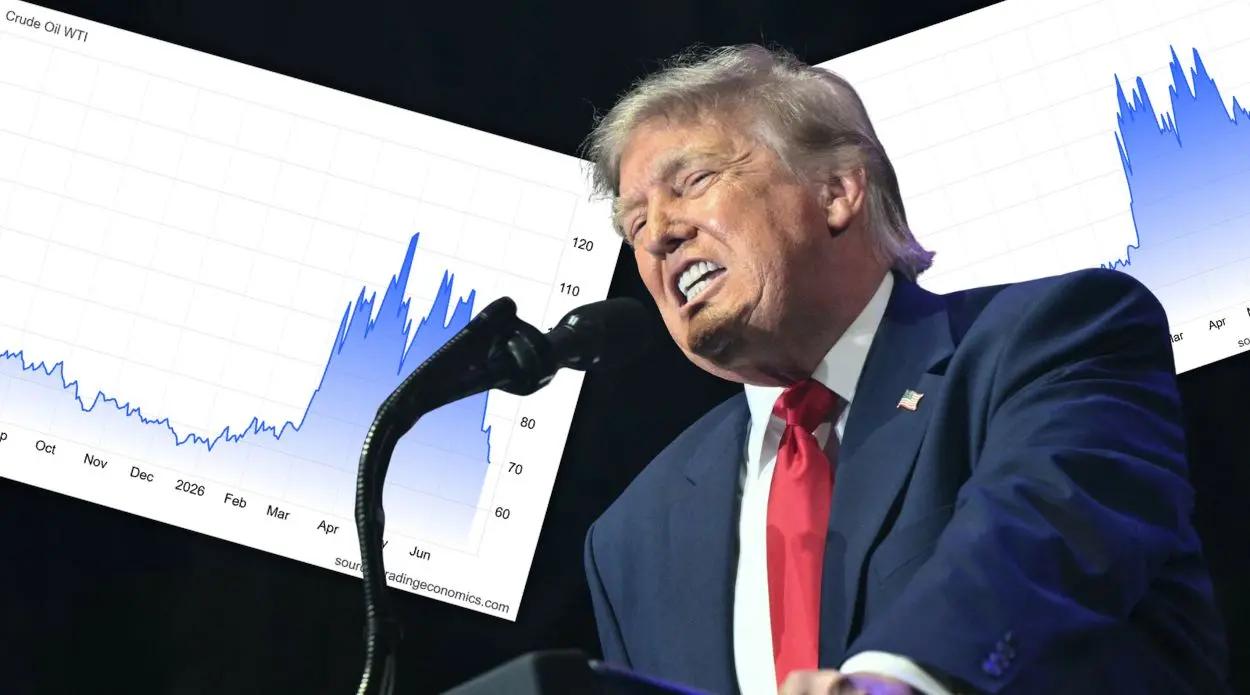
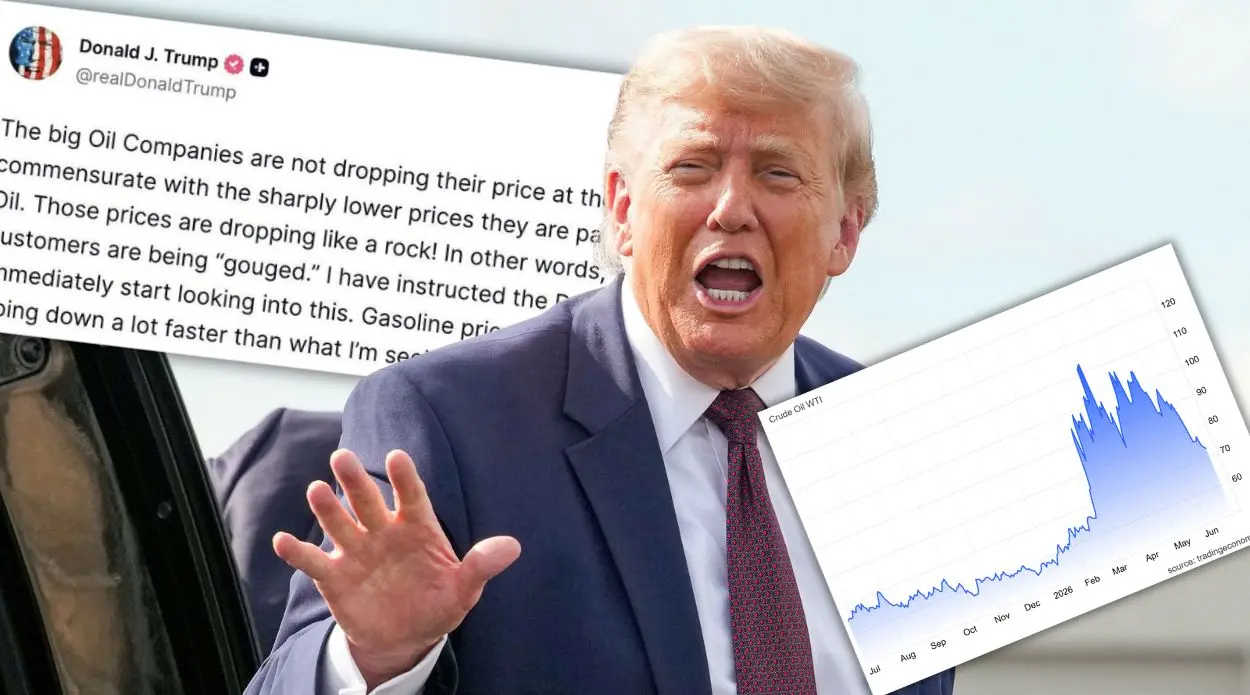
We revised our CPI inflation forecast for Poland to 2.9% YoY in 2026 and 3.5% in 2027, compared to 2.8% and 3.8% respectively. The revision is mainly due to changes in fuel price assumptions. On one hand, a lower oil price path leads to lower fuel prices and lower overall inflation; on the other hand, reinstating excise tax from mid‑June and earlier withdrawal of retail fuel market intervention will work in the opposite direction.
We now assume that the maximum price mechanism and reduced VAT rate will be phased out in September 2026, not February 2027 as previously thought. Consequently, the projected fuel price and overall inflation path is higher in the short term but lower in 2027 due to base effects. Assumptions for other main CPI basket categories – food, energy, and core inflation – remain unchanged.