







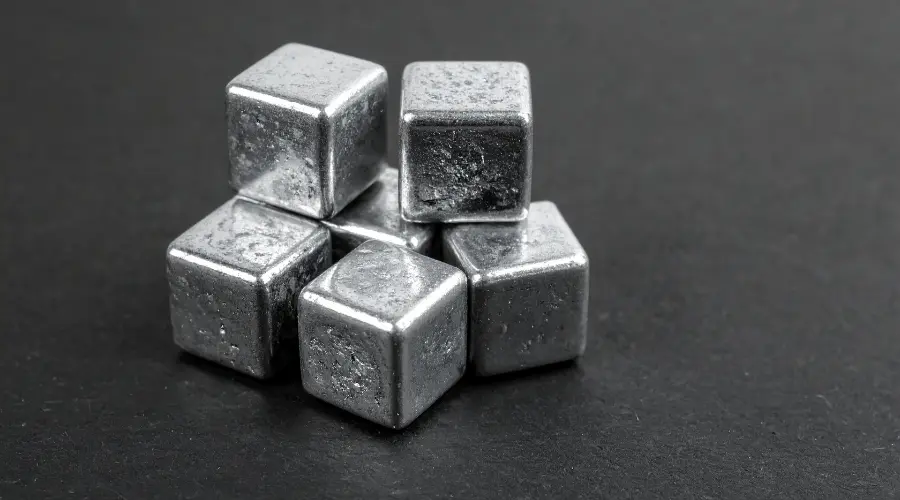


According to the latest forecasts from the World Platinum Investment Council (WPIC), this market may finish a fourth consecutive year with a deep supply deficit, estimated at several hundred thousand ounces. As a result, available on‑shore inventories will fall to the lowest levels since 2018, i.e., since WPIC began publishing this data. At the same time, a systematic rise in investment demand for bars and coins is projected.
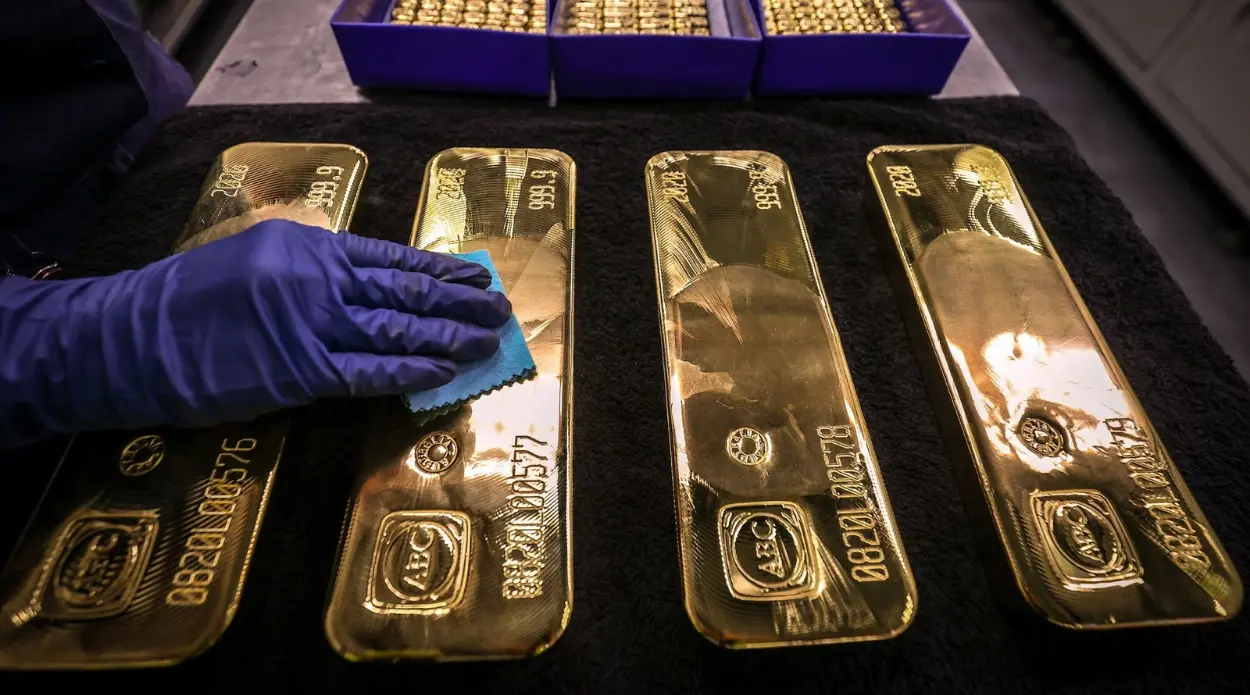
This does not mean that platinum will replace gold as a classic hedge asset. Its character remains different – it is much more closely tied to economic cycles and the industrial sector. That is why more and more managers are beginning to view it as a potential portfolio complement, rather than a direct competitor to gold. From the perspective of the precious metals market, we are witnessing a change that has not existed for years: after a period of focus on a single metal, the market is once again analyzing the relationship between physical supply and demand across the entire sector.
“If the current supply deficit persists and investment demand continues to rise, platinum could become one of the most interesting assets in the second half of 2026. Unlike gold, whose prices are largely shaped by monetary policy, real interest rates, or central bank purchases, the platinum market today places much greater importance on direct relationships between physical supply and demand and the prospects for the metal’s industrial use. This does not mean that platinum will replace gold in investors’ portfolios. However, more arguments are emerging for analyzing it as a separate segment of the precious metals market, rather than solely through the lens of its price relationship to gold.” – notes Łukasz Wydra, analyst at Cashify Gold.