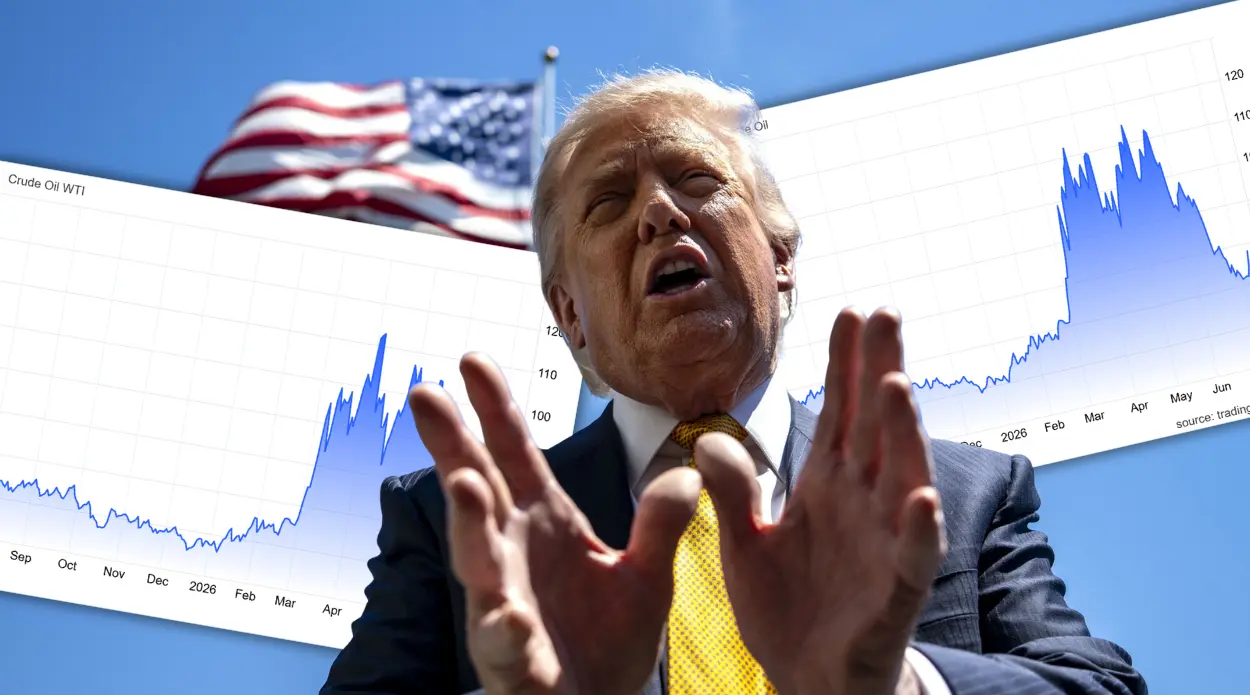
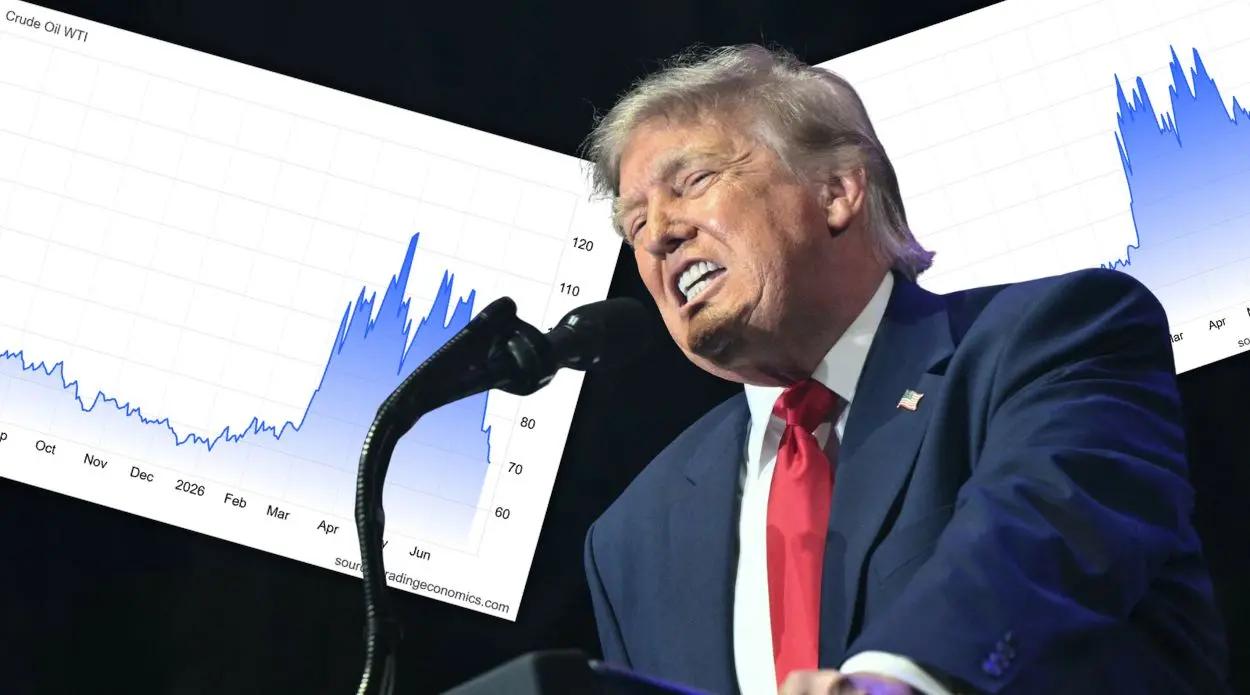
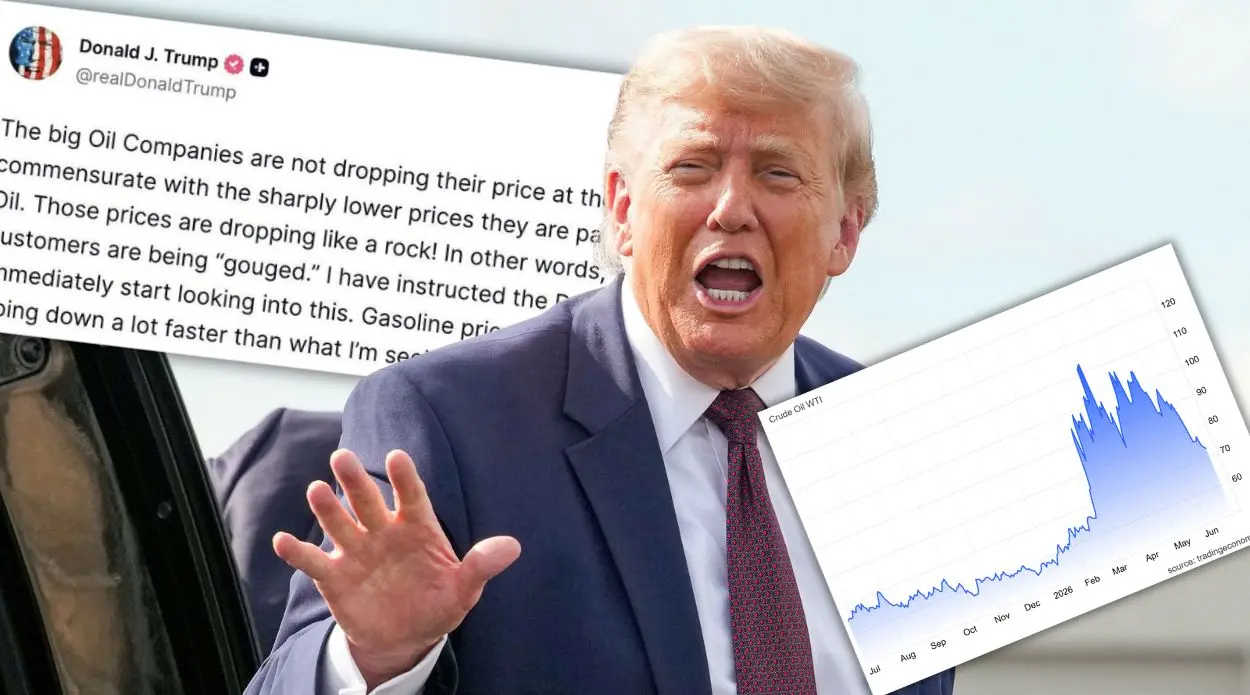
Weekly gains are already over 10%. The escalation of the conflict in the Middle East, including Houthi attacks on tankers in the Red Sea, the blockade of traffic in the Strait of Hormuz, and Donald Trump’s threats of a "massive attack" on Iran directly hit global commodity supply chains.
So, are the better economic data presented today and the recent declines in energy markets not illusory? Is the ECB truly ready for hikes, and are we facing another wave of currency sell-offs heavily dependent on imported commodities?
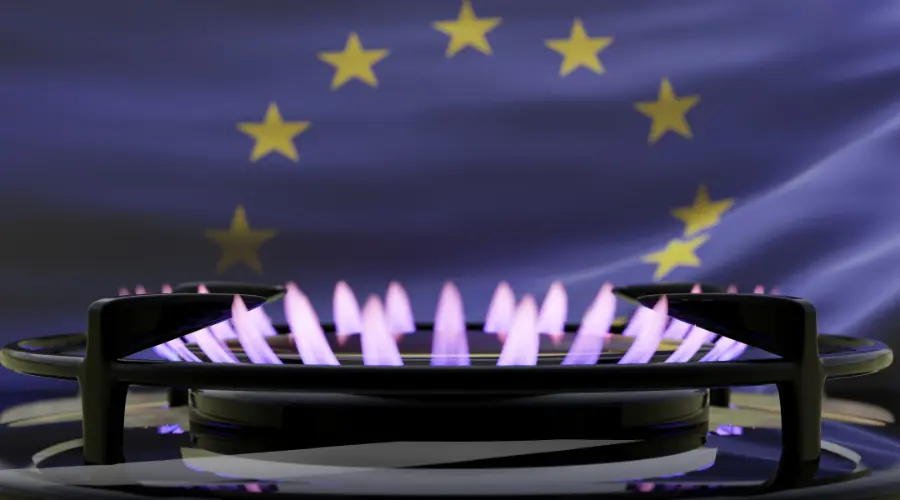
Gas in Europe becoming an ever greater problem
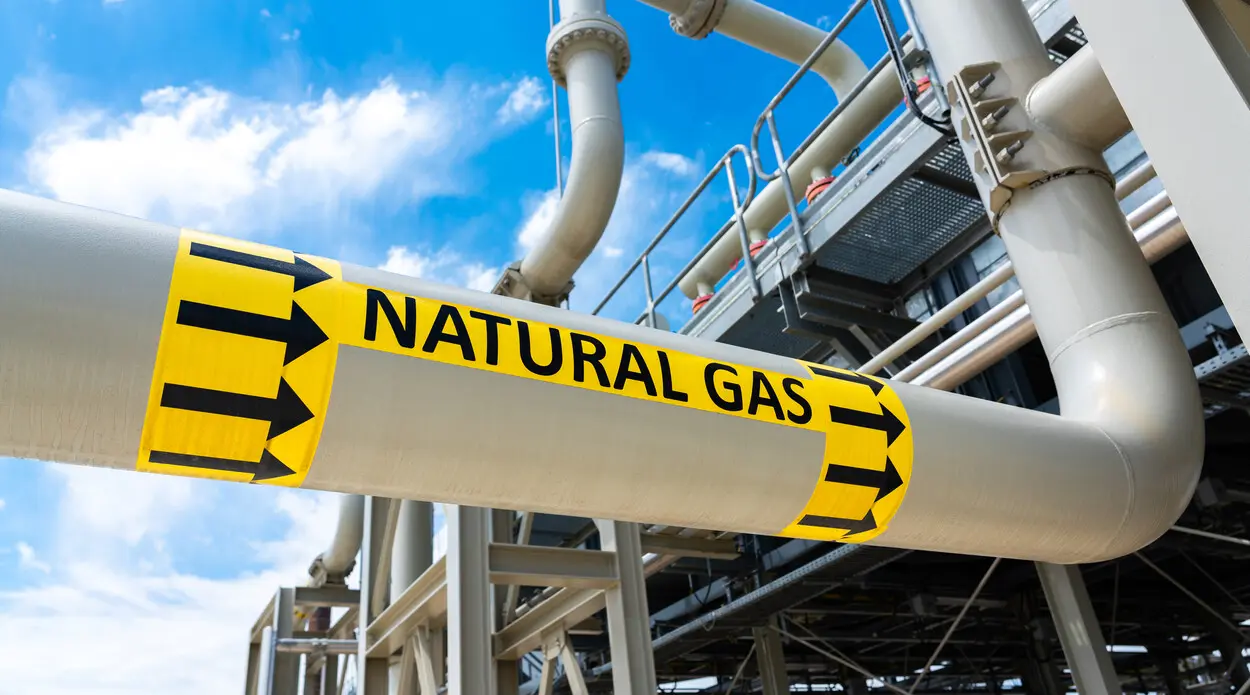
The picture of the natural gas market is becoming increasingly worrisome. Dutch TTF contracts have been rising for four consecutive weeks, surpassing 61 EUR/MWh (a rise of over 40% in July alone).
Kuwait’s declaration of extending force majeure on LNG supplies until mid-September and the low level of European storage fill below 55% versus a five‑year average of 71% put Europe in a difficult position ahead of the upcoming winter season.
Pressure to raise gas prices toward at least 100 EUR/MWh is becoming more realistic, and it is worth remembering that in 2021 we already saw a sharp rise in gas prices above 100 EUR/MWh during the summer, while a year later in 2022 the peak reached 300 EUR/MWh.
Although a repeat of that scenario is no longer realistic given the diversification of supplies, based on the current trend of replenishing stocks, it is unlikely that 90% storage fill will be achieved before 1 November.
ECB ready for a September hike. Is that sure?
In this explosive macro environment, the ECB’s decision to keep interest rates unchanged can spark significant controversy.
Although President Christine Lagarde tried to maintain a hawkish tone at Thursday’s conference, the market interpreted the Bank’s message as cautious and indecisive.
Considering the rising pro‑inflationary risk from the spike in oil and gas prices, the lack of a hike at the July meeting gives the impression of a defensive shift of the problem to later. ECB officials, including Joachim Nagel from the Bundesbank and Emmanuel Moulin from the Bank of France, cite the need to analyze forthcoming data and a "session‑by‑session" approach.
Despite this restraint, financial markets are not deluding themselves: contract pricing currently indicates an 87.5% probability of a 25 basis‑point rate hike at the 10 September meeting. While this may seem high, the market previously indicated 100% probability, and during the first stage of the Middle East war it even saw potential for a stronger move.
Illusory image of a stronger Europe
Today’s relatively decent PMI readings from the eurozone may prove to be only a short‑term illusion.
Business surveys were collected in mid‑July, so they did not fully capture the sudden rise in fuel and gas prices that occurred in recent days.
The return of high energy costs quickly hits industrial margins and stifles consumer demand rebound.
For the Polish zloty and currencies across Central and Eastern Europe, the prolonged energy shock means higher risk and limited potential for strengthening, especially in an environment of a strengthening US dollar and capital flight to safe havens.
Just after 10:30 a.m. we pay 3.7999 PLN per dollar, 4.3254 PLN per euro, 4.6538 PLN per franc, and 5.0624 PLN per pound.