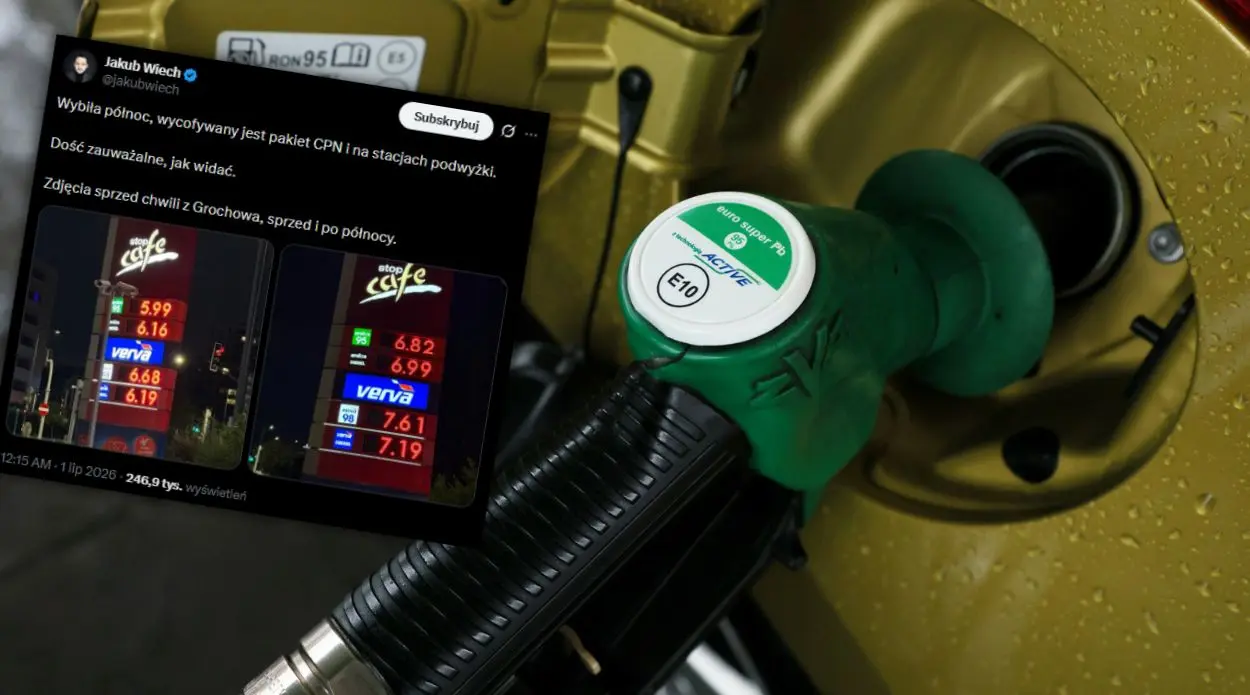
The government is announcing a gradual phase‑out of the CPN program, which means a return of higher excise duty and VAT on fuels. As a result, the "cheapest fuel in the European Union" may disappear from Polish stations. At the same time, the peace agreement itself today looks more like a ceasefire than a lasting solution to the conflict. Paradoxically, the coming weeks, and perhaps even months, could prove more nerve‑wracking for drivers in Poland without the CPN program than the previous months of the conflict.
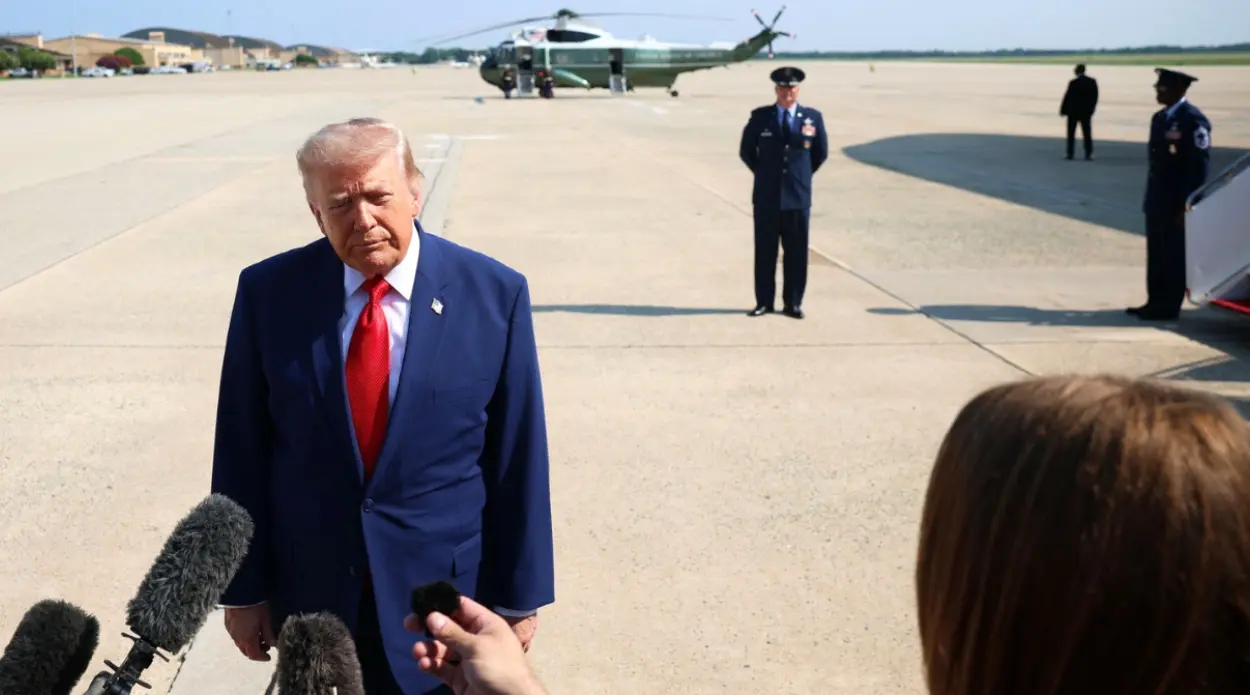
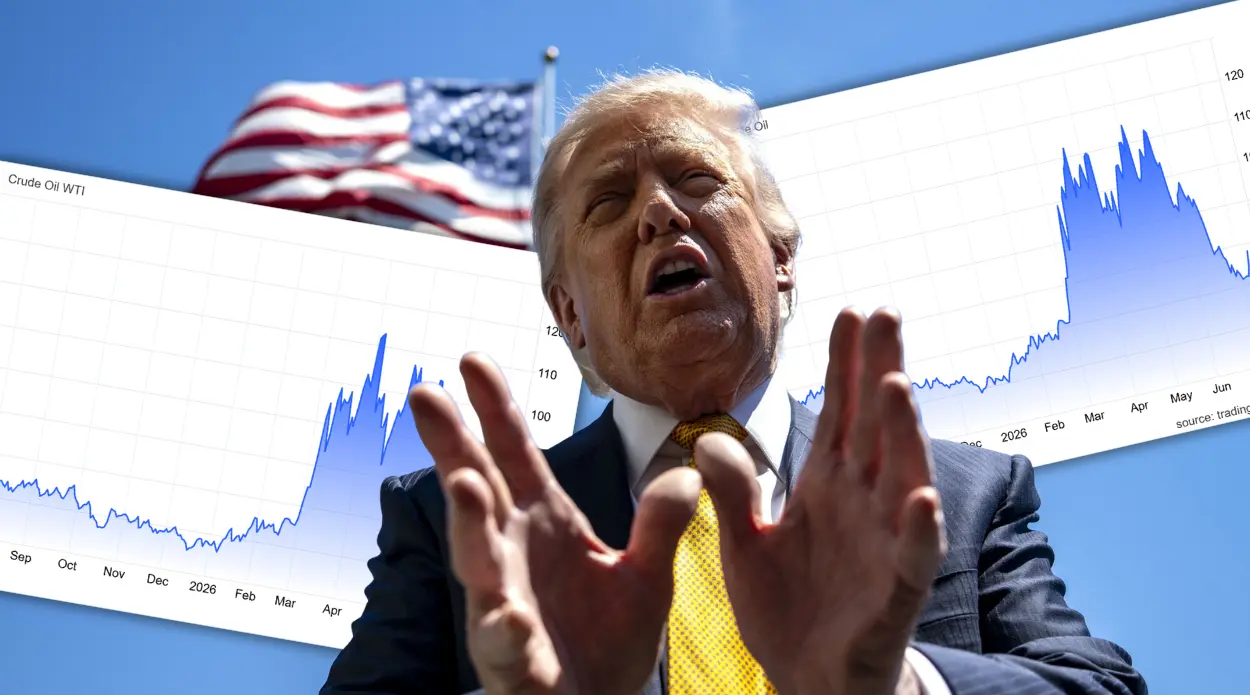
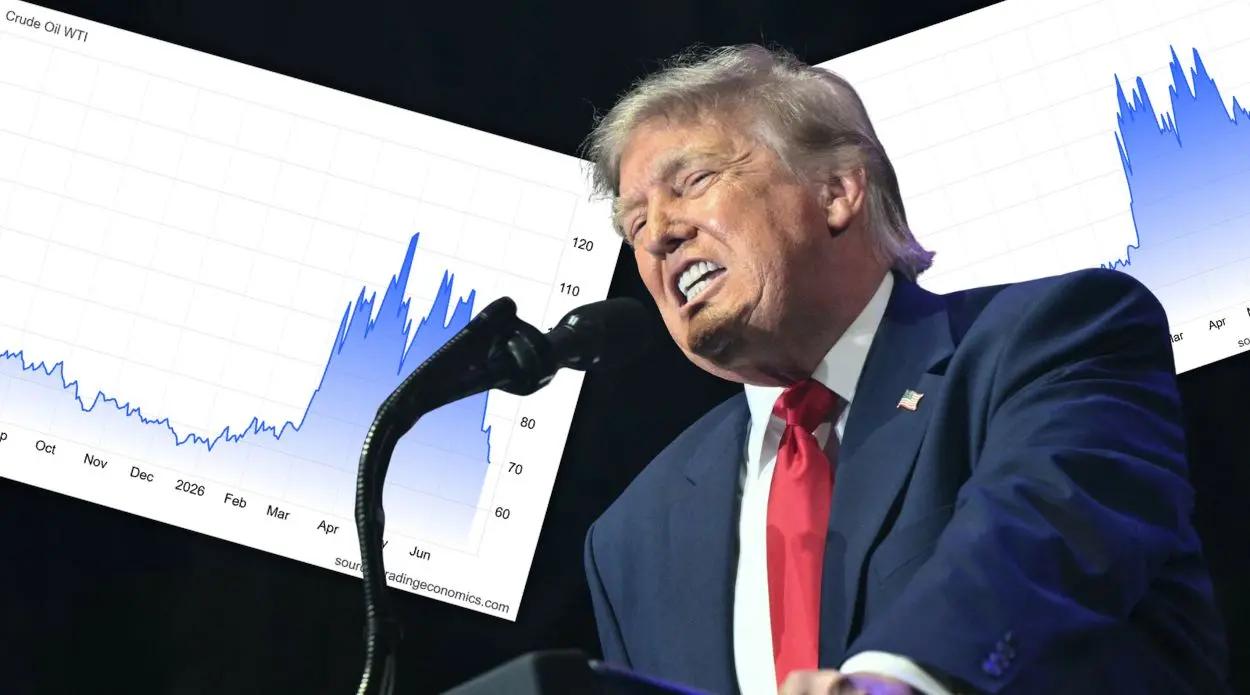
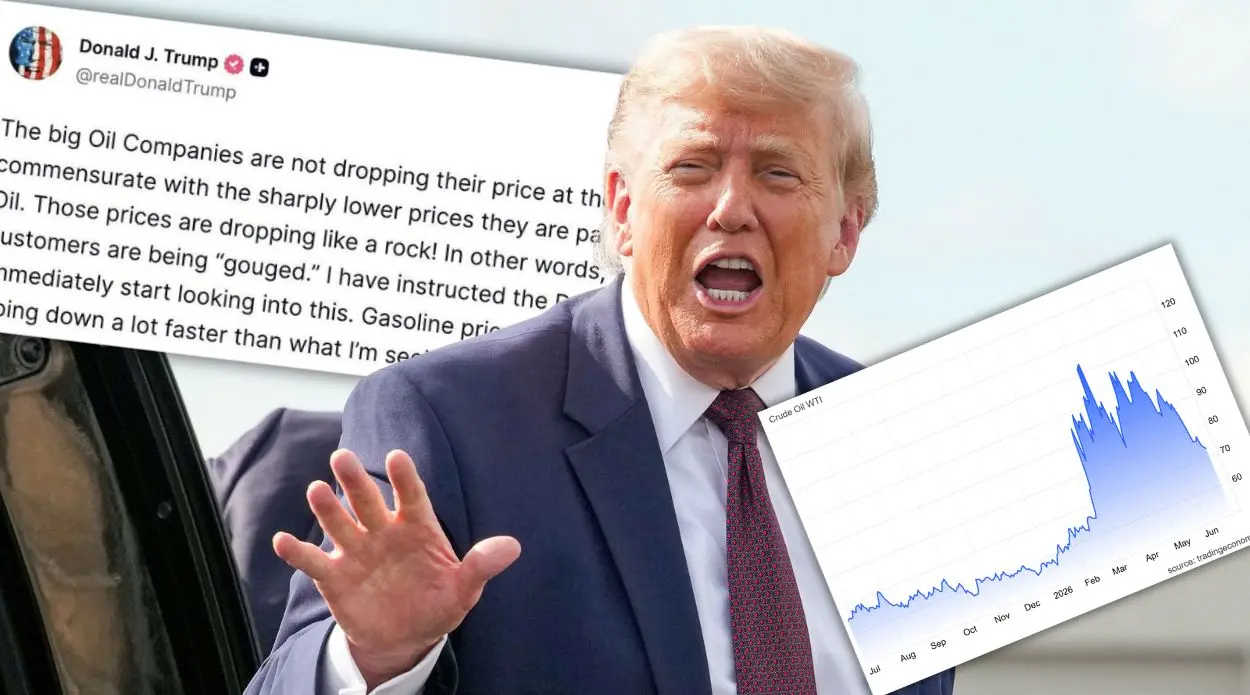
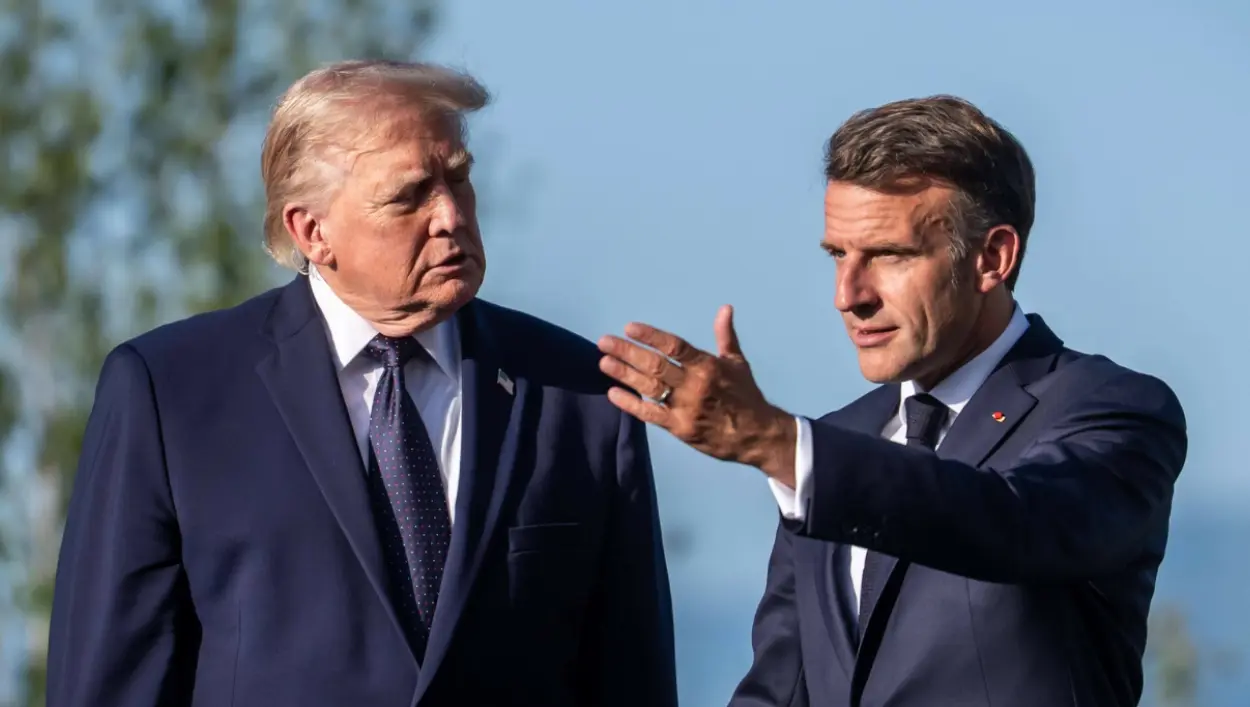
Donald Trump announced a peace agreement with Iran this week, triggering a sharp reaction in the oil market. After the announcement, U.S. WTI crude fell 4.8% to $80.75 per barrel, and Brent fell 4.7% to $83.17. These are the lowest levels since the beginning of March, i.e., the early days of the war. Oil prices had already been falling in previous days, as the market had been anticipating a possible deal for some time.
S&P 500 up, WIG hits historic record
The announcement of the agreement was also positively received by the stock markets. The S&P 500 rose 1.6% on Monday, and Nasdaq gained 3%, mainly thanks to AI‑related companies. Investors believed that calming the oil market could reduce inflationary pressure and lower the risk of further interest rate hikes. This is especially important for tech firms that undertake huge investments often financed by debt. In Warsaw, the broad WIG index set a historic high, although in the second half of the session investors began to take profits after earlier gains.
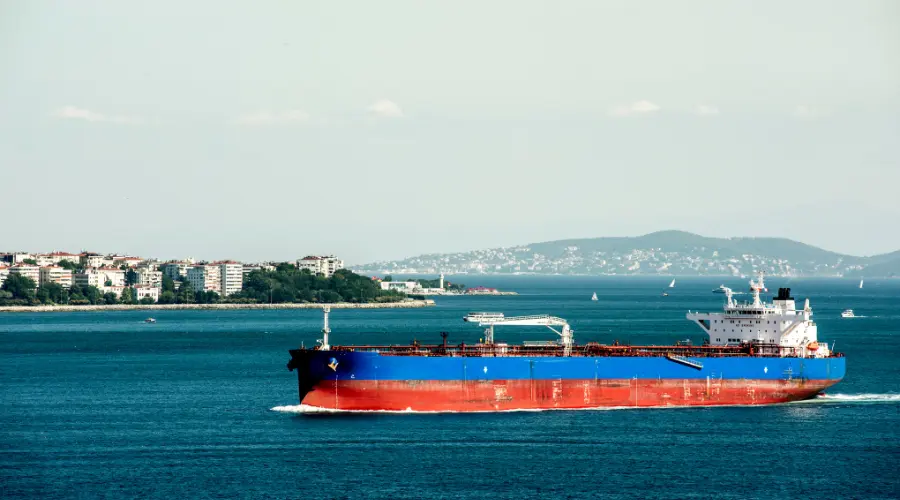
The content of the agreement has not yet been disclosed. Much indicates that it will not bring lasting peace but rather extend the ceasefire and formalise arrangements regarding the functioning of the Strait of Hormuz. According to media reports, the document assumes the end of hostilities, partial unlocking of the maritime route, and the start of further negotiations that should last 60 days. Donald Trump announced that the strait is already partially open and that shipping will resume from Friday. Iran, however, claims the entire process could take up to 30 days.
Oil remains 25% more expensive than pre‑conflict
This is just the beginning of tougher talks concerning, among other things, Iran’s nuclear program and the unfreezing of its foreign assets. Such negotiations are usually long, complex, and tense. The risk of further crises remains high, especially since Iran has seen how effective pressure can be when controlling the Strait of Hormuz. It is hard to assume that it will completely abandon such an important bargaining chip.
This means that despite the current drop in oil prices, the market remains highly sensitive to any information about the region. Fuel prices worldwide are still more than 25% higher than before the conflict, when oil cost about $65–70 per barrel. Meanwhile, Polish consumers may soon lose the additional protection provided by the CPN program.
Phasing out CPN could raise prices by 1 PLN per litre
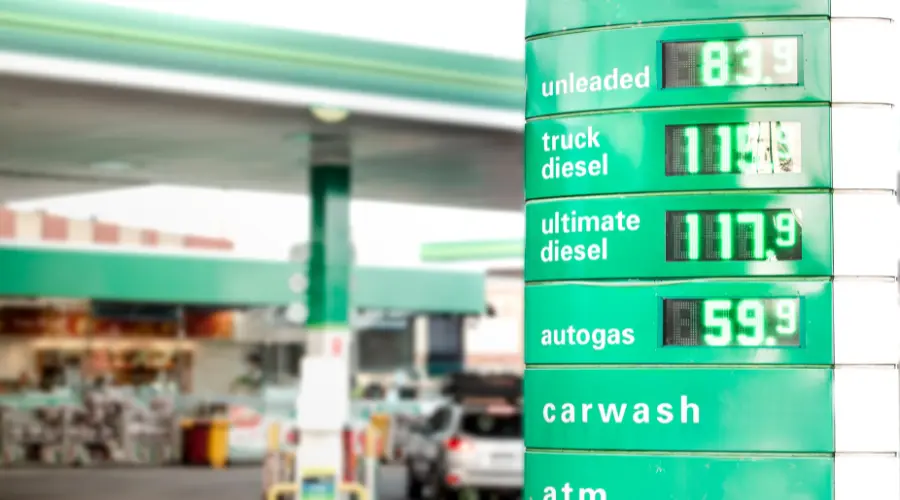
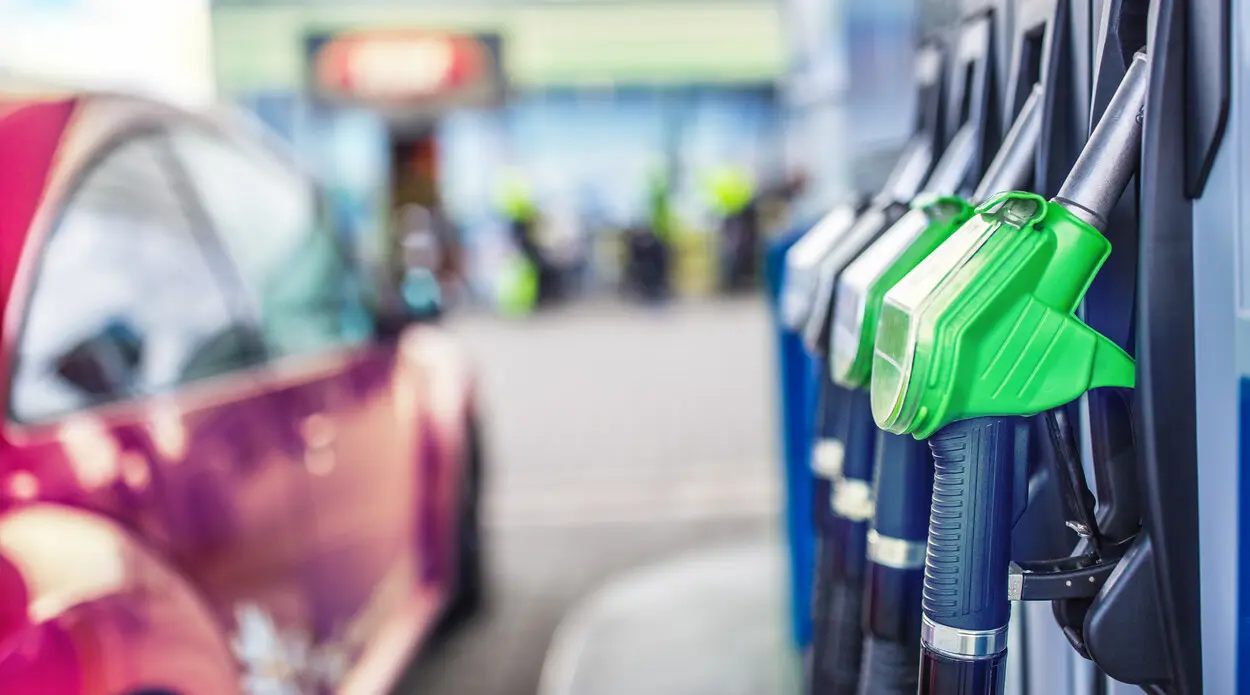
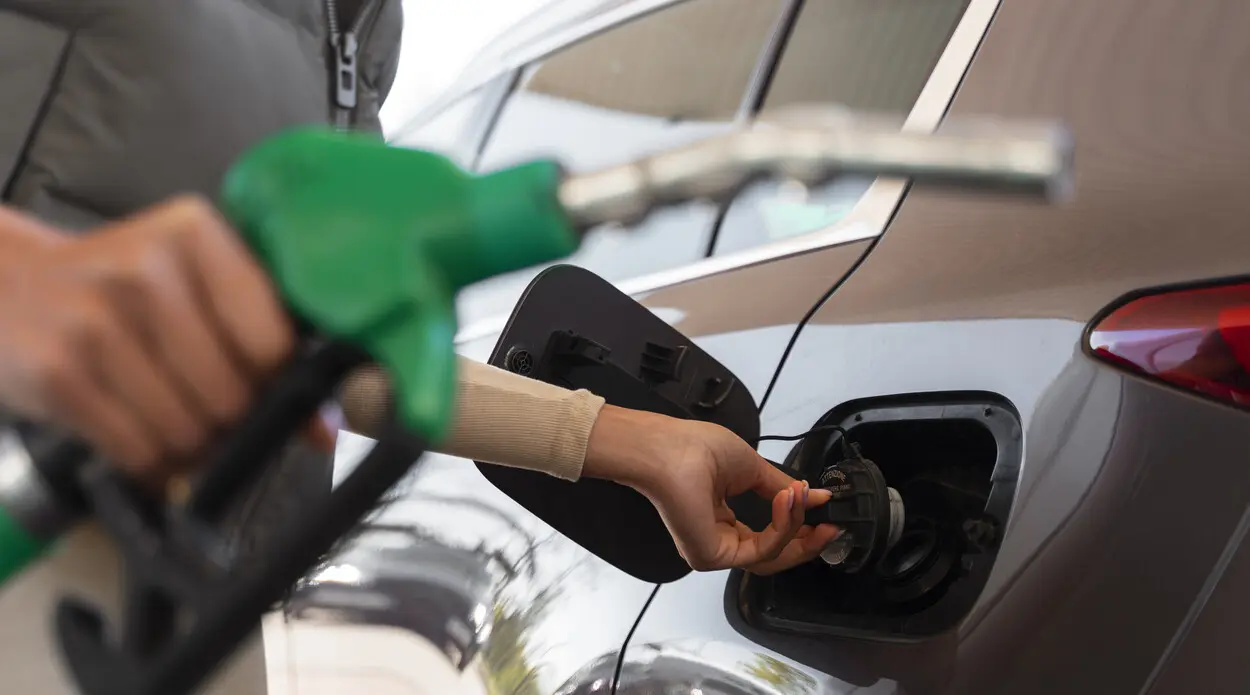
The government is announcing its gradual phase‑out. First, the higher excise duty, previously reduced by about 30 groszy per litre, would return. Then the VAT rate would rise again to 23%. Together, this could mean fuel prices increasing by up to 1 PLN per litre. The program is costly for public finances. Reductions in excise duty and VAT mean a loss to the budget exceeding 1.5 billion PLN per month. The government wants to recover part of these costs through a tax on extraordinary profits of fuel companies. It will target producers and sellers achieving above‑average profits, with a rate of 60%.
The CPN program helped limit the impact of rising oil prices on inflation in Poland. In May, inflation was 3.1% year‑on‑year versus 3.2% a month earlier. Poland thus found itself among the few countries that avoided a sharp price surge after the conflict began. The key will be how fuel prices behave in the coming months and how quickly the government decides to withdraw tax shields.
Markets today are pleased with the prospect of peace, but they also realise that the current agreement is just the beginning of a long road that could lead to lasting energy market stability. In many countries the earlier energy shock has already spread throughout the economy, raising service and wage costs. Central banks fear that inflation could remain high even after oil prices stabilize.
Full normalisation of transport through the Strait of Hormuz will take several months of calm. Therefore investors should not yet declare the agreement a full success. The asymmetry of risk remains particularly important. Problems in implementing the promised arrangements could quickly lead to a resurgence of oil prices and a deterioration of global market sentiment. Hence caution and a realistic assessment of the situation remain more advisable than euphoria.