Prices are rising faster than supplies
Good wood biomass now costs at least 2500 PLN per ton, and offers above 3000 PLN are no longer exceptional. Example? A seller demands over 3200 PLN for 990 kg. For a household, this means the planned winter budget may run out before the first frost.
The problem does not end with payment. Many warehouses hold single, pre‑paid pallets, and new batches must wait several weeks. Climate and Environment Minister Paulina Hennig‑Kloska points to purchases driven by fear of another harsh winter and promises to calm the situation. The industry looks at it much cooler. In her view, the market is not panicking for no reason; it simply starts to lack raw material.
Sawdust has become a strategic commodity
Energy, district heating, and households compete for the same sawdust, chips, and shavings. Sustainable biomass resources are limited, and much of the wood already has its buyers. When demand grows faster than supply, the market responds with higher prices, imports, and increasingly less predictable deliveries.
The scale of the problem is industrial. In 2022, the Opole District Forest Office acquired 42 million cubic metres of wood, and in 2025 already 38 million. According to Łukasz Horbacz of the Polish Pellet Council, sawdust shortages block the production of about 400,000 tonnes of pellet. At the same time, the Clean Air Programme increased the number of biomass boilers. In April alone, 79% of beneficiaries applied for such a heat source. The state supported demand, but the raw‑material market did not grow at the same pace.
The industry points to possible moves such as emergency imports, control of sudden price hikes by UOKiK, and a reduction of the 23% VAT. For now, the ministries of energy and finance do not want to open a discussion about the tax. Without increasing supply, the hope for stabilization will not warm any home.
Winter will bill for three fuels
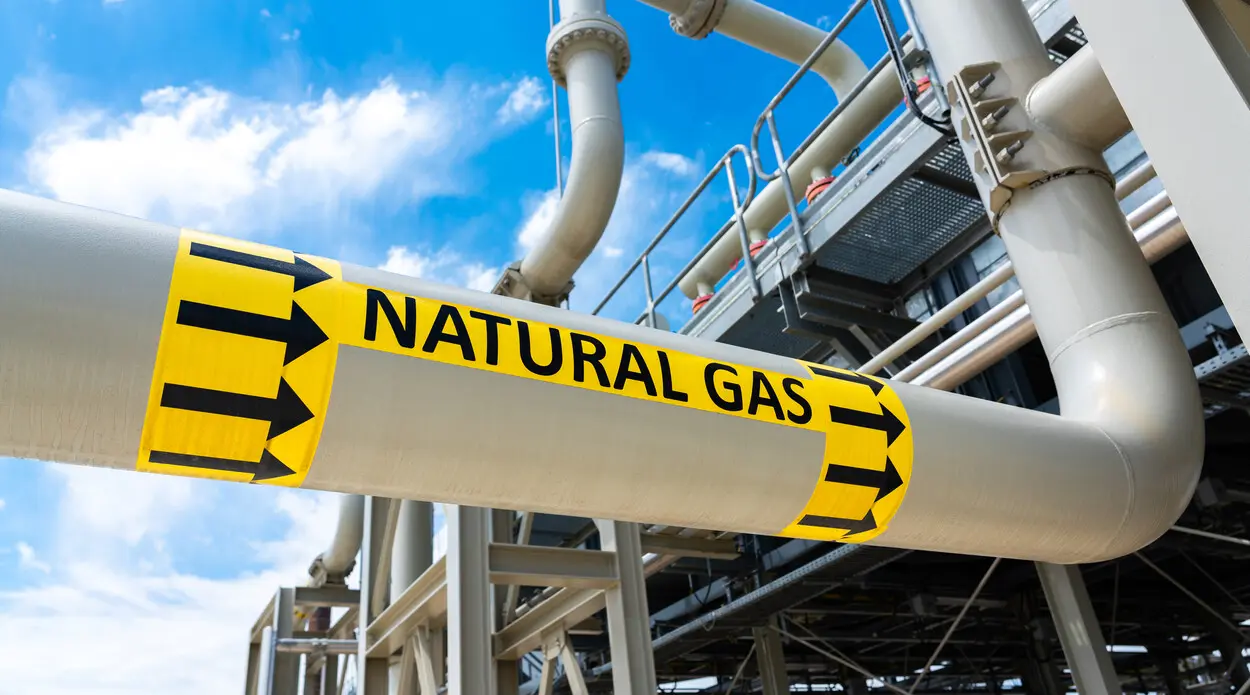
Pellet is not an exception. Coal sellers abandoned promotions and had previously raised prices multiple times. Gas also sends an alarm signal – 1 MWh on the Dutch exchange costs over 61 euros, compared to about 32 euros a year earlier. That is a 90% increase.
Even more concerning are the warehouses. On 21 July, their average fill level in the EU was about 54%. That is 6% lower than in 2025 and 82% lower in 2023–2024. Expensive gas discourages filling stocks, and a harsh winter could push the price up to 100 euros per MWh.