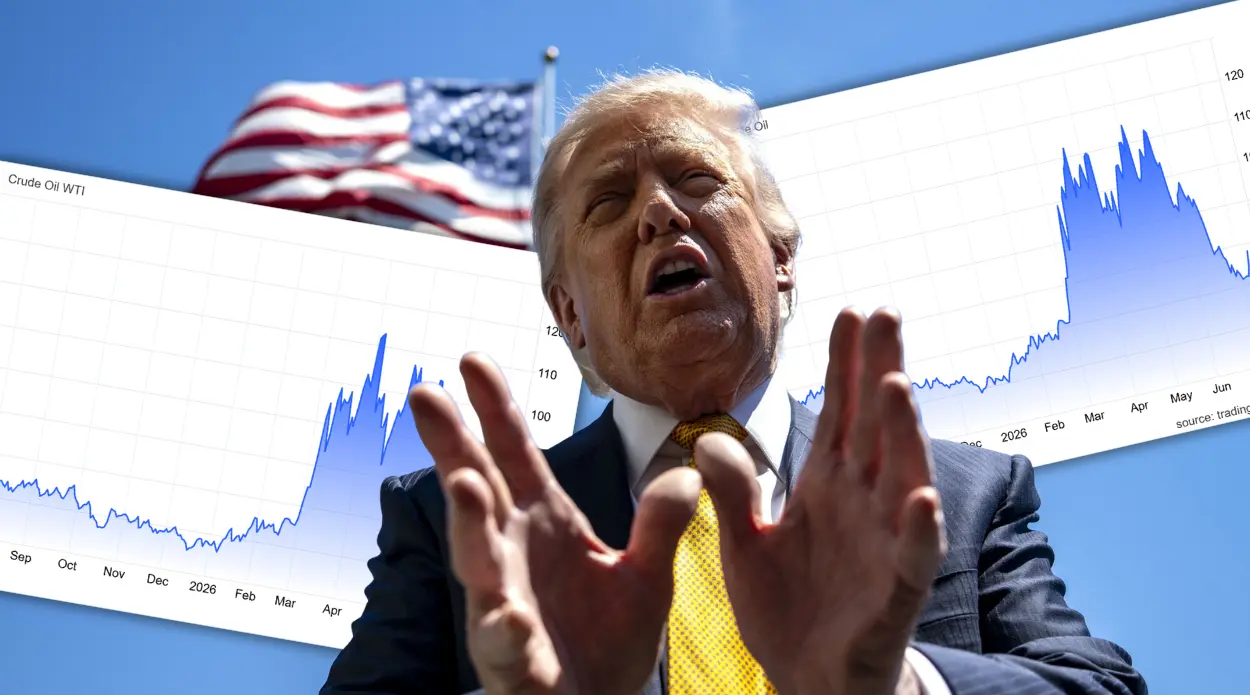
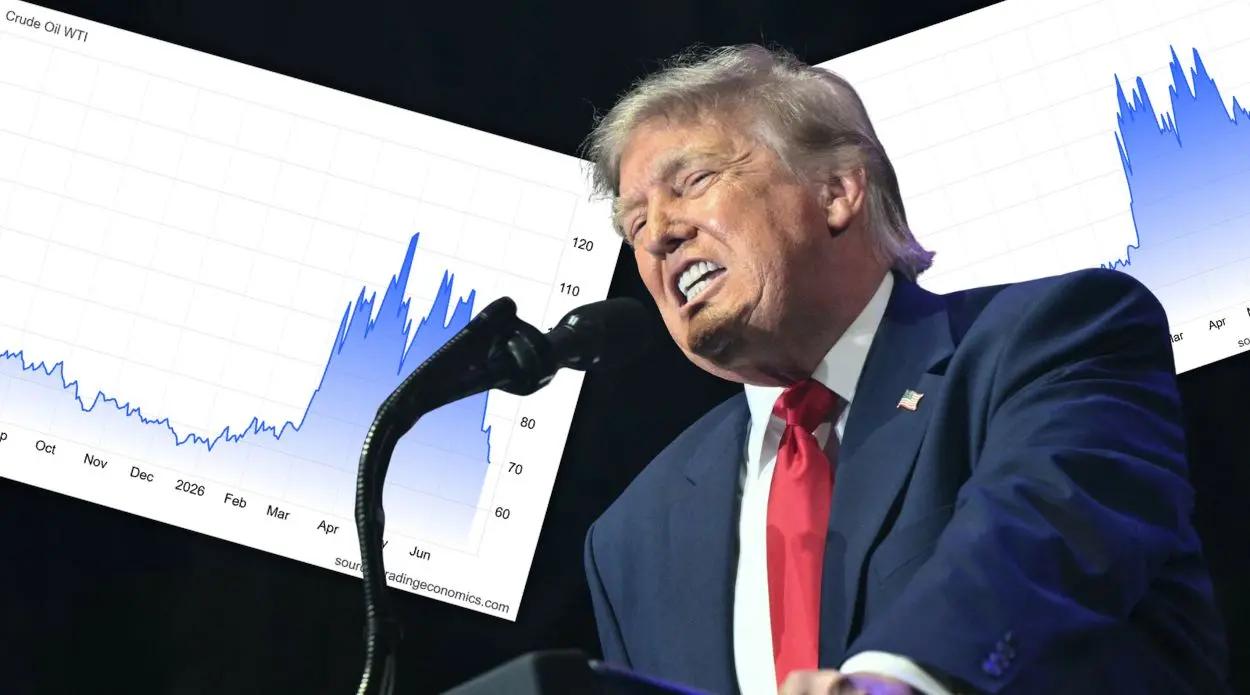
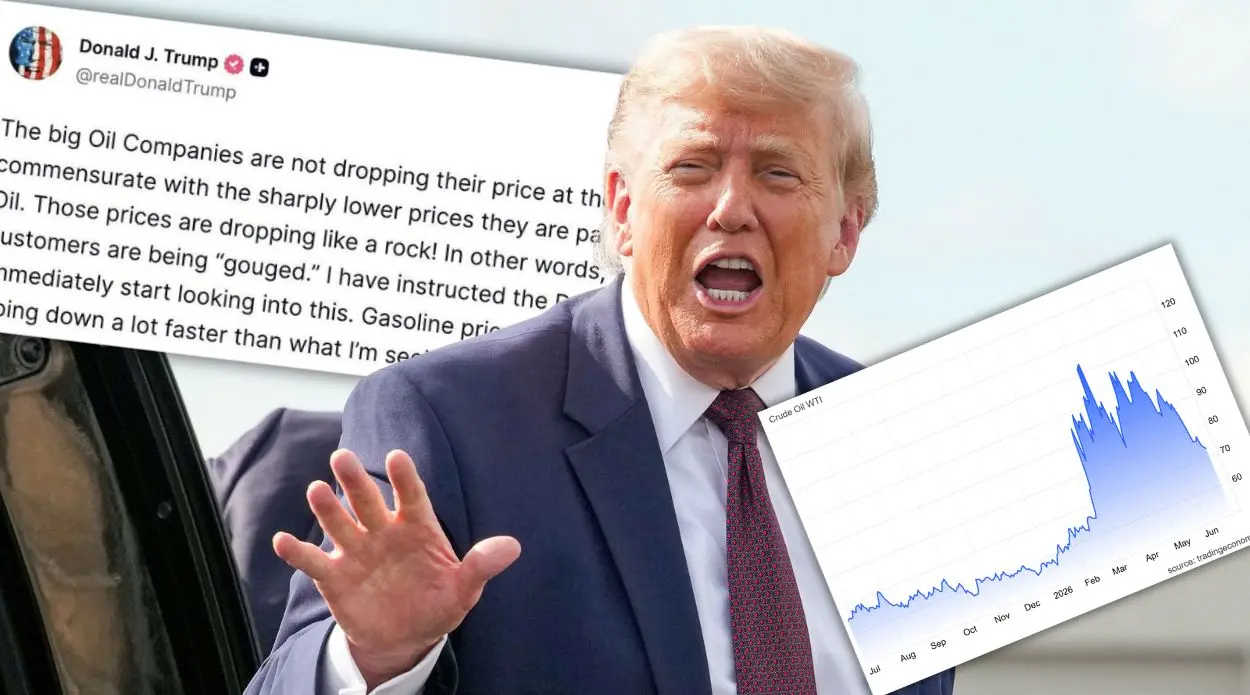
Brent crude prices rose by 3.5%, to $78.70. WTI crude also climbed, breaking the $74 per barrel level. The United States and Iran continue to exchange missile attacks.
U.S. forces carried out a fourth strike on Iran within the week, and Tehran responded with strikes on U.S. targets and their regional allies. Iranian actions included facilities in Jordan and Qatar, and according to reports also U.S. military positions in Kuwait.
A Kuwaiti drilling platform was also damaged, marking the first direct strike on regional energy infrastructure in several weeks.
Strait of Hormuz closure “until further notice”
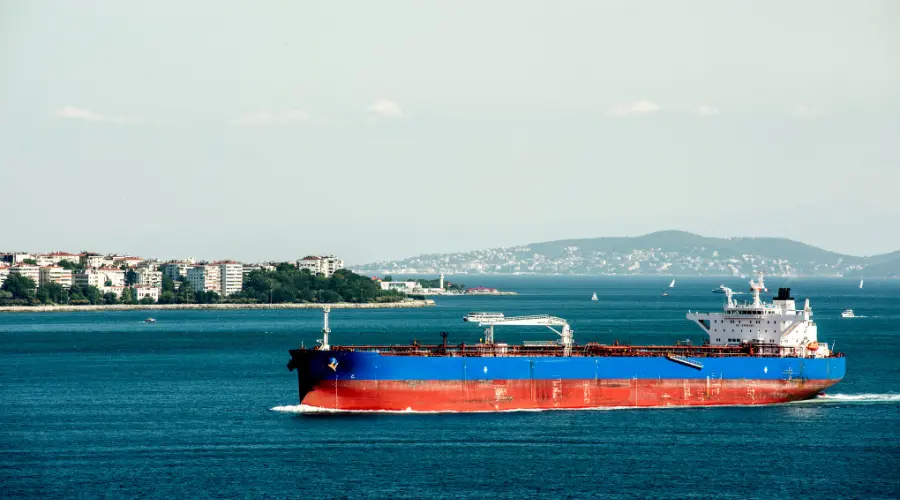
Iranian authorities announced the closure of the Strait of Hormuz “until further notice,” although U.S. military leadership disputed the information. For the market, the actual shipping conditions are more important than the declaration itself.
On Monday, ship traffic through the strait nearly halted, even though the southern route coordinated by Oman remained open. Concerns about resource availability also affected the European gas market.
Prices rose by as much as 3.2%, after an almost 8% increase the previous week. The International Energy Agency warned that the prolonged conflict could hinder the rebuilding of global energy reserves.
At the same time, further escalation reduces the chances of a quick resumption of talks between Washington and Tehran, although both sides still declare readiness to negotiate once certain conditions are met.
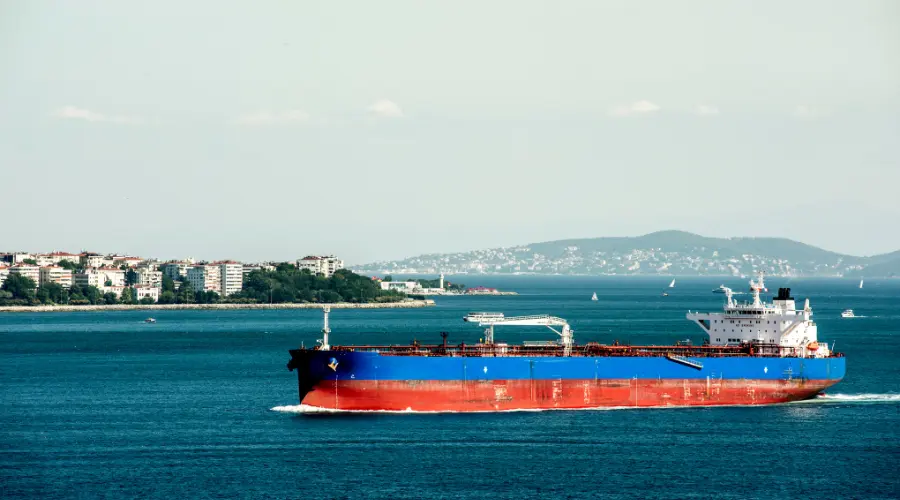
Even before the current wave of tensions, Gulf producers, including the United Arab Emirates, were increasing oil sales following earlier arrangements. Some shipments were carried out with tanker transmitters turned off, making it difficult to assess the true scale of supplies and track vessel routes. In conditions of limited transparency, any information about possible disruptions can trigger sharp price reactions.
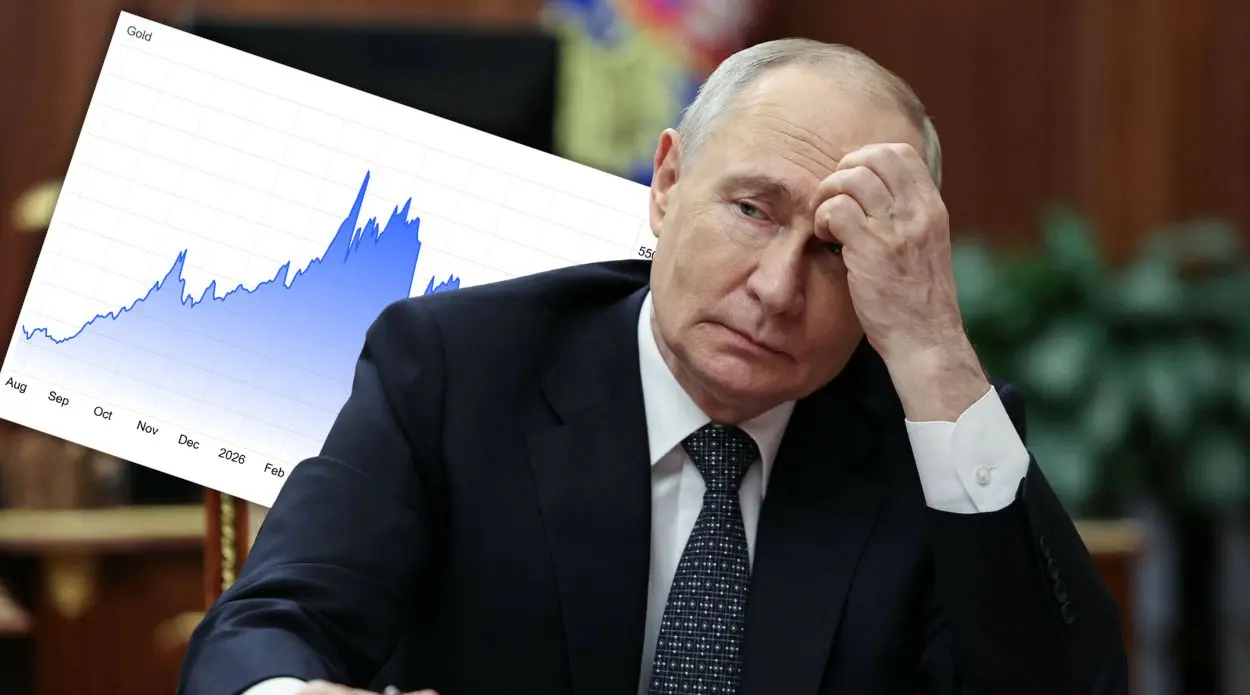
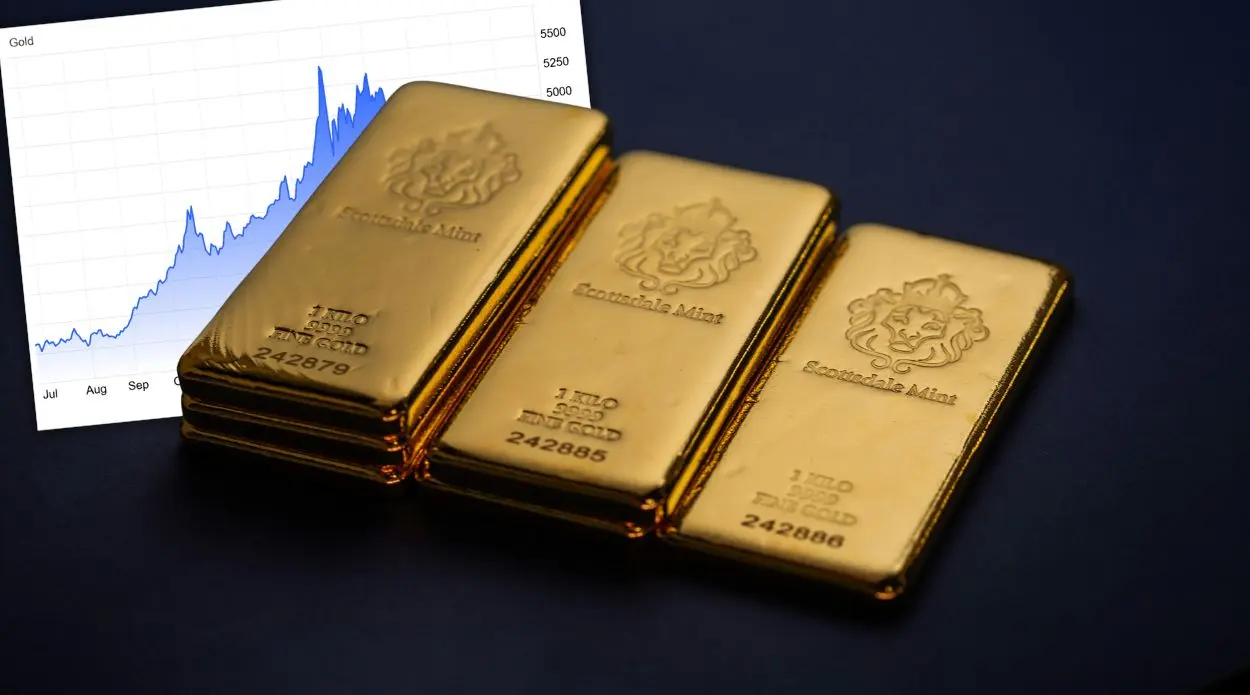
Gold fell 1.3%, to about $4,065 per ounce
Rising energy costs again increase the risk of heightened inflationary pressure. Maintaining high oil and gas prices could slow further inflation decline, limit central banks’ room to cut rates, and worsen global economic prospects.
In the bond market, U.S. Treasury prices fell, and the yield on two‑year bonds reached the highest level since February 2025. At the same time, gold fell 1.3%, to about $4,065 per ounce, while silver lost nearly 3% and fell to around $58.20.
In the coming days, investors will monitor not only developments in the Middle East but also U.S. company earnings releases, U.S. inflation data, and the Federal Reserve Chair’s testimony before Congress. This information could significantly alter expectations for future rate levels and the direction of equity and bond markets.
The greatest threat to markets remains not just the formal announcement of the Hormuz closure, but the actual restriction of transport and the possibility of further attacks on energy infrastructure.
Maintaining such a scenario would mean continued pressure on oil and gas prices, greater market volatility, and renewed inflation concerns.