Weak demand for bond auction and cautious signals from the RPP
The Ministry of Finance sold six series of bonds (OK0129, PS0130, NZ0331, PS0731, DS0436, NZ0936) for 11,263.5 million PLN at a demand of 13,033.5 million PLN – the finance ministry said in a statement. After Thursday’s auction, the financing rate for this year’s gross borrowing needs of the state budget is about 67% – PAP Business informed the finance ministry.
The Ministry of Finance sold additional bonds of series NZ0331 and DS0436 for a total of 437.0 million PLN – the ministry said in a statement.
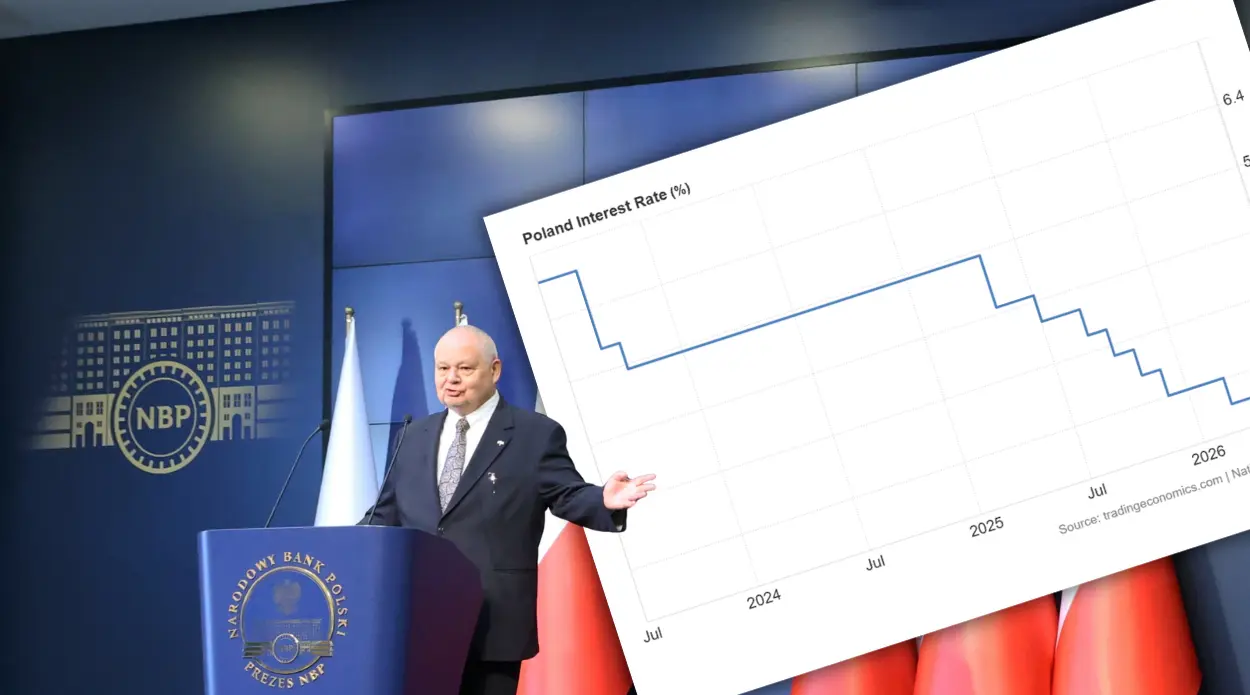
The inflation situation, due to rising oil and fuel prices again, is different from the NBP’s July projection, so any statements about the RPP’s September actions are premature – RPP member Ludwik Kotecki said on TOK FM radio.
He added that the RPP makes decisions based on data. The number of newly registered passenger cars in Poland in June was 58,979, an 18.9% year‑on‑year increase – according to estimates from the European automotive manufacturers association ACEA.
EBC ready for rate hikes, Iran rejects ceasefire, and the USA imposes new tariffs
The Board of Governors of the European Central Bank kept interest rates unchanged – the statement said after the meeting. The bank said the full impact of the energy shock on inflation has not yet materialised.
Some members of the ECB Governing Council wondered whether a rate hike would be appropriate – President Christine Lagarde said on Thursday at a conference after the ECB meeting. Lagarde added that the ECB does not yet see the effects of a second round in the euro area.
ECB officials are ready to raise rates in September, unless inflation prospects in the euro area improve significantly – Bloomberg said on Thursday, citing anonymous ECB sources.
According to the New York Times, Iranian officials rejected a U.S. proposal on Thursday regarding a ceasefire offered by Iraqi Prime Minister Ali al‑Zaidi, who recently visited the White House.
“Little is known about the rejected proposal or the goals of the latest series of attacks, but both events seem to clearly indicate that the end of hostilities is not near” – NYT.
The U.S. government announced new tariffs of 10% or 12.5% on its 60 trade partners, including the EU, on Thursday.
The tariffs will replace the temporary 10% global rate expiring on July 24. The EU will be subject to a 10% tariff.
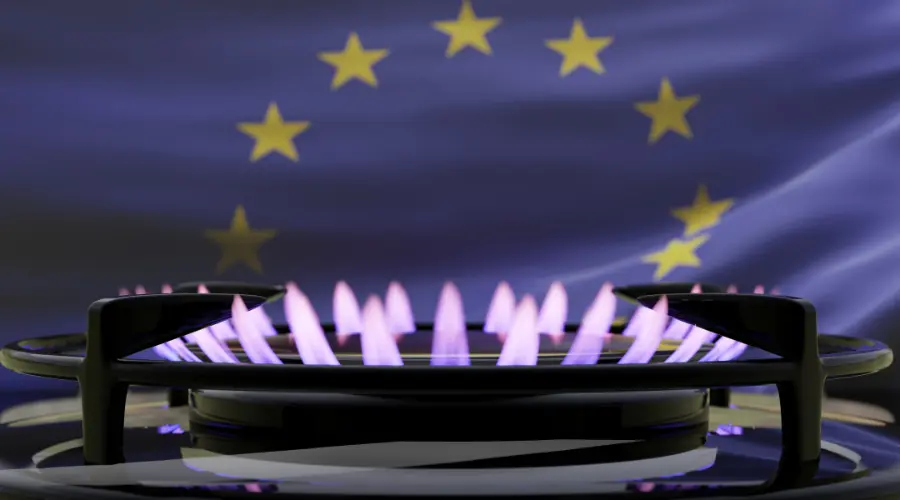
Natural gas stocks in EU warehouses are 54.4% versus a 5‑year average of 70.1% for this time of year.
There are currently 614.63 TWh of gas in warehouses – the Gas Infrastructure Europe company calculated.
The UNCTAD trade and development agenda estimates that global trade grew by about 2 bn USD in the first half of 2026, largely due to higher prices.
Higher oil and gas scare the ECB. September rate hike almost decided
The ECB, in readiness mode, ended its July meeting yesterday. As expected, the bank left interest rates unchanged, keeping the deposit rate at 2.25%. The main message of the statement was, as usual, cautious in the context of monetary policy prospects – the bank stressed that the full impact of the energy shock on inflation has not yet materialised, and further decisions will depend on its scale, durability and indirect effects and second round.
Lagarde said at a conference that although June inflation turned out lower than forecast, a renewed escalation of conflict in the Middle East and rising oil and gas prices have reduced the likelihood of a mild energy scenario. The ECB President also admitted that some members of the Governing Council had considered a hike in July, although the final decision to keep rates was unanimous.
The statement was somewhat softened by saying the bank does not yet see clear effects of the second round in wages. Nevertheless, it assesses the inflation risk balance as upward and intends to carefully analyse upcoming data on prices, GDP, wages and the business cycle. Lagarde avoided a definitive announcement of September moves, traditionally emphasising a “meeting‑to‑meeting” approach.
According to leaks from the ECB itself, a 25‑basis‑point hike in September is currently the most likely scenario, especially if the Middle East situation does not improve permanently and high energy prices maintain inflationary pressure. Market valuations also point in that direction, currently assuming total hikes of 50 basis points by year‑end.
Unemployment down to 5.8%, industry orders up
The unemployment rate is slightly lower. Yesterday the GUS published June unemployment data. They roughly matched earlier MRPiPS estimates. The unemployment rate fell from 5.9% to 5.8%. This trend aligns with seasonal patterns observed in previous years. Year‑on‑year, the unemployment rate was 0.7 percentage points higher, but two effects applied here.
First, easing of registration rules as unemployed in June ’25. Second, a reduction in funds for labour market activation in 2026. The number of unemployed people in June fell by 14.4 thousand to 901.5 thousand, a change similar to that seen in 2024 but noticeably smaller than in previous years. The data overall fit the picture of a moderately cooled labour market.
Industry is solidly supported by new orders. Yesterday the GUS published June data on new orders in national industrial processing. Total orders rose 11.7% year‑on‑year, and export orders 7.6% year‑on‑year. Another good month in that regard – in May they were sharply hit (143.3% year‑on‑year) by the launch of the SAFE‑funded order pool.
However, this is a demand impulse that will spread over a longer period. Moreover, the level of new export orders has been rising in recent months and is currently the highest since Q2 2025, when it was stimulated by global buying fever before the introduction of high U.S. tariffs.
We view yesterday’s order data positively, but with some caution. Supply disruptions caused by the oil shock may temporarily further raise broad demand, and the influx of orders that has been operating in a highly variable wave mode for some time may translate into reduced fulfilment capacity.