With rising temperatures in Poland, the demand for electricity also increases. This is because in millions of homes and workplaces, devices that help cool spaces, such as electric fans or air conditioners, are turned on. The operation of the transmission network and power plants during heatwaves is also put to a special test.
The previous record temperature in Poland was set on July 29, 1921, when 40.2 degrees Celsius were recorded in Prószków near Opole. The record for June was set in Cebrze in Lower Silesia in 2019, when the temperature reached 38.3 degrees Celsius. If the meteorologists’ forecasts are confirmed, this record may be broken in the coming days. This will pose a major risk to the health and lives of many people, as well as to the functioning of the Polish energy economy.
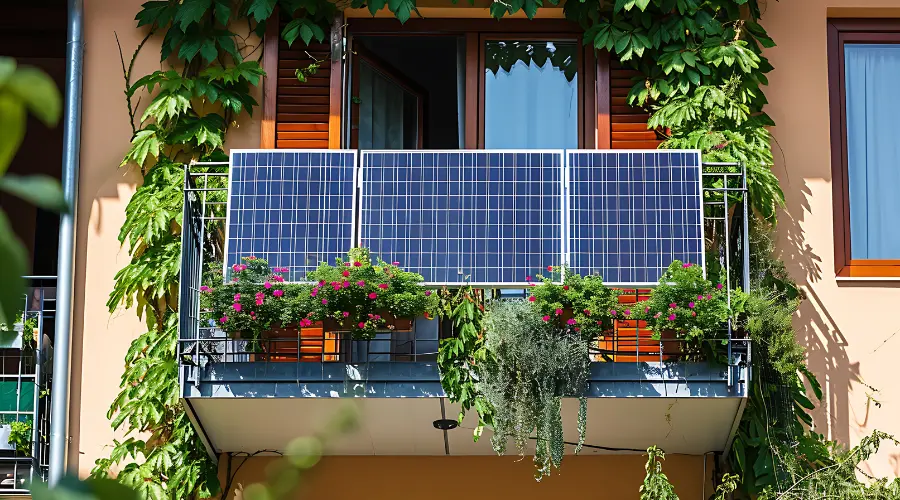
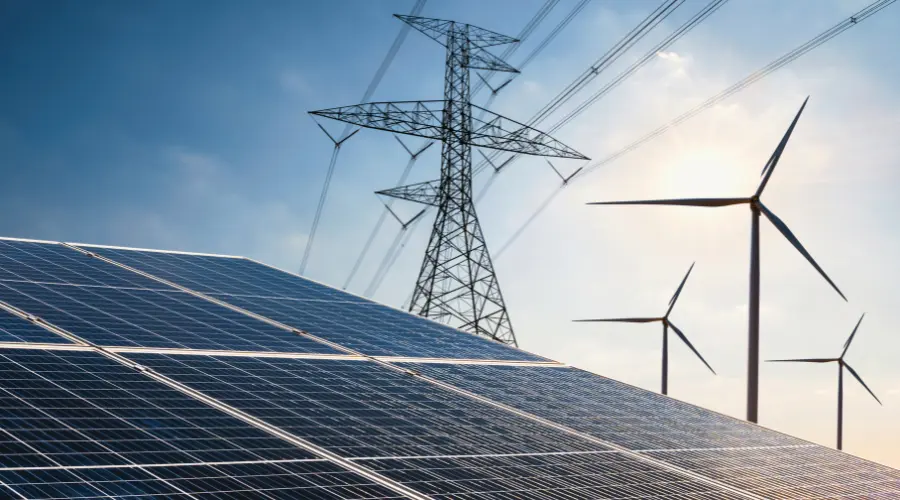
“The most dangerous moment for maintaining energy stability in the country will be windless evenings. That is when photovoltaic installations, which are increasingly common in Poland, will stop producing electricity, and wind farms will not be able to make up for this deficit. During this period, the demand for electricity will be high because buildings will be heated after a full-day heatwave, and consumers will use air conditioners or other electrical devices to cool them” - notes Dr. Nikolina Poranek, renewable energy and energy expert, Chair of Technology and Waste Management Devices, Faculty of Environmental and Energy Engineering, Silesian University of Technology.
As the expert emphasizes, this can lead to network overload or overload of generating units. This, as she adds, can also lead to incidental failures that may result in power supply interruptions.
Is Poland facing a blackout?
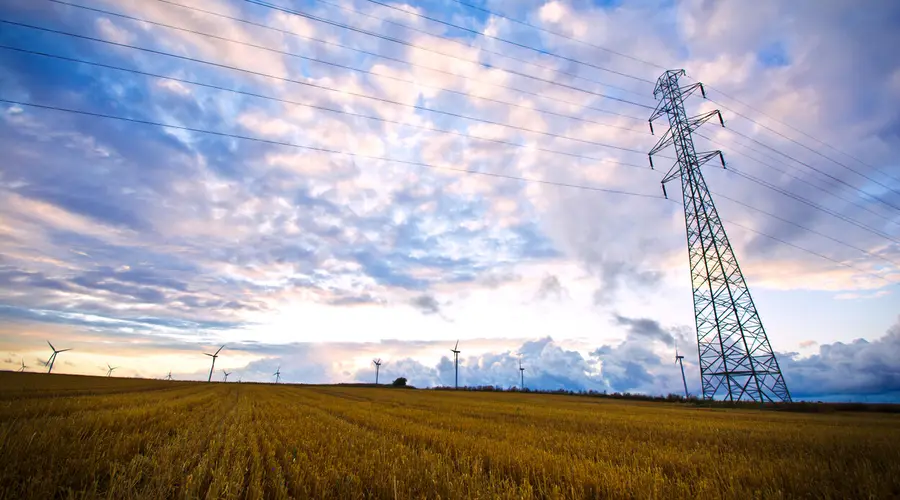
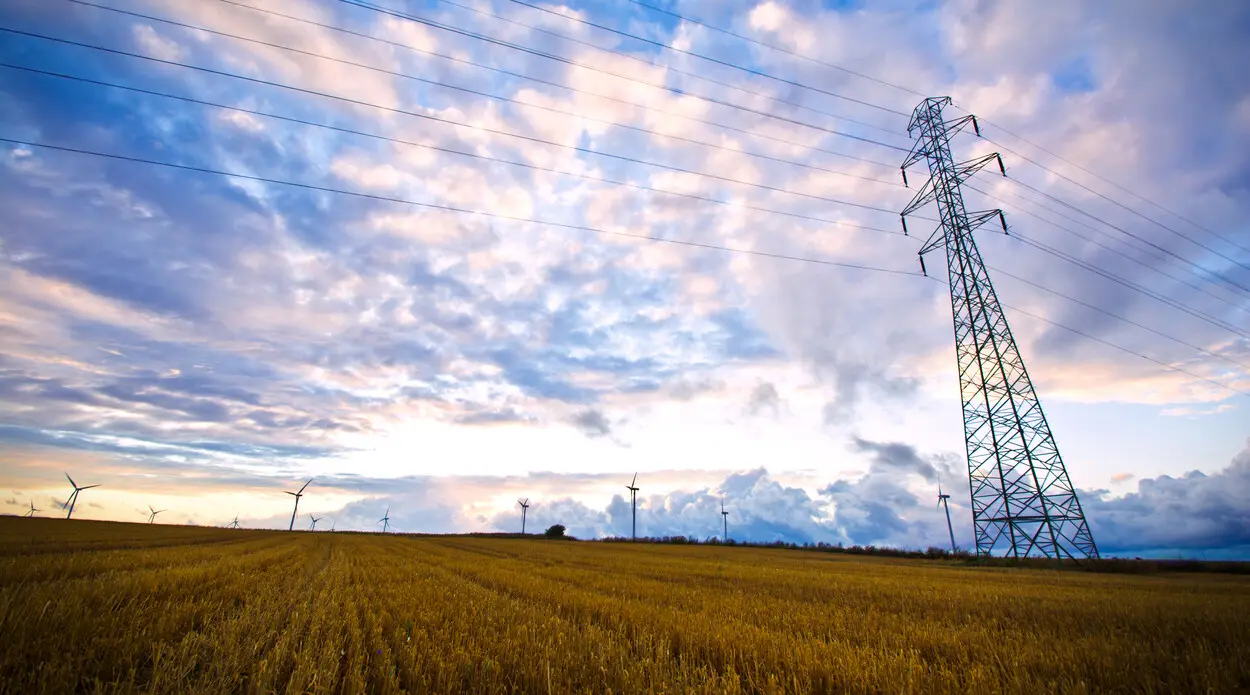
High temperatures forecasted in the coming days bring great danger. The transmission networks and power plants, many of which are several decades old, may be put to a great test. This will not only affect the capacity of the energy system in our country but also whether the system can withstand such a large load at all.
“I do not think we will face a nationwide blackout, i.e., a moment when there is a lack of electricity across all of Poland simultaneously. Single failures in power plants or the transmission network may occur, which will result in the loss of power in a given area of the country. In my opinion, if such events occur at all, they will be incidental in nature” - says Dr. Nikolina Poranek.
Are Polish power plants prepared?
The Polish energy system is currently mostly based on coal power plants. Cooling them uses, among other things, water. If a heatwave hits our country, it will lead to a phenomenon called “tropical nights”, i.e., nights when the temperature does not drop below 20 degrees Celsius. Then the temperature of the water used for cooling power plants will also rise, and as experts point out, this can lead to limiting their operation or even partial shutdown.
“The rise in water temperature is only one of the problems. The next is its availability. In some parts of Poland, to control this, it may be necessary to introduce restricted water access. This may, for example, be available at different times in different areas” - notes Dr. Nikolina Poranek.
Will the government impose restrictions?
Increased demand for electricity may lead to the need to impose consumption limits. So far there are no announcements from the energy ministry on this matter. However, in the past, when heatwaves lasting several days occurred, such measures were introduced.
“I do not expect the government to introduce restrictions that would affect individual consumers. If such measures are introduced, in my opinion, they will be more suggestions that will concern large energy-intensive enterprises” - said Dr. Nikolina Poranek, renewable energy and energy expert, Chair of Technology and Waste Management Devices, Faculty of Environmental and Energy Engineering, Silesian University of Technology.
As the expert notes, many companies implement systems that allow them to save energy consumption, including the energy used for cooling and heating rooms where production takes place without the physical presence of a person.
“It is about rational management and consumption of energy. Systems that allow controlling energy consumption help with this” - adds the expert from Silesian University of Technology.
See also: Nuclear energy as a chance for low electricity prices? Expert: “It is more about stabilization than price reduction”