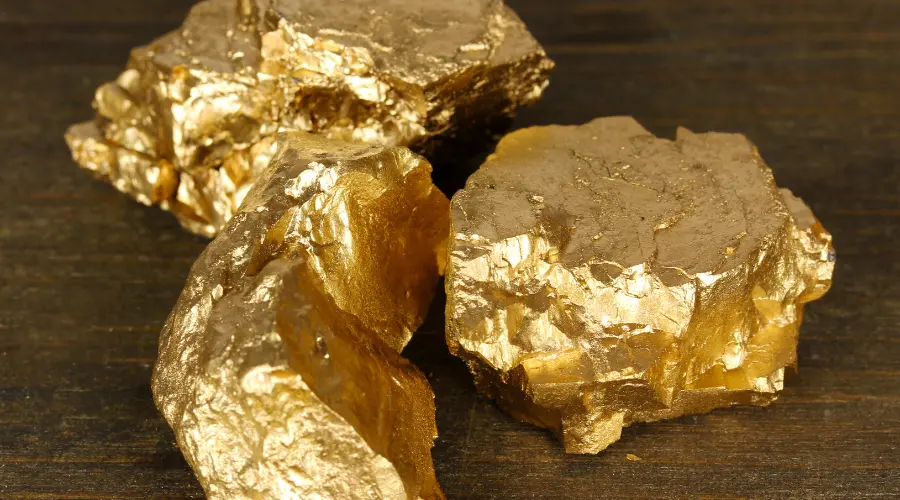
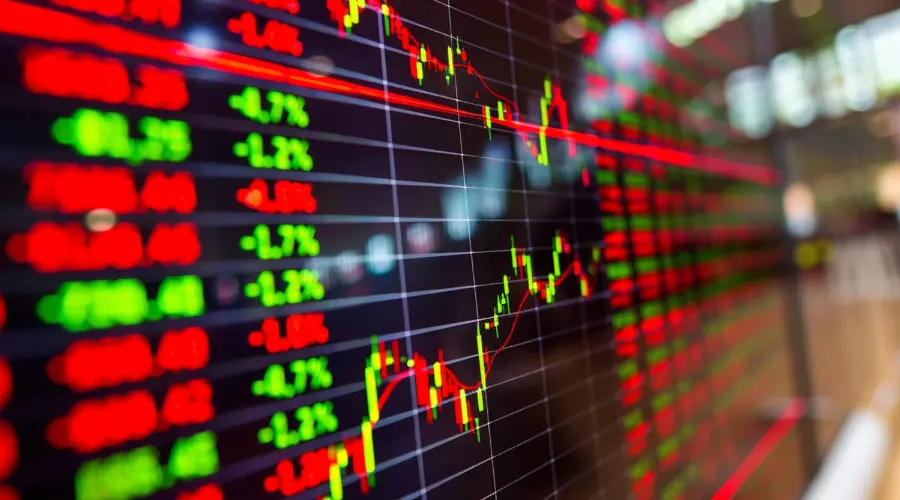
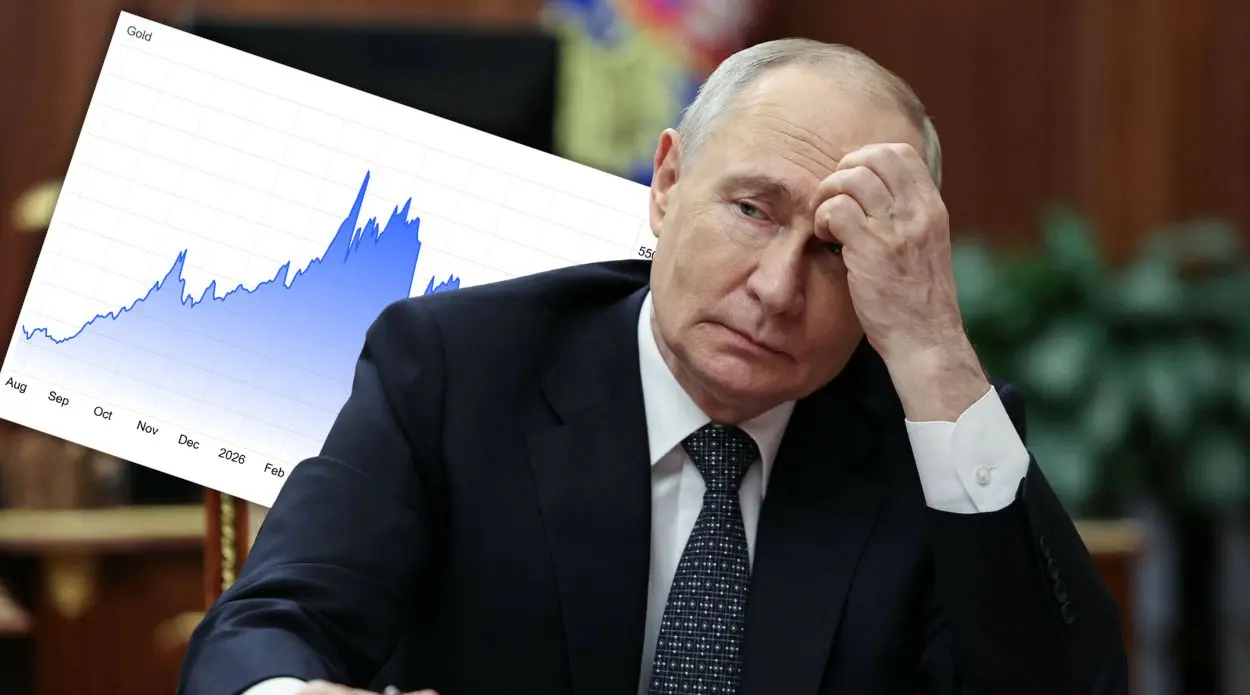
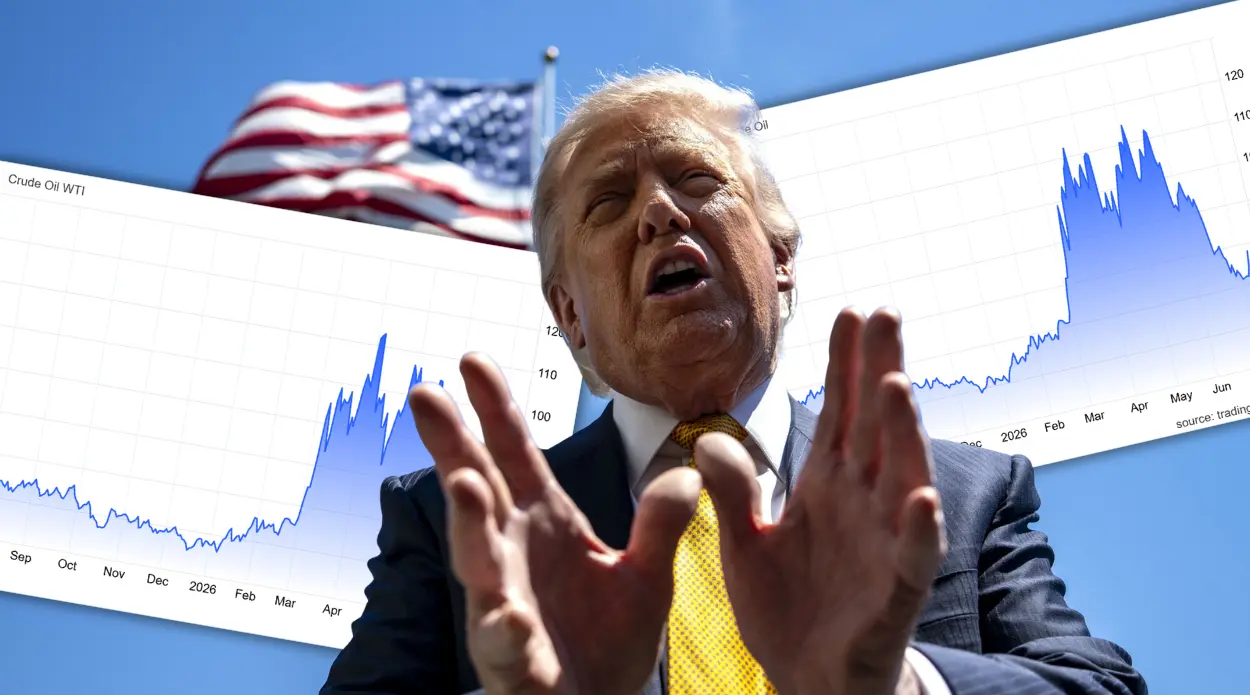
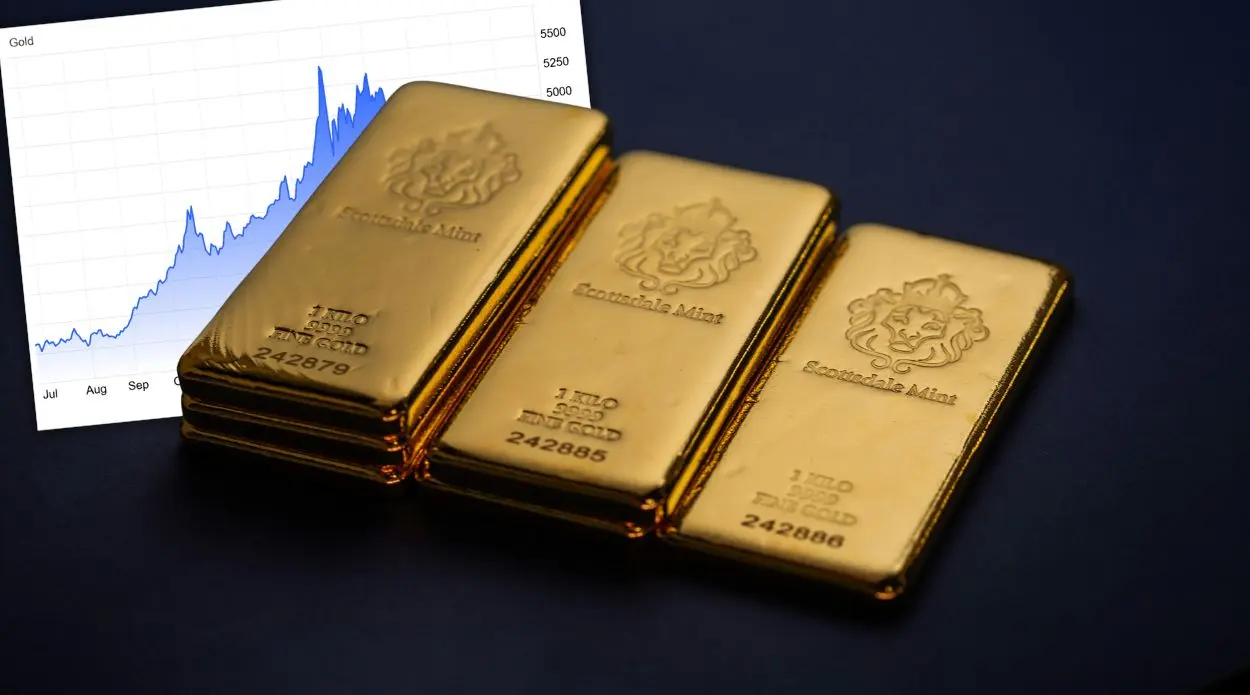
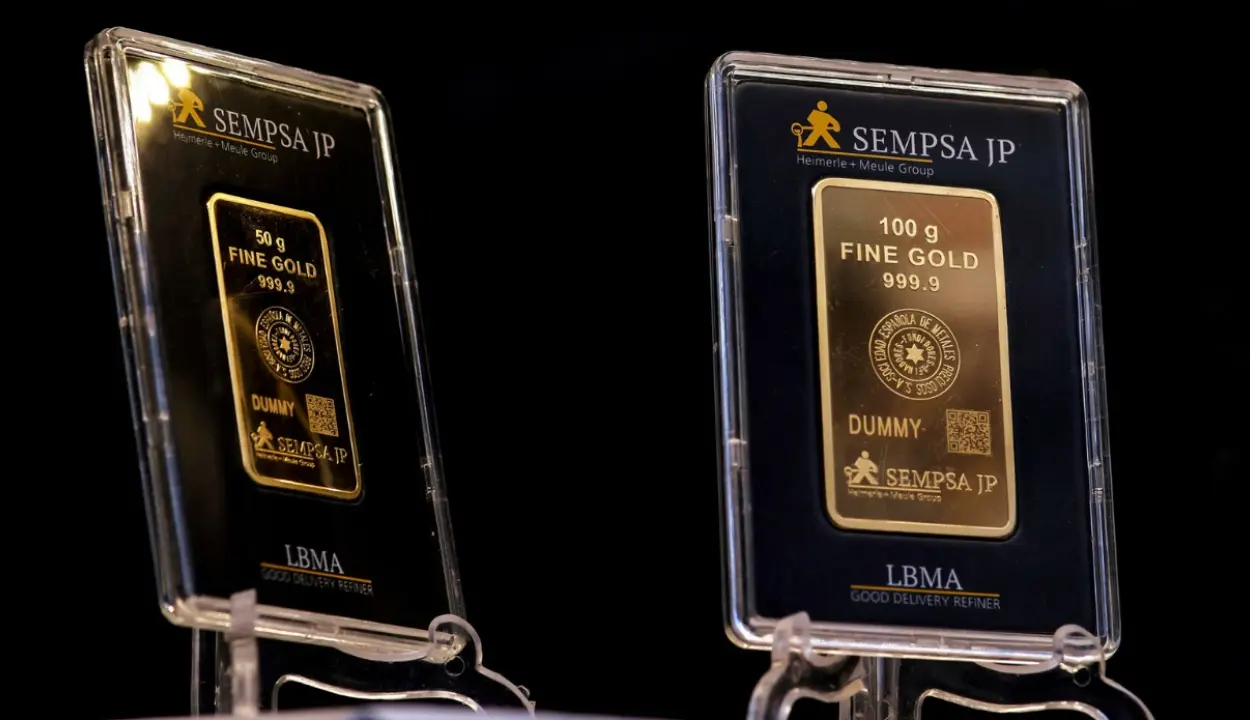
In the commodity and currency markets we observed extreme volatility – gold prices first spiked sharply after the rate decision announcement, only to dive when investors digested the new hawkish stance of the central bank.
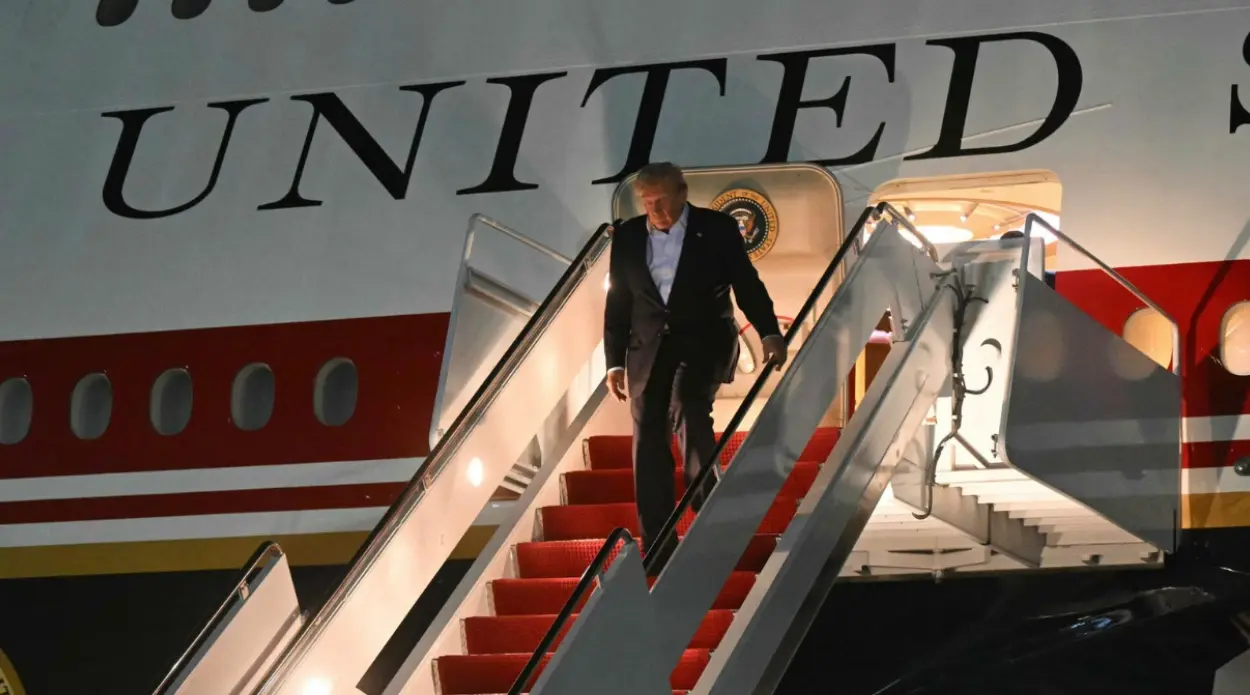
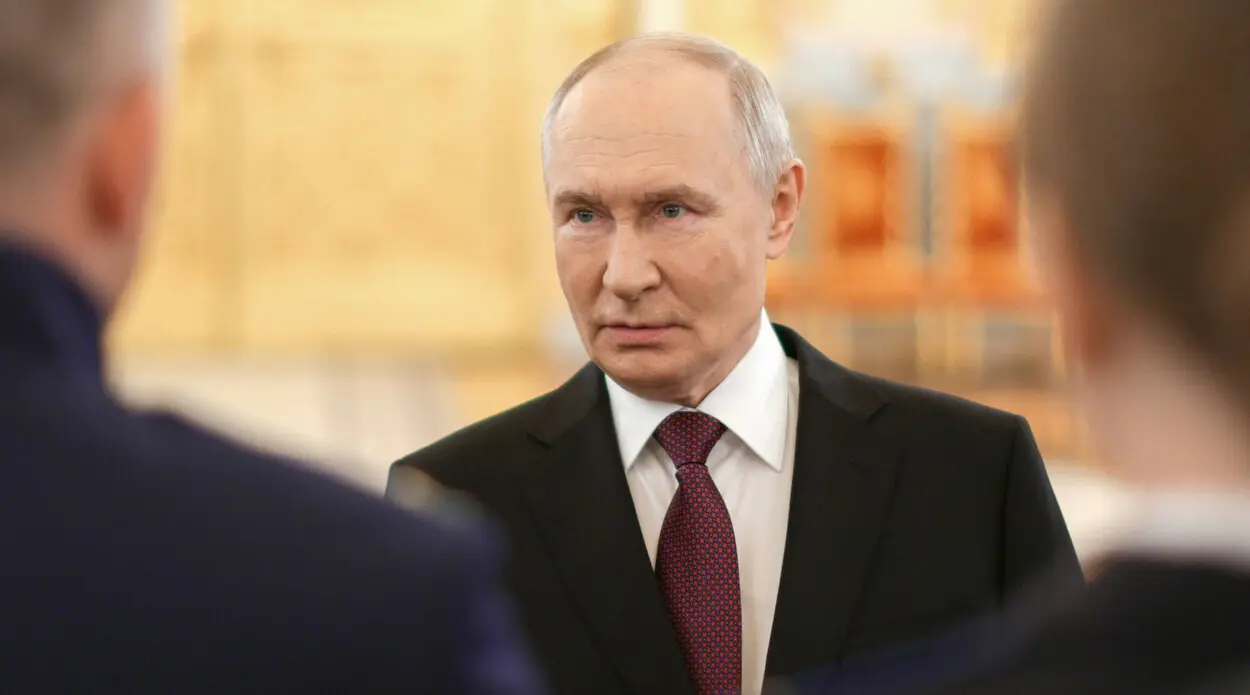
– Kevin Warsh’s debut as Fed chief brought markets a deep, hawkish reset. From the first minute of his press conference, the new chair adopted an uncompromising tone, announcing that price stability would now be the central bank’s immutable “North Star.” Warsh showed he would not continue his predecessors’ policy – he dramatically shortened the official statement and completely removed the so‑called “forward guidance,” the long‑expected announcements of future moves that investors had grown accustomed to. This radical change of the rules of the game forces markets to abandon existing analytical frameworks – comments Michał Tekliński, Goldsaver and Goldenmark gold market expert.
The updated dot plot confirmed the Fed’s new hard stance. It showed that high rates will stay with us longer, and the central bank officially supports at least one rate hike before the end of this year. Nine of the 18 FOMC members expect a rise in the cost of money before the end of 2026, with six anticipating even two upward moves. Moreover, Kevin Warsh immediately began reorganizing the institution, appointing five special task forces to analyze key areas: from Fed communication and balance sheet, through data usage, to inflation frameworks and productivity in the era of transformation.
US-Iran Agreement Signed
On Wednesday, June 17, the US and Iran signed a memorandum of understanding that aims to end the open conflict that has been ongoing since February. The agreement brought relief to commodity markets, but also sparked intense political controversy behind the scenes.
Key points involve unlocking global oil trade, nuclear issues, and also financing Iran’s reconstruction – part of the framework agreement is a plan to create a $300 billion fund for Iran’s reconstruction and economic development. The burden of establishing this fund will fall on “regional partners,” i.e., mainly wealthy Gulf countries.
In return, Iran agreed to dilute its highly enriched uranium stockpiles and pledged to immediately open the Strait of Hormuz, which had been blocked for months, paralyzing about 20% of global oil supplies.
Central Bankers on Gold Purchases
Parallel to the tectonic changes in Washington, the latest study published by the World Gold Council (WGC) confirms that monetary institutions worldwide continue to systematically reverse from fiat currencies. The study, whose majority of responses came after the recent geopolitical tensions erupted, indicates record optimism toward the precious metal.
Up to 89% of central banks believe global gold reserves will rise in the next 12 months, and a record 45% of respondents plan to increase their own holdings. Only 1% of analysts expect a decline in reserves at their institution. The key arguments for purchases remain protection against geopolitical risk and the need to diversify assets, while 74% of respondents foresee a decline in the U.S. dollar’s share of global reserves over the next five years.