ECB does not change rates
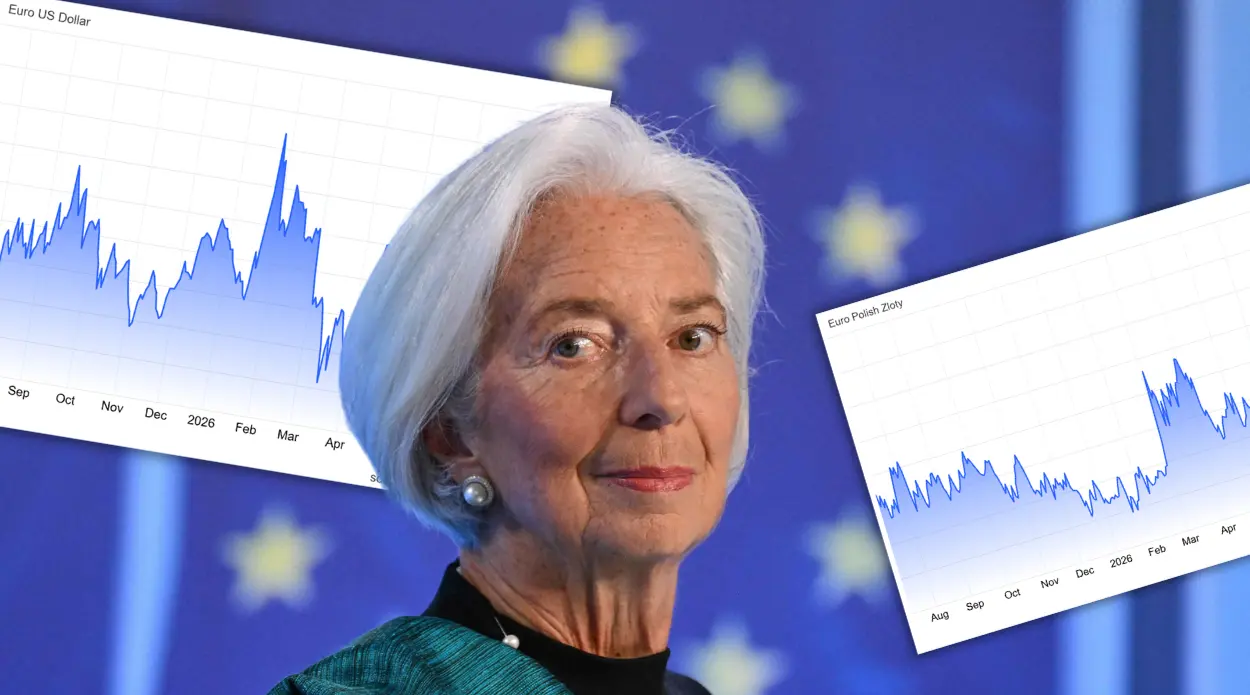
The ECB's decision was not meant to be a surprise and it was not. The market expected the refinancing rate to remain at 2.4% and the deposit rate at 2.25% – and it received exactly that. As expected, the topic of war in the Persian Gulf emerged, described by the ECB as an energy shock.
On one hand it was noted that it could turn out to be stronger than forecasts assume and translate into higher inflation. On the other hand, there were no lack of banalities about future decisions depending on macroeconomic data. However, speculation about an early withdrawal was cut.
Markets expected stronger signals announcing rate hikes in future meetings. The fragment about the energy shock only partially met those expectations. Looking at the reaction of currency markets, they were waiting for much more.
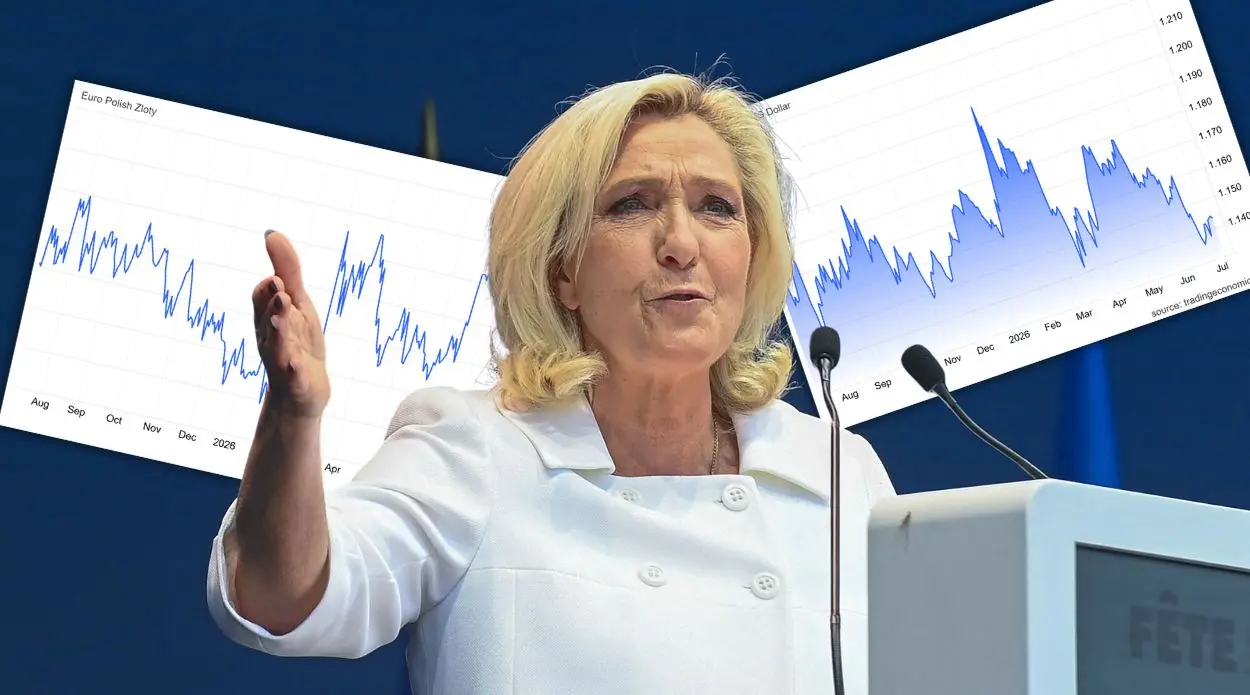
The dollar gained about 0.5% against the euro yesterday after the conference. However, it is worth noting that lower-than-forecast data on the number of unemployment benefit claims helped it.
The 100 USD barrier broke
Just yesterday we wrote about Brent crude, which cost 97 USD. During the day it briefly reached 102 USD.
Interestingly, we did not see escalation in the Persian Gulf itself.
Several ships even crossed the Strait of Hormuz with navy support. Probably because of this, we see a clear price drop from early this morning.
The only question is how investors will approach the weekend.
Will we witness a continuation of the sell‑off today that could potentially provide some relief for portfolios, or will we see a return to rises triggered, for example, by the continuation of conflicts?
Turkey does not change rates
Yesterday we learned not only about the ECB's decision but also the Central Bank of Turkey.
This first one of course has much greater significance for Poland, as trade with the eurozone accounts for about half of our trade, while Turkey is only about 2%.
The economic situation of this country, which is still trying to get back on track after a period maliciously called by economists "Erdoganomics", is not rosy.
While an unemployment rate of 8.2% can be considered a reasonable result, an inflation rate of 32.11% is not such a result – although it is close to the minima recorded since the start of the war in Ukraine, as Turkey has not yet stabilized prices.
For this reason, interest rates in Turkey remain at an unconventional level of 37% compared to Europe. Both of these indicators – inflation and rates – are higher than in any other European country, including the war‑torn Ukraine.
Today in the macroeconomic data calendar, business‑sentiment indices are read.