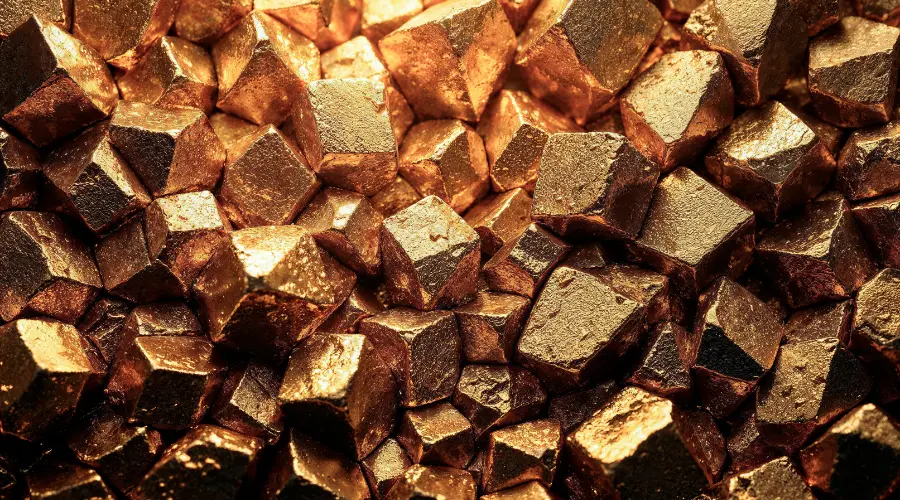
Why is gold falling?
Because of higher bond yields, a stronger dollar, and the Fed’s hawkish stance
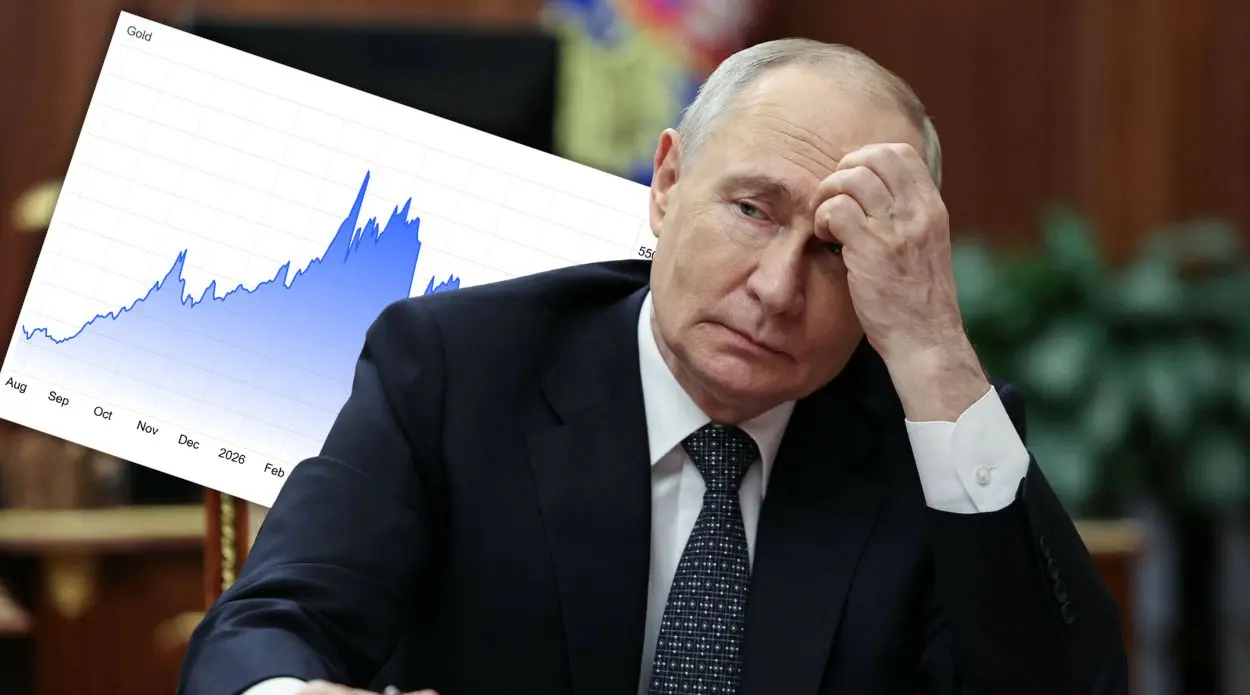
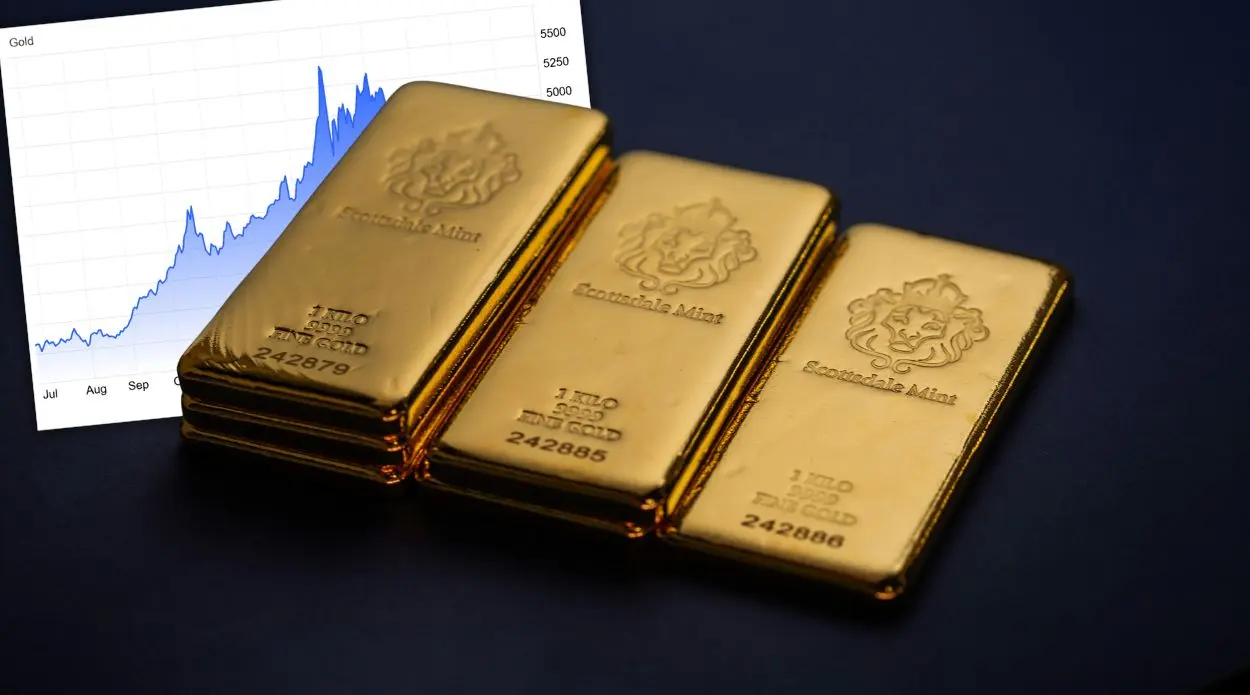
The main drivers are higher bond yields, a stronger dollar, and the Fed’s hawkish stance toward persistent inflation, which has reduced the appeal of the metal. In this context, the most important event for the gold market this week will be the Wednesday release of the minutes from the June Federal Reserve meeting.
This will be the first record of the discussions led by the new Fed Chair Kevin Warsh and may provide investors with clues about the ongoing fight against inflation in the U.S. and the future path of interest rates.
What is the main reason for the decline in gold prices?
The main reason is Federal Reserve policy
The primary cause of the decline in gold prices is Federal Reserve policy. Inflation in the United States remains high at about 4.2%, so the Fed not only delayed rate cuts but the market has begun to consider the possibility of hikes.
As a result, U.S. bond yields rose, and the 10‑year yield is now around 4.50%, reducing gold’s attractiveness because it does not pay interest while bonds offer higher returns.
At the same time, the U.S. dollar has strengthened to its highest level in over a year, adding pressure on the gold market. Because gold is priced in dollars, a stronger currency raises its price for non‑U.S. investors, limiting global demand.
The decline in gold prices was further accelerated by investors’ own reactions. After very strong gains in 2025, many decided to realize profits, increasing selling pressure. Capital began to flow out of gold‑based ETFs, and some investors had to sell assets to cover losses in other markets amid volatility triggered by the energy market situation. Consequently, gold prices fell even faster.
What lies ahead for the gold market?
- It depends on inflation
Investors are wondering what will happen next in the gold market. Three main scenarios are possible, and the outcome will be determined mainly by inflation and geopolitical conditions. The first scenario assumes that the recent declines may be the lowest point of the current discount.
- If the situation in the Strait of Hormuz remains calm, oil supplies will return to normal, and inflation will start to fall without further rate hikes, gold prices could stabilize. Additional support will come from central bank purchases. In such conditions, silver could perform better than gold due to rising industrial demand.
- The second scenario assumes that interest rates will remain high for an extended period. If inflation stays high and central banks do not ease policy, high bond yields will continue to pressure gold prices. Simultaneously, slower economic growth will reduce industrial demand, making silver more vulnerable to declines.
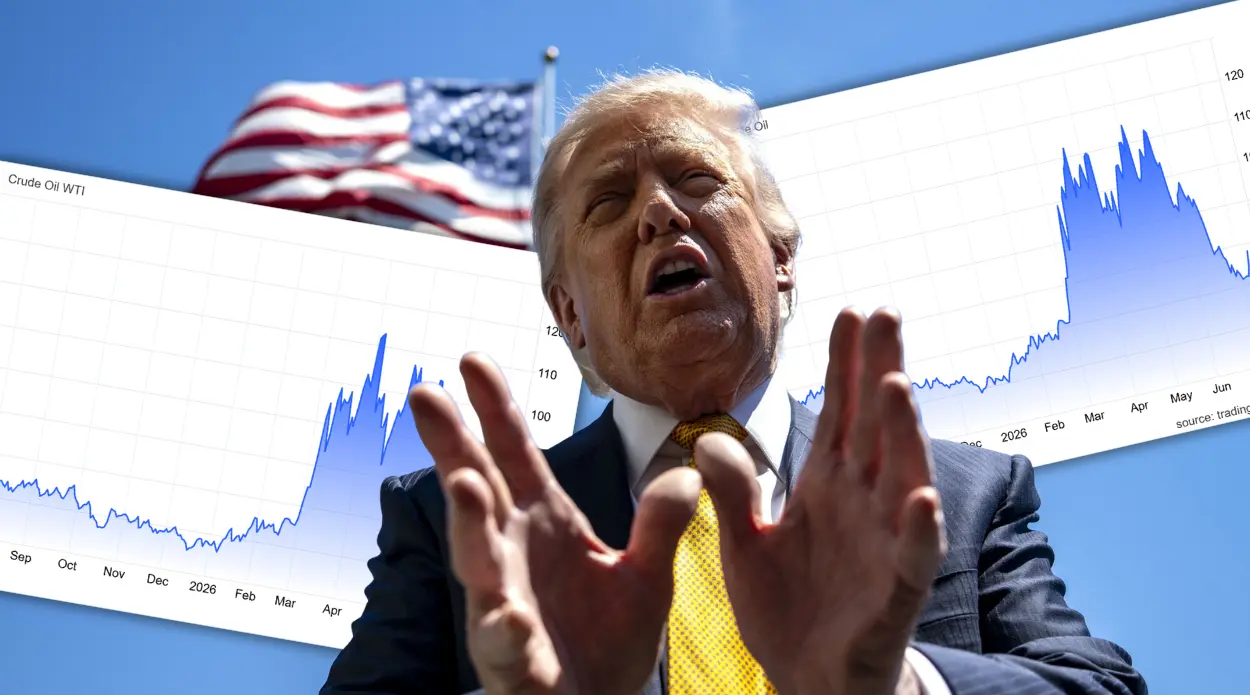
- The third scenario is a renewed rise in geopolitical tensions. A return of uncertainty to markets, for example if oil prices rise above $100 per barrel, could initially support gold, which investors view as a safe haven. However, not every escalation in the Middle East translates into higher gold prices. If rising oil again fuels inflation and pushes central banks to keep rates high longer, the effect on gold could be limited or even negative. Silver could also rise, but its performance would still depend on the global economic condition.
In the coming months, gold prices will mainly depend on inflation, central bank decisions, and the pace of global economic growth. For gold, the key factors remain interest rates, dollar strength, and geopolitical conditions.
For silver, in addition to these factors, industrial demand will also play a role. Therefore, during slower economic growth, the two metals may behave differently.