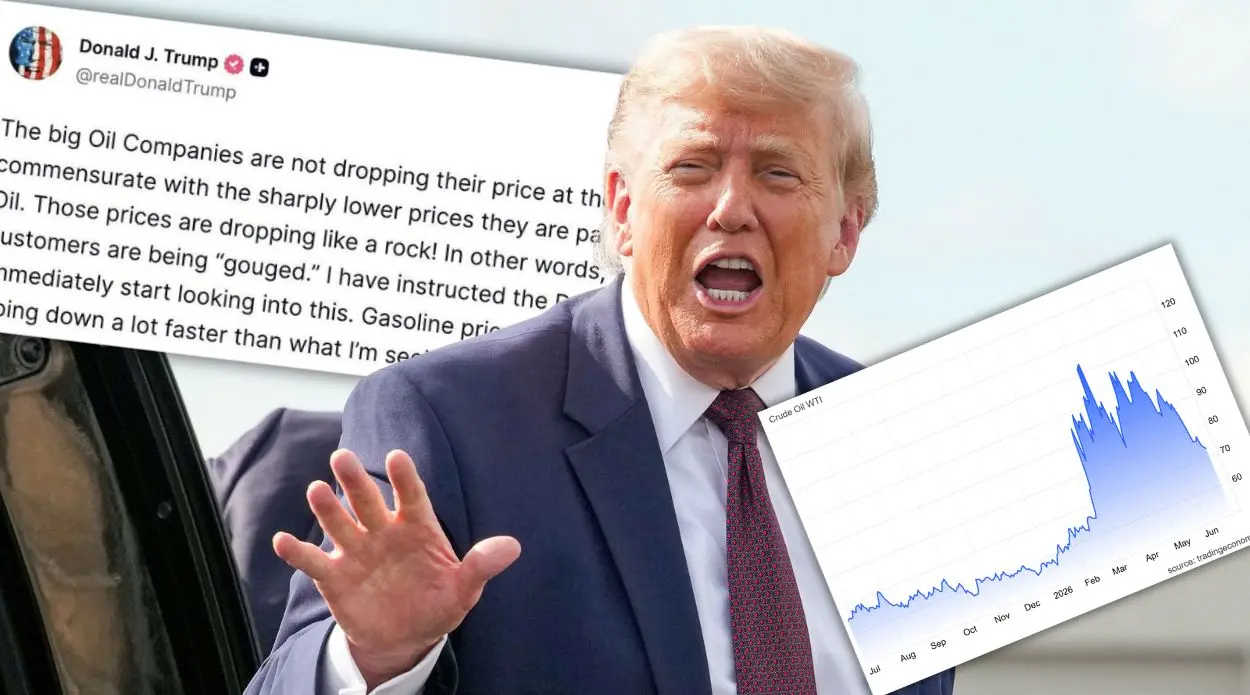
Oil at $72. Does global fear fade?
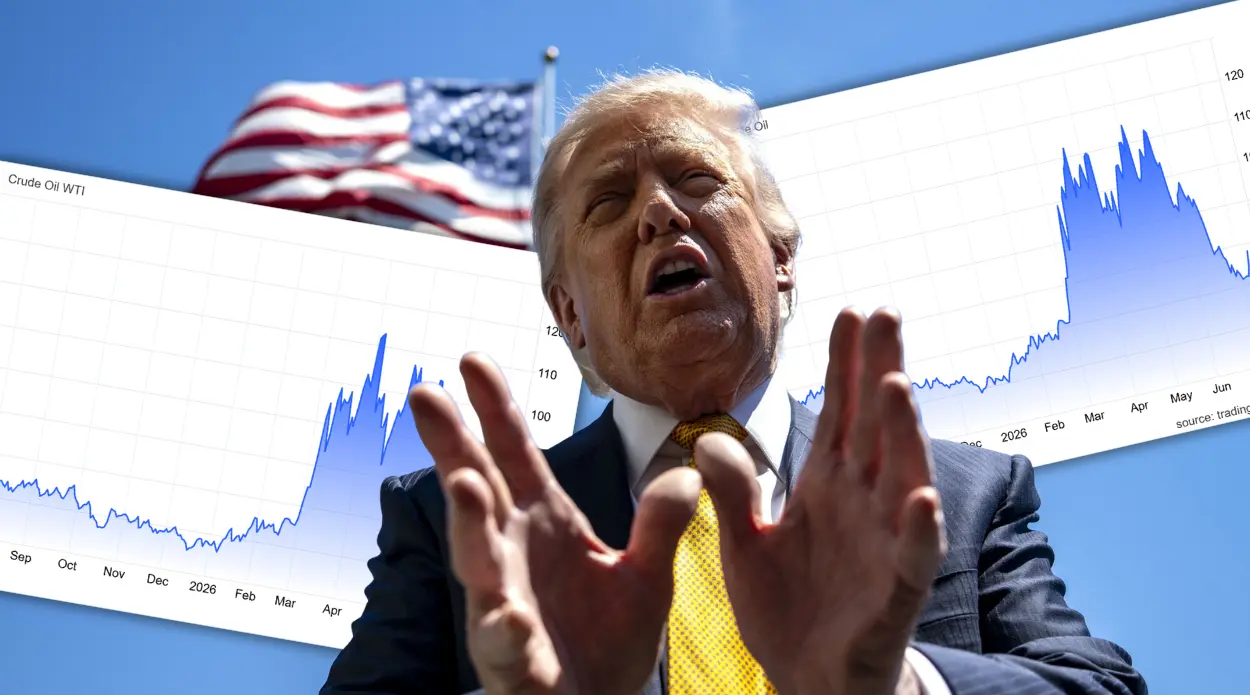
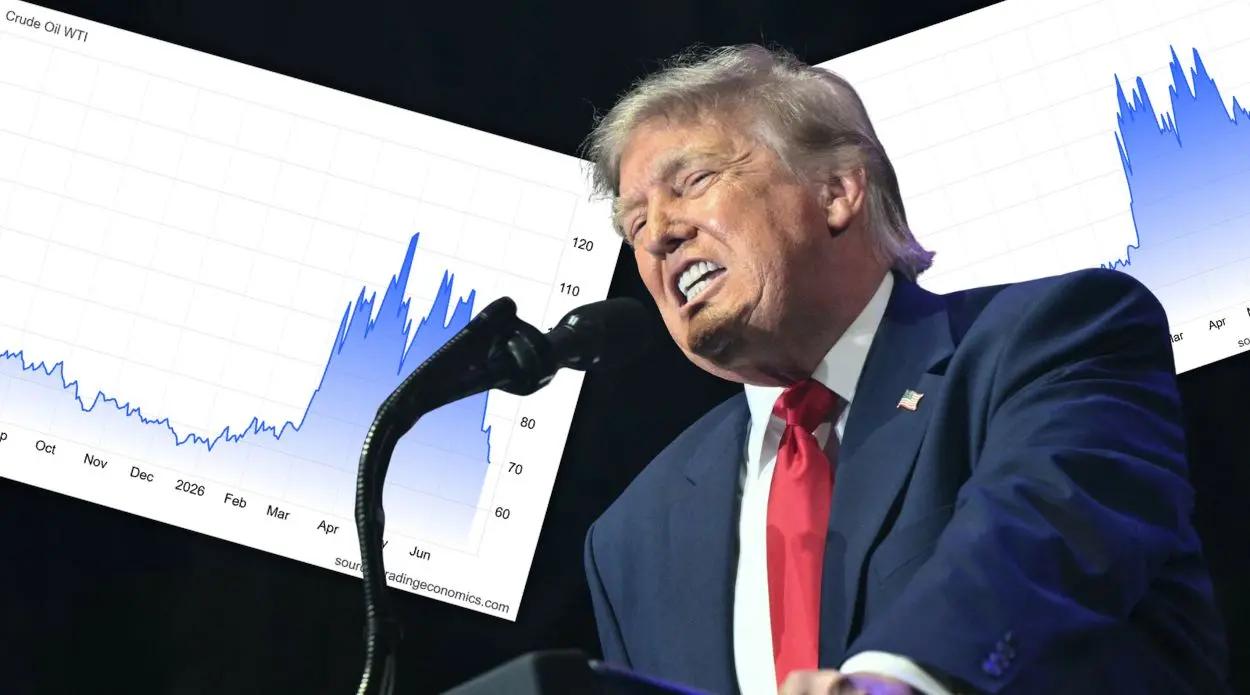
As a result, oil prices fell last week from about $80 per barrel to about $72 per barrel, thereby approaching pre-conflict levels. The falling oil price reduced global risk aversion, lowered inflation expectations, and decreased bond yields. Key risk factors for the success of peace talks remain the possibility of further armed incidents and significant differences in interpreting the terms of the peace agreement between the parties.
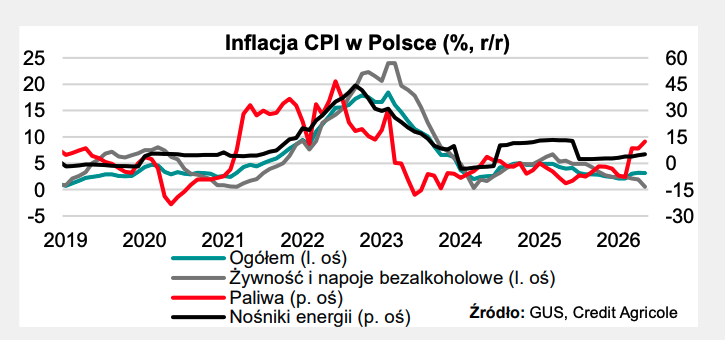
Tomorrow a preliminary estimate of inflation in Poland for June will be released. We expect CPI inflation to have fallen to 2.8% y/y from 3.1% in May due to significantly lower fuel price dynamics, largely resulting from the global oil price decline since mid‑May, and a drop in core inflation (3.0% y/y in June versus 3.1% in May). Our forecast is above market consensus (2.7%), so its realization would be slightly positive for the zloty and bond yields.
Poland follows Germany’s crisis path
On Wednesday the PMI for Polish manufacturing will be released, which we believe fell to 49.0 points in June from 49.4 points in May. We think the decline will be a correction after a significant rise in May and will be consistent with June PMI declines for manufacturing in Germany and the eurozone. Our forecast is lower than market consensus (49.7 points), so its realization would be slightly negative for the zloty and Polish bond yields.
On Wednesday we will see data on euro‑area HICP inflation in June, which we believe fell to 2.8% y/y from 3.2% y/y in May, due to significantly lower energy price dynamics and a drop in core inflation. We expect core inflation to have fallen to 2.4% y/y in June versus 2.6% in May, reflecting a partial reversal of strong May price rises in some service categories such as hotels and airline tickets. June will, however, be the fourth consecutive month in which goods and services prices rose at a rate exceeding the ECB’s inflation target (2.0%).
We expect that due to the indirect impact of higher commodity prices on final goods prices, core inflation will not return to the target at least until the end of 2027. We maintain our assessment that the strength of secondary inflationary effects will initially be limited, and their impact on inflation will become fully visible only in the fourth quarter of the current year and the first half of 2027.
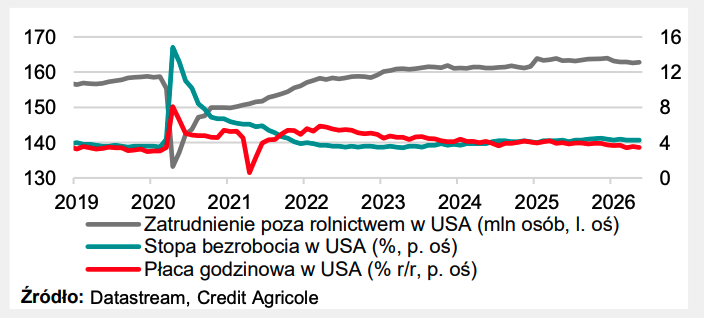
On Thursday US labor market data for May will be released.
We expect non‑farm employment growth to have fallen to 105k m/m in June from 172k in May, with the unemployment rate remaining stable at 4.3%. Additional information will be provided by the ISM manufacturing index, which we believe will fall to 53.7 points in June from 54.0 points in May, indicating a still moderately positive outlook in US manufacturing despite the decline.
This set of data would indicate a stabilisation of the labour market, which, combined with rising inflationary pressure (see below), would support our scenario of keeping Fed rates unchanged in the coming months.