Investors who expected gold to remain an endless safe haven from market turbulence are now experiencing a painful collision with reality.
Big cut at Deutsche Bank
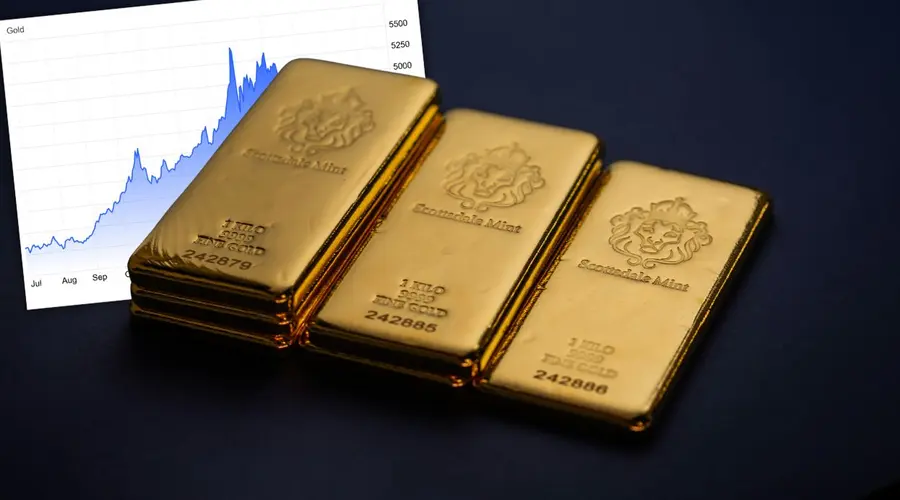
Analysts at Deutsche Bank AG have taken a radical step, lowering their price forecasts for this precious metal by as much as 22%. Why?
Growing skepticism about the future moves of the U.S. Federal Reserve and the clear drying up of investment demand. The market, previously driven by algorithms and speculation, suddenly lost the fuel for further gains.
Michael Hsueh, a well-known research analyst at Deutsche Bank, points out in the latest report that the price of a gold ounce in the third quarter will fall to 4300 USD.
This is a correction of more than one-fifth compared to earlier, extremely optimistic estimates. The forecast for the last three months has also been trimmed by 17% and now stands at 4800 USD.
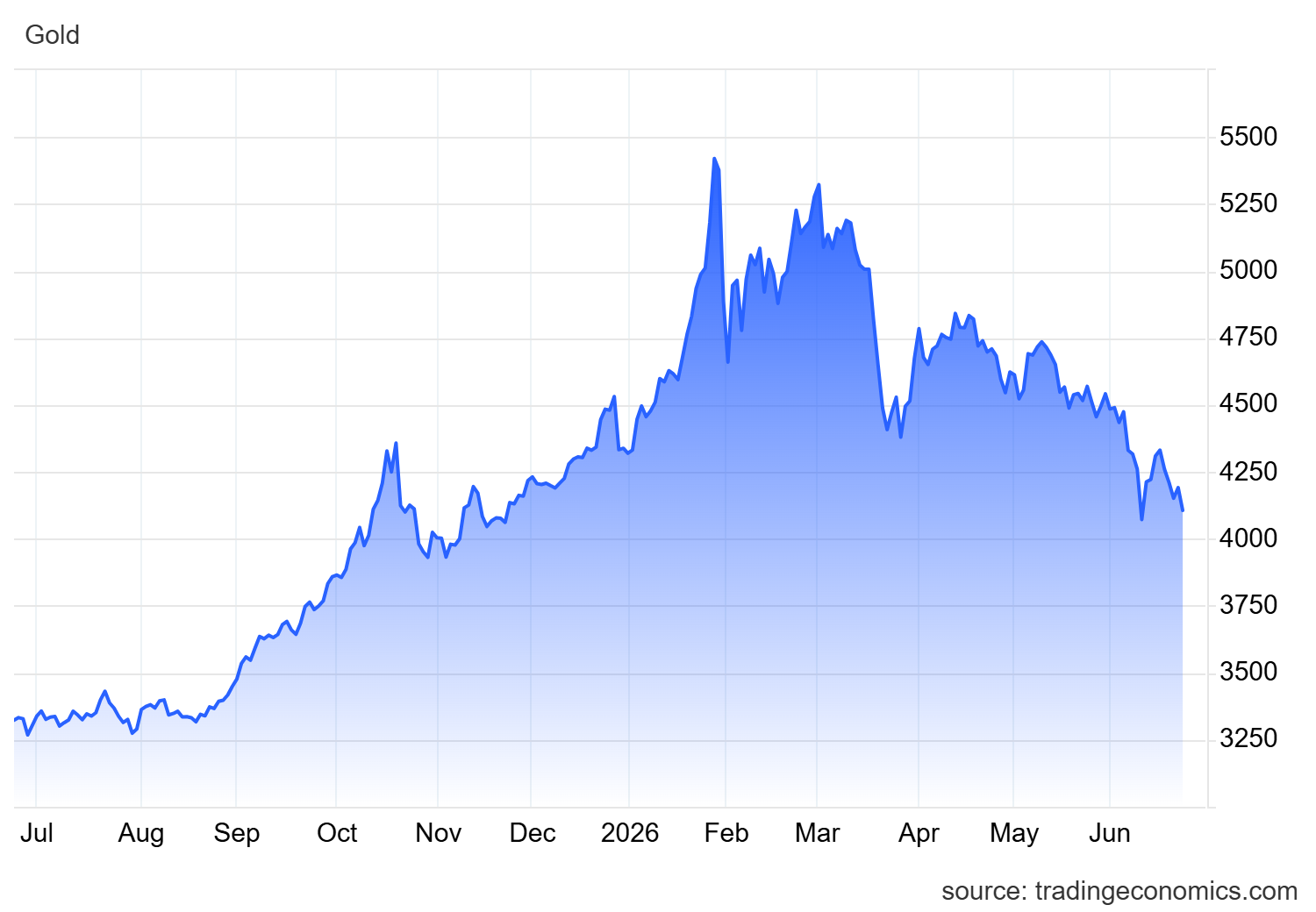
This is a correction of more than one-fifth compared to earlier, extremely optimistic estimates. While both revised values still suggest increases compared to the current price hovering around 4106 USD, the dynamics are noticeably weaker.
The gold train has clearly slowed, and investors are beginning to take profits.
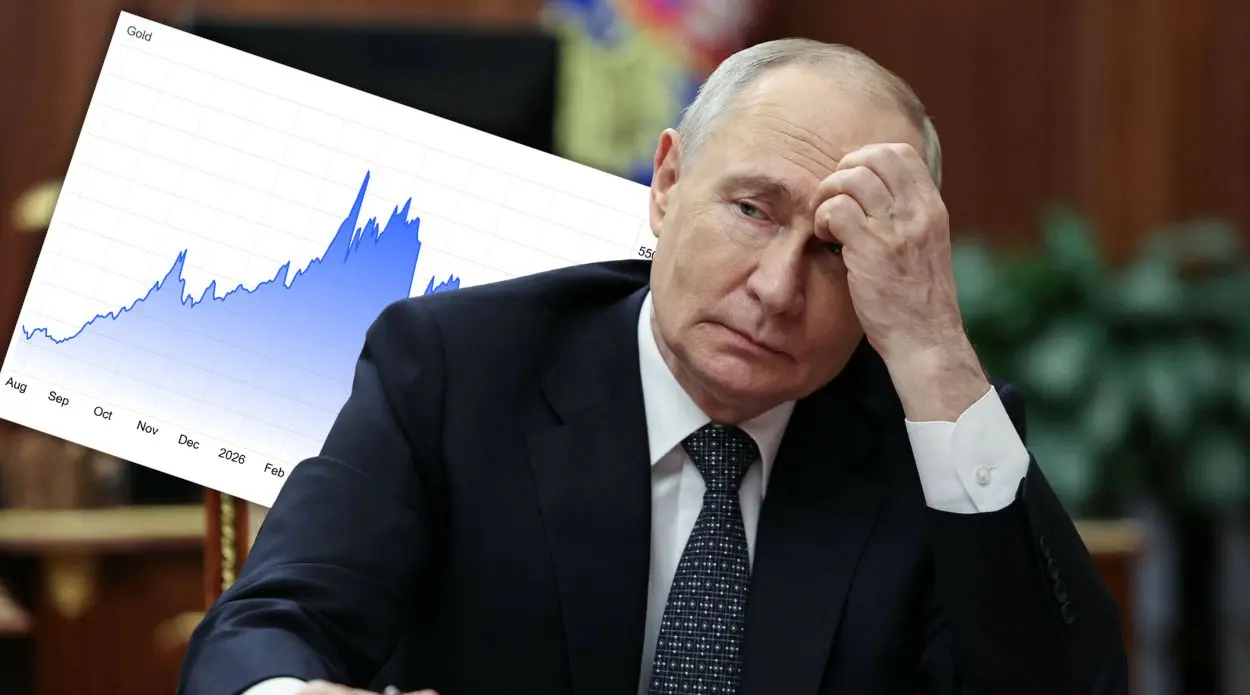
Chart. Gold spot market price (XAU/USD)
Source: Trading Economics.
See also: They’re now putting money in dollars! USD and oil rise, gold and Bitcoin fall
Goldman Sachs also dims the light
Deutsche Bank is not alone in its pragmatic pessimism. It’s just another domino, as last week a similar move was made by the Wall Street giant Goldman Sachs Group Inc.
The bank decided to erase the 5000 USD level from its year‑end forecast, setting it at a floor of 4900 USD per ounce.
Only 100 USD lower, is that really little? Theoretically, yes, but it’s worth noting that it’s below the psychological 5000 USD barrier.
What caused the sudden shift in sentiment among Wall Street sharks? The key is a change in the perception of U.S. monetary policy. Goldman Sachs now assumes a scenario in which the U.S. central bank will not make any rate cuts this year.
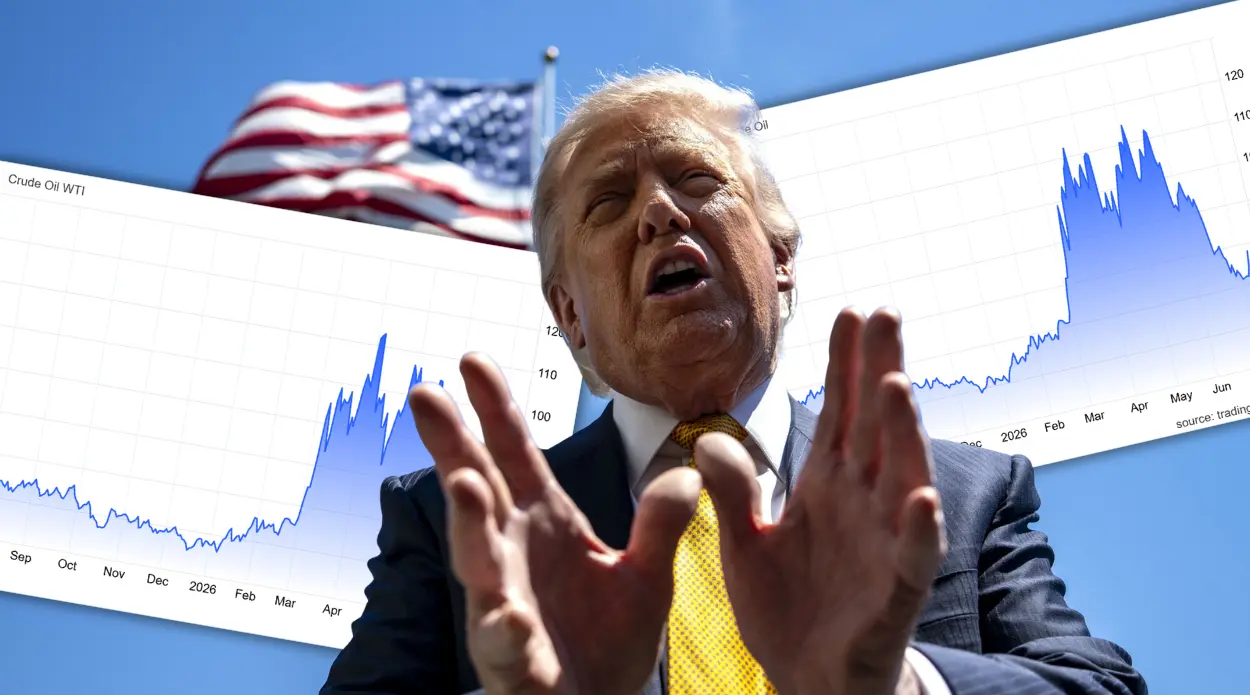
It’s worth noting that in this quarter gold has already lost almost 12% of its value. Initially, the Middle East war pushed energy prices up, which immediately translated into higher inflation expectations and pressure for tighter monetary policy.
During the last meeting the Fed officials decided to keep rates unchanged, but earlier issued a clear, hawkish signal of growing support for further hikes.
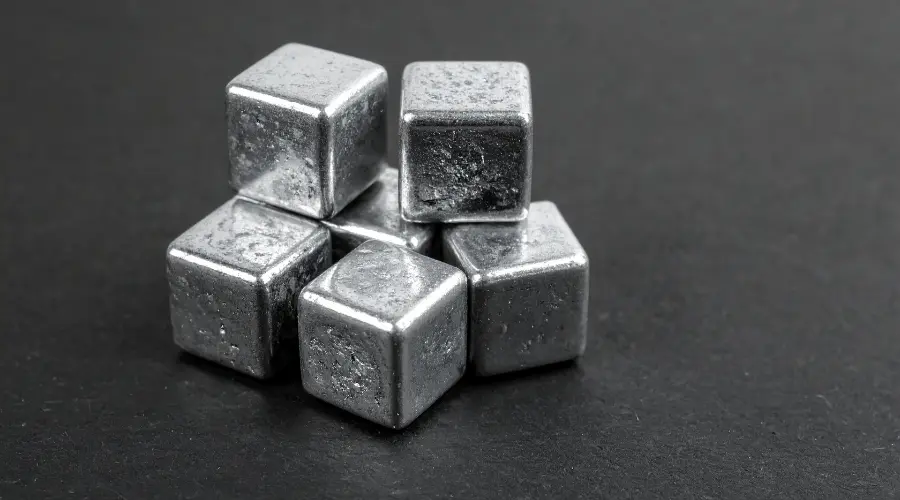
The new Fed chair, Kevin Warsh, openly announced that his absolute priority is to restore price stability, which for the gold market means a powerful blow. As for silver, it also sees a spectacular drop and currently sits at 62 USD per ounce.
Chart. Silver spot market price (XAG/USD)

Source: Trading Economics.
See also: How to buy gold safely? A beginner’s guide for investors
ETF funds in reverse
Traditional pillars supporting the precious metals market are starting to crack. The ongoing sell‑off of gold‑backed ETF shares shows that the previous demand from institutional and retail investors has simply evaporated.
Equally concerning signals come from Asia. In the arena, however, there remains one exceptionally strong player: central banks, whose demand still remains high and according to forecasts the balance sheet will stay stable for a long time.
However, this does not change the fact that Tuesday’s spot price drop of 1.9% to 4106 USD is a clear warning signal. The Great Bull is being brutally verified by market reality.
See also: Central banks have gone crazy for gold. XAU/USD still disappoints
Source: Bloomberg.