Diplomatic ceasefire between the United States and Iran lasted only a moment.
Heat in the Strait of Hormuz. Who pulled the trigger?
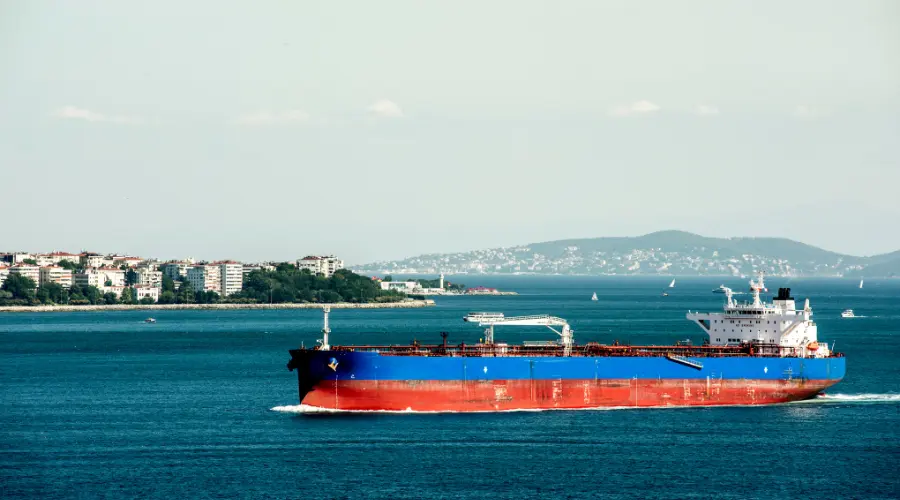
The immediate trigger for Washington’s decision were incidents from recent days. The British agency UKMTO, linked to the local navy, reported that three commercial tankers were hit by unknown projectiles in the Strait of Hormuz area.
Although Tehran remains silent and does not admit responsibility, U.S. officials, based on preliminary intelligence reports, are certain: Iran is behind the attacks.
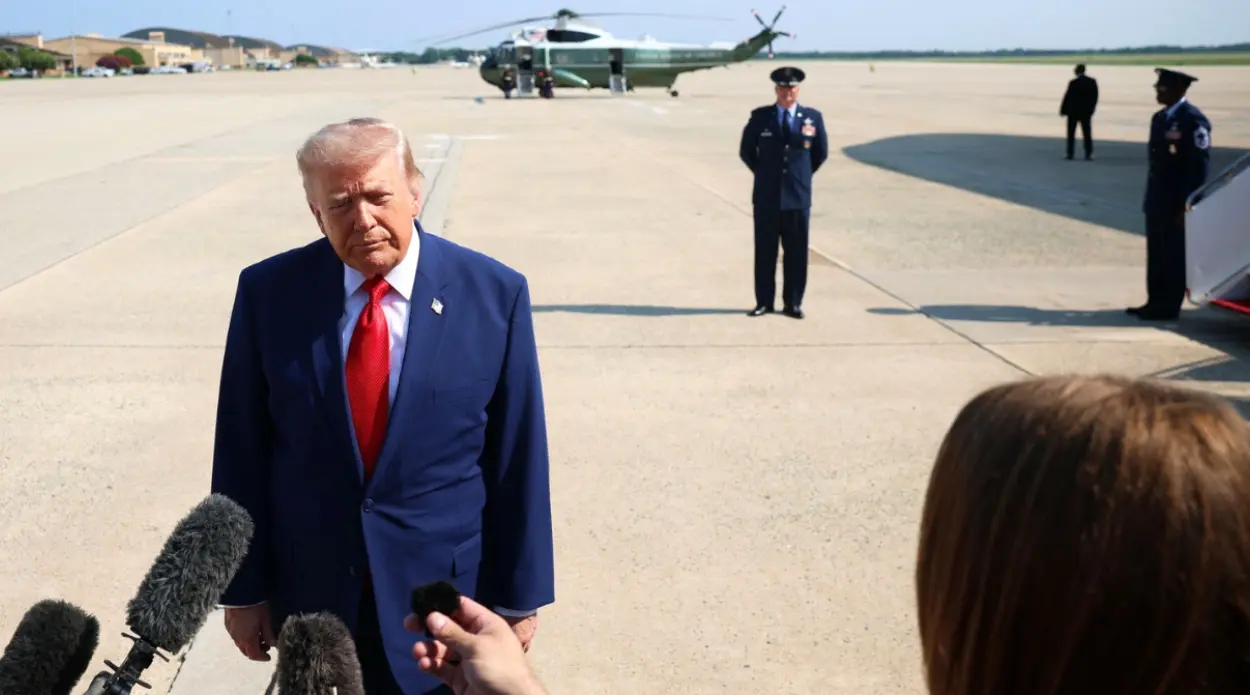
For the U.S. this is a clear red line violation. Representatives of Donald Trump’s administration called the actions “completely unacceptable.” The reaction was swift and painful.
The procedure launched last month by the U.S. Treasury, which was supposed to allow Iran limited oil sales until August 21, has just been cancelled.
The new final deadline is set for July 17. Washington brutally shortened the time for winding up interests, sending a clear signal that maritime aggression carries real financial consequences.
See also: Shock in the oil market. UAE leave OPEC and OPEC+. Reuters warns of “chaos.”
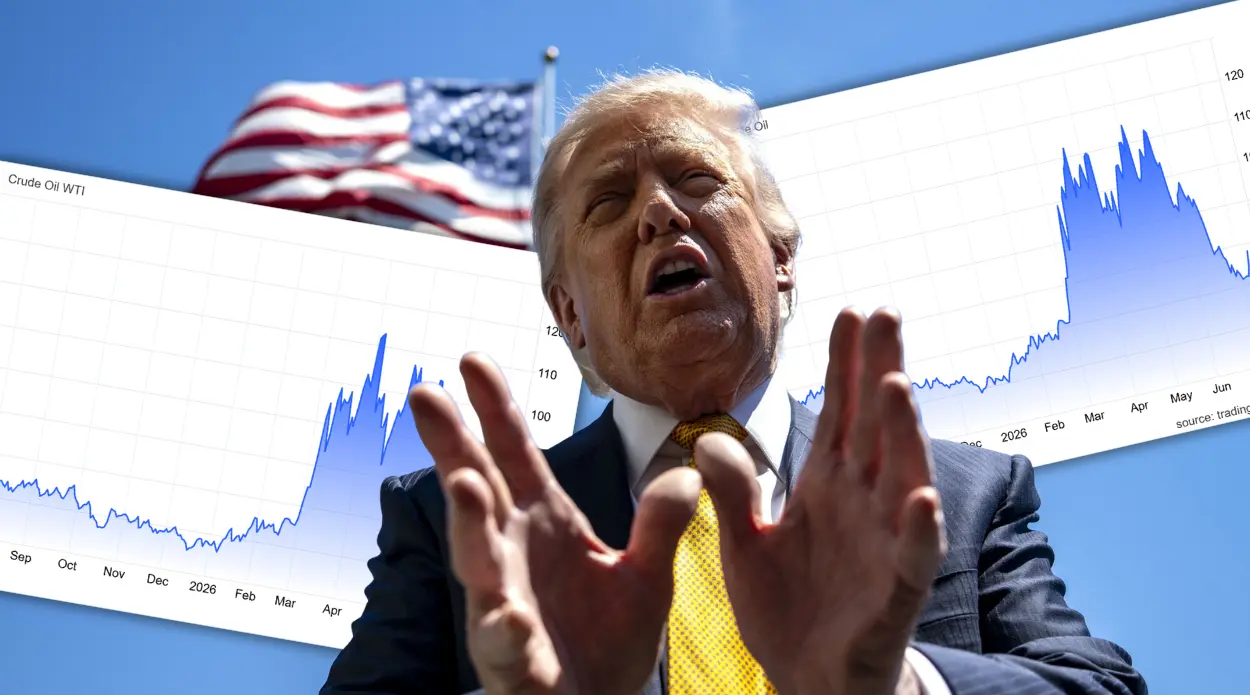
Brent and WTI oil surge. Will we see a price hike at gas stations?
The oil market, after last month’s agreement, began to slowly recover and recorded significant drops, but in light of recent events it reacted with immediate nervousness.
News of a sudden tightening of the Iranian oil supply and the threat of a renewed blockade of the Strait of Hormuz triggered a sharp price jump of over 5%.
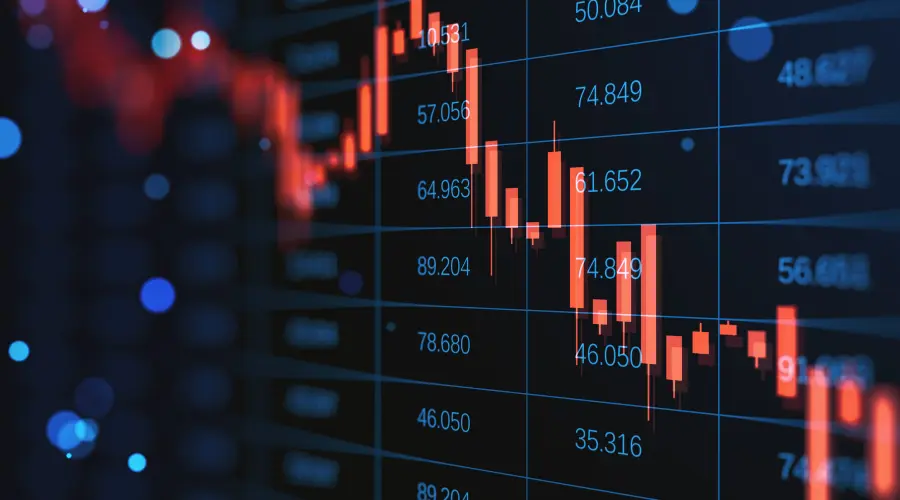
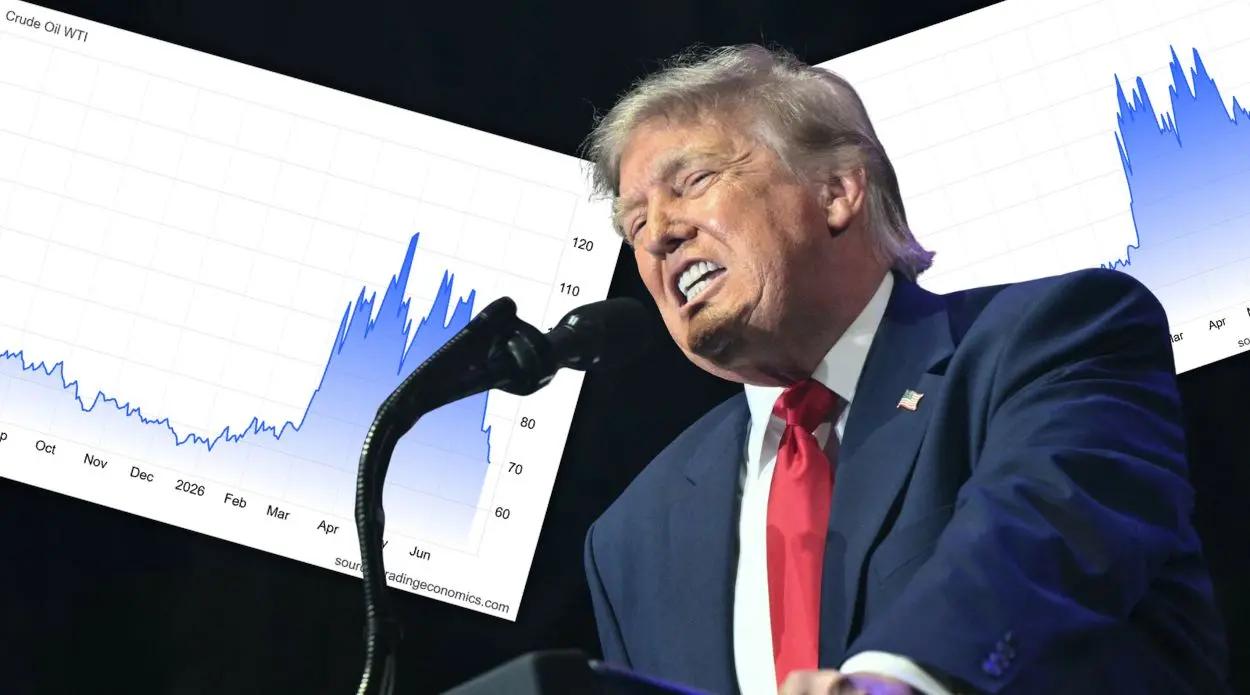
On Wednesday, July 8, Brent oil price rose by 6.30% to 78.83 USD per barrel.
Chart. Futures contract price for Brent oil

Source: Trading Economics.
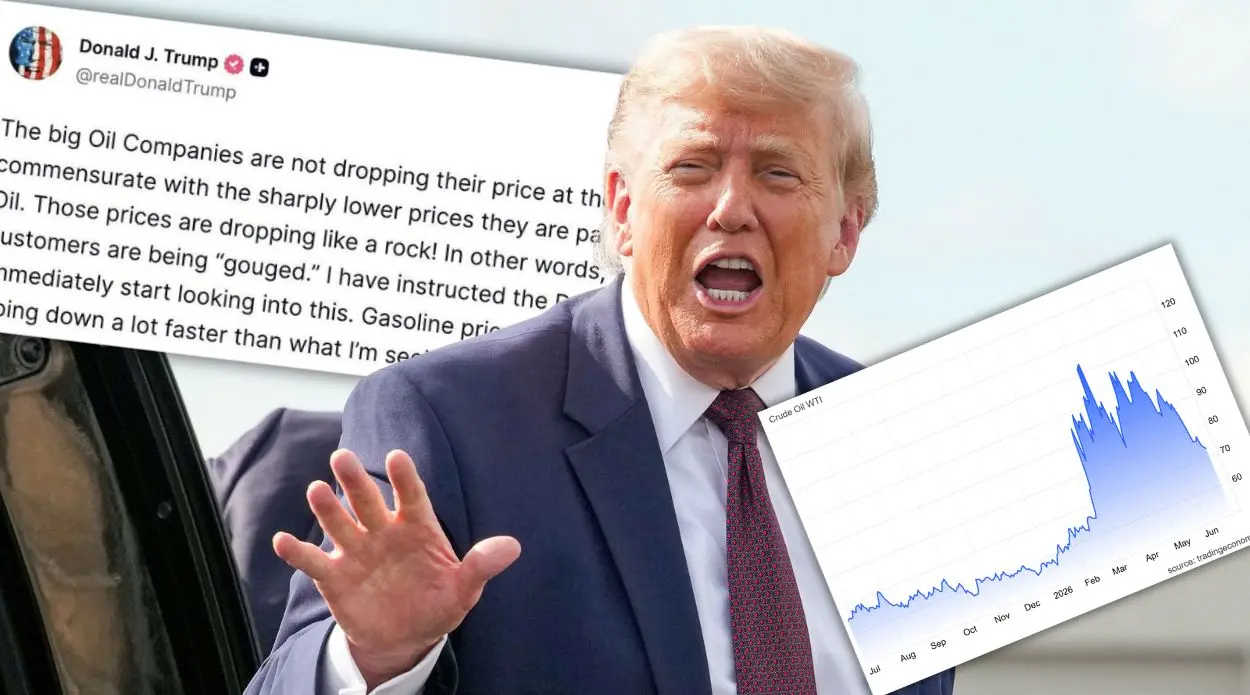
Meanwhile, the American light and sweet WTI oil also returned to the upward path, rising by 6.30% to 74.89 USD per barrel.
Bob McNally, head of the advisory firm Rapidan Energy Group, assesses the situation soberly, noting that these events clearly show: “the ceasefire is not as solid and lasting as the oil market assumed.”
Before financial markets, the difficult task now is to re‑calculate geopolitical risk in the barrel price.
If the blockade lasts longer, global markets will again be flooded with a price hike wave, raising inflation and hitting governments and consumers worldwide.
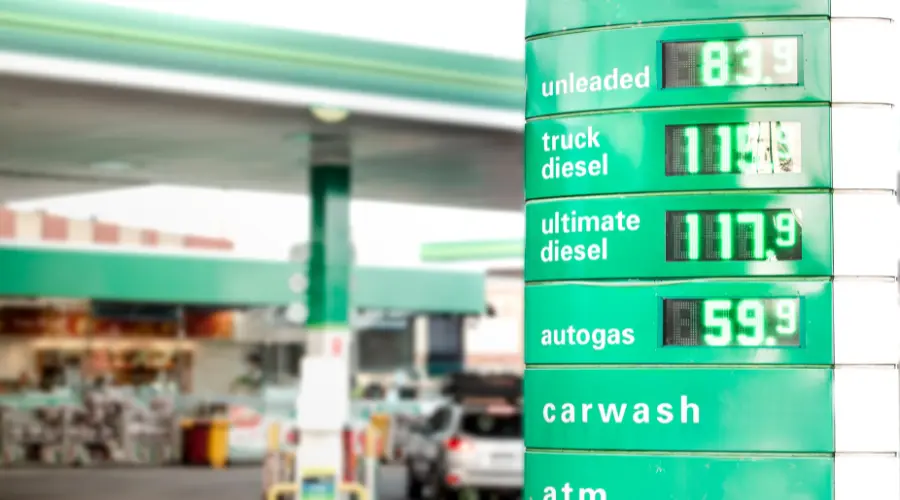
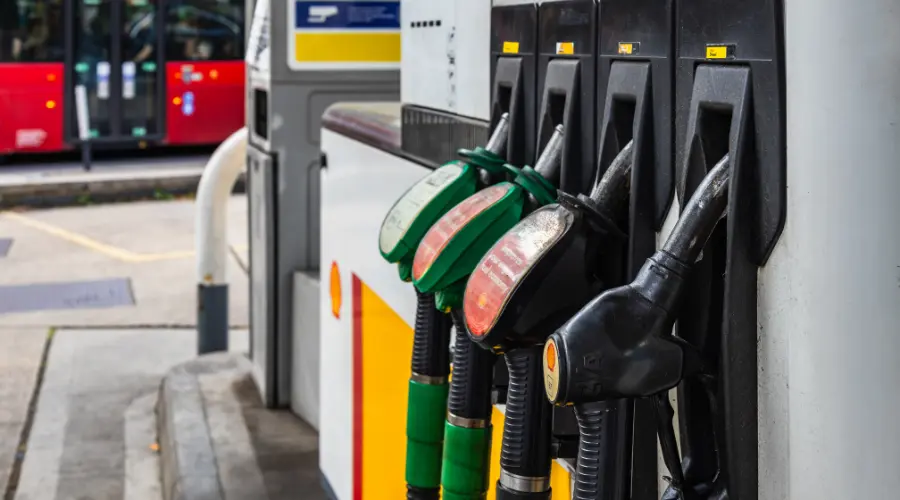
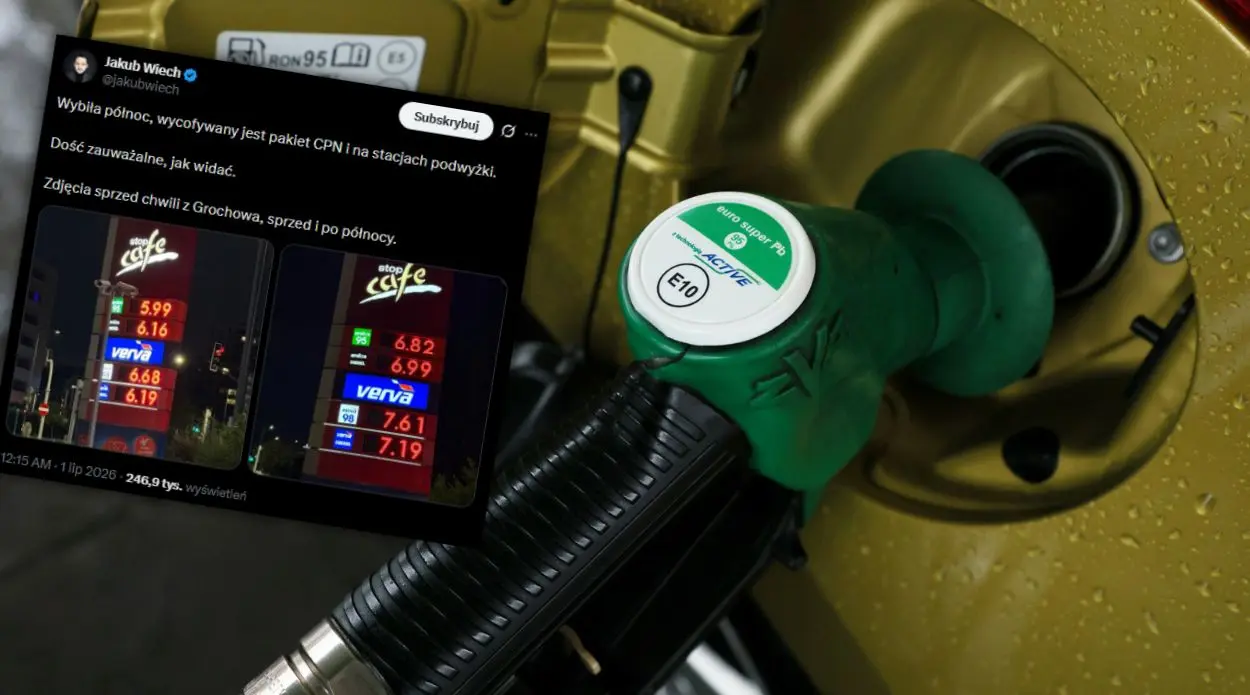
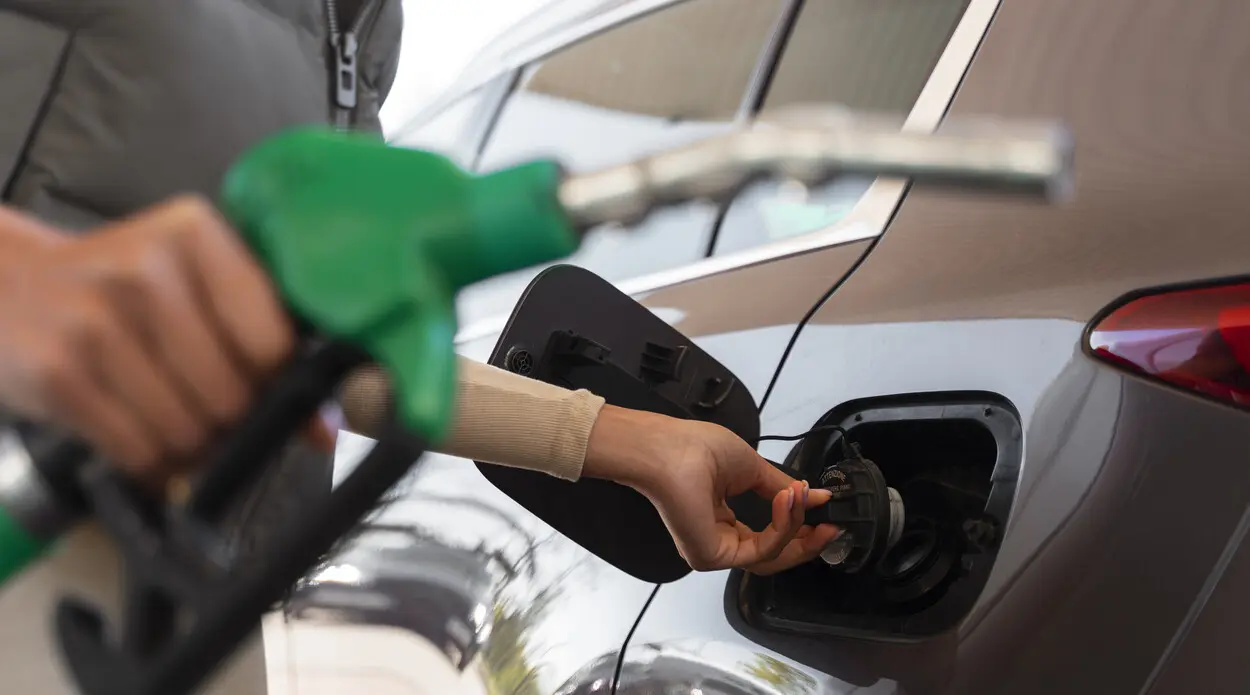
It is worth noting that since July 1 in Poland the CPN program that reduces fuel prices is no longer in effect, so in the coming days large price increases may appear at service stations.
Chart. Futures contract price for WTI (West Texas Intermediate)

Source: Trading Economics.
See also: Oil above $150 per barrel. Experts paint bleak forecasts. Fuel prices enter a “radical scenario.”
Cut financial loop and Chinese umbrella
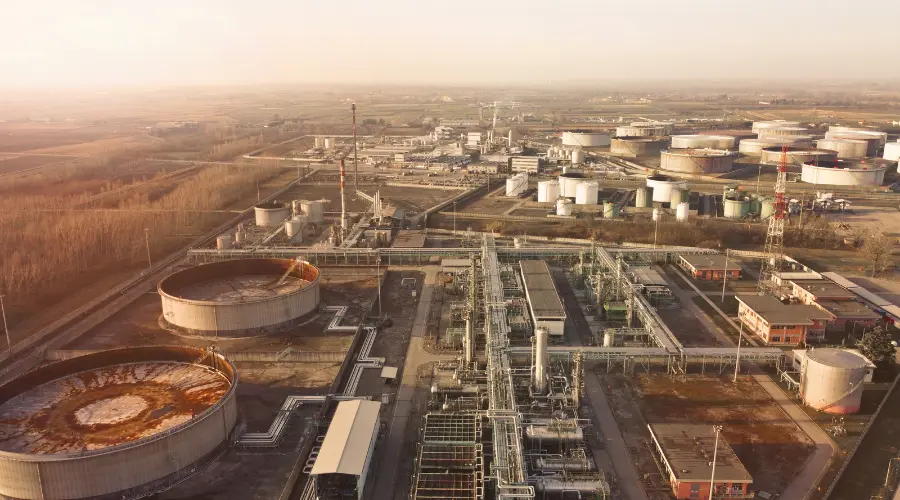
The game is about a huge stake because the Strait of Hormuz, the choke point between Iran and Oman, is a key point on the world’s commodity and energy map. Before the conflict erupted, it carried up to 20% of global oil and liquefied natural gas transport.
For Tehran exporting “black gold” is an absolute must or not, and the main source of hard currency (measured in billions of USD) that allows the state to finance its expenditures and artificially sustain an economy drained by years of U.S. sanctions.
Interestingly, despite earlier restrictions, Iran managed quite well. In recent years Tehran systematically increased supply volumes, finding an ideal, willing partner in China.
Beijing became the main buyer of Iranian crude, creating a financial safety cushion for the Tehran regime.
Today’s second U.S. strike aims to break this safe structure. Despite such a sharp reversal, U.S. negotiators declare they are still working in good faith to reach a final, wide agreement with Iran.
See also: Impasse in the Middle East hits fuel prices. Will there be a drop to $40 per barrel soon?
Source: Reuters.