Poland proposes a secure back‑end
The strongest point of Poland’s offer concerns the planned production of Patriot systems. After President Donald Trump’s declaration of considering building a factory in Ukraine, Warsaw proposed a three‑party model: the US, Ukraine, and Poland.
The logic is simple. Ukraine needs armaments, Americans want to develop production, and Poland can provide a safer location for part of the process.
This is not a cosmetic tweak but an attempt to change the project architecture. Instead of one factory exposed to risk, a collaboration emerges that links Ukraine’s needs with a base located in a safe place.
Sobkowiak‑Czarnecki highlighted the scale of demand: Patriots are needed essentially worldwide. For Poland it would mean more than just another purchase.
Participation in co‑production would give a seat at the table where decisions on production, supplies, and long‑term cooperation are made. Now the talks are to take place between three countries.
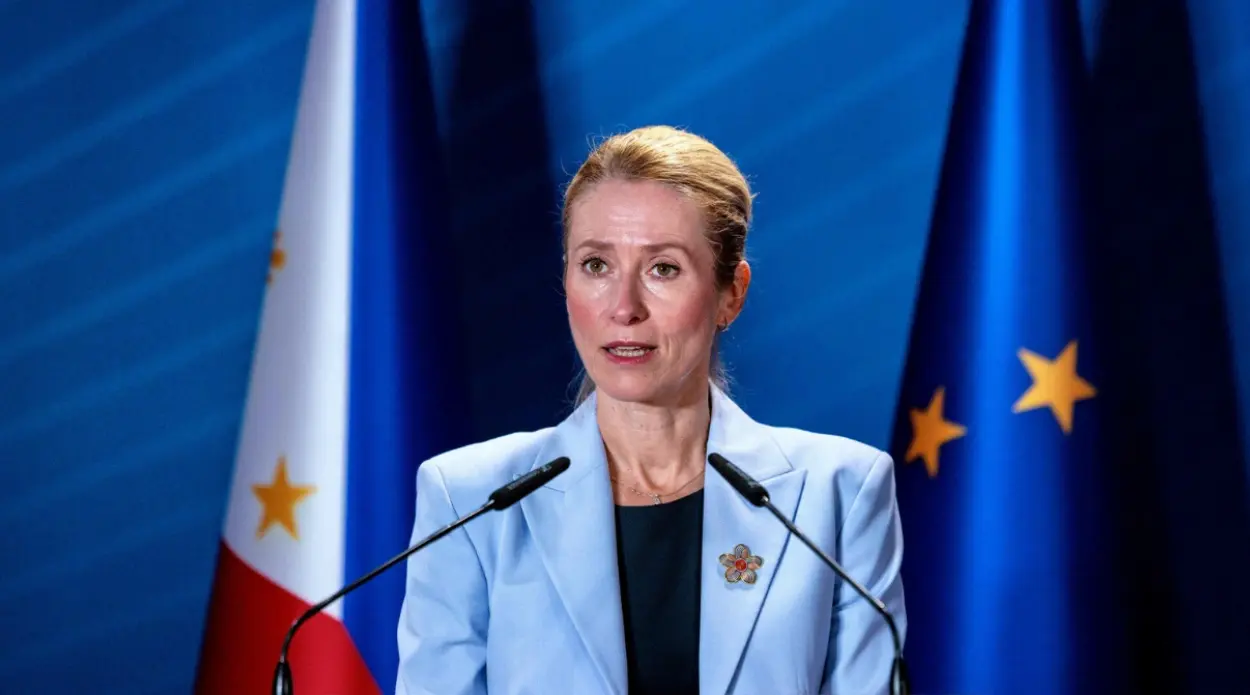
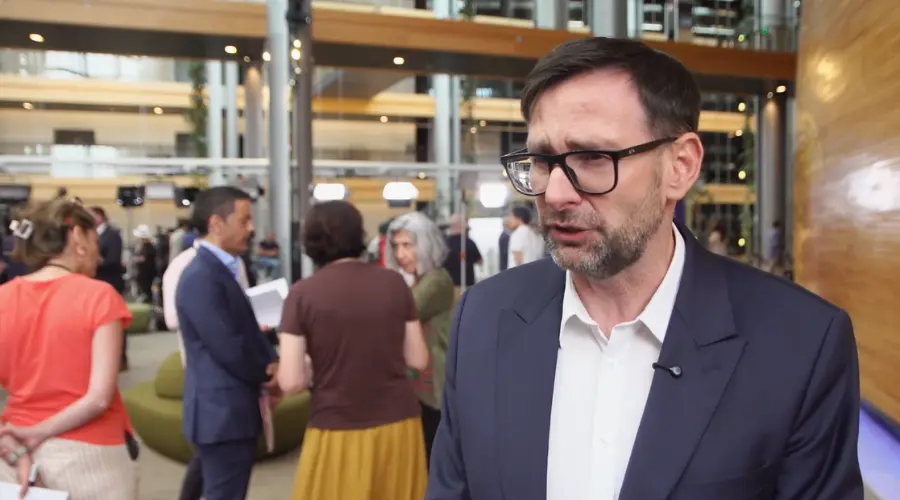
We talked about what President Donald Trump said at the NATO summit in Ankara, namely his declaration that a Patriot factory would be considered on Ukrainian territory. The offer I made today from the Polish side is to meet certain American concerns, and we proposed a triangular cooperation – the United States, Ukraine, but also Poland, because it is about securing that production, so that it takes place in a safe location. This is a product that is needed worldwide. That is why our offer is to participate in such co‑production - the deputy minister emphasized
Today I very concretely presented the steps the Polish government has already taken. Among other things, we have a concrete resolution of the Council of Ministers. We also have a draft law that could provide financing for this base - she added
- I hope the signing (of the agreement) will also take place within a few weeks
More US troops, but with a Polish account at the table
The second pillar of the talks concerned additional US military presence in Poland. Warsaw did not come with just a declaration.
The deputy minister presented a resolution of the Council of Ministers and a draft law that would provide financing for the base.
This is a clear signal. Poland is not waiting solely for Washington’s decision, but is building its own legal and financial framework.
It wants not only to invite American soldiers but also to create conditions that allow their presence to be maintained.
On the American side, a team is already working on creating a base. An analogous team operates in the Polish Ministry of National Defense. The political declaration therefore falls to a working level – where the organization of the undertaking is decided.
From equipment credit to joint industry
The talks also covered another loan for American military equipment under Foreign Military Financing. Sobkowiak‑Czarnecki expressed hope that the agreement would be signed within a few weeks. The purchase of equipment, however, does not exhaust Polish ambitions.
A broader direction is seen in the deputy minister’s participation in EU Defence Night.
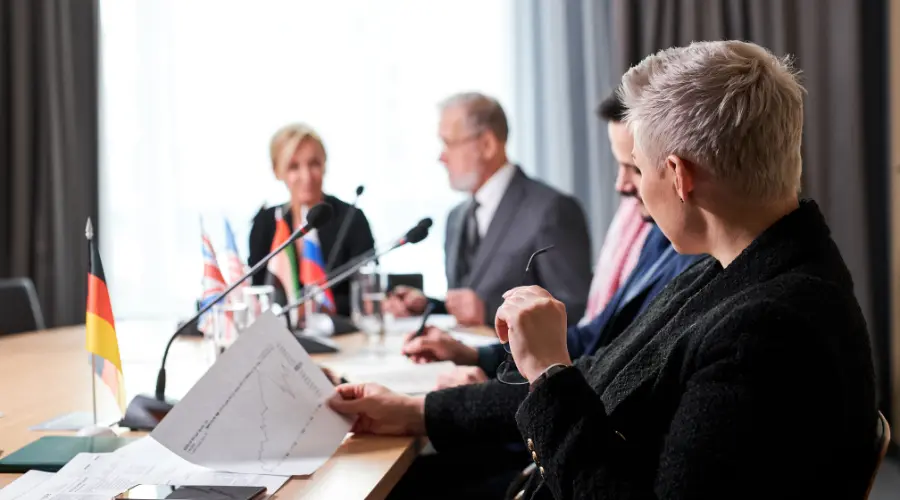
As the only minister from the European Union, she appeared in a panel on US‑European industrial cooperation in defense, together with Andrius Kubilius and Michael P. Duffey. The emphasis is clear: the conversation is no longer solely about purchases but also about joint production.
Poland is trying to combine military presence, purchase financing, co‑production, and the SAFE mechanism into one story of lasting partnership. The question now is: will decisions follow the declarations and establish real production capabilities on the Vistula? The discussion must start today – before others take a seat at the table.