The whole summed up to a falling week on Wall Street and a search for gains in Europe, which tried to defend itself against supply shocks from the US and the fuel market. From the end‑of‑week perspective, however, the most important events were the quarterly results of Alphabet and Tesla, more precisely the reactions to the quarterly results of two components of the MAG7 basket, which was measured by the Roundhill Magnificent Seven ETF and ended the week down 5.6 percent.
Alphabet fell 7.8%, Tesla over 17.8%
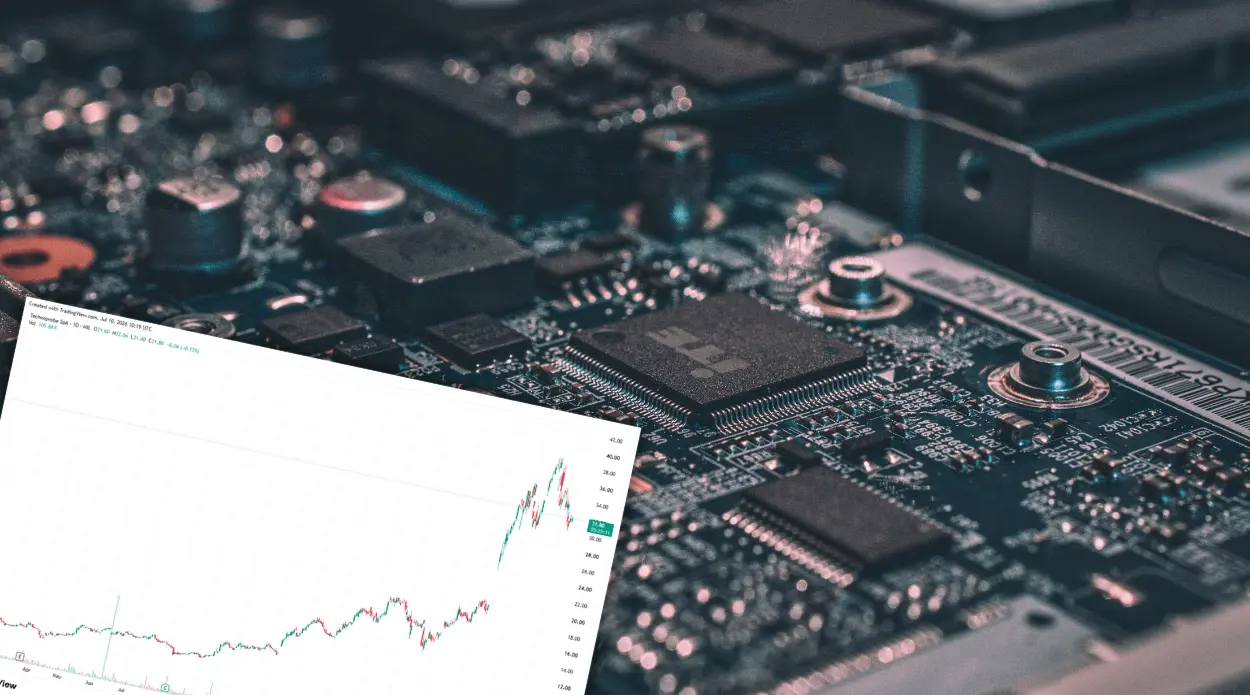
Google’s owner lost 7.8 percent, while Elon Musk’s company was discounted by over 17.8 percent. In the Alphabet and Tesla reports, as in a lens, investors’ concerns focused on the scale of spending on artificial‑intelligence development amid growing doubts about the profitability of the investments made. The falls in Alphabet and Tesla even covered the rebound in the semiconductor sector, which was measured by the iShares Semiconductor ETF and managed to gain 1 percent on a falling market.
In sum, market news could have been dominated by reports of the closure of shipping in the Bab-el-Mandeb Strait and the spillover of the war in the Middle East onto another transport route, but the focus was still on the U.S. technology sector.
The focus on AI‑related companies appears understandable when considering that Amazon, Alphabet, Nvidia, Microsoft and Meta Platforms now make up about a quarter of the S&P500 index. In practice, the market cannot do anything that will or will not be allowed by companies in the AI basket. In other words, investors can look for clues in the oil market, react to macro data, or to President Donald Trump’s statements about destroying Iran and imposing new tariffs on 60 U.S. trade partners on false pretexts, but ultimately the behavior of a few of the heaviest stocks in the market will determine whether the indices follow the impulses from those directions.
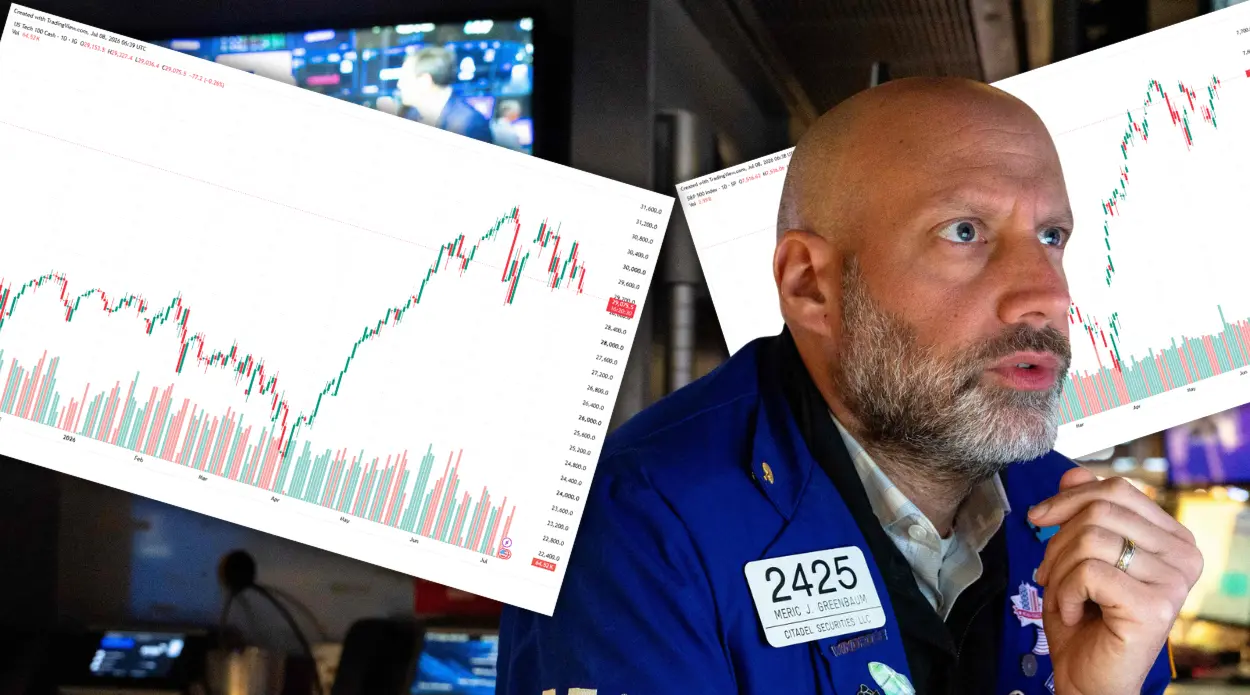
Therefore, last week’s 2.13 percent drop in the Nasdaq Composite was built on Thursday’s 2.15 percent dip, when the index reacted to Alphabet and Tesla earnings. There is also no case in the fact that the weekly loss of the S&P500 was decided by Thursday’s 1.21 percent pullback.
It should be assumed that the outlined balance of forces will cause AI‑related companies to maintain market control in the coming week as well. The focus will be on the quarterly reports of four members of the Magnificent Seven basket – Microsoft and Meta Platforms (Wednesday), Apple and Amazon (Thursday) – of which at least three have the potential to set the mood for the final sessions of July.
Increasing debt‑market pressure
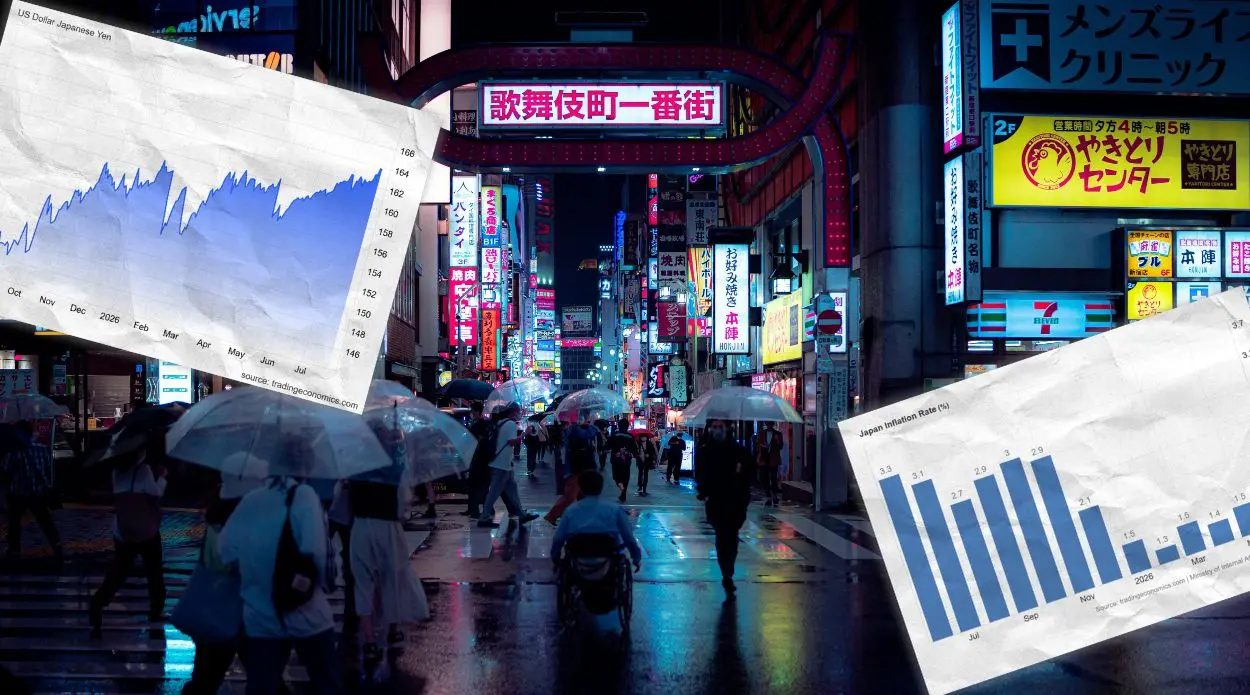
For balance, it is worth noting the increasing debt‑market pressure related to inflationary tensions and investors’ perception of the future of monetary policy worldwide. Looking at the CME FedWatch Tool model, it is easy to see that the market’s belief in no credit‑price increase by the U.S. Federal Reserve next Wednesday has been replaced by valuations of the growing risk of such a step, which have already reached 31 percent. A week ago, the valuation of such a scenario barely reached 13 percent.
Equally important, the market is almost certain that if not in July, then in September the U.S. credit price will rise by 25 basis points, and in December it will be higher by 50 basis points. In fact, the scenario of a third rate hike by the Fed in spring 2027 is already – modestly, but nevertheless – appearing in valuations. The valuations appear exaggerated, but they also reflect movements in the debt market, where yields rise, which directly relates to costs in the economy and financing of investments for AI development.
In sum, if the finished week is a hint for market behavior in the final week of July, it is worth expecting a relatively calm first half, which will be completely covered by the second half, when markets will react not only to Fed signals but also to the quarterly results of U.S. technology giants, especially leaders heavily investing in artificial intelligence.