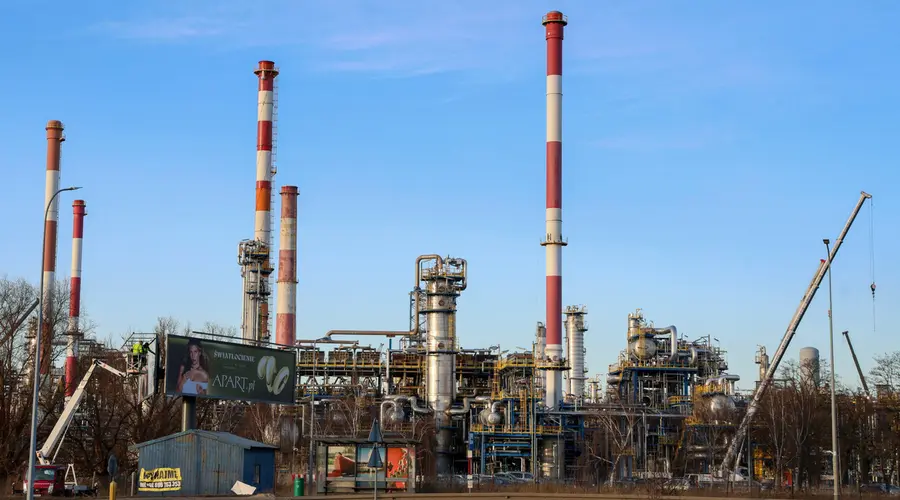
During the second Orlen CyberSec Forum, which was dedicated to cybersecurity of the energy sector, the scale of attacks was discussed. The conference gathered experts from the energy industry as well as specialists from IT and digital security. As one might guess, one of the discussed threats was geopolitics and its associated dangers, including the hybrid war that has drawn our country in.
Cyberattacks counted in the millions
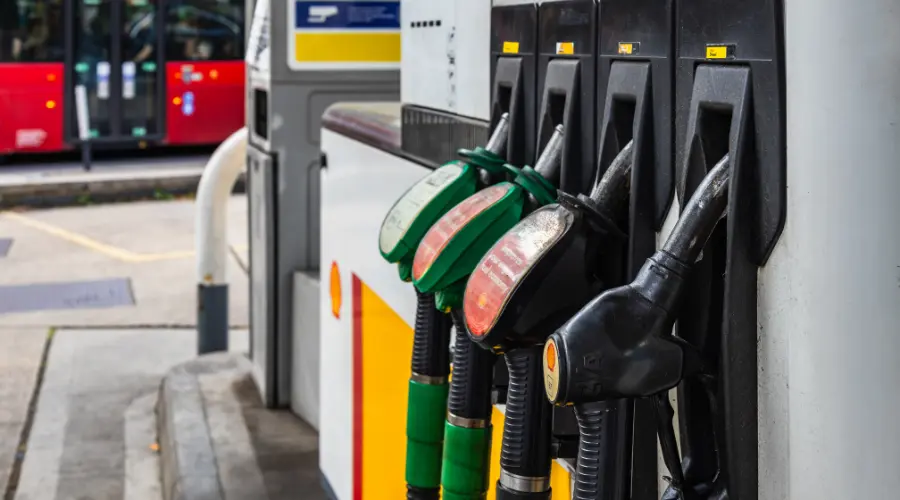
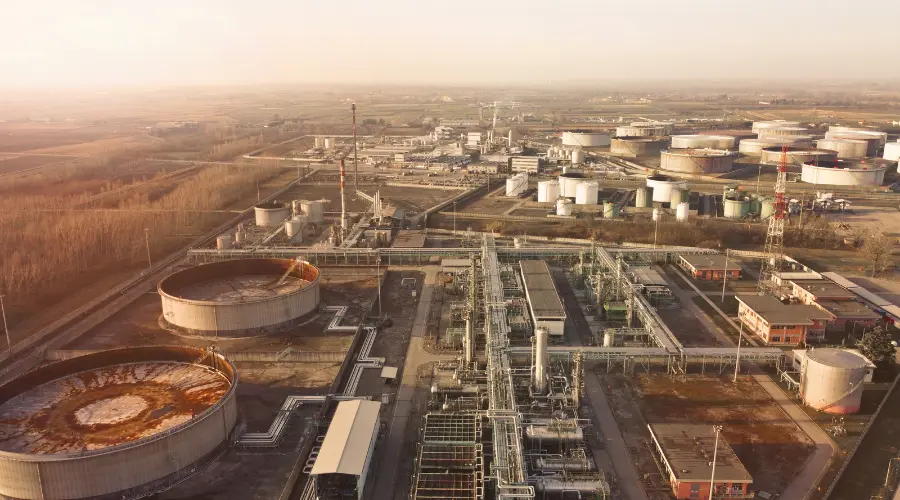
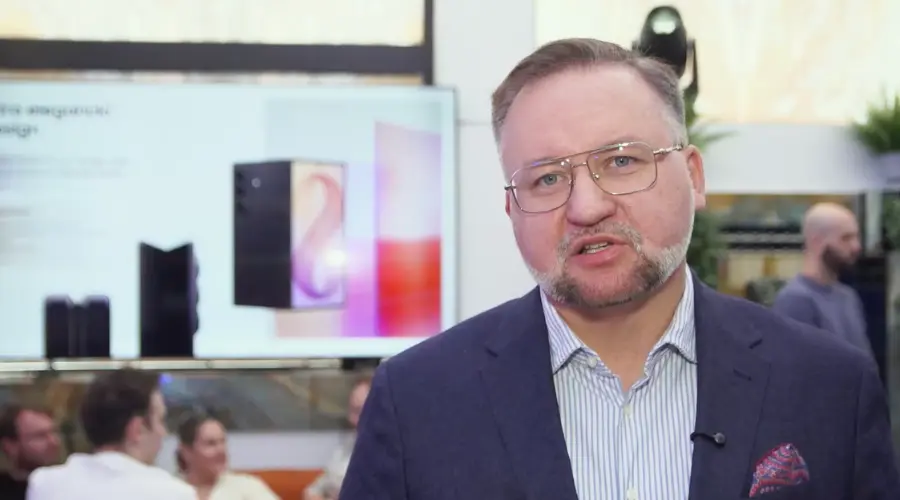
At the forum organized by Orlen, it was stated that the modern threat to the energy sector is primarily digital. As admitted in an interview with CyberDefence24, Michał Furman, executive director for digital transformation and IT at Orlen, there are few acts of sabotage aimed at damaging energy and fuel infrastructure. Most actions are carried out in the digital sphere. Such attacks aim to cause energy, fuel paralysis, and also create chaos and fear in society, which could even cut off fuel supplies to stations. According to an Orlen representative, in a quarter one could talk about hundreds of millions of cyberattacks. According to authorities, these attacks mainly come from the East, i.e., from countries such as: Russia, China, and Iran.
Experts point out that artificial intelligence is increasingly used in attacks. Bots designed for this purpose not only cause massive chaos in Polish defense systems but also test their resilience, as they can launch attacks in the thousands or even millions in an instant.
“We conduct a series of trainings and educational campaigns aimed at employees. We try to sensitize them to the fact that these attacks will continually intensify and pose a real threat to energy security and national security,” said Michał Furman, quoted by CyberDefence24, executive director for digital transformation and IT at Orlen.
Poland builds resilience to cyberattacks
Poland continues to strengthen systems that protect critical infrastructure, which is exposed to attacks every day. This area must be constantly reinforced and modernized to repel even the most massive attacks.
Forums such as Orlen CyberSec are not only a platform for discussing threats with industry experts but also a demonstration of where and how much threat Polish critical infrastructure must face. It also draws public attention to this issue, as the public is often unaware of the actions Polish cyber security services must handle. It is one type of war between hackers and cybersecurity specialists. For now, given that the Polish fuel and energy sector still operates without fault, one might say that the other side is winning for the time being. May this picture persist.
See also: Did Orlen achieve huge profits in March due to fuel price hikes? The company began hiding some data