New data from Goldman Sachs shocked not only analysts but also investors.
The Strait of Hormuz and shrinking oil reserves
In the latest report from May 20, bank specialists, including Yulia Zhestkova and Daan Struyven, indicated that oil and its derivative products are shrinking in May at a rate of as much as 8,7 million barrels per day.
This is almost twice as fast as the previous average since the start of the war in the Middle East.
Read also: Fuel prices plummeted because of Trump. Attack on Iran canceled! “I was asked”
Physical markets are tightening rapidly because the estimated export of black gold through the key Strait of Hormuz has fallen to just 5% of the norm. All because of an unprecedented double blockade of this strategic waterway by the United States and Iran.
This geopolitical stalemate has triggered a powerful supply shock that has completely turned global energy upside down. To tame the sharp price spikes, governments are coordinating releases of oil from strategic reserves, but this only reminds us of temporary patchwork fixes.
International Energy Agency (IEA) chief Fatih Birol warned a few days ago that commercial stocks are melting at a highly accelerated pace.
According to official agency estimates, the market will remain in a state of deep shortage until October, even if this exhausting conflict ended today, which obviously is not expected.
Importantly, about two-thirds of the May drop in resources comes directly from the decline in the so-called “water oil” index.
The drop in exports completely outpaced the weakening import. This global malaise infects further markets, so the drop in demand spreads widely from Asia to Europe. For example, jet fuel supplies to the Old Continent are now as much as 60% lower than average levels from 2025.
See also: The Middle East stalemate hits fuel prices. Will prices soon drop to $40 per barrel?
Asian strategy and empty tanks in the USA
China, the world’s largest oil importer, shows a surprising lack of appetite for purchases. Local refineries have drastically cut orders, leading to deep declines in crude imports.
It is worth noting that local fuel sales in the Middle Kingdom plunged by 22% last month.
Analysts and economists at Goldman Sachs explain this fact with a clear weakening of Chinese economic activity. It is a serious moment for global demand, but on the other hand we have the American oil hub Cushing, which is falling behind on orders.
In the USA, national oil stocks, including the Strategic Reserve, fell last week by a record 17,8 million barrels. Official government data confirm that historically high exports literally drain crude from U.S. storage.
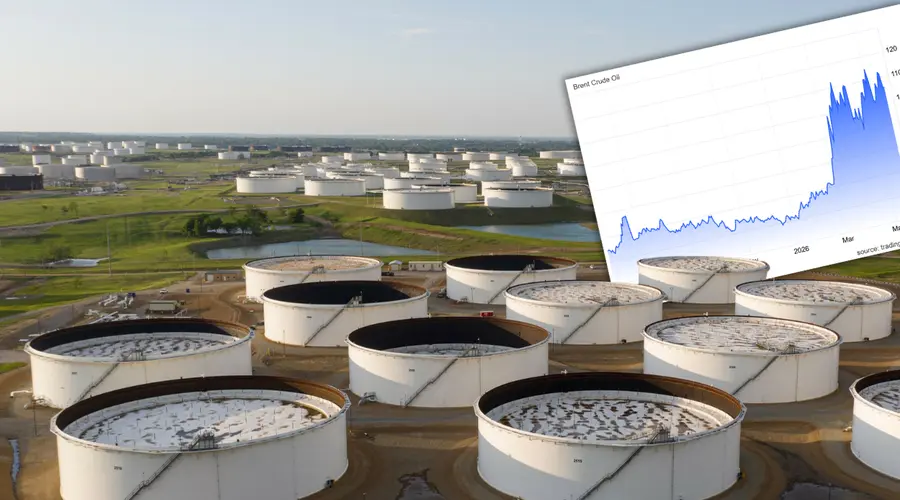
Stocks at Cushing in Oklahoma are inexorably approaching the bottom of the tanks, which technically prevents further logistical operations without damaging infrastructure.
It is also worth mentioning that in the United States this weekend the official start of the summer travel season is underway. For bullish markets this signals that demand for gasoline, diesel and jet fuel receive a powerful boost, which further increases pressure on shrinking reserves.
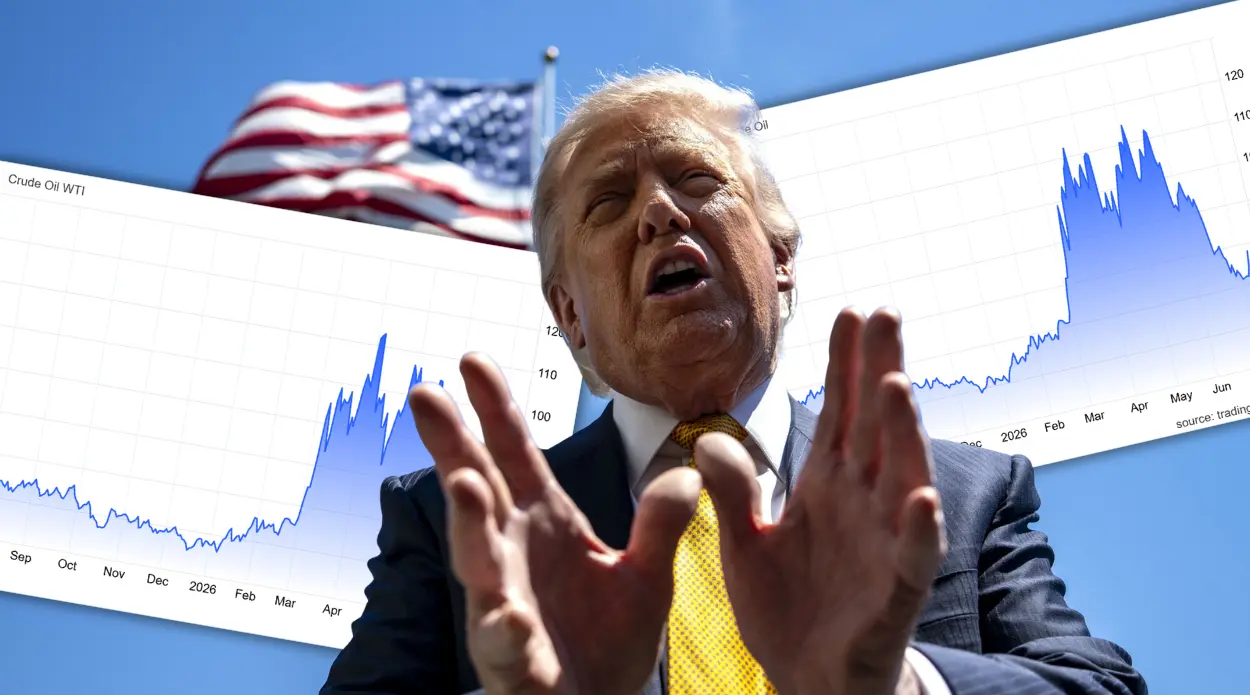
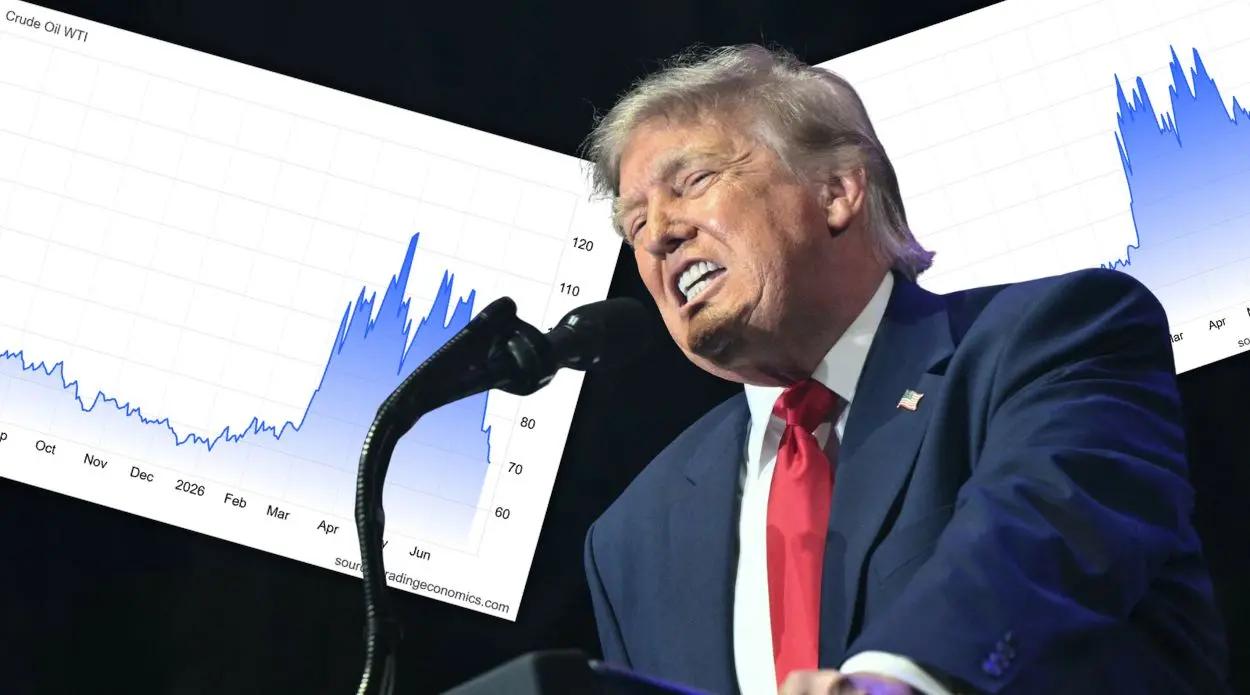
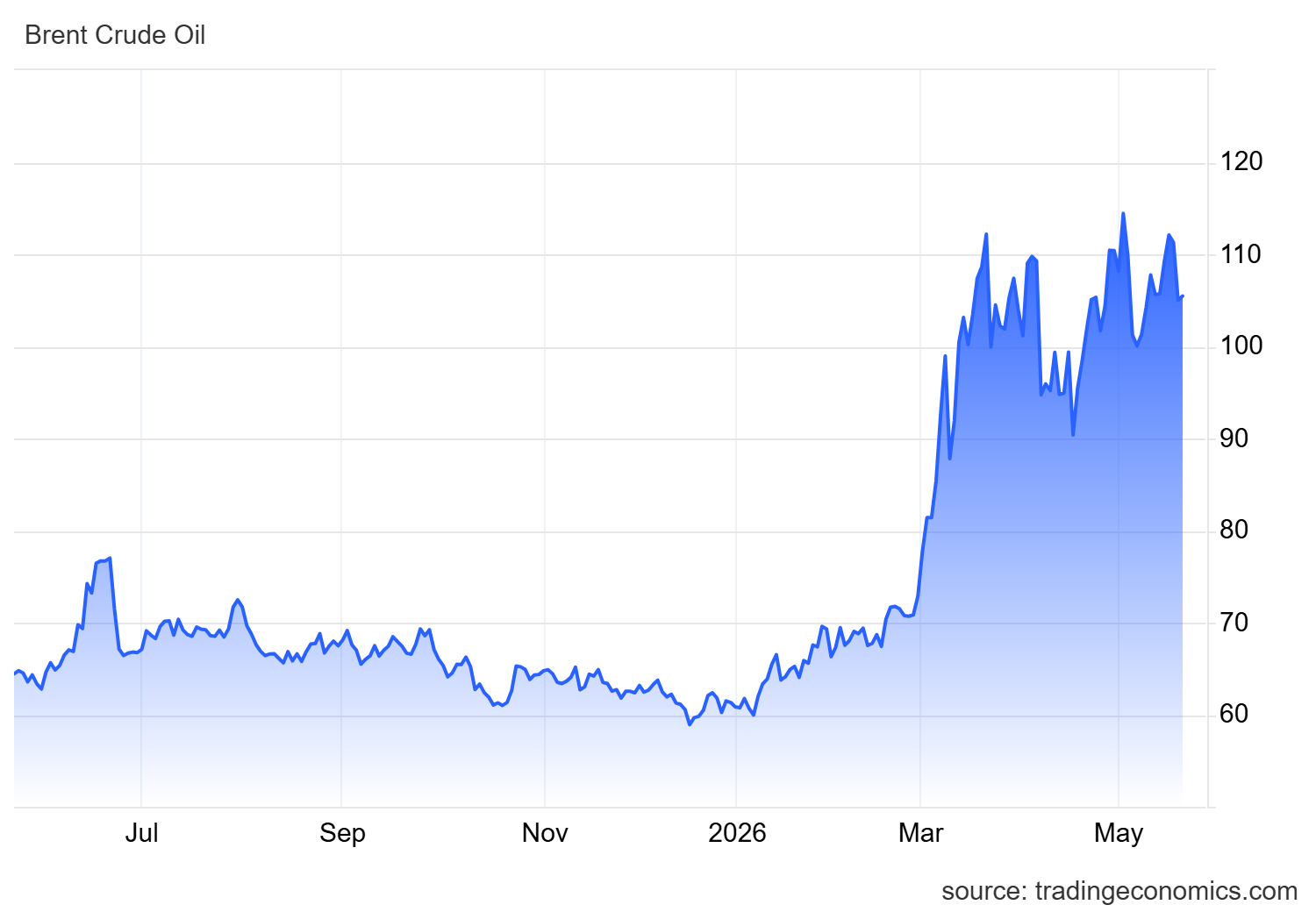
The price of Brent futures contracts on Thursday, May 21, reached 105 USD per barrel.
Chart. Brent futures contract price
Source: Trading Economics.
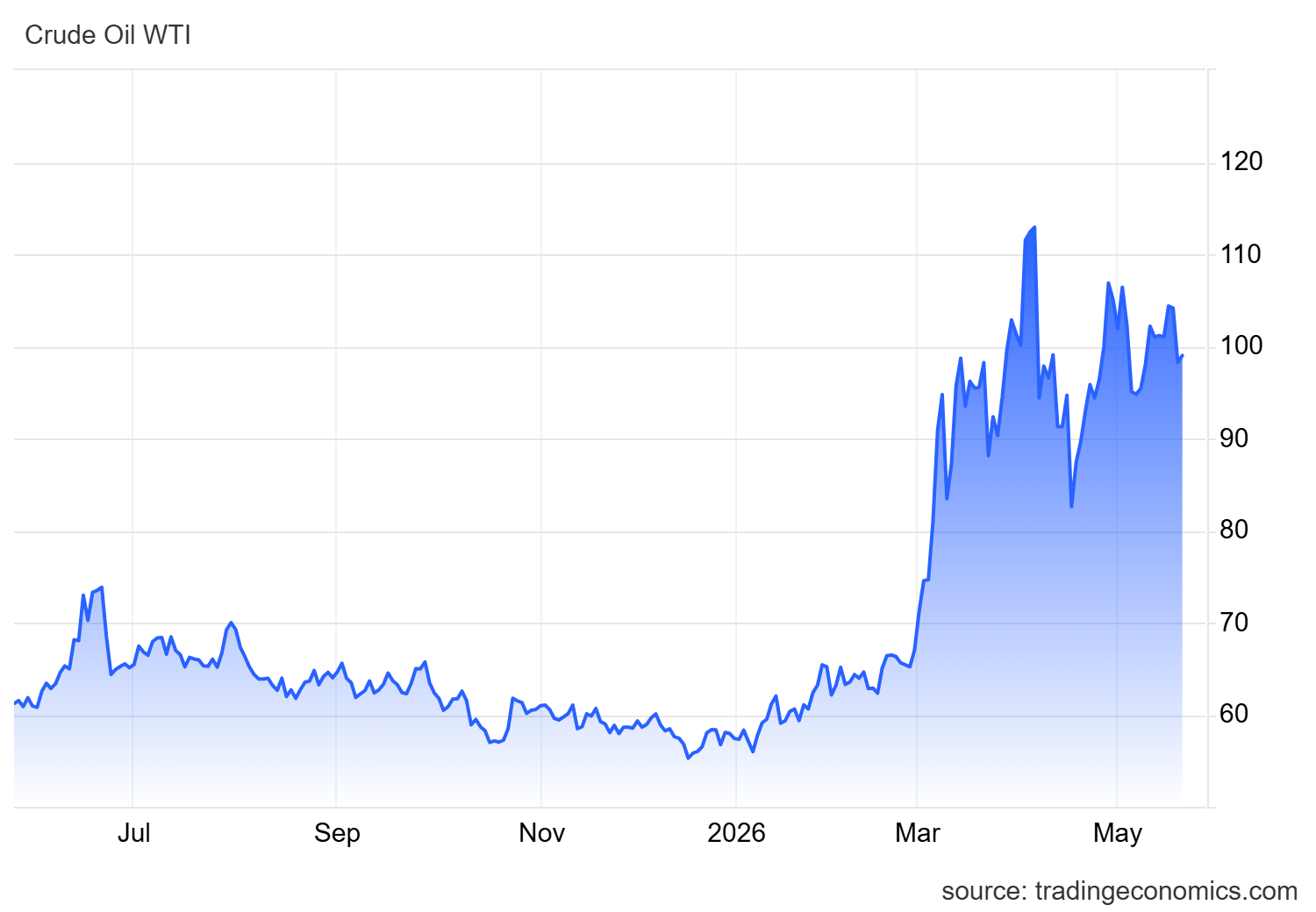
When it comes to sweet and light crude, there is a decline below the psychological barrier of 100 USD.
The WTI futures contract price settled at 99 USD per barrel.
Chart. WTI (West Texas Intermediate) futures contract price
Source: Trading Economics.
See also: Fuel prices in Poland will rise, will there be shortages at stations? Expert: “It will not be a one-time sharp move that will affect drivers”
Source: Bloomberg.