Ormuz Strait Blockade Persists Despite 60-Day Peace Plan for Iran
According to reports, the proposed agreement could lead to the reopening of the Ormuz Strait, the end of hostilities, the unlocking of some frozen Iranian assets, and the start of further talks on limiting Tehran's nuclear program.
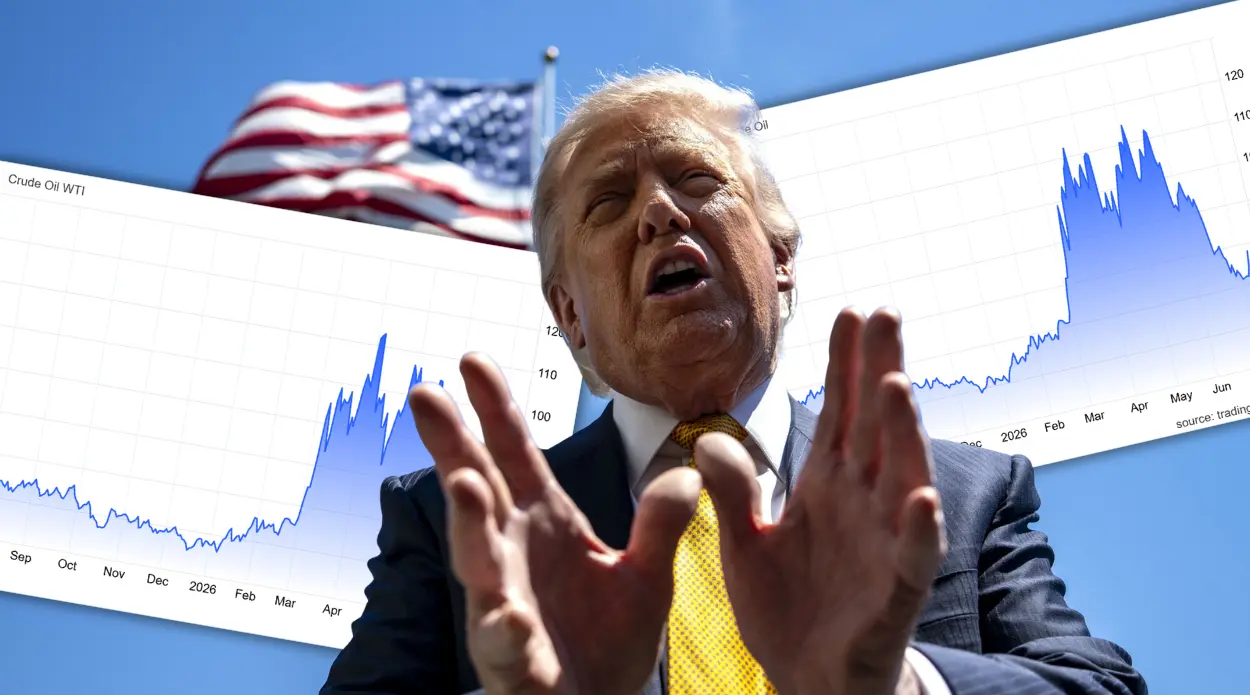
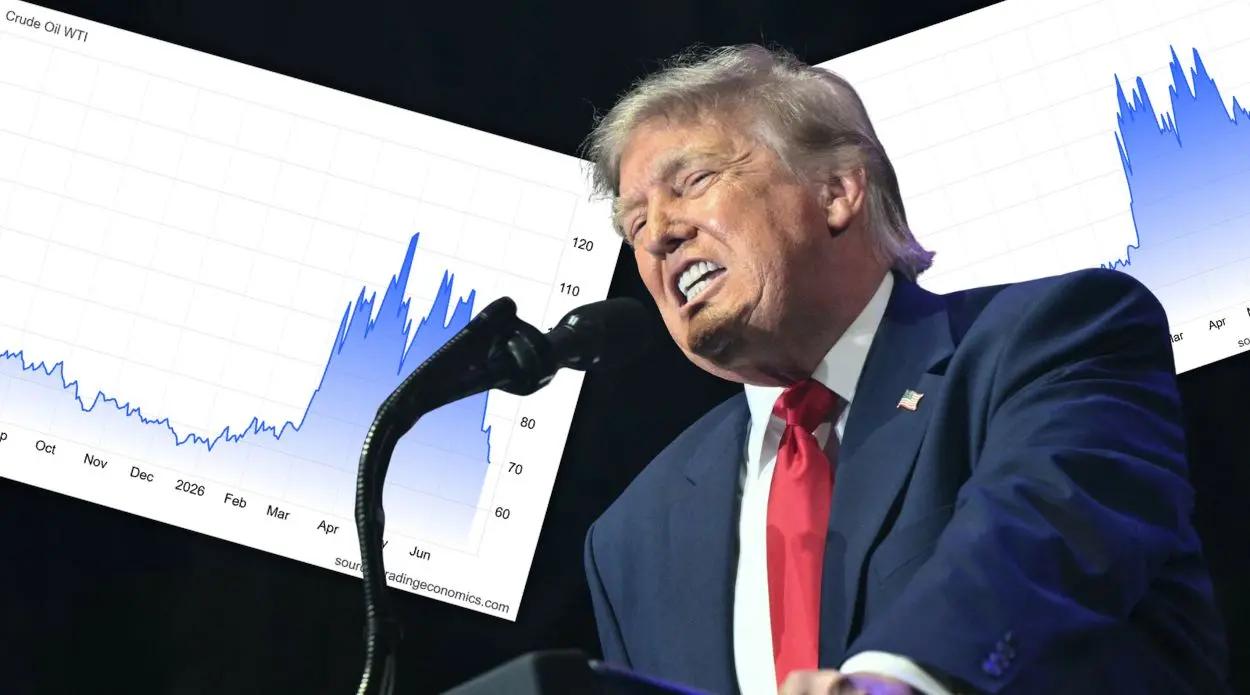
President Donald Trump emphasized, however, that Washington will maintain the Ormuz Strait blockade until a formal agreement is reached, adding that he does not intend to "rush" the deal.
It's Not Oil, But Massive U.S. Debt That Drives Bond Yields
The conflict has increased expectations for more "hawkish" actions by central banks. At the same time, the rise in long‑term bond yields is not currently driven solely by fears of war‑induced inflation and higher oil prices.
It is increasingly clear that deeper structural factors—high sovereign debt, rising bond supply, the possibility of sustained higher interest rates, and changes in the global economy—are also pressuring the debt market.
This is especially evident in the United States, where the rise in long‑term bond yields has largely been a result of higher real yields, i.e., interest rates adjusted for inflation.
The Debt Market Breaks Due to Massive Deficit, Not Oil Prices
This means investors are not reacting only to short‑term risks such as rising oil prices or temporary inflation acceleration. Market measures of inflation expectations have not risen as sharply as the yields themselves.
Long‑term inflation expectations in the U.S. remain lower than in 2022 and are close to December levels. This suggests that the bond market values more than just the risk of higher energy costs. One of the most important sources of this pressure is public finances.
In the U.S., investors are increasingly scrutinizing the high budget deficit, rising debt servicing costs, and the prospect of larger Treasury issuances. The greater the state's borrowing needs, the larger the debt supply that enters the market. In such a scenario, investors may demand a higher risk premium and greater compensation for allocating capital to long‑term securities.
AI Boom Drives Up Financing Costs
An additional factor affecting financing costs is the investment boom related to artificial intelligence. Technology firms are pouring huge sums into building data centers, developing semiconductor infrastructure, and other capital‑intensive projects.
Some of these investments are financed through corporate debt issuance, which increases capital demand and can drive up its price. In the short term, AI development—though potentially boosting future economic productivity—may therefore support higher financing costs.
On other major bond markets, the situation has a slightly different character. In Japan and Germany, inflation expectations played a larger role in yield increases, while in the United Kingdom, additional pressure comes from political uncertainty and the risk of a looser fiscal policy.
However, the common thread remains the belief that the era of very cheap money may not return as quickly as previously expected.
The Debt Market Begins to Price Deeper Changes
Bond yields may not fall sharply even if war tensions ease and oil prices stabilize, because the debt market is starting to price deeper changes: growing sovereign borrowing needs, higher bond supply, and the possibility of a permanent rise in the neutral interest rate.
This would mean the global economy is entering a period of higher financing costs than a few years ago, when high savings and very low rates dominated.
The current rise in bond yields should therefore be interpreted more broadly than just as a reaction to war and oil prices.
Even if conflict‑related inflation risk weakens, financing costs may remain elevated.
Ultimately, sovereign debt, large bond issuances, growing investment needs, and structural economic changes that gradually reshape the conditions of the global capital market could be decisive.