Not Just Oil and LNG. A Breakthrough in the Strait of Hormuz Will Save Fertilizer and Helium Transport
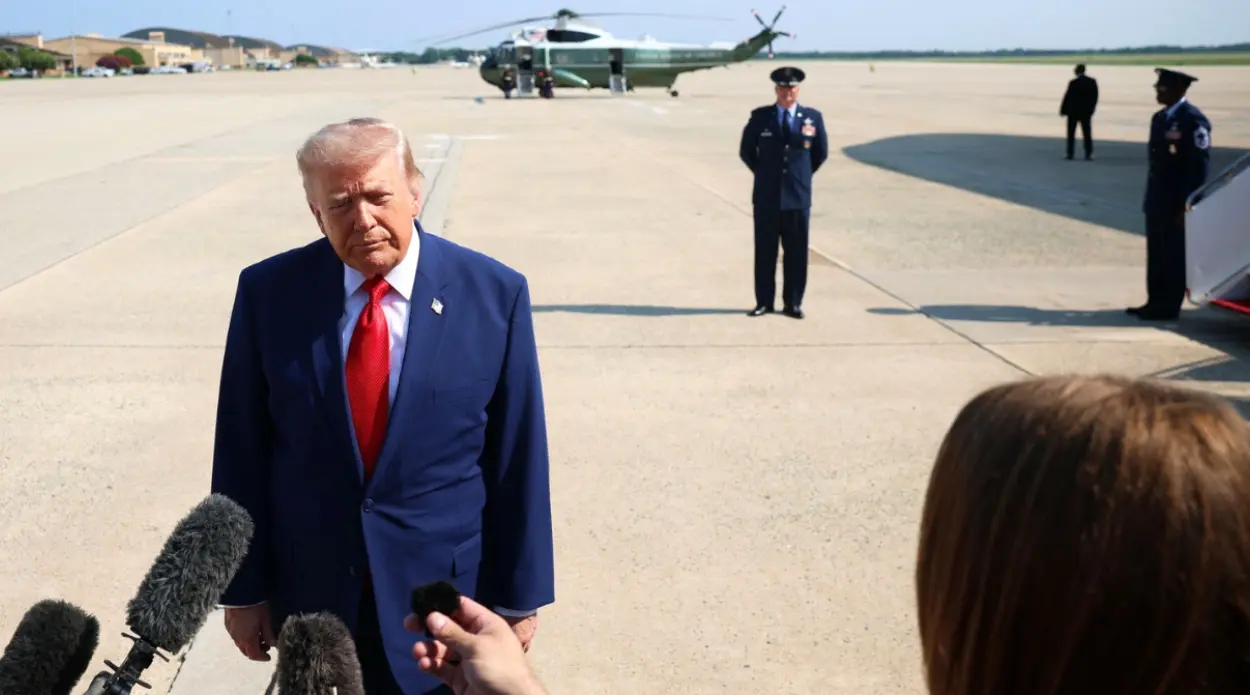
This is rather the first stage of a process in which a political decision must be translated into real shipping safety, rebuilding trust among shipowners and insurers, and resolving the most difficult diplomatic issues: Iran’s nuclear program, sanctions, frozen assets, and potential economic incentives for Tehran.
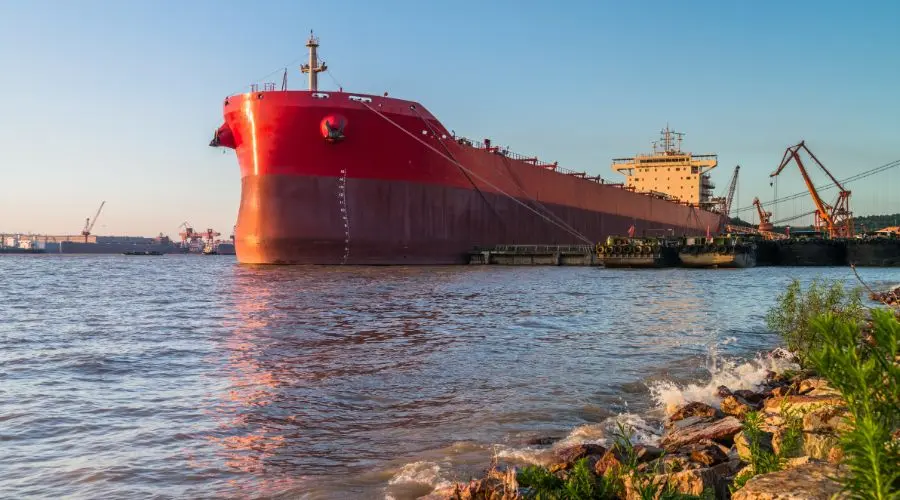
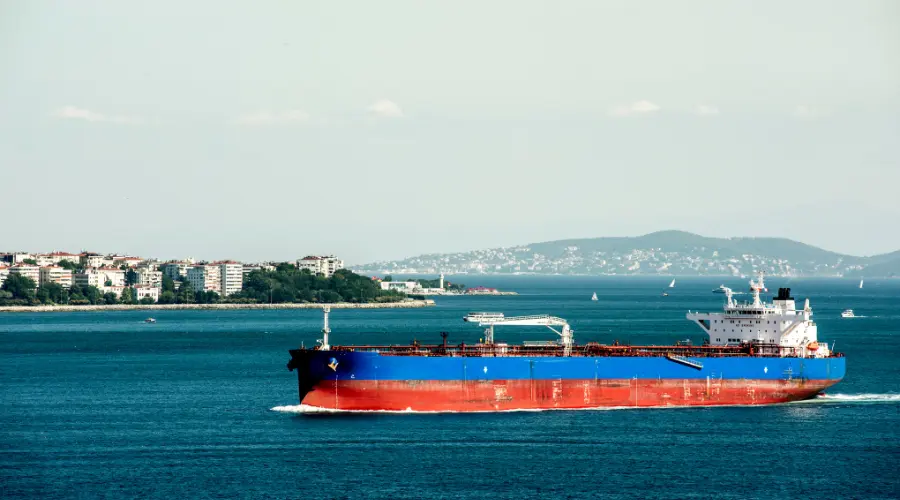
The significance of the agreement is important because the Strait of Hormuz remains one of the most critical points of the global economy. About one-fifth of global oil and LNG flows pass through this narrow maritime channel, and the major energy exporters from the Persian Gulf rely on it. Its blockade has therefore struck not only the commodity market but also maritime transport, insurance costs, industrial logistics, and inflation expectations. Other goods, including refinery products, fertilizers, aluminum, and helium, are also transported through Hormuz, so disruptions here can spread to many sectors of the economy.
Washington and Tehran’s Divergent Goals Could Break the Ceasefire
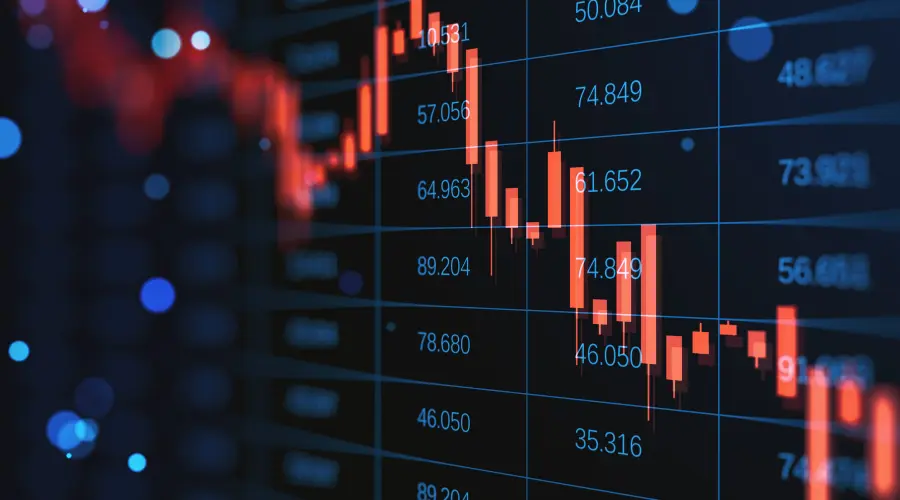
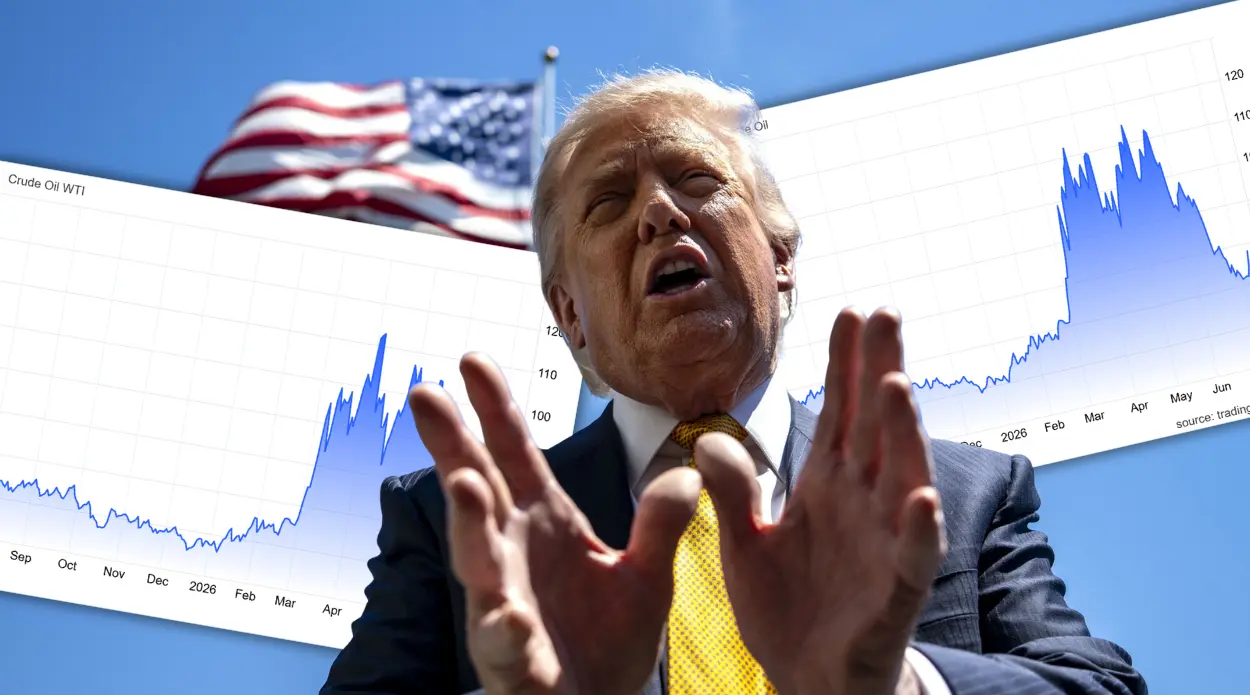
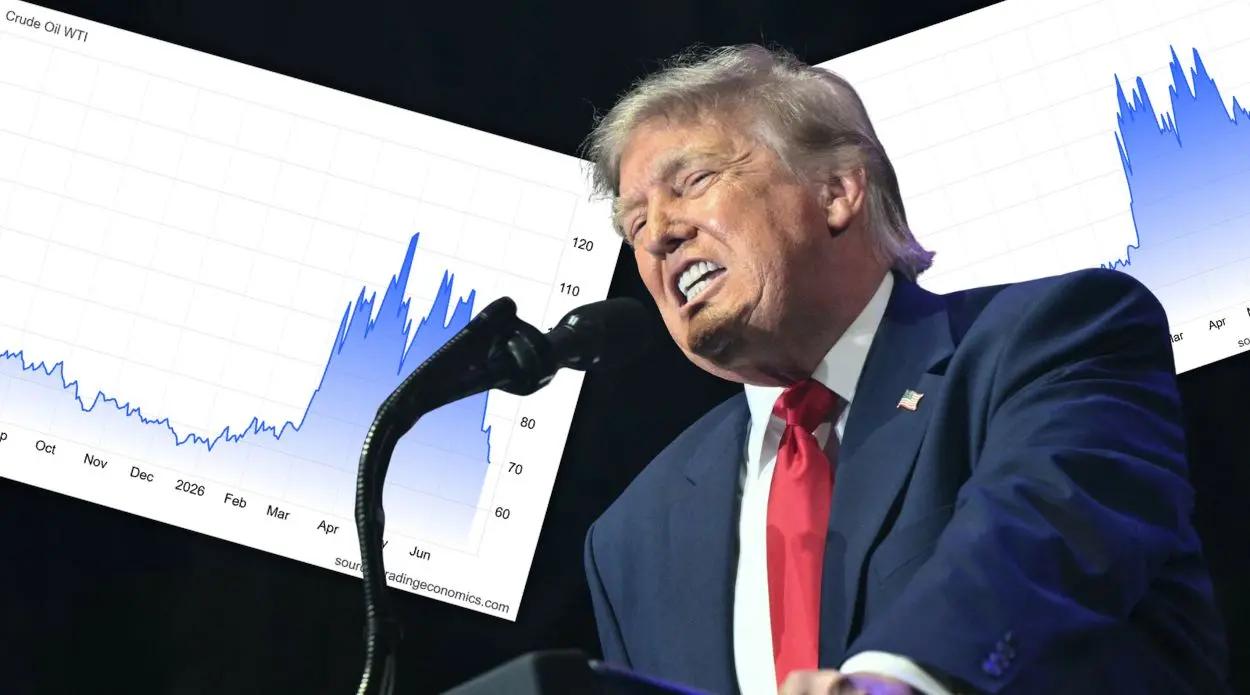
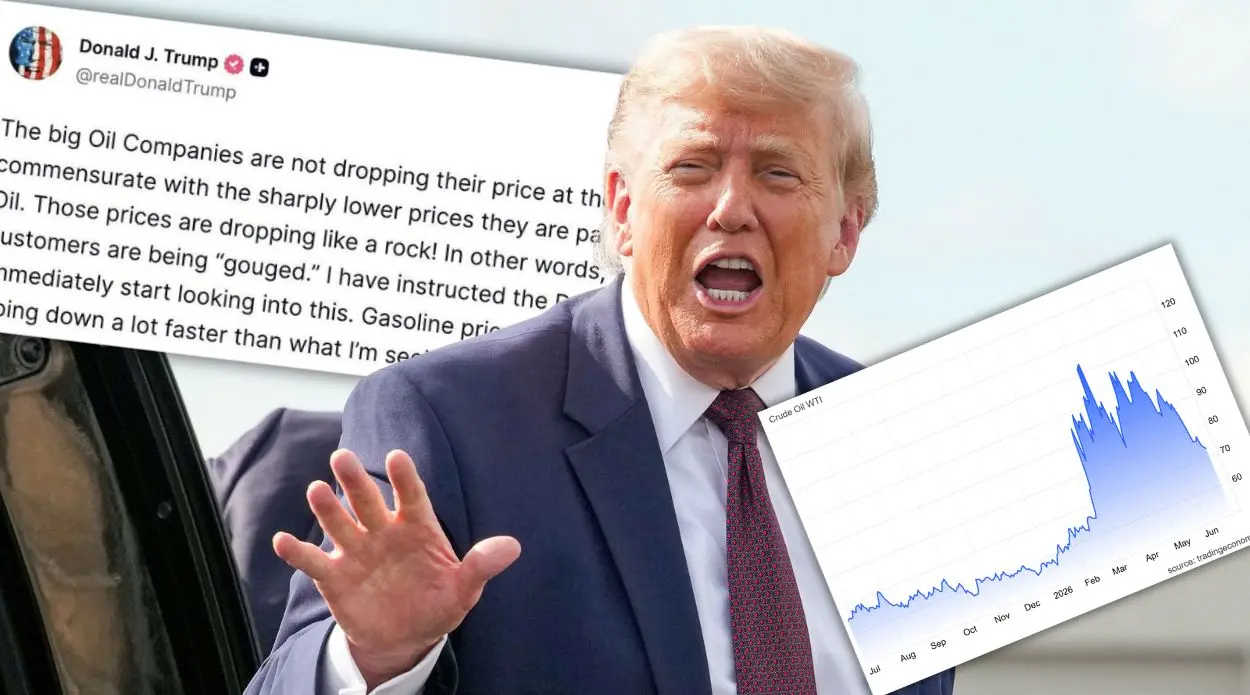
The market reaction was in line with the logic of risk premium reduction: oil prices fell, and market sentiment improved. Investors judged that the agreement reduces the likelihood of a sudden oil and gas shortage and another wave of energy price increases. From the perspective of central banks, this could curb inflationary pressure and strengthen arguments for a more cautious monetary policy. However, this positive effect may be gradual and temporary, as the high energy prices of recent months have already burdened businesses, consumers, and the budgets of importing countries.
The most significant limitation of the agreement is its temporary nature. A formal opening of the strait is not enough for trade to immediately return to pre-conflict levels. Threats, including mines, must be removed, full port throughput restored, insurance costs lowered, and shipowners convinced that the route is safe. In practice, the market often reacts quickly to political statements, but physical commodity flows and trade participants’ trust rebuild much more slowly.
An additional source of uncertainty is the divergent interpretations of the agreement itself. The US presents it as a diplomatic success and a step toward regional stability, while Iranian state media describe it as forcing the US and Israel to end the war. This narrative difference shows that both sides are already trying to use the agreement politically from the outset. This may hinder further talks, especially if a dispute arises over control of navigation through the Strait of Hormuz, the scope of sanctions removal, or the scale of financial benefits for Iran.
Israel also remains a risk,
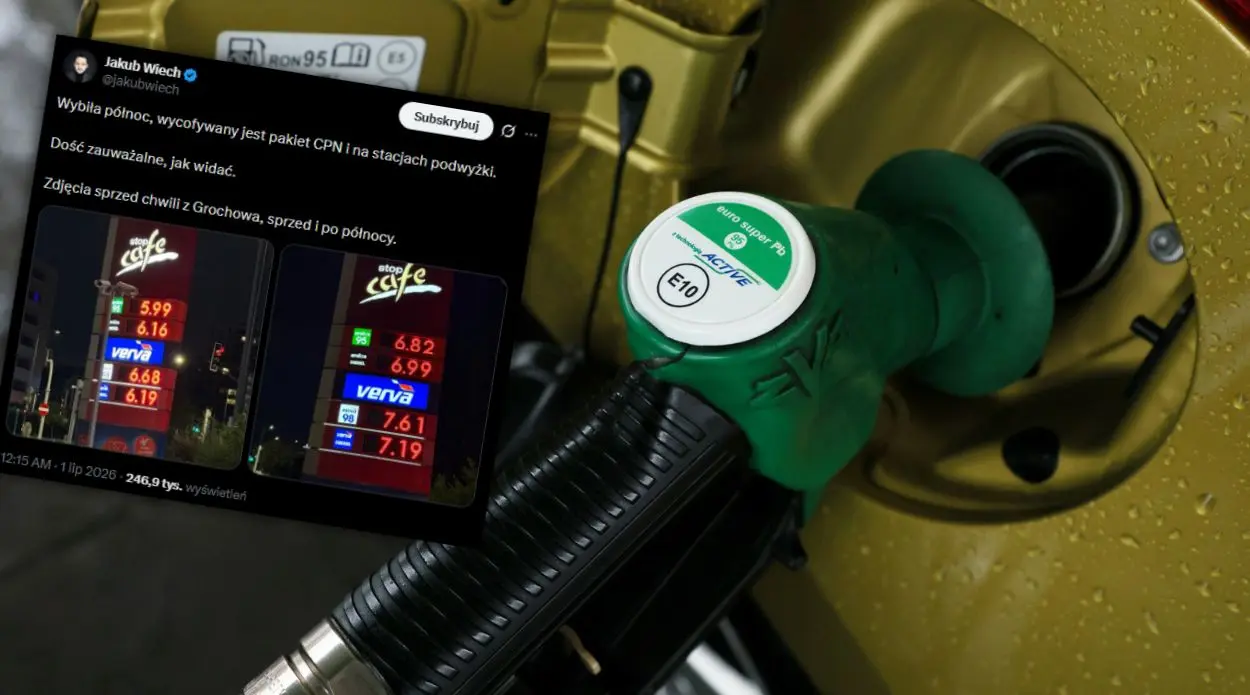
whose military actions could complicate the implementation of the agreements. If regional tensions rise again, shipowners and insurers may maintain a cautious approach even if the strait is formally open. In such a scenario, oil prices could rise again, especially if demand remains strong and supply recovery proves slower than expected. Additionally, some countries may want to rebuild strategic fuel reserves, which would limit the extent of price declines in the short term.
The crisis around the Strait of Hormuz could also have long‑term consequences. Energy importers will likely diversify suppliers, transport routes, and logistical backbones more aggressively to reduce dependence on a single strategic corridor. This means that even after the situation calms, some changes in global commodity trade may become entrenched.
The market thus received good news, but not a return to the old status quo. The official signing of the agreement between the US and Iran is scheduled in Switzerland on Friday. July WTI crude contracts on the NYMEX are down more than 5.3% on Monday morning and priced at $80.33.