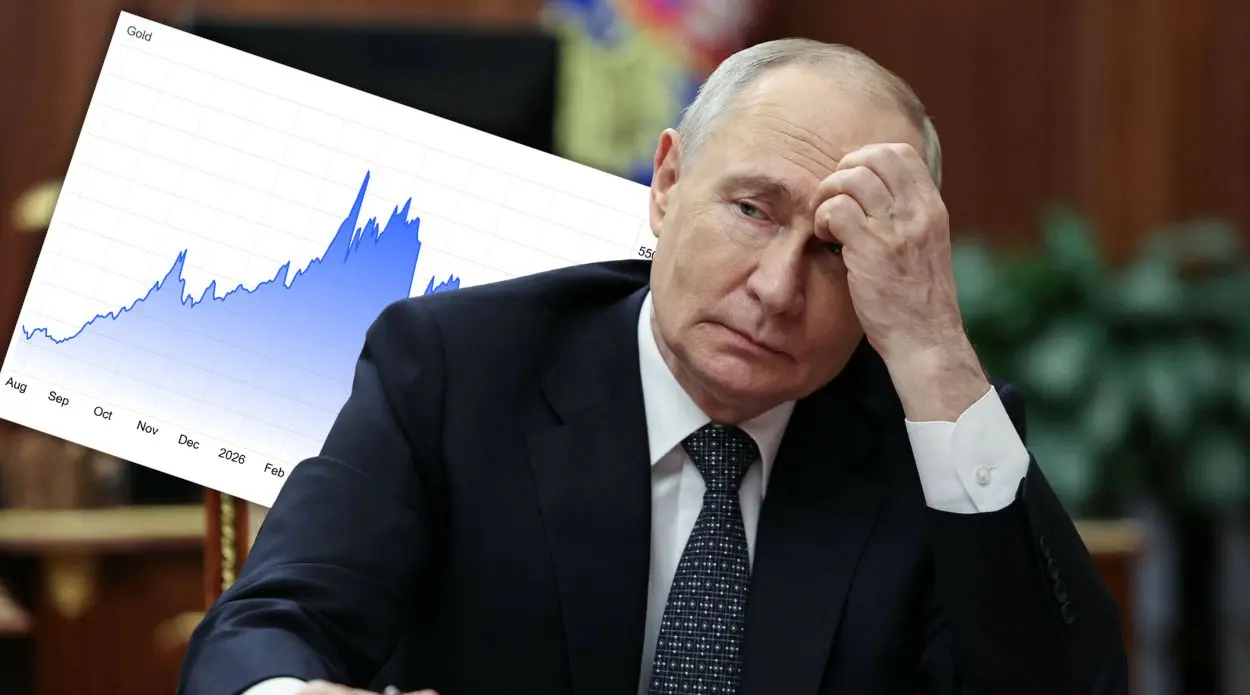
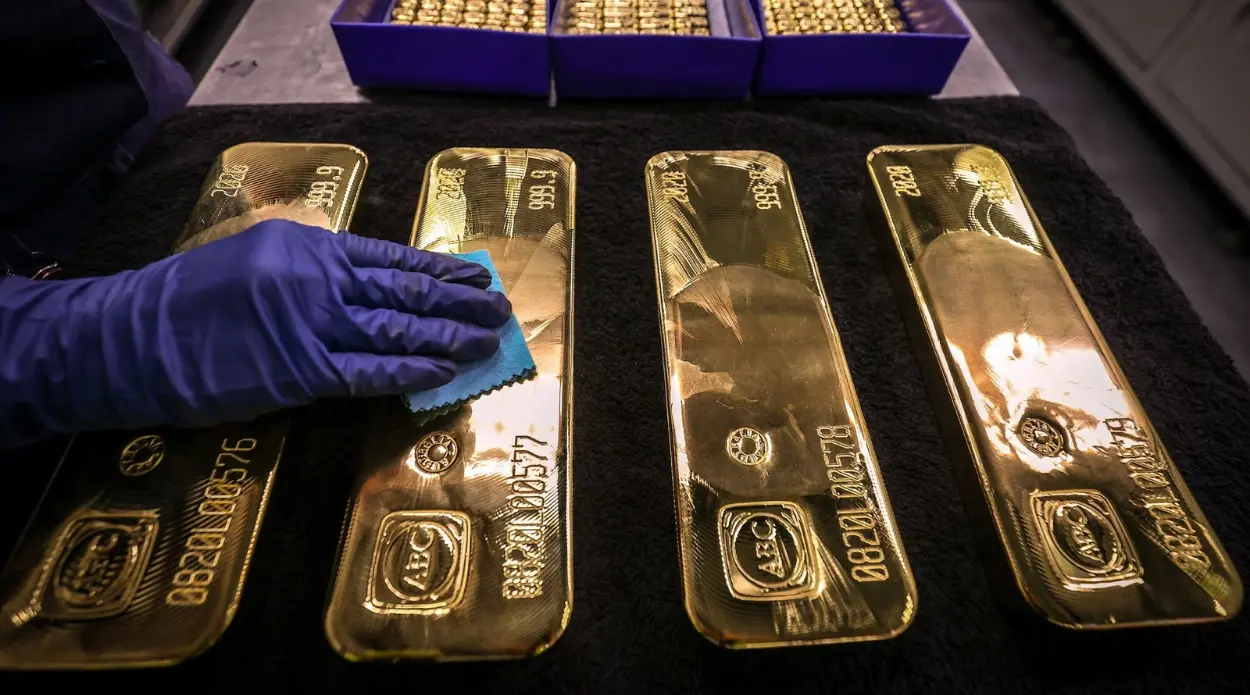
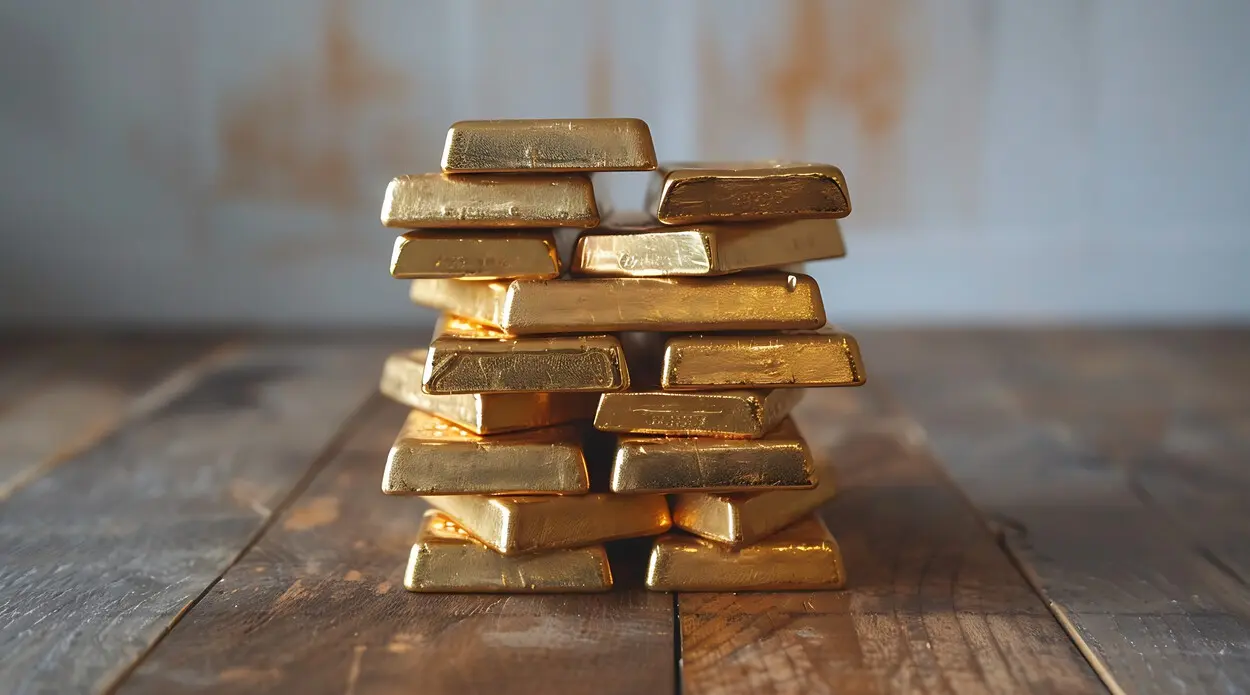
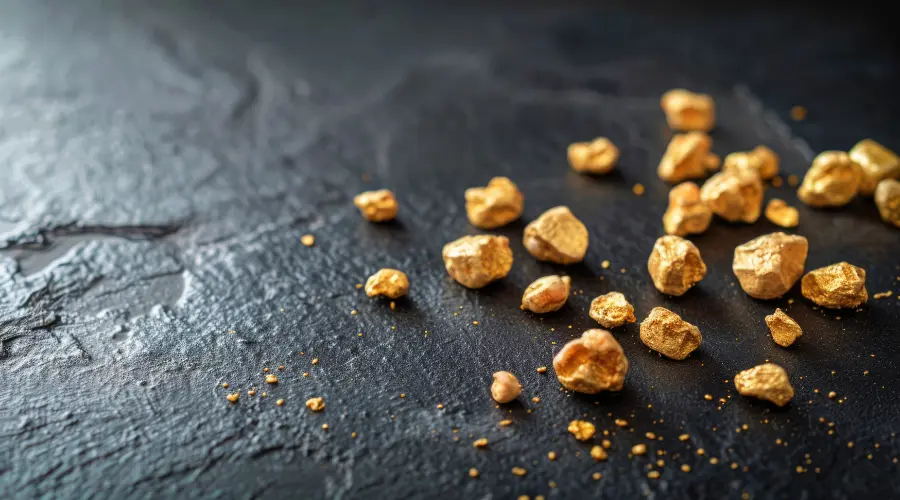
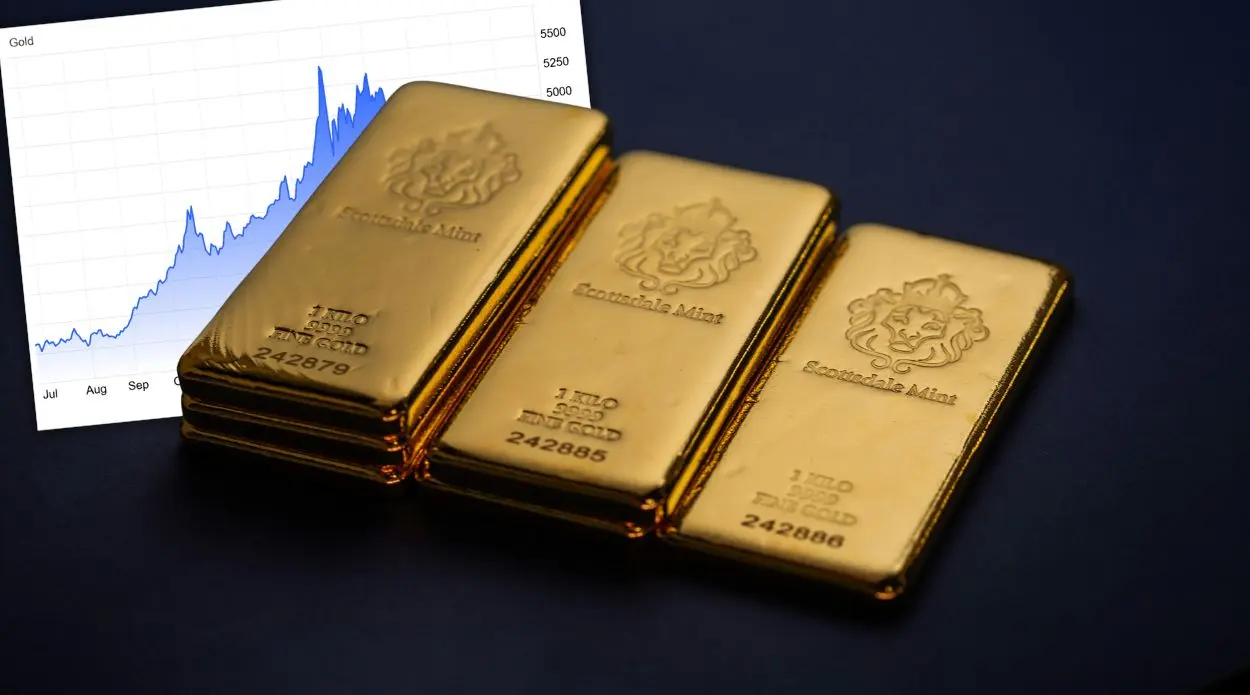
If someone bought gold in January at the peak, today it is about 20% down.
Gold price not falling? That's reversed market logic
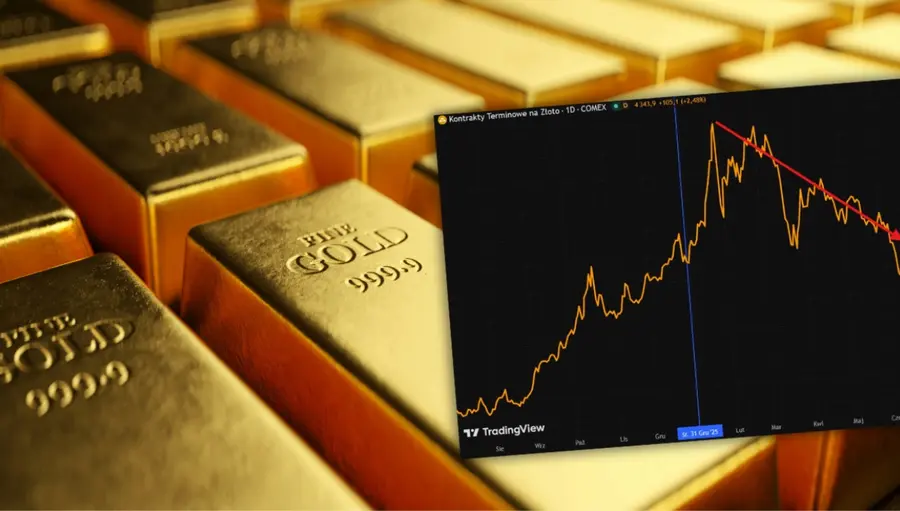
At the end of January, gold cost as much as 5600 USD per ounce, a record for all time. And today we are around 4325 USD, which means a 20‑percent discount in three months.
When the chances of a US and Israeli attack on Iran increased, riots in Iran continued, and tension in the region grew, many investors were preparing for another wave of uncertainty and rises. After all, the repeated mantra said that gold gains when geopolitical uncertainty rises and when war breaks out.
And this war, which was supposed to last 3–4 weeks, has already lasted over three months.
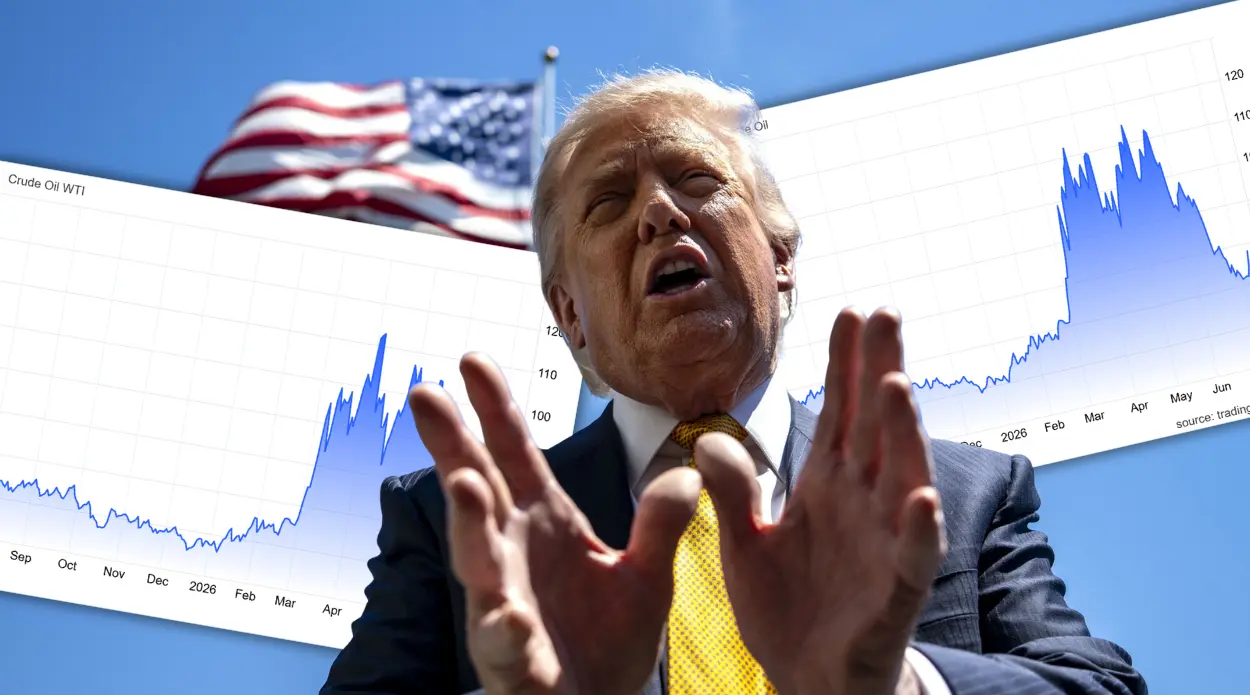
Geopolitical tensions are still observed, supposedly a cease‑fire is in place, and now its finale is announced, but we just had another escalation and a new wave of US and Israeli attacks on Iran. Such chaos is exactly the scenario, that every gold holder was waiting for: fear in markets, uncertainty, rising oil. So gold should shoot into the sky. Yet it fell.
And conversely, when rumors of peace talks, i.e., de‑escalation, appeared, gold prices rose. This pattern repeated several times. It also plays out on Monday, after we learned about the expected signing of a cease‑fire on Friday, June 19 in Geneva.
It is not a coincidence, nor manipulation by banks or any conspiracy, but one specific factor, essentially one number, rather dull and not headline‑grabbling as colorful tweets or Trump tirades. He has dictated the conditions on the gold market for the last three, even four months, deciding whether there were falls or rises.
Chart. Gold futures (COMEX)

Source: TradingView.
See also: Gold price unstoppable? Expert: “Gold could just as well reach 7000 USD or 10,000 USD per ounce”
No interest, still worth it? All eyes on Treasury bonds
The war in the Middle East caused gold not to rise, but rather to fall. In fact, it was the consequences of the conflict.
The market was convinced, that the Fed would cut interest rates. Some banks even talked about 3–4 cuts in 2026. Real rates fell, central banks bought gold, and the metal’s price rose from just under 4000 to 5500 USD. Part of the market called it the Warsh effect or even the Warsh shock.
Kevin Warsh is seen as a supporter of a hard, hawkish monetary policy. As a guest, if he has a choice, he would rather raise rates than cut them. And that is very important. Because a credible opponent of inflation as Fed Chair, who prefers to raise rates, means higher real yields and a drop in gold price.
Gold does not pay investors any interest. If you keep a bar in a drawer or a safe or hide it somewhere in a secret compartment under the sink, after 10 years you will still have the same bar. It is not like dividend‑paying companies or deposits; gold does not pay coupons or interest.
But that is also its biggest advantage. It is bought precisely because it is not a financial instrument, but a hard asset that cannot go bankrupt or “break down”. It cannot be blocked with a click or frozen in a bank. A bar does not degrade. That is why gold is bought.
One must also remember the other side of the coin. Gold constantly competes with another safe asset that pays such interest. Those are U.S. Treasury bonds.
They are only threatened by a scenario in which the U.S. economy collapses, which is currently quite unrealistic.
The war broke out. Gold price did not fall, but not because the world stopped believing in gold, but because real yields on U.S. bonds jumped, because the world still trusts Fed policy, and because the bank can tame inflation.
The war in the Middle East did not undermine gold’s status as a safe haven; that is not the point. But it made its competitor, the rival of gold in the form of U.S. Treasury bonds, suddenly become much more attractive investment-wise.
Why? The answer is in the upcoming video on the FXMAG channel.
Chart. Yield of 10‑year U.S. Treasury bonds

Source: Stooq.
See also: Gold fell 12%, soon further discount? Expert: “With possible de‑escalation there is a chance to make up for losses”