US-Iran Situation
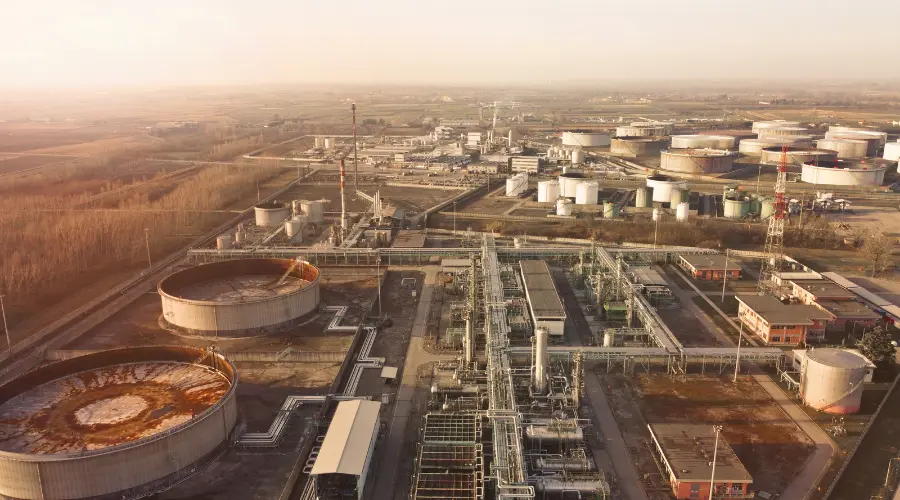
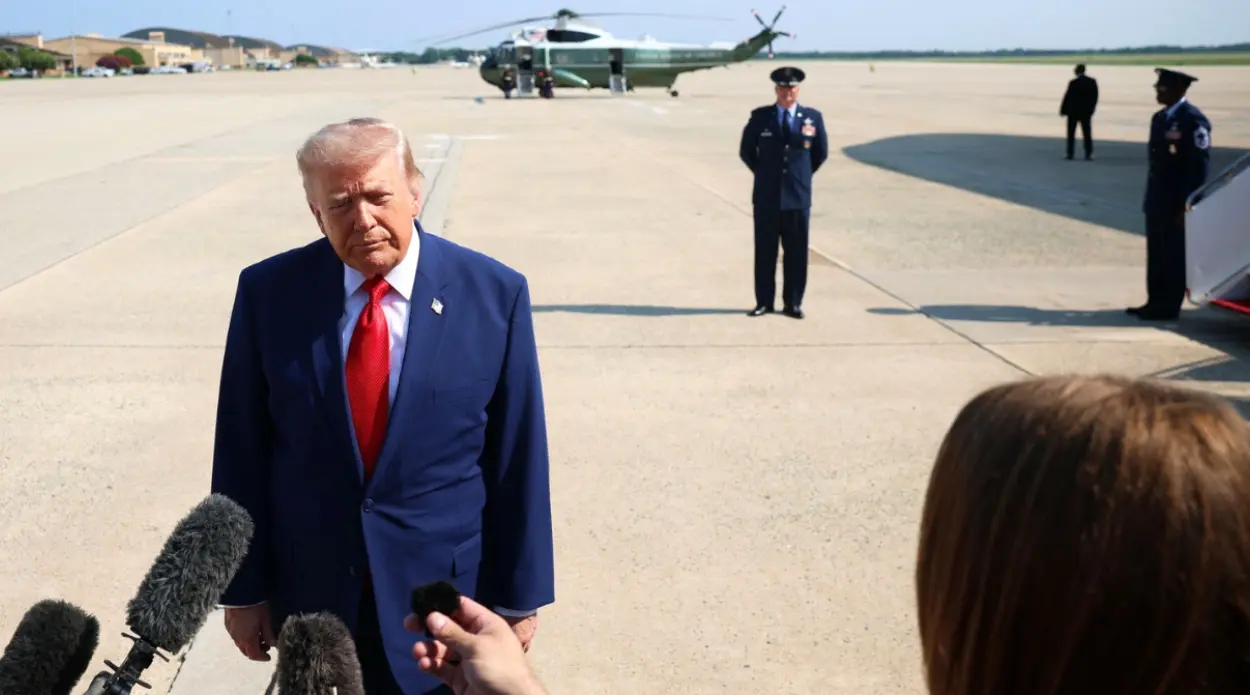
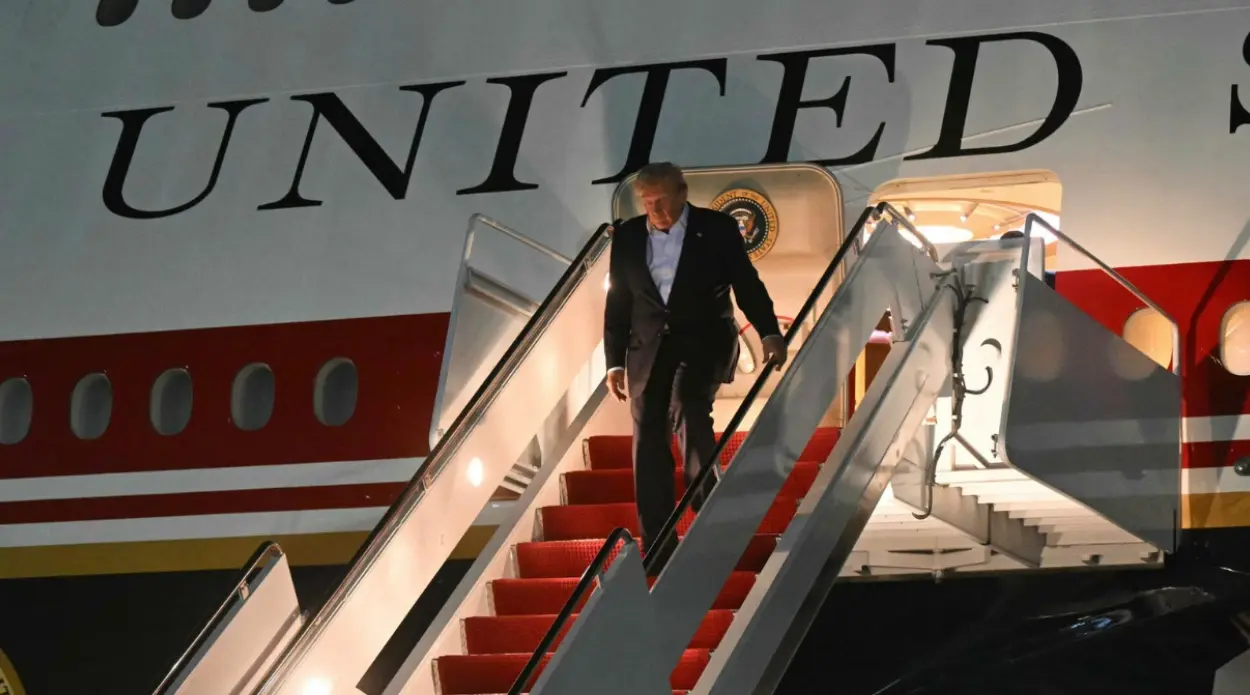
Is this a sign of American helplessness, who only want to pretend they "control" the situation—hence the nighttime attacks on Iranian targets? The regime makes the point clear: we will unblock the Strait of Hormuz, but we will charge transit fees (most shipping companies will probably agree, as ships have been waiting too long), and we may hand over enriched uranium to Russia or China, our friendly countries.
At the same time the US should lift all sanctions and unfreeze Iranian funds in Western banks. Can this be agreed upon? And what if not? Status quo? Both the US and Iran do not want to talk about returning to open war, but "sniping" operations may become more frequent, eventually allowing for some regularity of actions. For markets, the prospect of still heavily restricted transit through the Strait of Hormuz could be fatal.
For now we see a slight risk‑off, as if investors are not allowing themselves the possibility that risks will ultimately turn into clearly unfavorable scenarios. The belief that an agreement with Iran will be signed will continue to hold. But another weekend is ahead, so will Friday be more nervous?
Today's macro data: PCE and PCE Core inflation reading and ECB minutes
Against the backdrop of events around Iran we have macro topics. Today at 13:30 the minutes from the latest European Central Bank meeting should bring us closer to the prospect of a rate hike on 11 June. Especially since the May economic data (KE indices) unexpectedly gave it a slight rebound.
Meanwhile at 14:30 we will see the PCE and PCE Core inflation reading from the US, which will most likely remind investors that the turmoil in the Middle East is creating an ever greater problem. Estimates assume a PCE move to 3.8% YoY and core PCE to 3.3% YoY by the end of April. Data could be higher and that could become a pretext to strengthen the dollar. The US currency had been gaining overnight on the broad market, and this morning the trend was slightly corrected. Regional currencies (forint) perform poorly, and among the G‑10 the Australian dollar and franc lose the most. Movements are not particularly large. It remains worth observing USDJPY, especially as the levels are again approaching the psychological barrier of 160. This will generate comments from Japanese officials, but we should not expect any physical intervention at these levels – speculators should not be tied to specific levels.
Gold and silver are sinking. Investors interested in cocoa and coffee
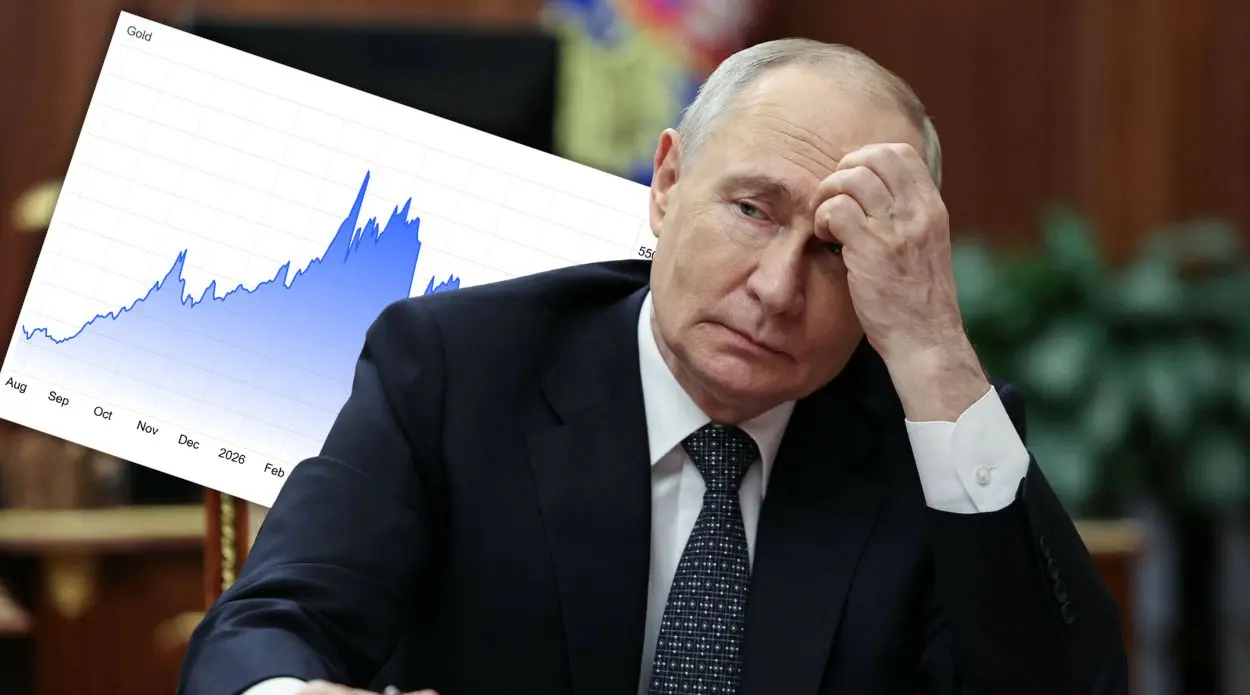
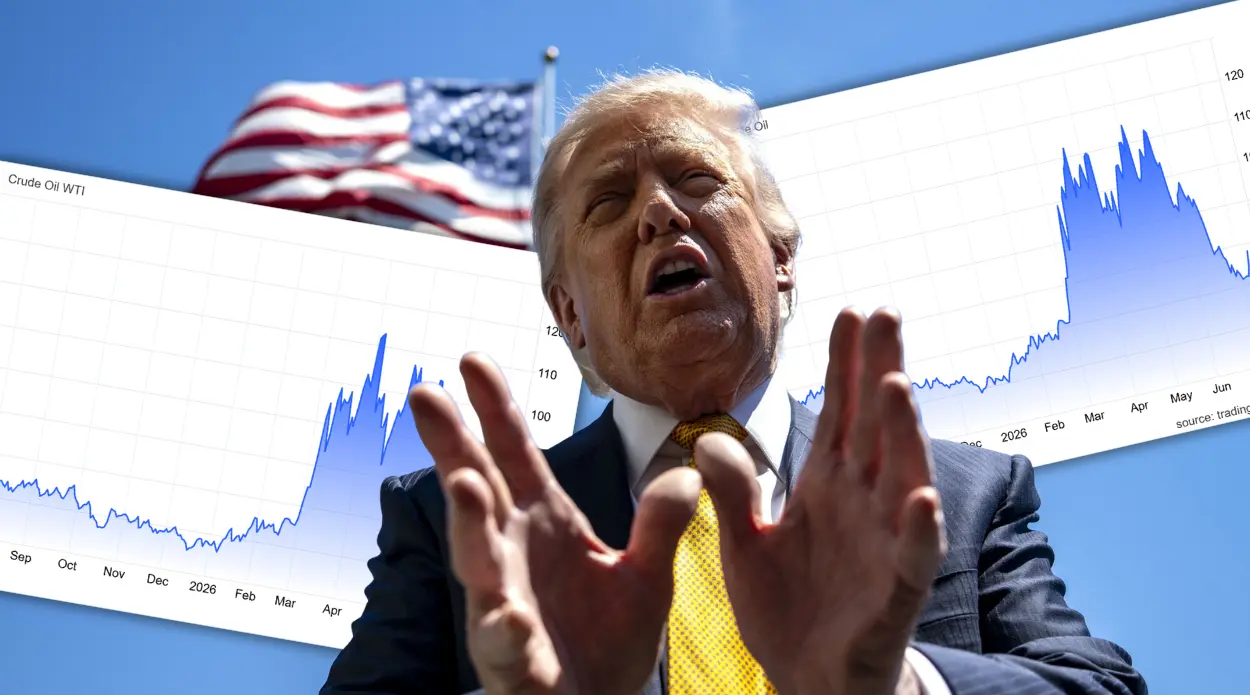
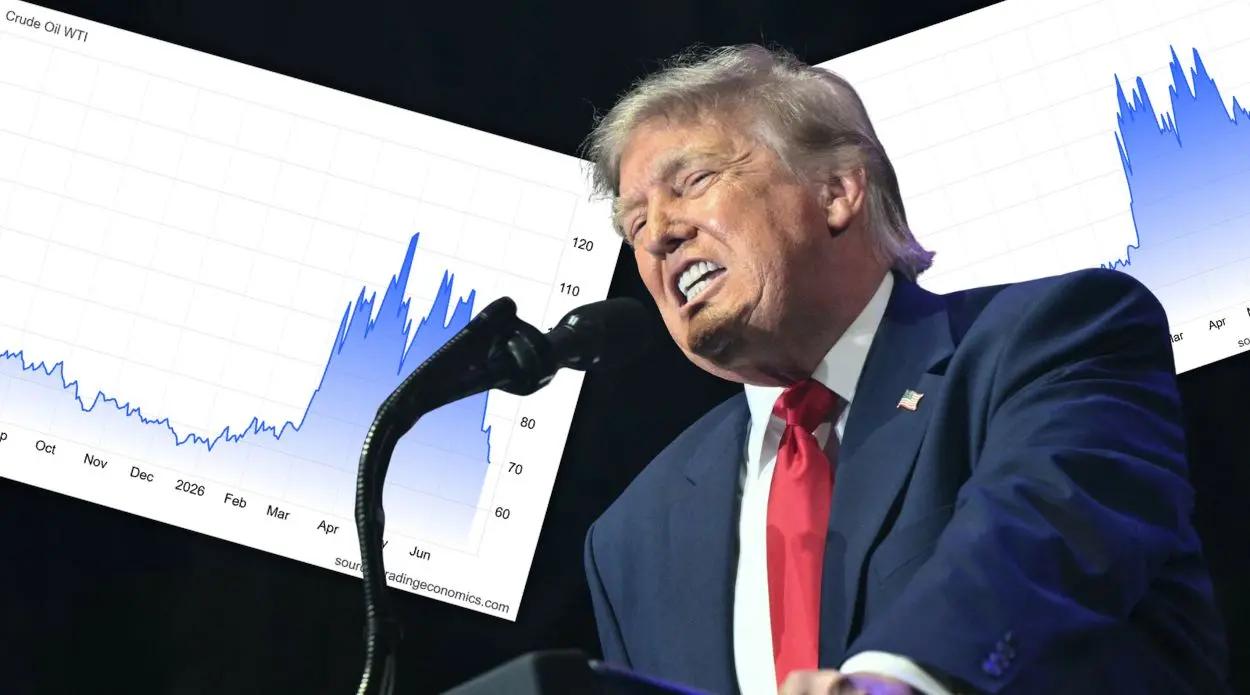
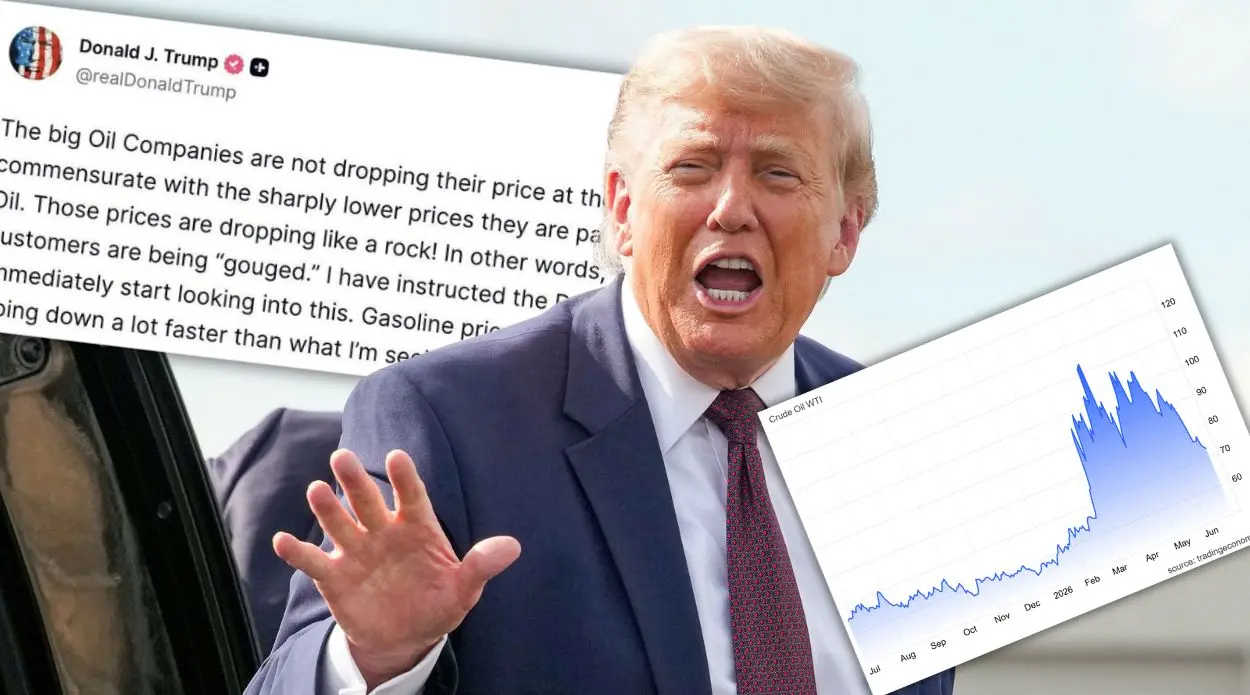
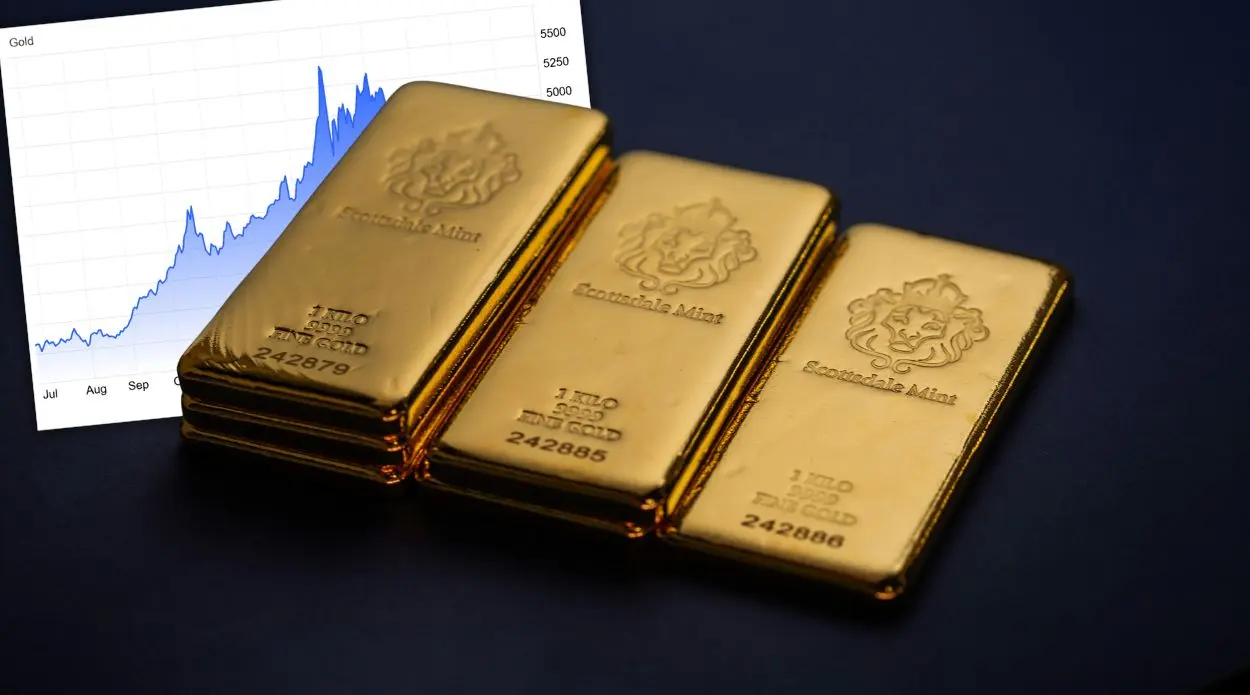
In the commodities market gold and silver are sinking. This could be the result of concerns about inflation and central bank moves. Crude oil is traded higher and this may not be the end if an agreement with Iran is not signed before the weekend.
In the center of interest in the commodities market remain also cocoa and coffee (concerns about El Niño).
EURUSD - Will PCE tip the scale today?
Markets again feel tension, which already stems from irritation over the lack of a signed peace memorandum with Iran. Ahead of the approaching weekend nervousness may rise again, because although the parties rather do not want to return to full‑scale war, "sniping" operations may increase in strength. The future status of the Strait of Hormuz remains unclear, which fuels pro‑inflationary narratives. In this context today's PCE and PCE Core data for April from the US, which we will learn at 14:30, could be significant.
The dollar has been stronger since morning, at one point there was a correction of this move, but now it looks like we are returning to strengthening. Besides PCE, the narrative of both sides (US and Iran) regarding further peace talks may be important.
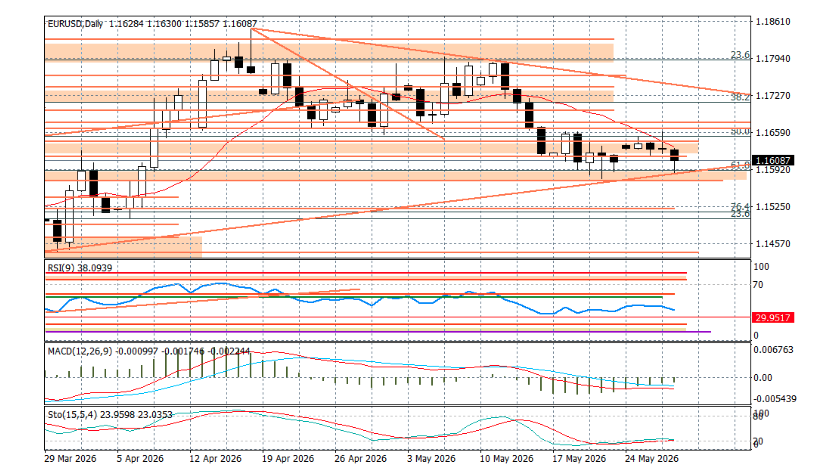
Daily EURUSD chart