The Norwegian Government Responds to Escalation of Tensions in the Middle East
Prime Minister of Norway Jonas Gahr Støre announced the government's readiness to implement actions in the event of a fuel crisis that could be intensified by the escalating conflict in the Middle East.
“If this war ended now and the borders were reopened again, it would still take some time before everything returns to normal. If the borders remain closed, the situation will be serious,” Støre said in an interview with NRK.
The politician emphasized that the current fuel availability in Norway is good, but the situation could change at any time.
“We are currently dealing with a normal situation, not a fuel shortage. For now we have everything under control, but we must monitor the situation week by week,” he said.
According to the Norwegian newspaper Aftenposten, Støre confirmed that Norway has strategic fuel reserves for 20 days.
In the event of escalation between the United States and Iran, the Norwegian government plans, among other things, the introduction of mandatory remote work, which will reduce fuel consumption.
“There may be a need to take action, perhaps initially voluntary. This could mean more frequent use of remote work or other types of measures,” Støre stated.
“If the situation becomes truly serious, authorities will have to prioritize important social tasks,” he added.
Read also: Suspicious transactions in the oil market. The insiders earned billions of dollars. “A frightening example of market manipulation”
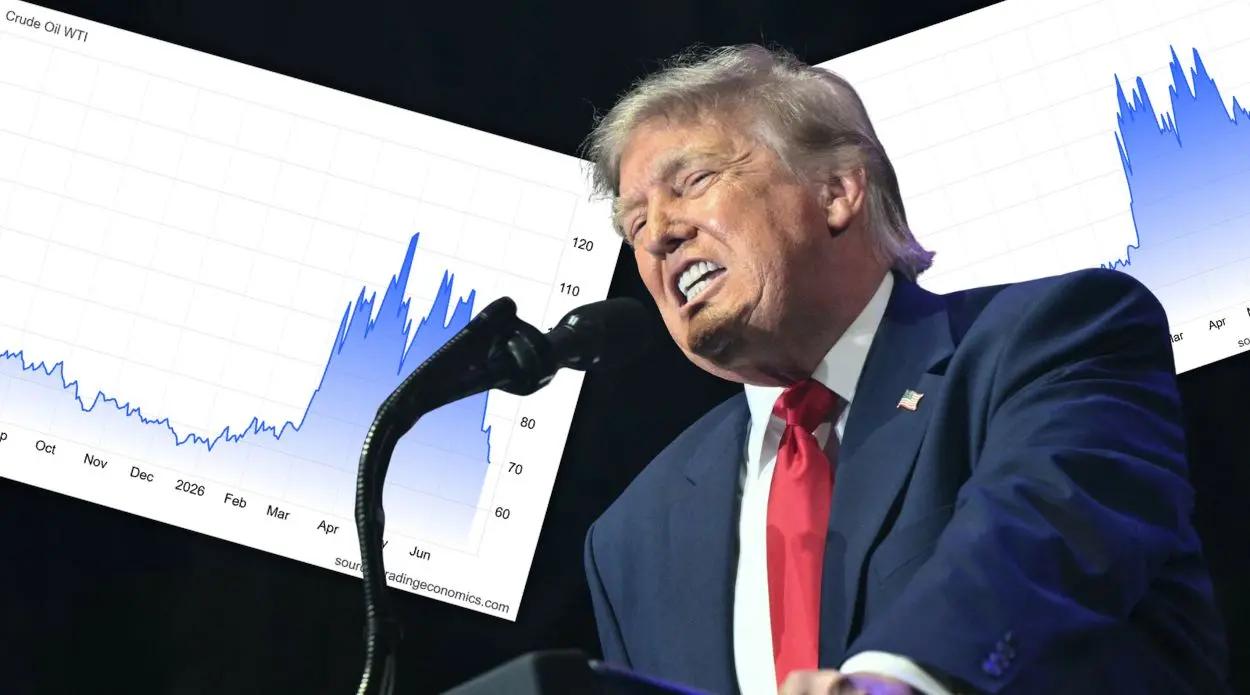
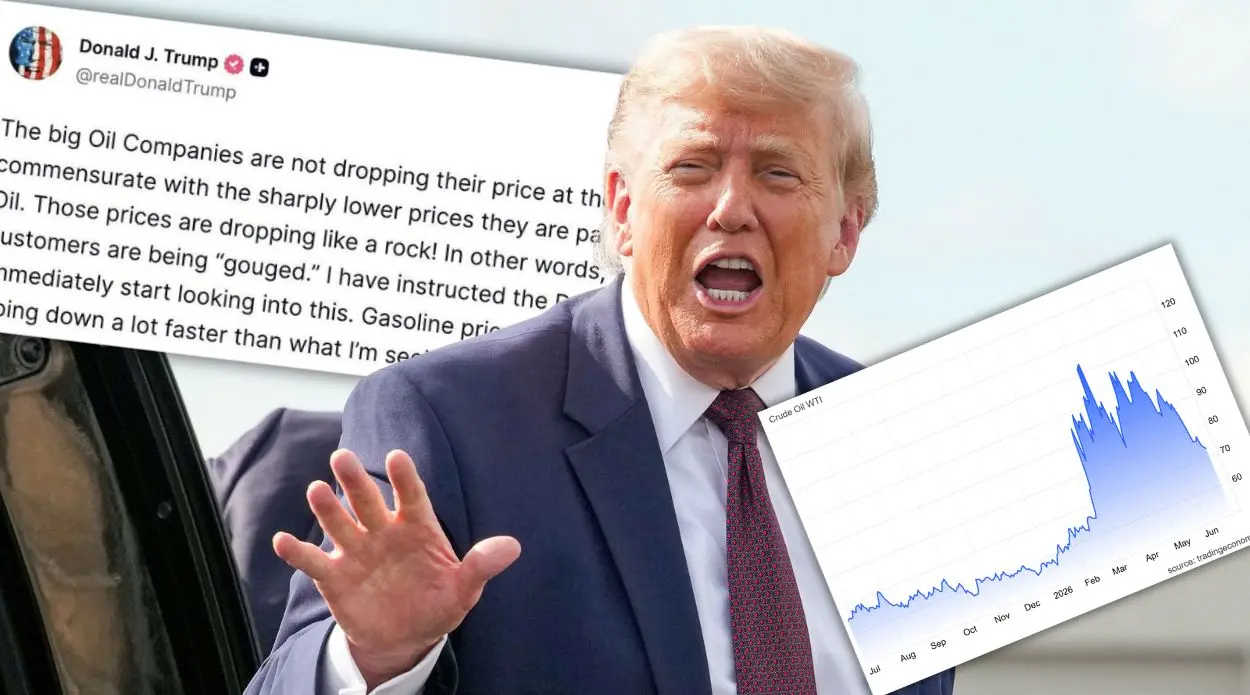
See also: Fuel prices plunged after Trump’s words. Attacks on Iran were halted. “I instructed the Department of War”
Oil and Gas Prices on the Rise
Oil prices are fluctuating constantly since the U.S. and Israel attack on Iran.
Brent and WTI futures on Monday, April 20 rose again in response to reports of a distant peace talks vision by Washington and Tehran representatives after the U.S. Navy seized the Iranian ship Touska with the American warship.
The U.S. government maintains a narrative of pursuing negotiations, despite Iran confirming no willingness to participate in talks.
A key element of the dispute remains not only the issue of unlocking flow through the Strait, but also the expected by Americans ending the nuclear program development by Iranians.
“It raises concerns because the two‑week ceasefire is ending. It opens the way for further escalation of the conflict in the Persian Gulf and the rise of oil and gas prices,” analysts from ING Think said.
“Sudden and rapid market fluctuations create difficult conditions for participants,” they added.
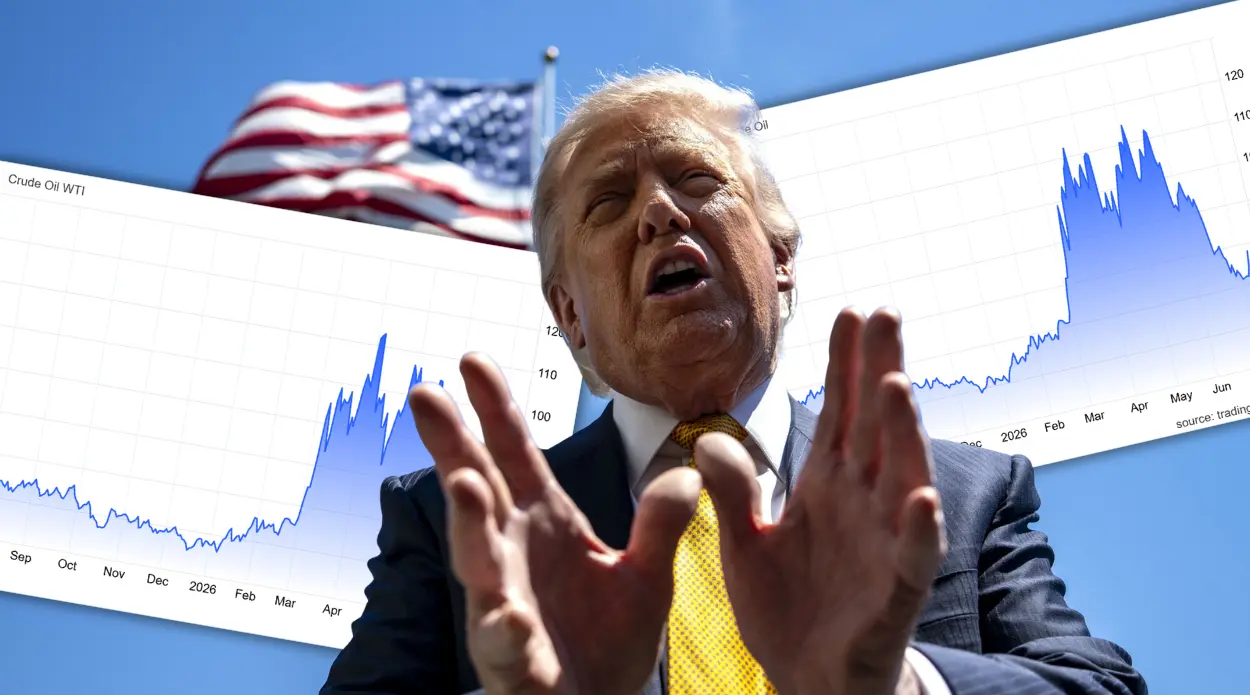
WTI futures rose by 6% to 95,8 USD per barrel.
Chart. Brent futures price
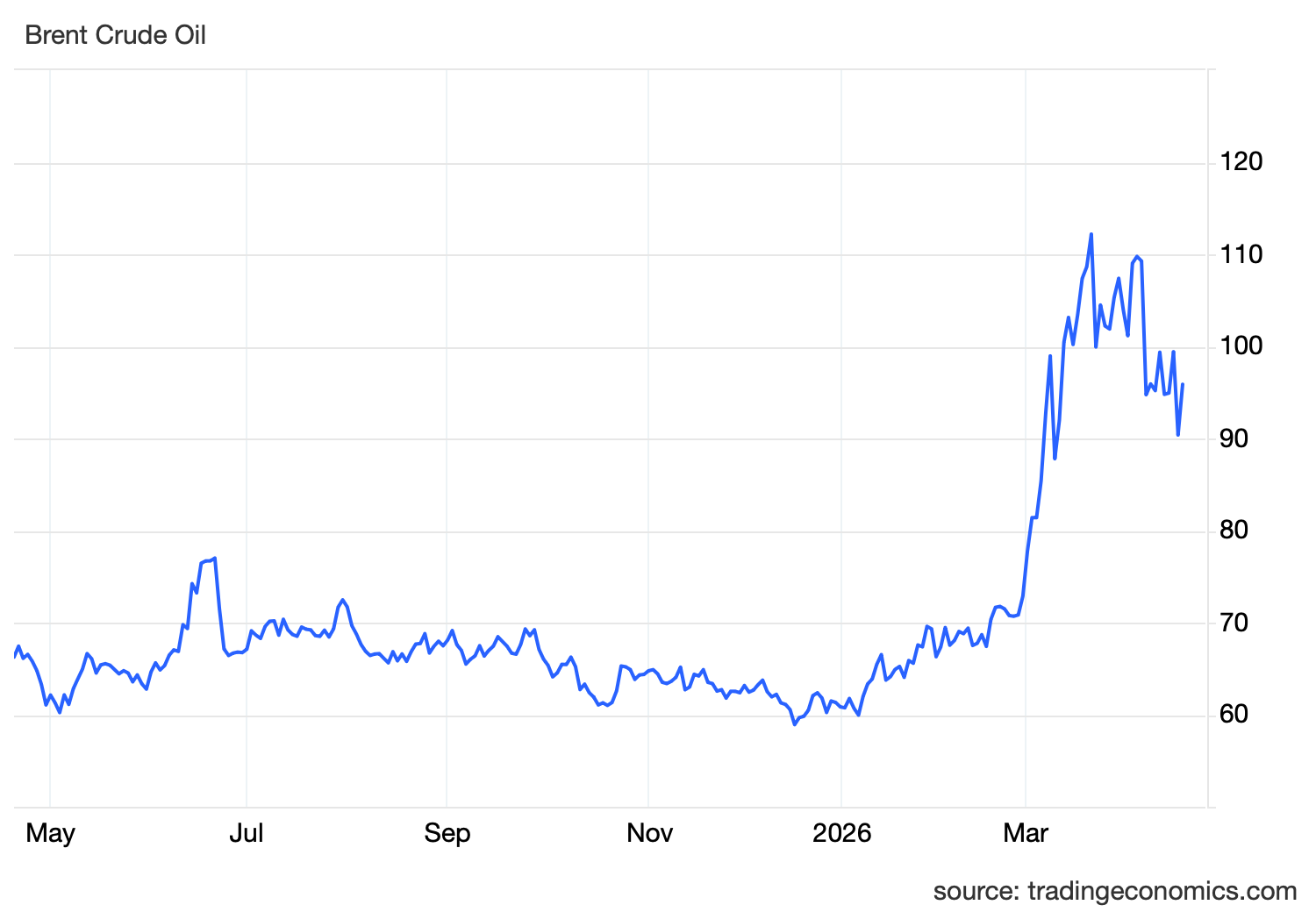
Source: Trading Economics.
WTI futures reached 89,7 USD per barrel after a rise of 7%.
Chart. WTI futures price (West Texas Intermediate)

Source: Trading Economics.
Natural gas prices in Europe also rise after the Strait of Hormuz was closed again by Iran.
European gas futures reached 40,8 per MWh after a jump of 5,5%.
Chart. European natural gas futures price

Source: Trading Economics.
Read also: Dollar rate before the “nervous and dynamic” move, euro waiting for a drop? Expert issued a forecast for USD/PLN and EUR/USD
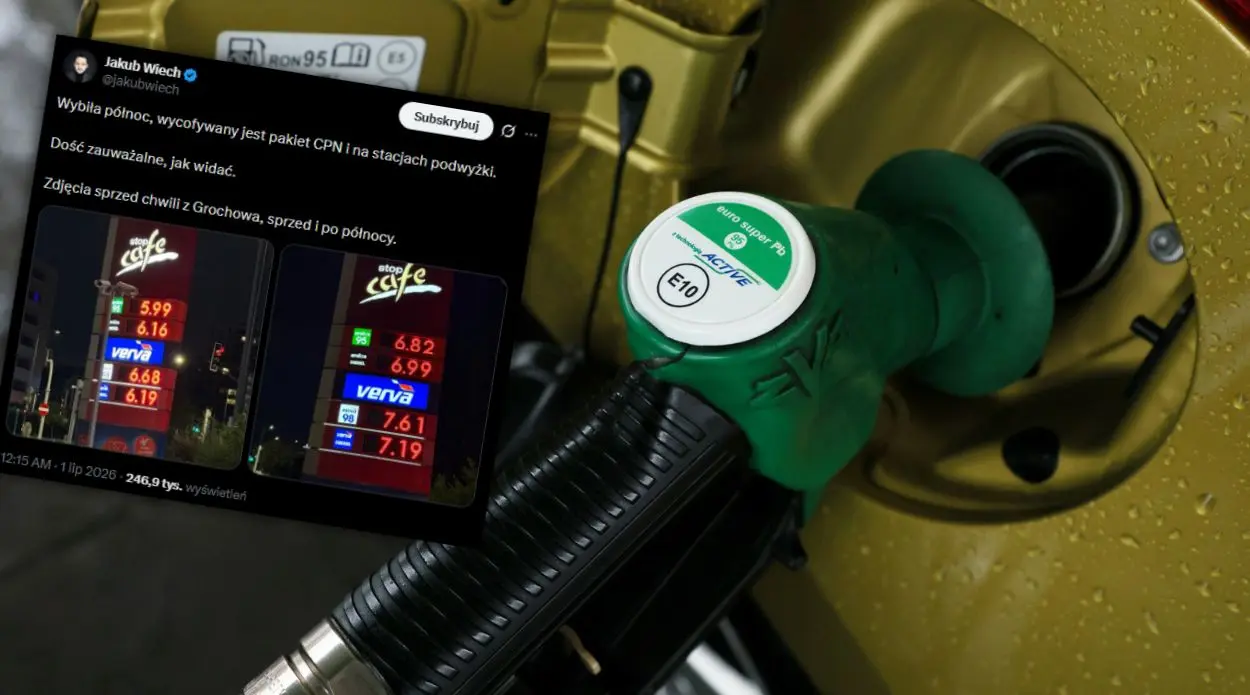
See also: Fuel prices in Poland will rise, will there be shortages at stations? Expert: “It will not be a one‑off sudden move that will affect drivers”