ETFs were the biggest sellers of gold
The most striking drop in demand comes from ETFs and similar products.
In Q1 2026 this category fell to just 62.0 t.
That is 65 % less than the previous quarter and 73 % less than a year earlier.

Here you can see the main reason for the weaker overall market picture. When more liquid, financial capital flows out, total gold demand stops looking as impressive as before, even when some investors still buy physical metal.
Record prices also hit jewelry
The second clearly weak link is jewelry. Jewelry demand fell to 335.0 t, a 24 % quarter‑on‑quarter drop and 23 % year‑on‑year decline. This shows that record prices are increasingly pushing part of the traditional consumer demand out of the market.

This is important because jewelry usually helps build a broad demand base. When this segment clearly fades, the market becomes more dependent on a narrower group of buyers.
Yet the market has not lost all support
Despite the overall drop in demand, there are still segments that sustain the market. Central bank purchases rose to 243.7 t, a 17 % quarter‑on‑quarter increase and 3 % year‑on‑year rise.
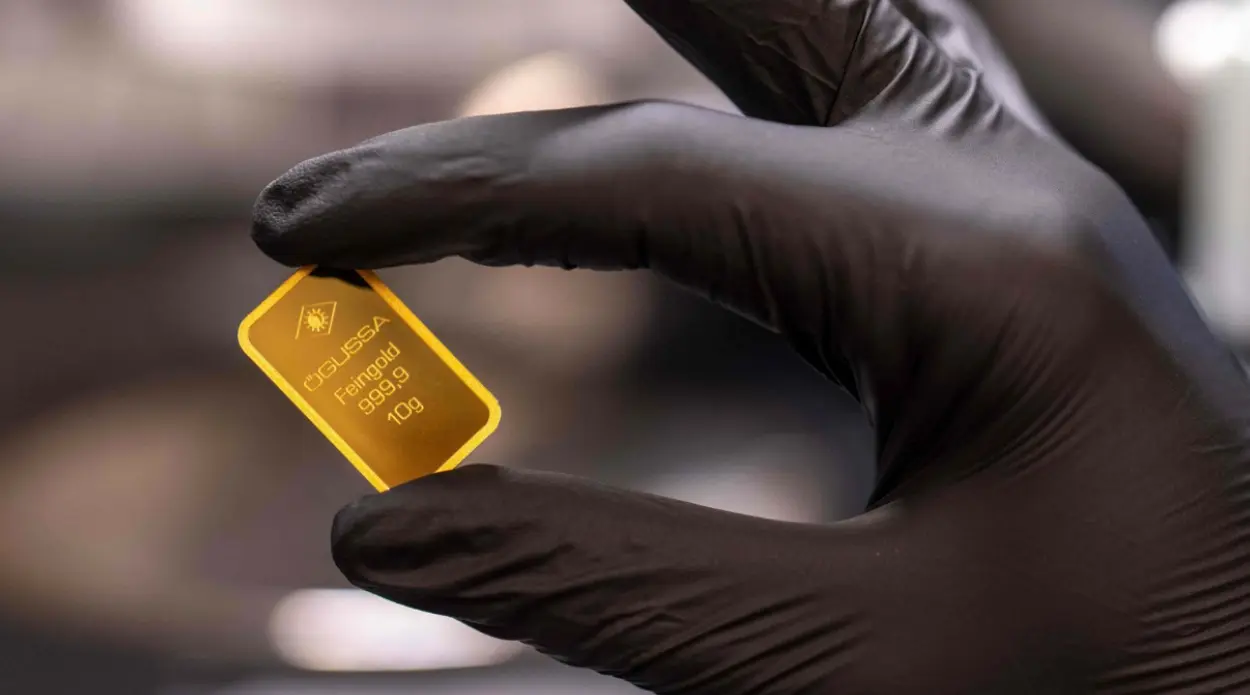
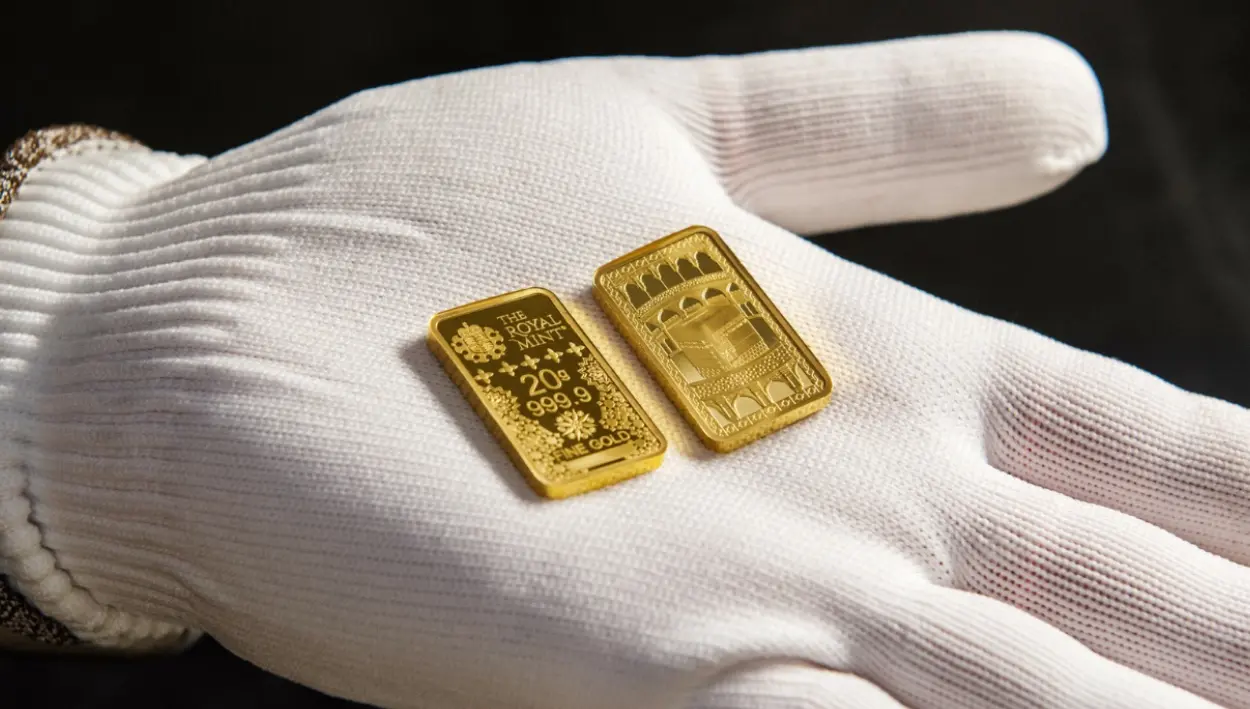
Physical investment demand looks even stronger. Demand for bars and coins rose to 473.6 t, an 11 % quarter‑on‑quarter increase and 42 % year‑on‑year rise. In other words, even if part of the market pulls back at high prices, other participants still treat gold as a capital protection.
What this could mean for the gold market
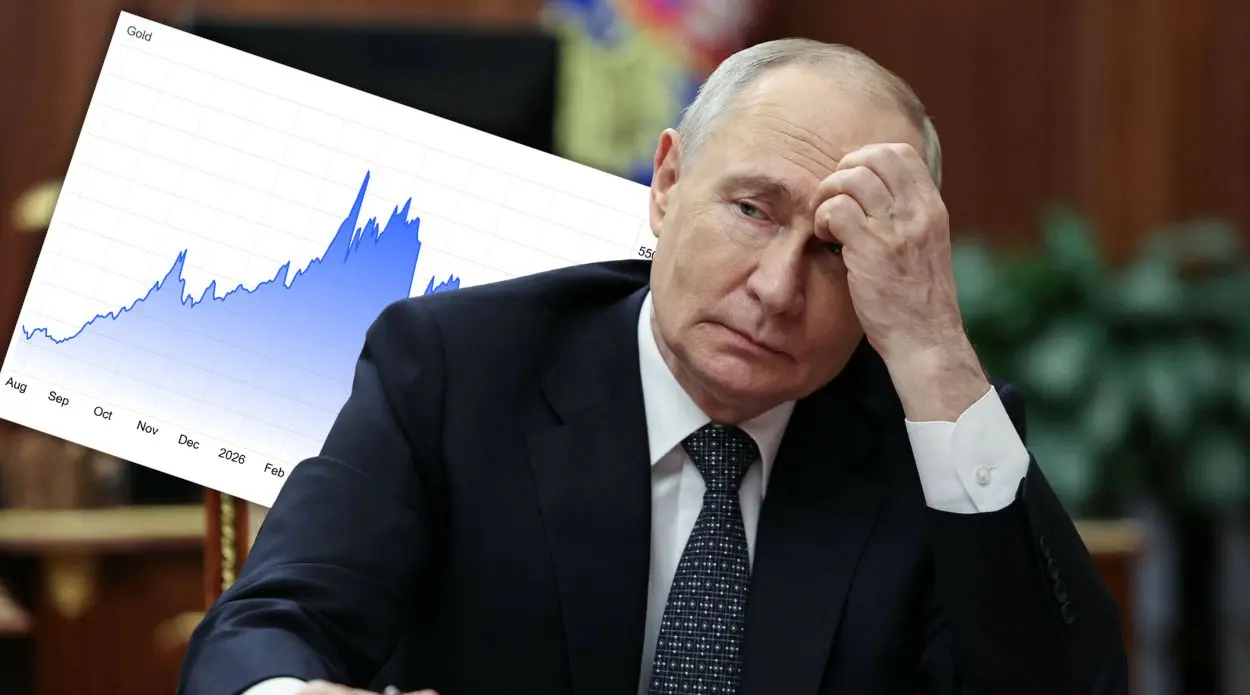
Gold demand overall has fallen and this should be front and centre. Q1 2026 delivered the weakest total demand reading since Q2 2025, showing that record prices began to narrow the market breadth, but also that speculators could exit the market thanks to earlier 2025 gains and shed ETFs.
The second takeaway is that the demand decline was uneven. ETFs look weak (this may make a similar FOMO effect difficult in the near future) and jewelry (because it is simply expensive), but central banks and demand for bars and coins still give gold support. Thanks to this, the market can remain relatively strong in price, even if volume looks noticeably weaker.