Last Sunday, during a speech in Hyderabad, Indian Prime Minister Narendra Modi delivered an appeal that touched not only Indian citizens but also shook investors’ wallets hard.
Modi’s Economic Gambit
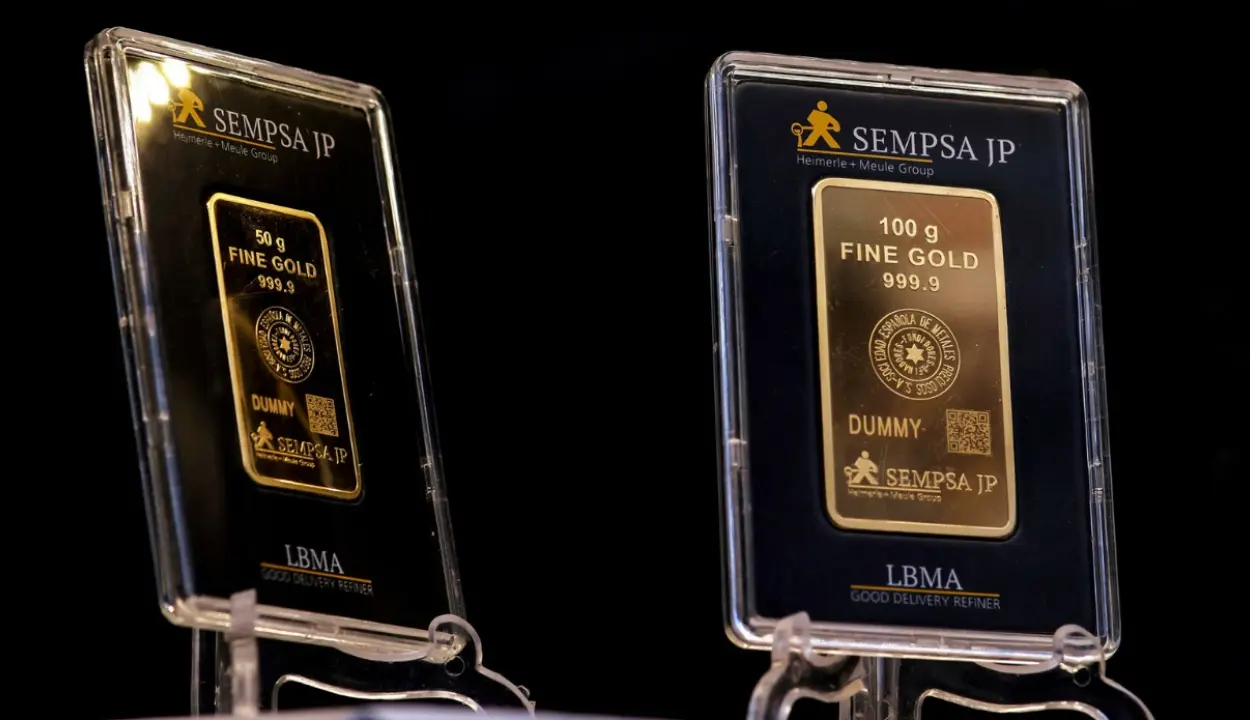
Facing a growing crisis in West Asia and a drastic rise in oil prices, the head of government urged compatriots to refrain from buying gold jewelry for at least a year.
“Regardless of the occasion, even at weddings, we should give up buying gold,” Modi said, thereby prioritizing rupee stability over cultural habits.
Also read: Gold price fell 12%, will there be further discount soon? Expert: “With possible de‑escalation there is a chance to recover losses.”
In India, gold plays not only a financial role but also a cultural one for hundreds, if not thousands, of years.
This metal is inseparably linked to Hindu festivals such as Diwali or Dhanteras, and to the wedding season, when buying gold jewelry for the bride and groom is not just welcomed but a traditional duty.
It is worth noting that Indian households hold huge gold reserves estimated at about 346,000 tonnes of bullion.
With the current trade deficit, every ounce of imported gold is a drain of hard currency that the country needs to buy outrageously expensive energy resources. Here it is worth noting that India’s current population is estimated at over 1,47 billion people, which is about 17.8% of the world’s population.
This sheds a slightly better light on the fact that the massive amounts of energy and resources needed by India and how sharply the current crisis hits the country economically.
Also see: Gold price unstoppable? Expert: “Gold could reach either 7,000 USD or 10,000 USD per ounce.”
Bloodbath on the Bombay Stock Exchange
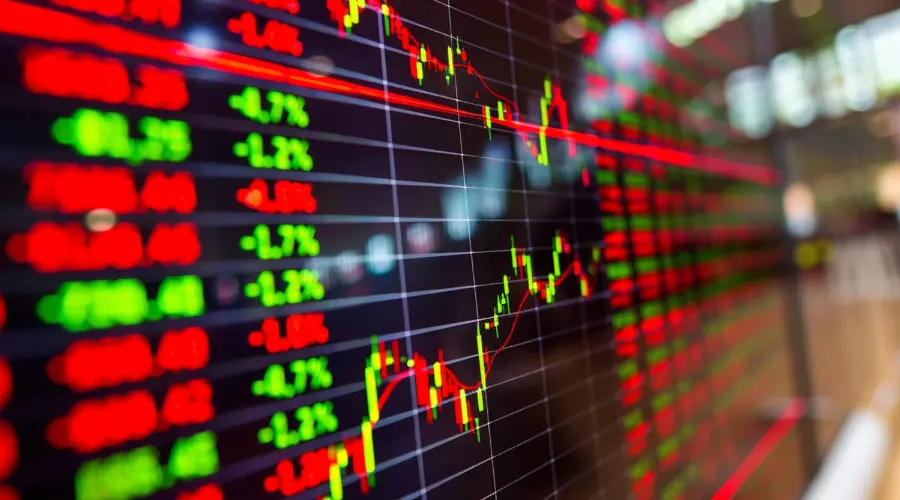
The Monday opening of the Bombay stock exchange resembled a scene from a disaster film, only this time the thunder was not the earth but the charts.
Shares of the biggest players in the jewellery sector fell almost immediately into a free‑fall mode. Titan Co., the absolute market leader, lost as much as 6.6% on Monday morning, falling to about 4,153 INR.
The situation looked much worse for smaller but equally important jewellery and gold‑smith companies.
Kalyan Jewellers India Ltd. recorded a drop of as much as 9.5%, and Senco Gold Ltd. plunged by nearly 11%.
Investors (supported by AI algorithms analysing real‑time sentiment) reacted instantly to the risk of a drastic drop in demand. The scale of the discount shows how much Indian business depends on tradition and the “wedding season.”
If Indians really listen to the prime minister, the jewellery sector will face the worst 12 months of this decade.
The seriousness of the situation is shown by the fact that within a few hours, the market cap of the biggest companies shed hundreds of millions of USD.
Also see: Gold price reacts to the situation in the Middle East. A new gold rally ahead?
Gold is heading toward 5,000 USD
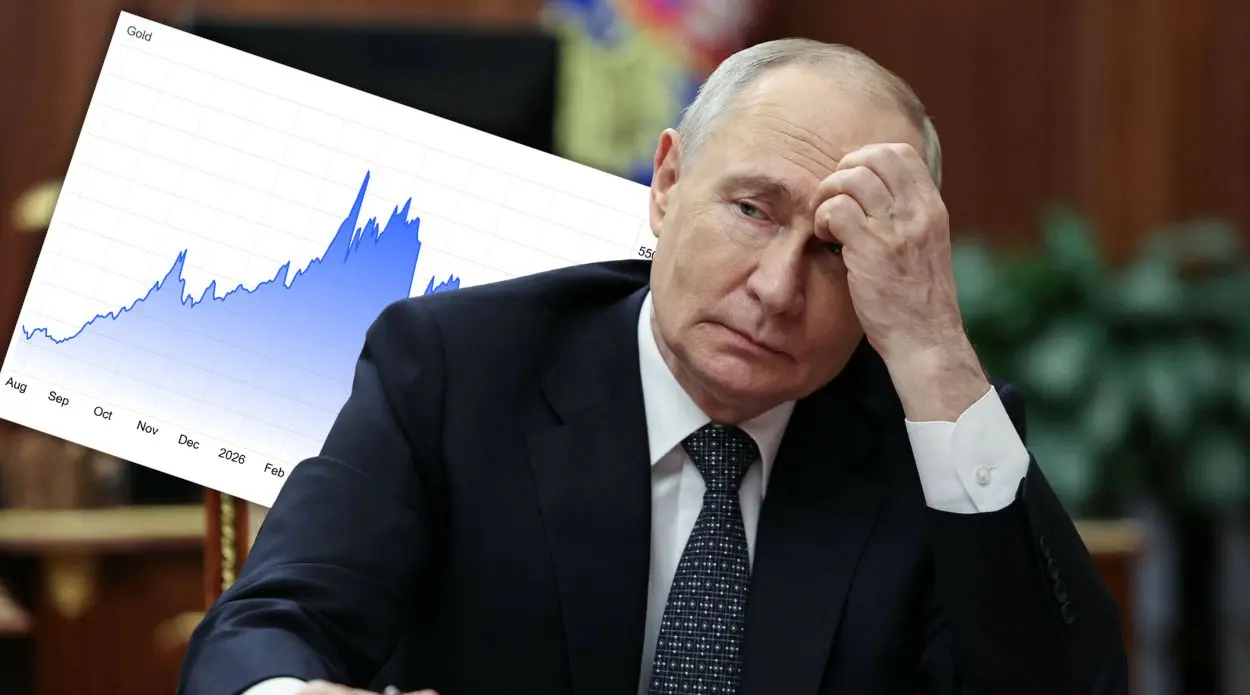
The situation in India is complicated by the fact that gold (despite falling since the start of the war in Iran) is record‑highly expensive.
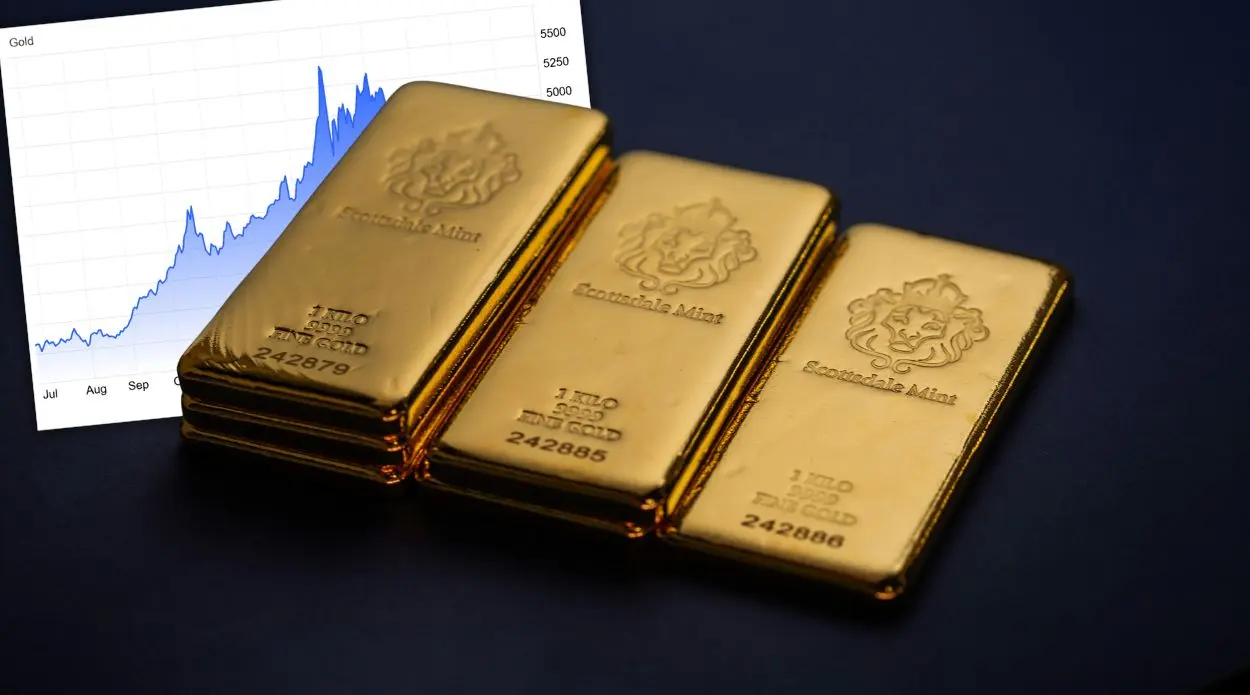
On Monday, May 11, the spot gold price hovered around 4,676 USD per ounce.
This is an impressive year‑over‑year increase, driven by both global uncertainty and ongoing armed conflicts.
From the Indian government’s perspective, importing gold at such prices is an economic catastrophe.
It is worth noting that Indian banks have been dealing with administrative bottlenecks in gold imports for several weeks. These “bottlenecks” are supposed to be temporary, but after Sunday’s appeal by Prime Minister Modi, it became clear that they are part of a broader strategy to curb money outflow.
Chart. Spot gold price (XAU/USD)

Source: Trading Economics.
Also see: The rally has ended? Gold and silver prices may disappoint investors heavily
Source: Bloomberg.