Oil and gas market, and the protracted war-ending process
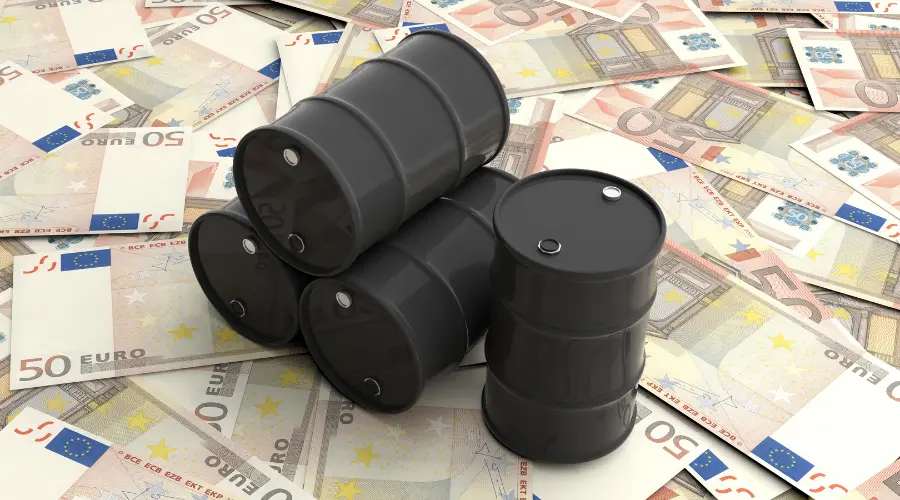
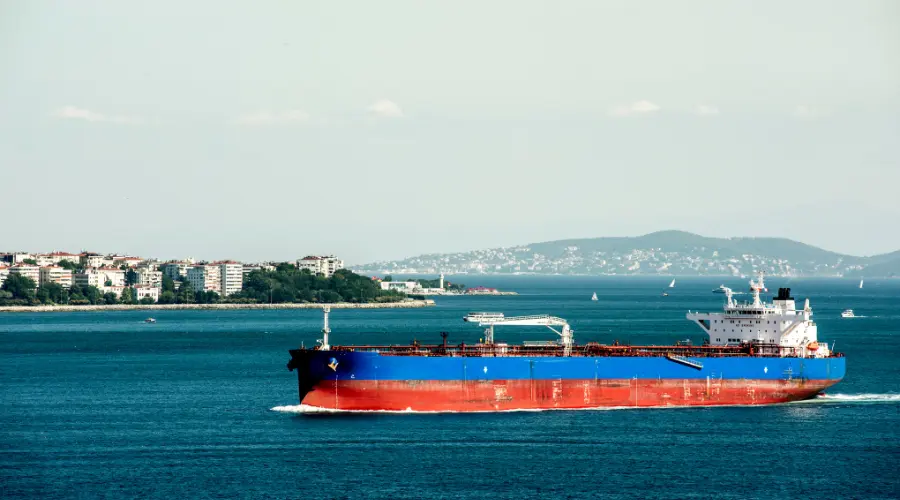
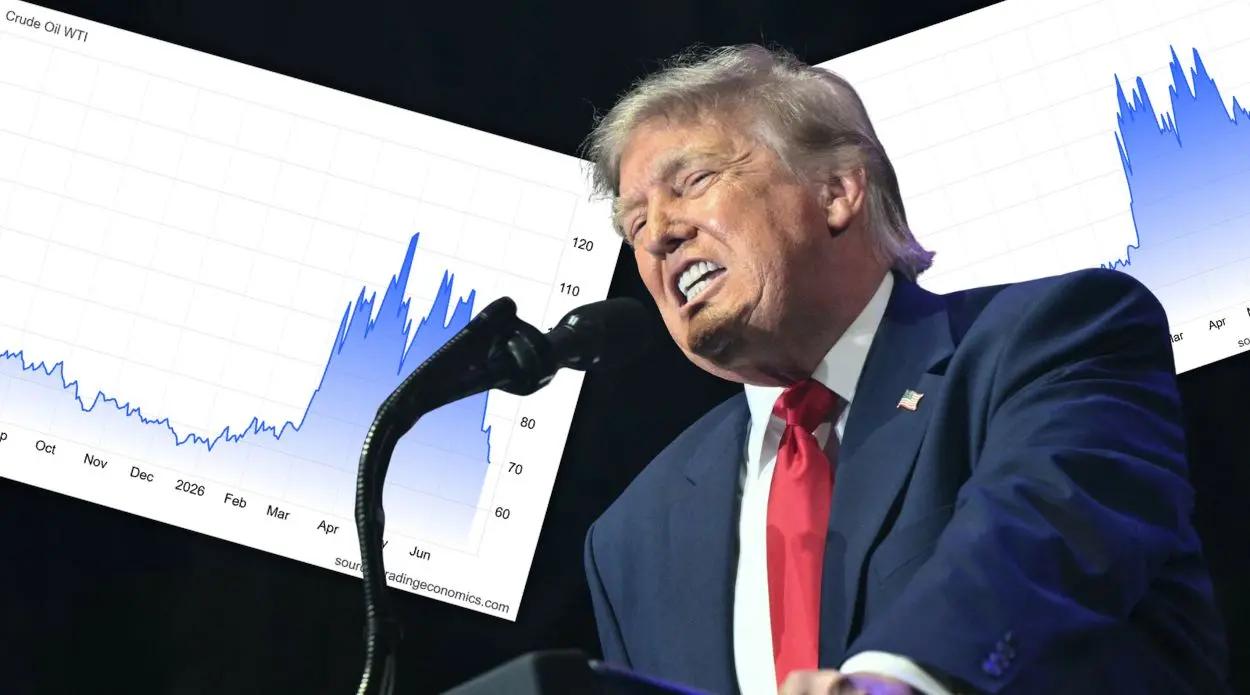
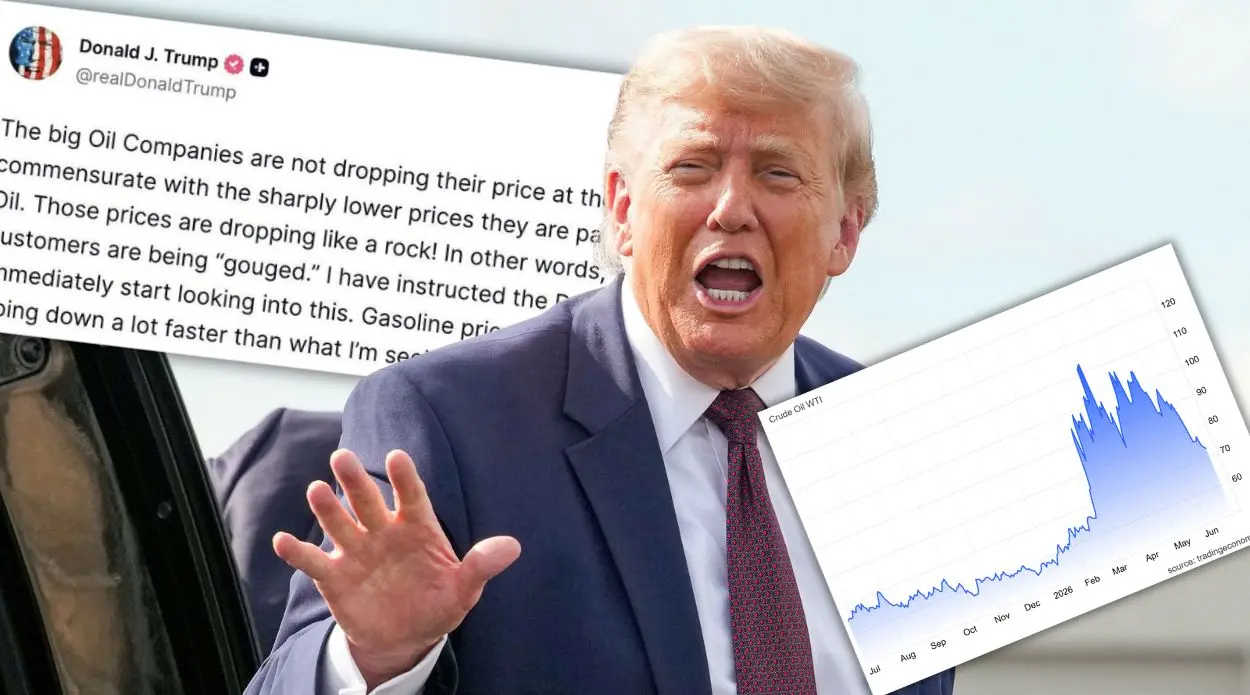
The main reason for the rise is the concern that the escalation of the conflict in the Middle East will keep disruptions in the transport of commodities through the Strait of Hormuz. It is one of the most important export routes for oil, fuels, and LNG from the Persian Gulf region, and restrictions on its throughput can affect energy supplies to consumers worldwide.
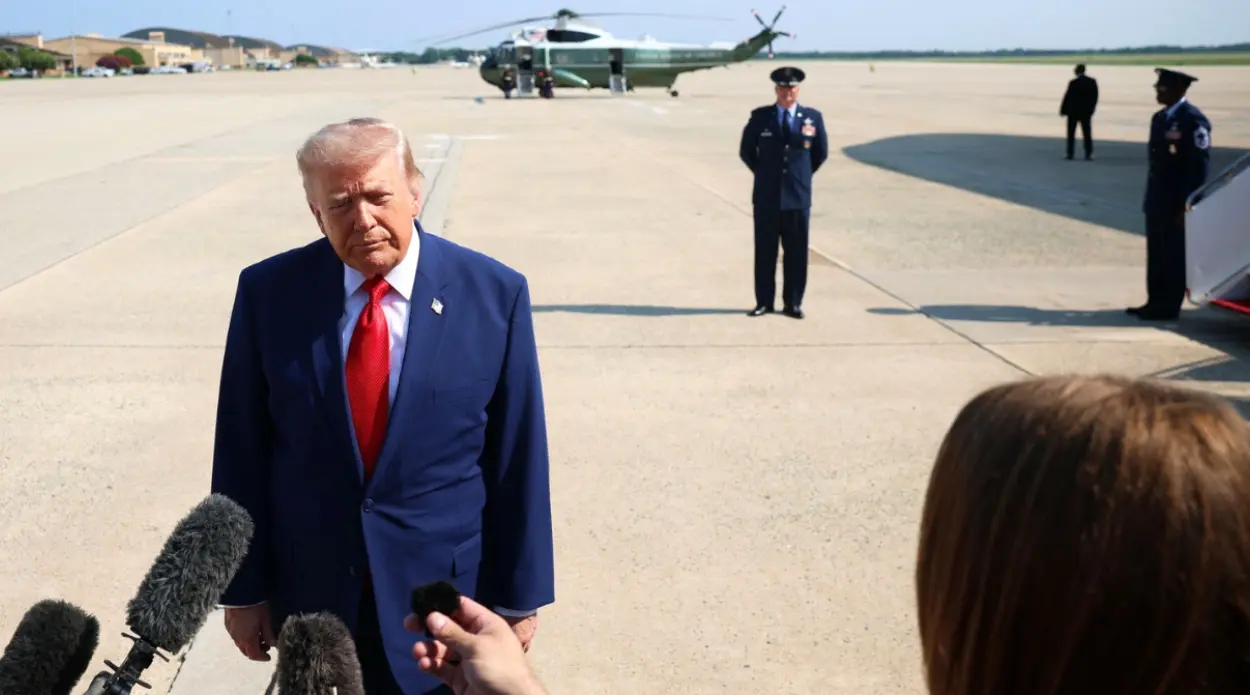
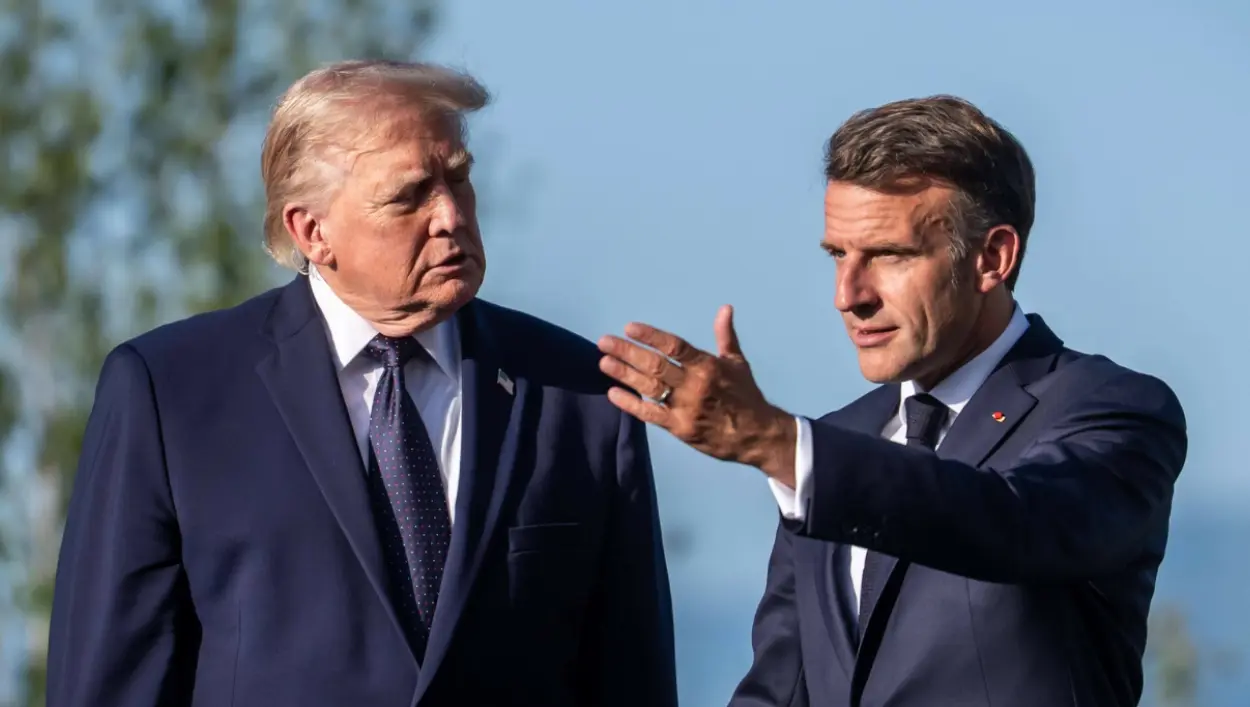
President Donald Trump is trying to extend the ceasefire between the U.S. and Iran by 60 days, which would create space for broader political and nuclear talks. Despite these actions, Israel carried out strikes on military and energy targets in Iran, and Iran responded with rocket attacks on Israeli targets, claiming to have struck, among others, the Nevatim and Tel Nof air bases.
An additional source of tension remains the activity of Iran-backed Yemeni Houthi, who threaten Israeli shipping in the Red Sea. The U.S. also reported shooting down Iranian drones that were threatening maritime traffic in the Hormuz Strait.
The conflict affects not only the oil market but also the European gas market. The European benchmark TTF rose because the prolonged tensions around the Strait of Hormuz may limit global LNG supplies during a period when Europe should rebuild stocks before the next heating season.
At the same time, OPEC+ approved an increase in July production limits by 188,000 barrels per day, but the significance of this decision is limited if logistical problems and shipping risks hinder the actual increase of supplies to the market.
NIKKEI 225 down 3.85%, HangSeng -1.34%
The equity markets also felt it. The Japanese NIKKEI 225 index closed on Monday with a loss of over 3.85%, and the HangSeng lost over 1.34%.
In Europe, the DAX lost over 0.86%, and our domestic WIG20 is 0.62% below the line.
The current escalation shows how fragile the ceasefire remains and how strongly the oil market currently depends on geopolitical risk. Investors fear not only further attacks but also prolonged restrictions on shipping through the Strait of Hormuz and continued tensions in the Red Sea.
Even a potential agreement between the U.S. and Iran would not necessarily mean an immediate return of normal commodity flows, as obstacles could include security issues, the need to remove mines, restarting parts of production, and repairing infrastructure damaged by attacks.
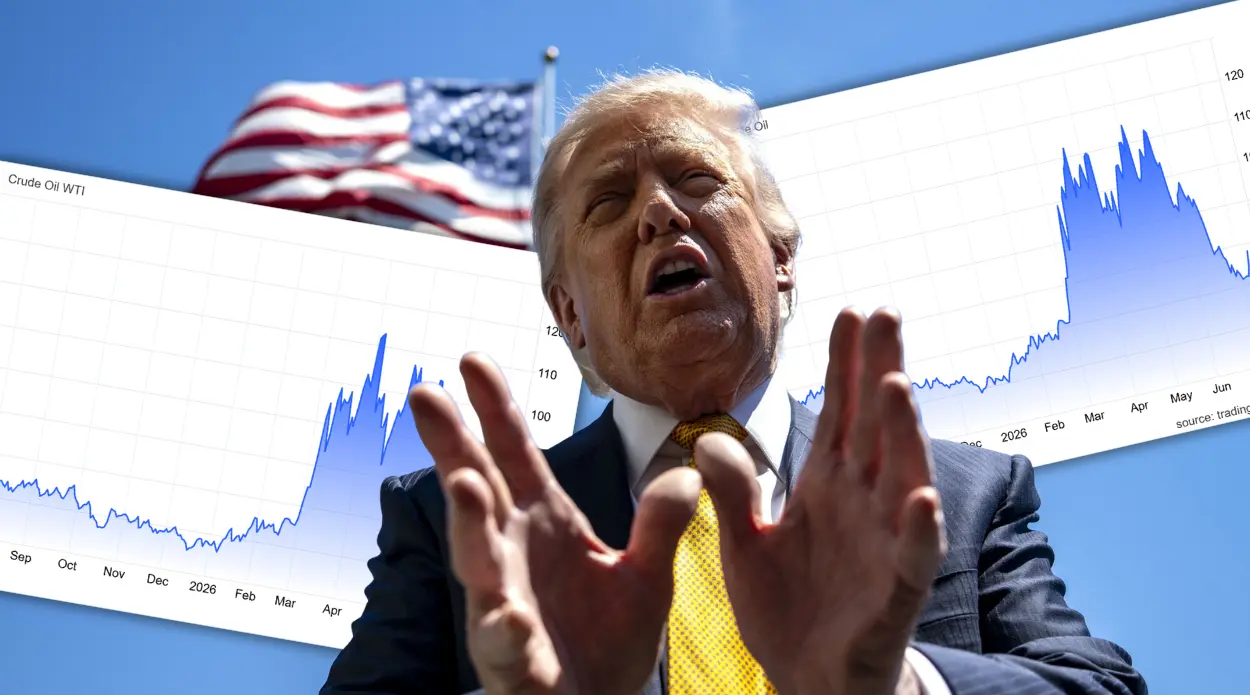
Oil prices are therefore rising mainly because investors price the risk of an extended conflict in the Middle East and further disruptions in energy supplies. Under current conditions, OPEC+ supply decisions remain important, but they are less significant than the security of key transport routes and the real ability to deliver commodity to the market.