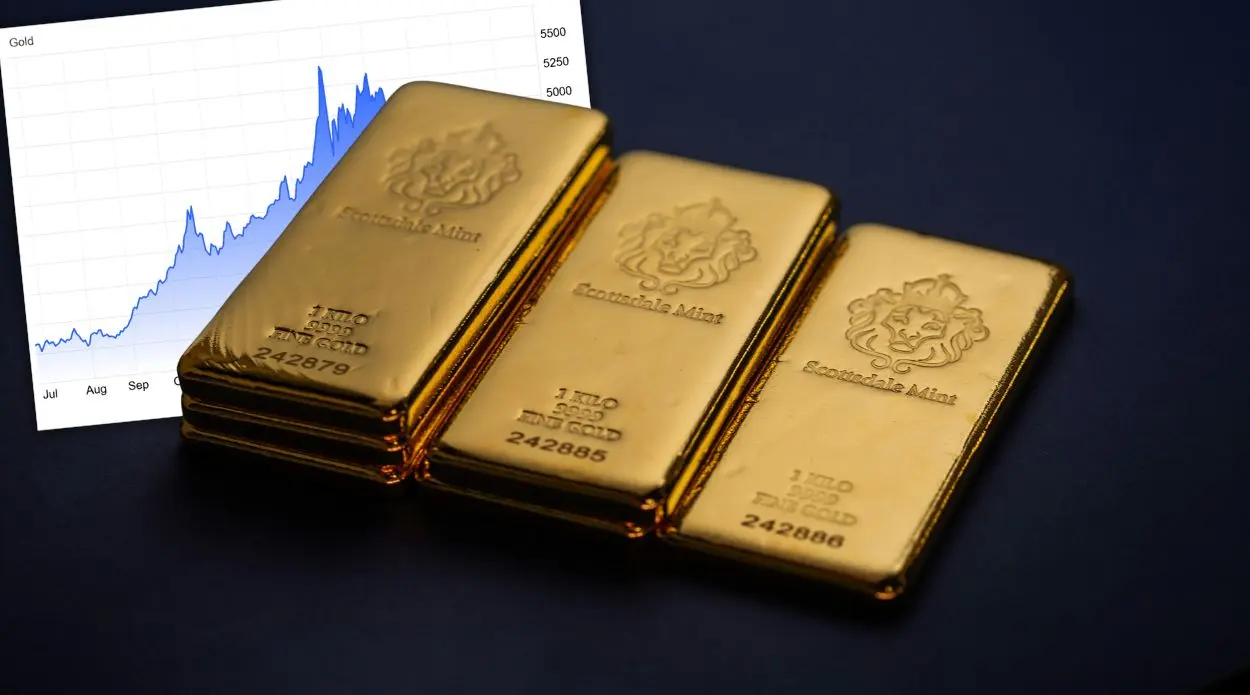
- Gold is near the lower bound of a 1,500‑USD correction, set between the January peak at 5,595 USD and the March low around 4,100 USD.
- Rising inflation expectations driven by energy prices and higher bond yields currently eclipse the factors that have long supported gold: concerns about fiscal debt, reserve diversification by investors and central banks, and persistent de‑dollarisation trends.
- Flows into ETFs and volatility indicators point to limited market participant activity and a wait for a clearer impulse – technical or fundamental.
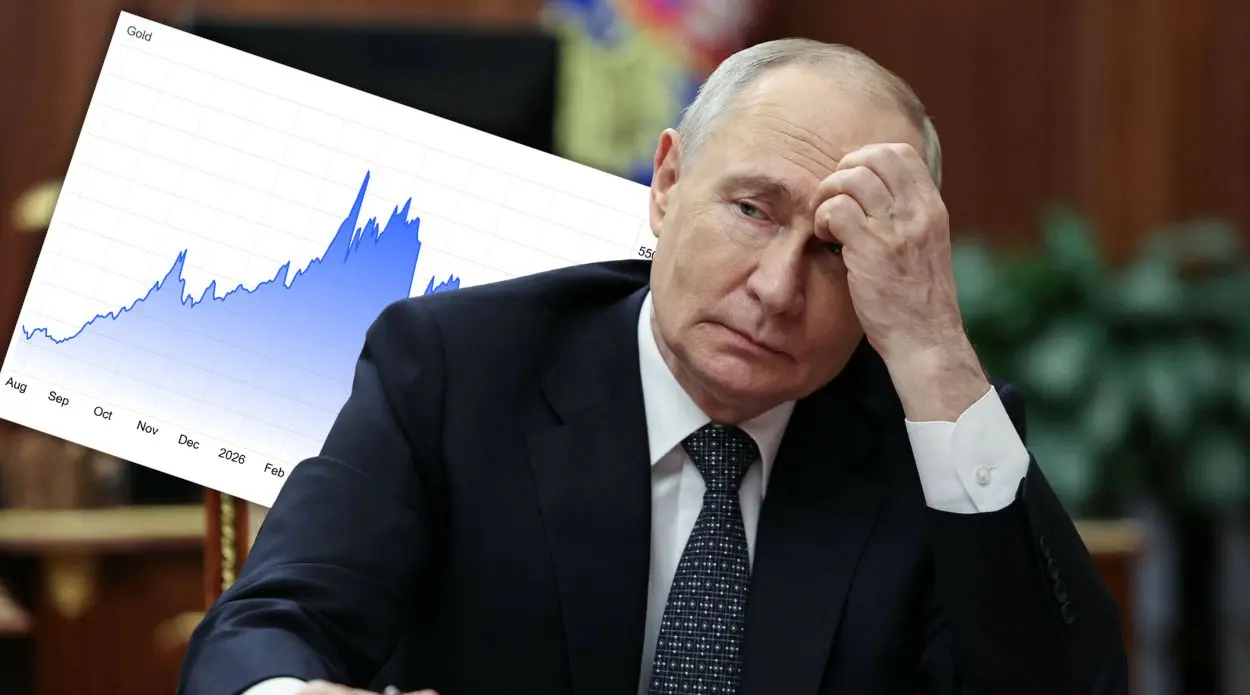
As Ole Hansen, commodity market strategy director at Saxo Bank explains, gold continues a week‑long consolidation phase after a historic rally that lifted the metal to a January high near 5,595 USD before a sharp correction to a March low around 4,100 USD.
At roughly 4,550 USD, gold still has gained about 5% year‑to‑date and 40% on an annual basis, but remains close to the lower bound of the 1,500‑USD correction that formed in the first quarter.
The current environment increasingly shows the difference between what traders focus on in the short term and what investors observe over the long term.
Although the structural arguments for gold largely remain intact, short‑term macro factors have created more demanding conditions for prices.
From a trader’s perspective, attention still centers on energy prices, inflation expectations, bond yields and the dollar.
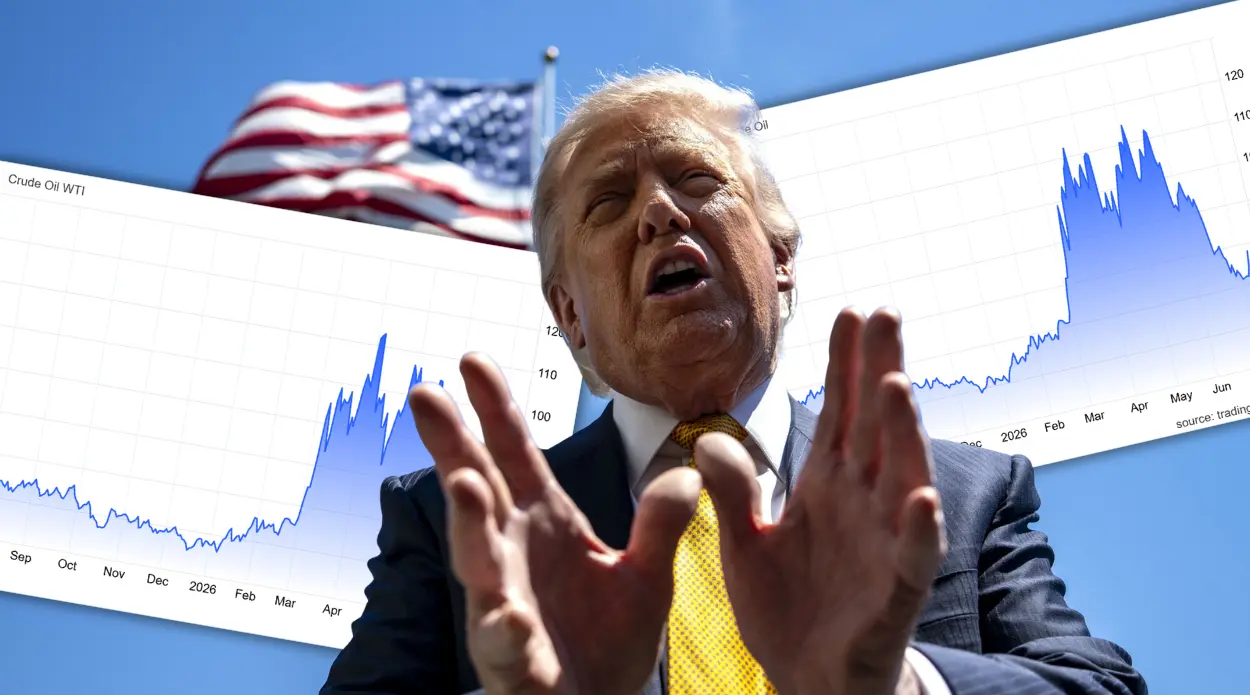
The Middle East crisis and related energy market disruptions raised inflation expectations at a time when markets were preparing for lower interest rates.
Higher energy prices directly translate into inflation, and consequently into Treasury yields, while also supporting the U.S. dollar.
A tough environment for gold
This combination created a tough environment for gold. Rising yields increase the opportunity cost of holding a non‑income‑generating asset, and a stronger dollar typically limits demand from non‑U.S. investors.
As a result, the usual safe‑haven reaction of gold became less clear. In the current market mechanism, escalating geopolitical tensions can sometimes weigh on gold if they also drive another rise in energy prices and inflation expectations.
From a technical standpoint, gold has stabilised in the very short term within a narrow range of 4,500–4,590 USD, and prices cluster around key Fibonacci levels.
The broader picture remains constrained by two important moving averages. The 200‑day moving average, currently near 4,355 USD, is another key support level, while the 50‑day moving average around 4,705 USD still limits upward attempts.

Gold spot with technical levels – source: Saxo

Gold spot, five‑year chart – source: Saxo
Investors froze, and gold is ready to jump
Investor positioning confirms a market waiting for a clearer direction. ETF holdings have largely remained stable over the last month, suggesting a lack of strong, fresh conviction among investors, and volatility continues to fall. The ATR (Average True Range) fell to a four‑month low, indicating increasingly compressed trading conditions and a market that may be preparing for a larger directional move when technical or fundamental clarity emerges.
Another factor that could weigh on prices is forced or tactical selling by some central banks. Several energy‑importing countries face sharply rising fuel costs and greater pressure on local currencies due to higher dollar‑denominated import bills. In such conditions, some official reserve holders may sell gold to defend currencies or help finance higher energy purchases. This does not necessarily undermine the broader history of demand from the official sector, but may partially explain gold’s muted reaction to geopolitical tensions.
In our view, long‑term investors still focus on a different set of factors. Rising fiscal debt burdens, especially in the United States, again attract attention because higher Treasury yields increase debt servicing costs. At the same time, persistent inflation remains a challenge for traditional fixed‑income returns, and reserve diversification and de‑dollarisation trends continue to support gold.
Gold market volatility reminds us that investment decisions should be evaluated in a broader context, not just through the lens of current price moves. In the short term, markets often react to changes in inflation, bond yields or the dollar, whereas over the longer horizon, enduring macro trends and risk‑management approaches matter more. That is why building a portfolio across different asset classes, regions and currencies remains key to limiting the impact of single sources of uncertainty. – says Aleksander Mrózek, Key Client Relations Manager for the CEE region at Saxo Bank.
When the direct pressure from energy prices weakens, central bank demand may again become a more important factor for the market. For now, gold remains suspended between short‑term macro headwinds and long‑term structural support, staying in a waiting phase with no clear direction while the market awaits greater clarity.

Gold investment flows via ETFs and futures, and short‑term correlations with the dollar and real yields in the U.S. – source: Bloomberg and Saxo.