- The silver correction has curtailed excessive speculative positioning, yet its prospects remain more sensitive due to dependence on industrial demand and investment flows.
- Gold remains the stronger strategic choice, while silver – as a more volatile metal – offers greater growth potential but also higher downside risk.
As Ole Hansen, Head of Commodity Market Strategy at Saxo Bank explains, the precious metals market has been undergoing a clear regrouping in recent months. After a dynamic rally that lifted gold – especially silver – to new historic highs, both metals entered a correction phase. This is not due to a significant deterioration of long‑term fundamentals, but to a sudden change in the macroeconomic environment following the outbreak of the Iran war.
The rise in energy prices, the strengthening of the dollar, higher inflation expectations and the return of a prolonged high‑rate scenario in the US have created tougher conditions for income‑generating assets.
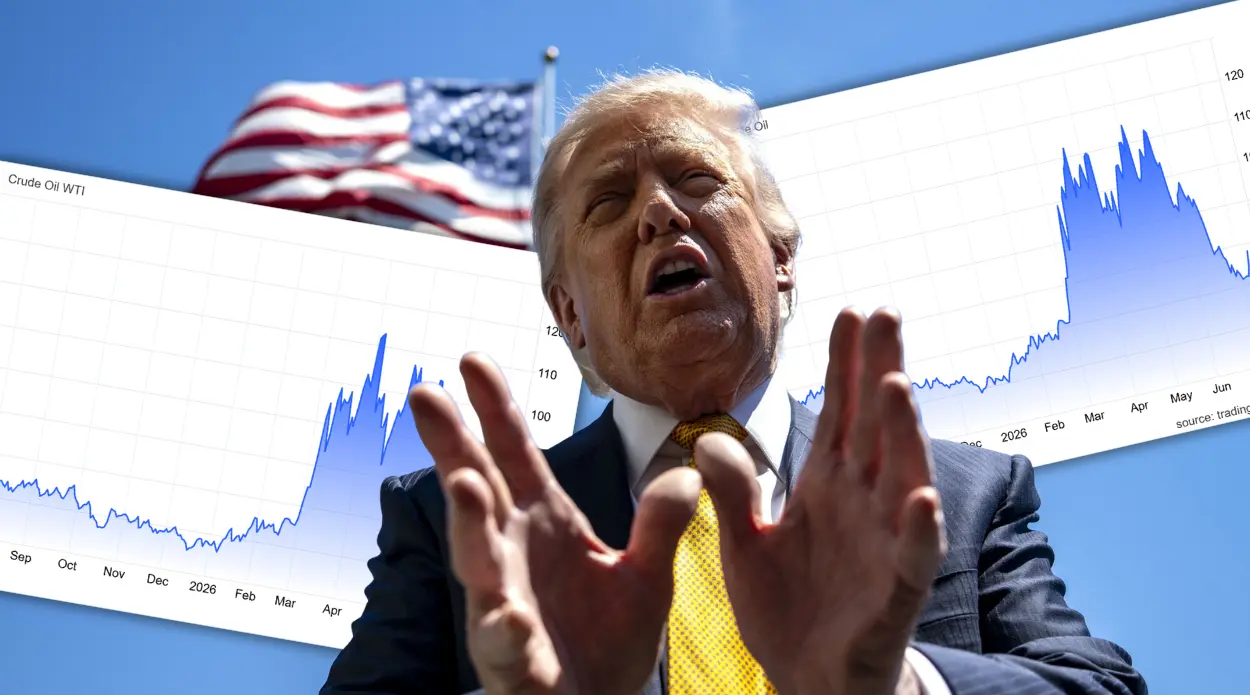
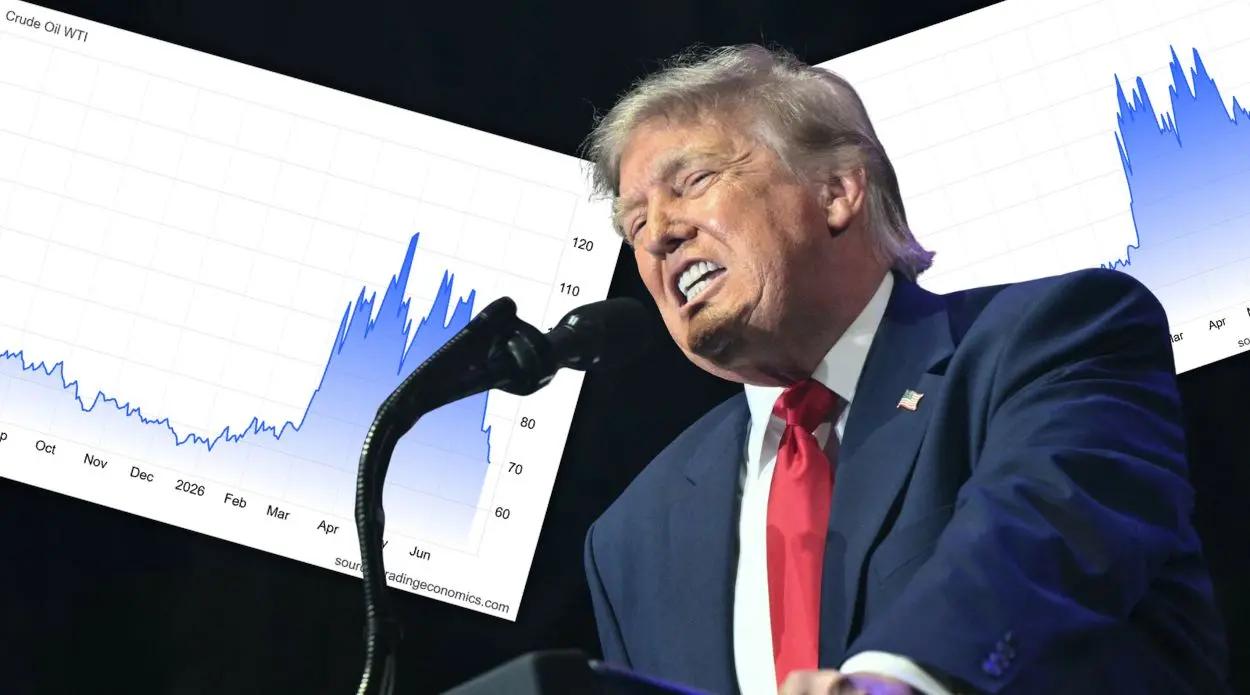
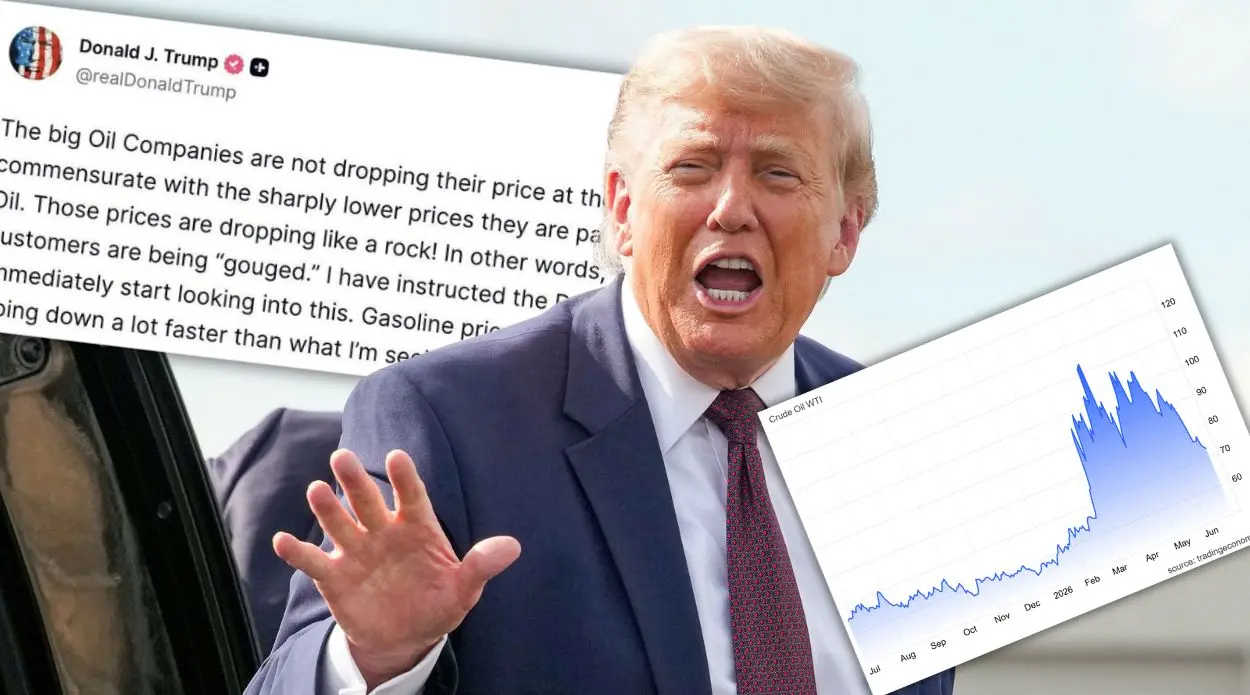
Gold fell to its lowest level in three weeks, and selling pressure intensified after breaking support around 4,650 USD. The key point, however, is that it is the rising oil prices – not geopolitical tensions – that dominate. With Brent crude above 111 USD, the market focuses on the inflationary consequences of higher energy costs.
Diesel and jet fuel prices are climbing to 200 USD per barrel
In a context of sustained US economic growth, supported in part by AI‑related investments, the Federal Reserve has no urgent need to cut rates. Additional uncertainty comes from the earnings releases of some “Magnificent Seven” companies and the FOMC meeting, both occurring on the same day.
In the short term, market attention remains focused on the energy sector. Brent crude stays above 111 USD, and the lack of progress in unlocking the Strait of Hormuz – where US and Iranian blockades have almost completely halted transport – sustains supply tensions. Warnings about the scale of global energy shortages intensify, and the tight refined fuel market already pushes diesel and jet fuel prices toward 200 USD per barrel. The key short‑term growth driver for metals remains the potential unlocking of the strait and a fall in oil prices.
Gold: correction does not change the long‑term trend
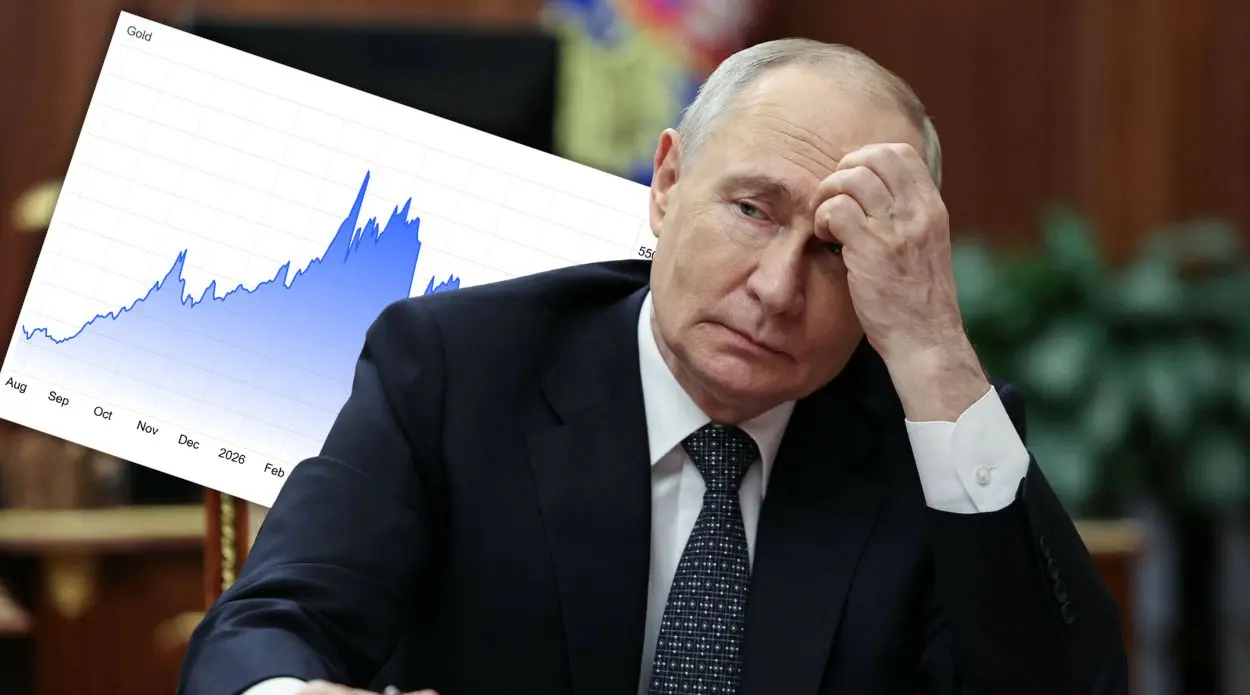
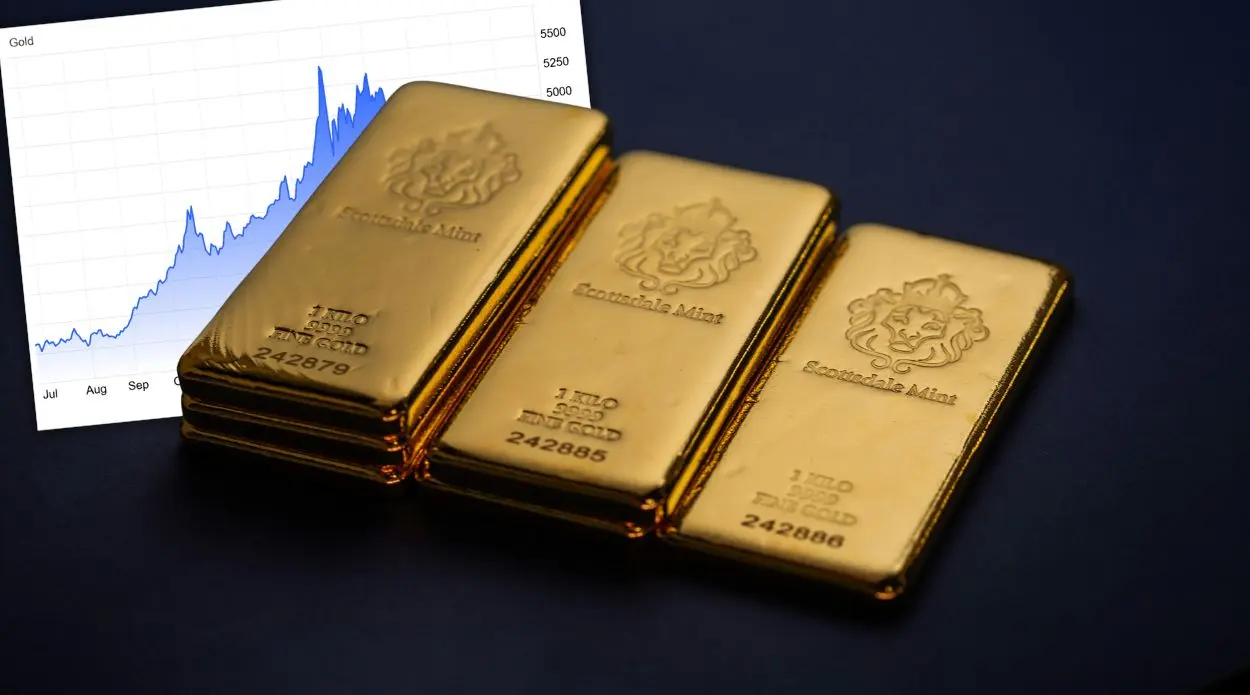
At the start of the year, Saxo did not rule out gold reaching 6,000 USD by year‑end. Since then, a correction of about 1,500 USD from the peak of 5,595 USD has altered both the path and pace of that scenario. In the short term, rising oil prices and the resulting inflation shock strengthen the dollar and shift expectations toward monetary easing, reducing gold’s appeal.
This does not mean a trend change. Geopolitical conflict is a short‑term obstacle but does not undermine market fundamentals. The drivers of growth over the past two years remain relevant, and in some cases have even strengthened.
Stagflation risk persists, partly due to the energy crisis and its impact on prices and economic activity. Fiscal debt continues to rise, and while the dollar’s dominant role as a reserve currency is not directly threatened, a trend of reserve diversification by some central banks and state institutions is visible. In this process, gold remains a natural alternative.
Unlike most commodities, gold primarily serves a monetary function. Rising prices do not lead to a significant drop in demand, as seen with industrial commodities. Jewelry demand may weaken, and central banks may slow purchases as their reserves’ value rises, but structurally gold remains less sensitive to high prices than other metals.
From a technical standpoint, the key support level remains the 200‑day moving average around 4,250 USD. As long as this level holds, the long‑term uptrend remains intact.
Silver: solid fundamentals, but greater sensitivity
Silver’s situation is more complex. After a dynamic rally to January highs, the market entered a clear buying phase. Limited physical supply, strong demand from the photovoltaic sector, and an influx of speculative capital – amplified by retail investor activity – pushed prices to levels requiring very favorable conditions to sustain.
The correction began before the conflict escalated, but the war with Iran accelerated its course. Higher oil prices strengthened the dollar, raised inflation expectations, and pushed back the prospect of rate cuts, creating less favorable conditions for precious metals. Silver – being more volatile and partly dependent on economic cycles – reacted with a stronger decline.
From a market perspective, it was a healthy correction. It curtailed excessive speculative positioning and reduced vulnerability to sharp price swings. Fundamentals remain supportive. According to the 2026 World Silver Survey by Metals Focus, the market will record a sixth consecutive year of supply deficit, and demand still exceeds available resources, leading to further declines in above‑ground stocks. Falling stocks increase the market’s vulnerability to periods of low liquidity, higher price volatility, and higher premiums.
Additionally, strong demand from China – both from the photovoltaic sector and individual investors – continues to support the market, and the current energy crisis may, in the long run, favor renewable energy investments, increasing demand for silver.
At the same time, silver’s prospects remain more complex than gold’s. Industrial demand is cycle‑sensitive, and persistent high inflation and slower economic growth may curb consumption in sectors such as electronics or industrial production. Investment demand – key to maintaining the deficit – can also be volatile and may quickly reverse with changing market sentiment.
That is why silver remains a metal with higher volatility: it offers greater growth potential but also higher risk.
Gold or silver? Differences that now matter
With geopolitical tensions easing and energy supply chains stabilizing, gold should again benefit from monetary‑type demand, reserve diversification, fiscal concerns, and ongoing geopolitical uncertainty. It is less sensitive to cyclical demand drops and less prone to abrupt shifts in investor sentiment.
Silver remains fundamentally attractive, but its prospects depend more on the health of industrial demand and investor activity. The market could tighten again, and in a favorable macro scenario silver could surpass gold in returns. That path will likely be more volatile.
Silver is relatively expensive
The current gold‑to‑silver price ratio of about 62 suggests that silver is relatively expensive compared to the long‑term average of around 70.
This means that to clearly outpace gold, a new impulse will be needed – whether through further supply constraints, stronger industrial demand, or renewed speculative interest.
The rally in the precious metals market therefore seems more paused than finished. Gold remains lagging but not stopped, and its fundamentals remain strong.
Silver still offers significant growth potential, but after earlier excesses it remains more sensitive to macro factors and investor sentiment volatility.
In practice, this means gold remains a key element of strategic allocation, while silver plays more of a tactical role – with higher risk and potentially higher returns.