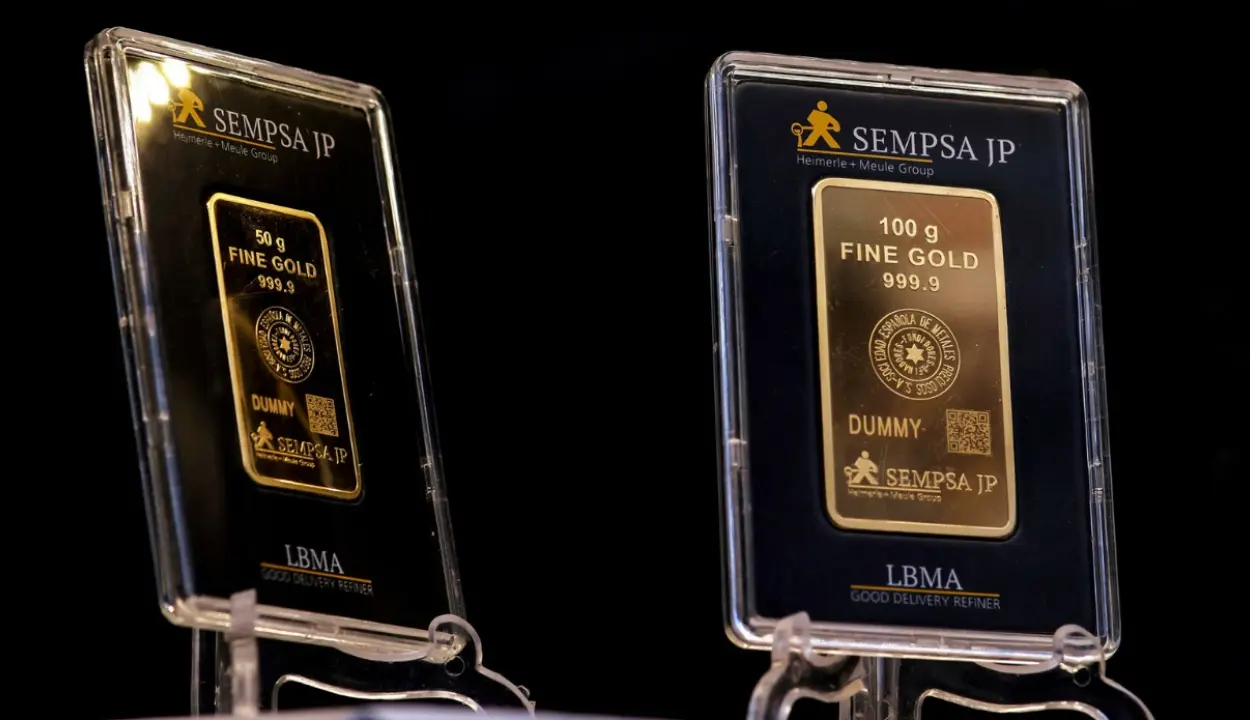
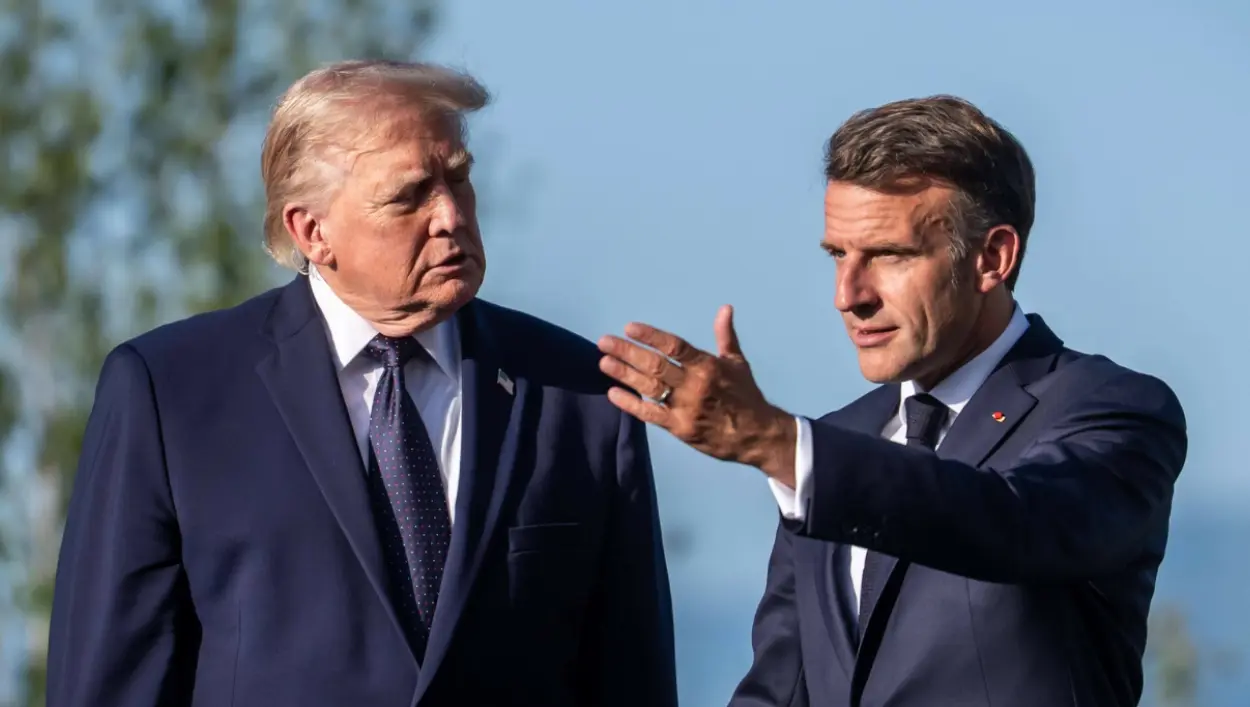
Financial markets are rarely predictable, as traders once again prove by playing fast to calm moods in the Middle East.
Trump slows pace, gold price accelerates
Signals that the US and Iran are moving toward an agreement to unlock the key global trade route, the Strait of Hormuz, should theoretically cool inflation fears and push gold into defense.
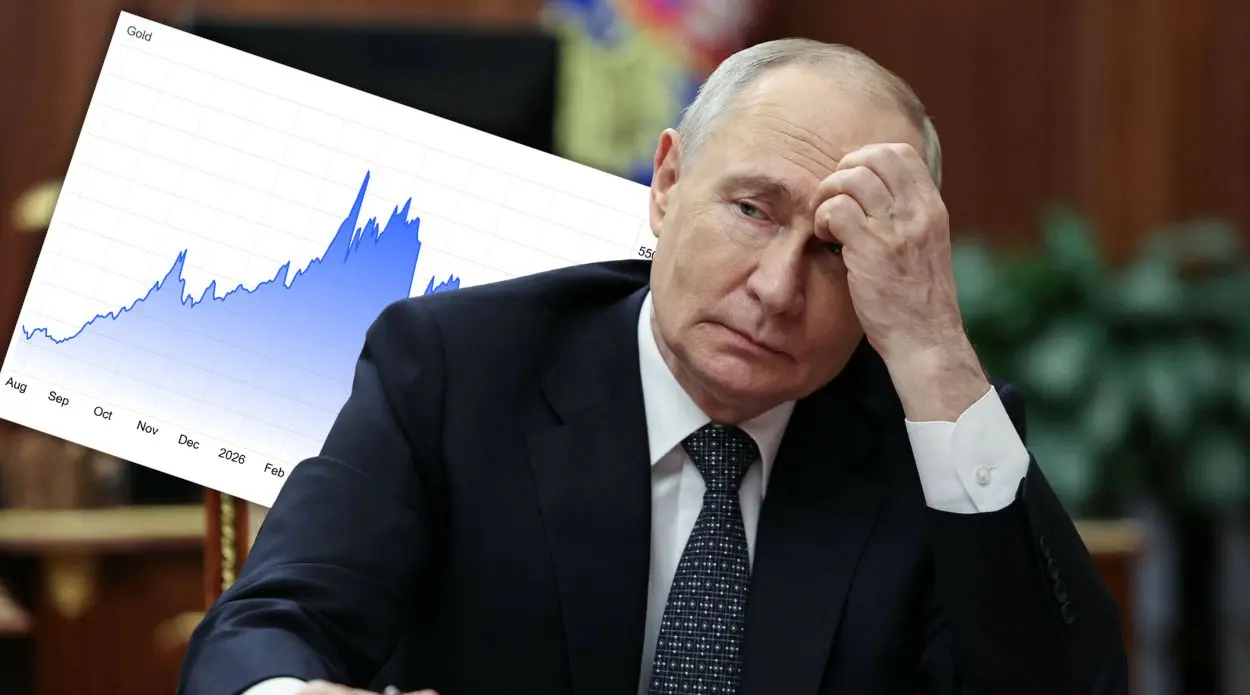
In theory, but it turned out exactly the opposite. The precious metal’s prices rose by 1.6% to about 4580 USD per ounce, fully recovering the small losses of last week.
Where does this sudden shift toward safe assets come from, when a white flag is already visible on the horizon and Donald Trump promises a quick end to the war?
The key lies in the details of negotiations. US officials said on Sunday that talks on the precise wording of the agreement are still ongoing, and final approval by both sides may take a few more days.
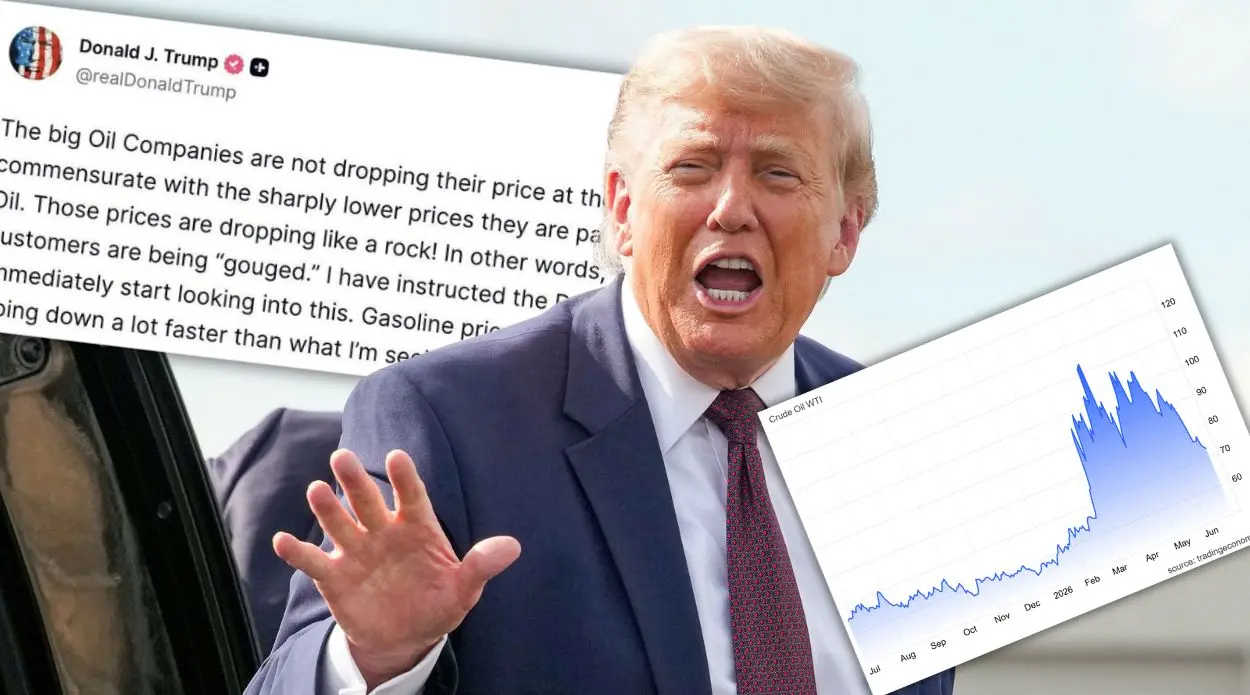
Trump added fuel to the fire, stating in his characteristic style on social media that he does not intend to rush signing the agreement.
That was enough for both algorithms and institutional investors to hit the “buy” button, ignoring the earlier, fully optimistic words of Secretary of State Marco Rubio about expected “good news” on Hormuz and Iran.
See also: Oil price falls, gold price rises. Markets react to de-escalation and a weaker USD.
The market has already seen too many unbacked promises
Justin Lin, analyst at Global X ETFs in Sydney, notes that the gold reaction to these media headlines is relatively muted. This happens because market players have repeatedly seen how Trump’s noisy announcements ended in failure.
Before the market truly believes in lasting de-escalation and resets risk pricing, it needs hard evidence of real cooperation from Iran. Without it, every rise in oil or gas prices will fuel inflation, and gold will remain in play.
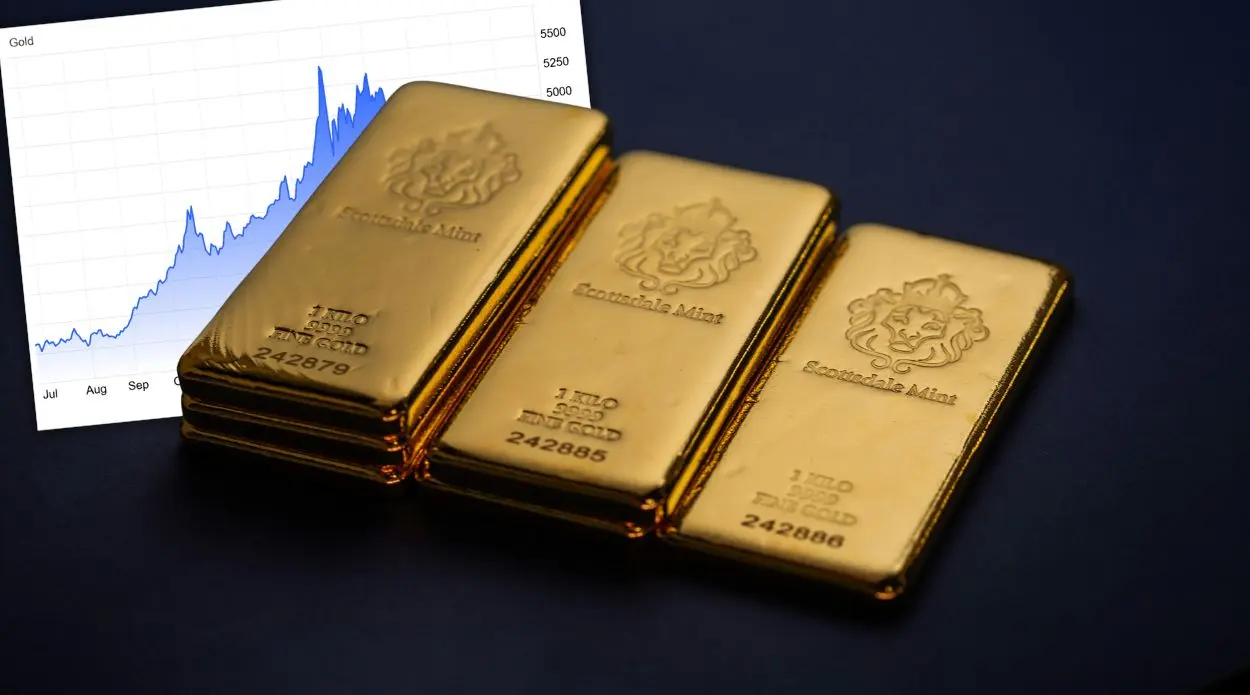
It’s worth looking at the whole situation from a suitably high perspective. Despite Monday’s rally, gold still sits about 13% below February-end levels, the start of the war in Iran. So why does the metal not break new historical records?
The answer lies in monetary policy. The war in Iran caused a sharp rise in energy prices, which in turn forced investors to raise bets on interest rate hikes. The money market currently prices that the Federal Reserve will almost certainly start raising rates from December interest rates.
For gold, which generates no interest or dividends, the Fed’s hawk is always a heavy burden. Investors then prefer to flee to Treasury bonds or tech companies powered by an AI boom, rather than hold capital in the metal.
Chart. Spot gold price (XAU/USD)

Source: Trading Economics.
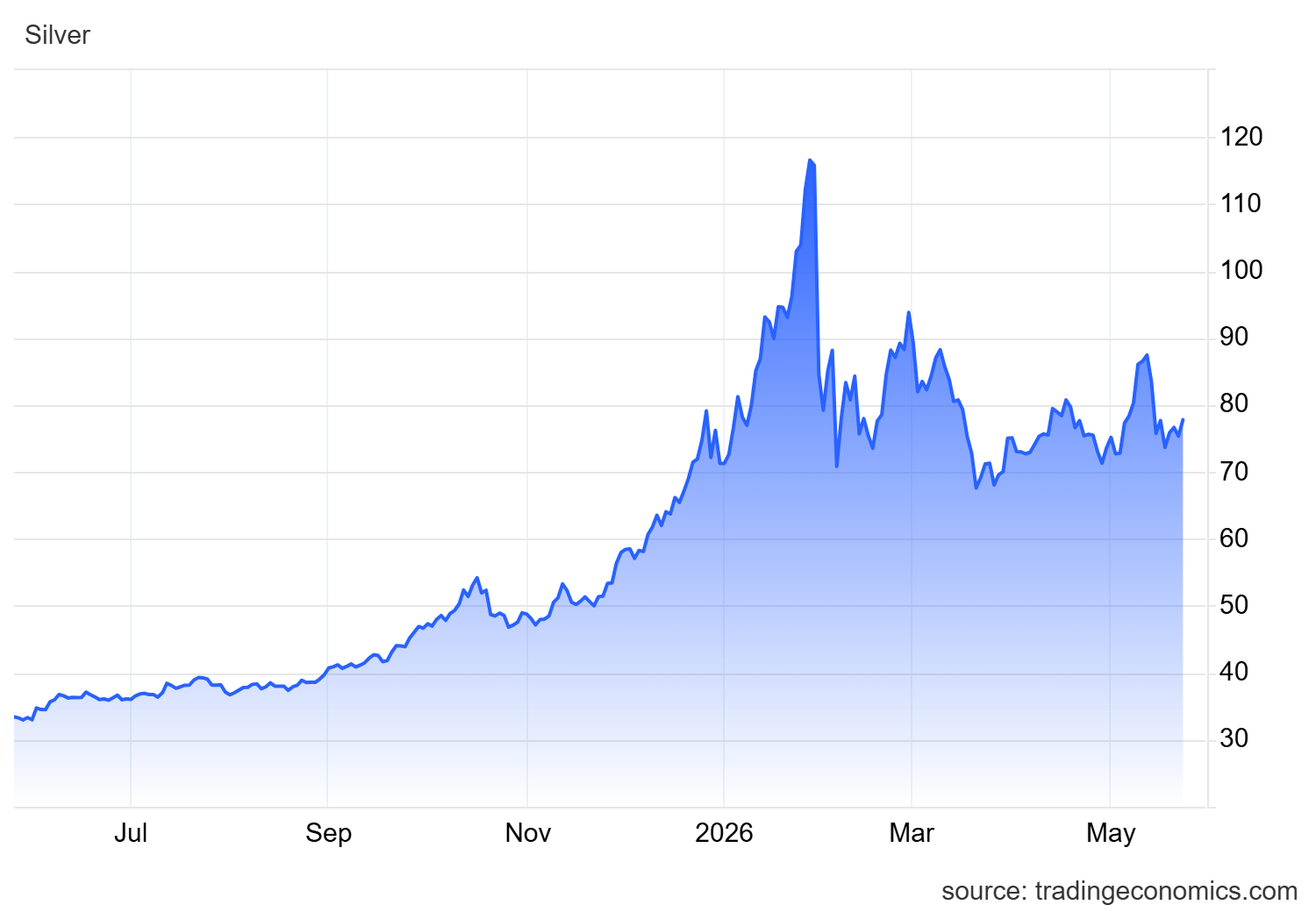
During morning trading in London, spot gold gained 1.2%, reaching 4561.41 USD per ounce at 9:08. At the same time silver jumped 3.1% to 77.86 USD, and gains were also seen in platinum and palladium.
Pressure on precious metals was eased by the Bloomberg Dollar Spot Index, which fell by 0.2%.
Gold continues to push toward breaking the psychological barrier of 4600 USD, but it still has a long way to go to February records.
Chart. Spot silver price (XAG/USD)
Source: Trading Economics.
See also: Gold price reacts to Middle East situation. A new gold rally ahead?
Source: Bloomberg.